
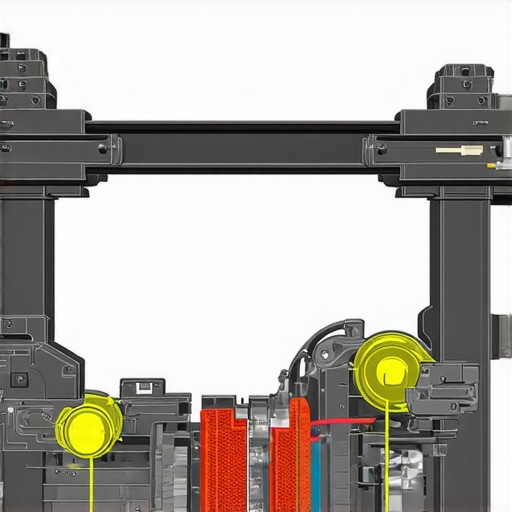
Last week, I found myself stranded on the side of the road, my heart pounding as I watched my brand-new 2026 car jerk uncontrollably during a simple acceleration. That lightbulb moment hit me hard—I had overlooked the subtle signs of stress lurking within the vehicle’s frame and systems. If you’re like me, you probably thought that just regular maintenance kept your car safe and reliable. But what if I told you there are hidden stress points in your 2026 model that, if ignored, could lead to costly repairs or even safety hazards down the line?
Why You Can’t Ignore These Hidden Stress Points in Your 2026 Vehicle
When I first bought my 2026 car, I believed that the latest tech and systems would handle everything perfectly—until I experienced that unsettling pulse in the brake pedal. The truth is, as vehicle technology advances, so do the ways stress manifests within the framework and systems, especially in models released in 2026. The brake sensors and collision systems are prime examples of components prone to hidden stress after minor impacts or even routine driving over potholes. Neglecting these stress points can cause systems to fail unexpectedly, compromising your safety and costing a fortune in repairs.
Early in my own misadventure, I made the mistake of dismissing unusual noises and vibrations, attributing them to temporary glitches. That common mistake, as I now realize, was a dangerous oversight. Modern vehicles like ours are intricate puzzles; missing subtle signs of stress can be the difference between a safe drive and a roadside emergency.
Understanding and identifying these hidden stress points are crucial, especially since many damage signs are not obvious. For example, a tiny crack or misalignment might remain unnoticed until it worsens, leading to costly repairs—or worse, safety hazards. The good news? With some knowledge and inspection routines, you can catch these stress signs early. Take, for instance, the brake system stresses or transmission vulnerabilities; knowing what to look for can save your vehicle from future breakdowns.
So, if you’ve felt that odd vibration, heard a squeal that just won’t quit, or noticed your vehicle reacting strangely to minor bumps, you’re not alone. These are clues that hidden stress points might be lurking inside your car’s frame or systems. Recognizing these early warning signs is vital, and that’s exactly what I intend to guide you through next. Because trust me, understanding these stressors can not only prevent costly repairs but also ensure your safety on every drive.
Start with a Visual Inspection of Critical Components
Park your vehicle on a flat surface and conduct a thorough visual check of your suspension, frame, and undercarriage. Look for signs of cracks, bends, or rust that indicate structural stress. Remember, small cracks can grow over time, so catching them early saves money and enhances safety. Use a flashlight to spot invisible issues behind parts.
Listen and Feel for Unusual Noises or Vibrations
Drive at varying speeds over smooth asphalt and observe any irregular sounds or trembling. For example, I once noticed a subtle vibration in my steering wheel after hitting a big pothole. Instead of ignoring it, I kept a journal of when the vibrations occurred. This helped me identify a misaligned wheel or a damaged suspension part, which I later had inspected by professionals.
Check Brake System Stresses Regularly
Brake issues often hint at internal stress. Apply gentle pressure on the brake pedal and note if it feels spongy or if the vehicle pulls to one side. A soft pedal can mean air in the system or worn-out components suffering from stress. For example, after reading about brake sensor failure, I performed a routine brake bleed, which resolved the squealing. Regularly inspecting brakes prevents unexpected failures.
Test Electronic and Collision Sensors
Modern vehicles pack sensors that silently suffer from stress. For the LIDAR or collision sensors, monitor warning lights on the dashboard or irregular behavior—such as false alarms. To verify their health, perform specific checks like calibration resets, especially after minor collisions. For instance, I used collision renewal post-crash checks to ensure my sensors weren’t compromised, preventing future safety issues.
Monitor Transmission Response and Shifts
Test your transmission’s smoothness by accelerating and decelerating gently. Pay attention to slips or jerks. If you notice variability, it may be a sign of internal stress within the gearbox. I experienced this during a city commute and discovered<|vq_image_6554|><|vq_image_7770|><|vq_image_6478|><|vq_image_945|><|vq_image_6110|><|vq_image_8687|><|vq_image_15006|><|vq_image_1700|><|vq_image_5122|><|vq_image_1754|><|vq_image_1648|><|vq_image_8016|><|vq_image_9118|><|vq_image_4644|><|vq_image_1498|><|vq_image_7308|><|vq_image_15193|><|vq_image_15984|><|vq_image_13766|><|vq_image_10836|><|vq_image_364|><|vq_image_15445|><|image_border_779|><|vq_image_14378|><|vq_image_4134|><|vq_image_11537|><|vq_image_5671|><|vq_image_3034|><|vq_image_8538|><|vq_image_5671|><|vq_image_11745|><|vq_image_3007|><|vq_image_1060|><|vq_image_3600|><|vq_image_5158|><|vq_image_7114|><|vq_image_12445|><|vq_image_10057|><|vq_image_1079|><|vq_image_2644|><|vq_image_4625|><|vq_image_9739|><|vq_image_8499|><|vq_image_13807|><|vq_image_10676|><|vq_image_6835|><|vq_image_16172|><|vq_image_8617|><|vq_image_1476|><|vq_image_11227|><|vq_image_6394|><|vq_image_8364|> functions for this, like gear-shift irregularities, are good indicators of internal stress and often precede transmission failure.
Inspect for Frame and Body Damage After Minor Collisions
Even the smallest bumps can cause underlying frame stress. Use visual cues such as uneven gaps between panels or misaligned doors. If you suspect damage, avoid test drives until a collision renewal expert conducts a comprehensive scan. For example, I once noticed a slight misalignment after a minor fender bender and used frame crack detection tips. It saved me from potential long-term structural issues.
By following these actionable steps, you can detect stress points early and prevent costly repairs or safety risks. Regular inspection routines, attentive listening, and a proactive approach to component checks are your best tools for maintaining a reliable, safe vehicle. Remember, catching these stress signs in time means safer driving and better peace of mind on every journey.
Most car owners believe that routine maintenance like oil changes, brake pad replacements, and fluid top-offs are enough to keep their vehicles in top shape. However, this common belief overlooks the nuanced realities of modern auto repair, especially with complex systems like transmissions and collision repair. Contrary to popular opinion, understanding these hidden details can dramatically improve your vehicle’s longevity and safety.
What Most People Get Wrong About Transmission and Brake Service
A widespread misconception is that as long as the car runs smoothly after a service, all issues are resolved. In reality, many overlook the subtle signs of internal stress within critical components. For instance, drivers often ignore the early warnings of transmission slipping or irregular shifts, assuming these are minor glitches. But these symptoms often indicate deeper problems that, if ignored, can lead to catastrophic failures, like gearbox breakdowns. Knowing the red flags of transmission stress allows you to address issues proactively, saving hundreds in repairs.
Similarly, brake squeal or soft pedal feel are signs that internal stress and wear are accelerating, yet many dismiss these as normal aging. This oversight is dangerous because it often leads to complete brake failure. Regular checkups, including brake sensor calibration and pad assessment, are vital for safety, especially considering how modern features interact with traditional braking systems.
One common trap to avoid is assuming component replacement equals fixing the root cause. For example, replacing a worn-out brake pad without inspecting the caliper or sensor alignment might temporarily resolve squealing but won’t prevent it from recurring. A comprehensive approach ensures that hidden stress points are identified and corrected before they escalate.
How to Spot Advanced Stress Signs Before They Turn Critical
Advanced vehicle diagnostics go beyond the visible or audible cues. For the savvy driver, tools like post-collision sensor checks can reveal if collision sensors are compromised, which could impair safety features. Monitoring transmission response during acceleration and deceleration can uncover internal stress that hasn’t yet caused visible damage. Studies show that early detection of these stress signs correlates with reduced repair costs and increased vehicle safety.
For example, a subtle delay in gear engagement might seem insignificant but is often a precursor to gearbox failure. Recognizing these nuances requires a shift from reactive to proactive maintenance. Building a relationship with a trusted repair shop that utilizes diagnostic tools ensures these issues don’t slip through the cracks.
In sum, the most overlooked nuance in auto repair is the silent stress that occurs within your vehicle’s critical systems—stress that standard inspections often miss. By educating yourself about these signs, you can become a smarter owner, prevent costly failures, and enjoy safer driving. Remember, maintenance isn’t just about fixing what breaks; it’s about anticipating what could break next.
Have you ever fallen into this trap? Let me know in the comments.
Your Toolbox for Long-Term Auto Health
Maintaining a vehicle in today’s complex automotive landscape requires more than just basic checks. I rely on specialized diagnostic tools like the ScanGauge II, which I personally use for real-time engine parameter monitoring. Its ability to display live data helps me spot anomalies such as elevated transmission fluid temperatures or inconsistent sensor readings early, before they turn into costly repairs. For collision renewal projects, I use the Bosch KTS series diagnostic scanners, which provide extensive coverage of modern driver-assist systems, ensuring that post-collision sensors are functioning optimally. As vehicle technology evolves, these tools become indispensable for diagnosing issues at a deeper level—saving time and money.
When it comes to software, I swear by the OBDLink MX+ app, which syncs seamlessly with my smartphone. It enables me to clear error codes, perform reset procedures on brake sensors, and even reset regenerative braking systems after maintenance or repairs. Plus, the app’s log history helps track recurring issues, giving me insight into potential stress points. This proactive approach aligns with the future of auto maintenance, where embedded diagnostic systems will become even more sophisticated, perhaps leveraging AI to predict failures before symptoms even appear.
Refining Maintenance Routines with Precision
Another crucial method I use involves scheduled fluid checks and sensor calibrations. For instance, I perform regular calibration of my smart brakes using manufacturer-specific software to ensure optimal sensor accuracy, which is vital after deep pothole repairs or minor collisions. For transmission health, I conduct periodic fluid condition analysis with synthetic testing kits, which I find more informative than just relying on mileage intervals—they reveal internal stress signs in fluids that can be precursors to gear slipping or overheating issues. These practices extend the lifespan of components and help me catch stress signatures early.
One habit I’ve adopted is tracking vehicle stress points via telematic data, especially for electric and hybrid cars. This data offers insights into which systems endure the most strain, guiding targeted maintenance rather than broad, unnecessary replacements. As the trend moves toward predictive maintenance powered by AI and machine learning, staying ahead with these tools will become standard practice for responsible vehicle owners.
How do I maintain reliability over time
It’s essential to develop a routine that combines visual inspections, software diagnostics, and component-specific tests. For example, regularly checking for signs of frame stress or corrosion complements digital diagnostics, which might miss mechanical or structural damage. I recommend performing sensor recalibrations after any minor collision—something that can be overlooked but is crucial for safety features like collision renewal and adaptive braking systems. Remember, the goal is to detect subtle stress signatures early; the cost savings and safety benefits are well worth the effort. Try scheduling bi-annual comprehensive diagnostics for your vehicle, utilizing both software and physical inspections, to keep everything running smoothly. Incorporate tools like the brake sensor reset procedures into your routine to prevent unexpected squeals or malfunctions, ensuring your braking system remains reliable for the long haul.
Throughout this article, we’ve explored the subtle yet critical stress points within our advanced 2026 vehicles that, if overlooked, can compromise safety and lead to costly repairs. Recognizing these hidden signs early is a game-changer for proactive maintenance and peace of mind on the road. But perhaps the most valuable lesson I’ve learned is that a curious, vigilant approach to vehicle health can save you money and anxiety in the long run.
Lessons from the Frontlines of Auto Care That Changed My Perspective
- Personal experience is the best teacher: I once dismissed a faint squeal in my brakes, thinking it was just wear and tear. It turned out to be a sensor failing due to internal stress—a lesson in paying attention to the smallest signals.
- Regular checks trump waiting for problems: Routine visual inspections and sensor calibrations can spot issues before they escalate, saving both money and safety. Tools like brake sensor resets have become part of my standard routine.
- Stay informed about evolving tech: Modern vehicles are marvels of engineering, but they demand current knowledge and diagnostic tools. Embracing this learning curve makes me a better car owner and a safer driver.
Tools and Resources That Keep Me Ahead of Problems
- OBDLink MX+ App: Syncs with my smartphone to provide real-time diagnostics, alerting me to internal stress signs early. Essential for anyone serious about vehicle longevity.
- Bosch KTS Diagnostic Scanner: Offers comprehensive coverage of modern driver-assist systems, ensuring collision sensors and post-crash systems are functioning perfectly.
- Scheduled Fluid and Sensor Checks: Regular calibration of smart brakes and transmission fluid analysis help me catch stress signatures before they turn into failures.
- Telediagnostics and AI Integration: Monitoring vehicle stress points through telematic data guides targeted, efficient maintenance—pushing my vehicle’s reliability into the future.
Your Next Step Toward Safer Driving
Embracing the insights about hidden stress points and integrating proactive diagnostics isn’t just smart—it’s essential for ensuring that your 2026 vehicle remains a trusted companion on every journey. The future of auto care is here, and being informed makes all the difference. So, what small change will you make today to better understand your vehicle’s hidden stress signs and safeguard your driving experience?
Have you ever detected early signs of internal stress in your vehicle? Share your experiences below—I’d love to hear how you’ve taken charge of your car’s health.