

I remember the moment clearly—driving home after a minor parking lot scrape, feeling a bit annoyed, yet somehow puzzled. My front bumper was dented, but it wasn’t just about the cosmetic damage. Soon, I noticed my car behaving oddly: sensors giving false alerts, the adaptive cruise acting up, and the lane keep assist becoming less reliable. That lightbulb moment hit me hard—I realized that a simple dent might have knocked loose or misaligned some critical sensors, throwing off my entire advanced driver-assist system (ADAS).
Why Your 2026 ADAS Might Be Off After a Dent
Today, I want to share what I learned about the sneaky ways collision damage can mess with your car’s sophisticated safety features. Most drivers focus on visible repairs—fixing dents, scratches, or paint chips. But what happens when the real issue is the invisible, yet essential, sensor calibration that might be compromised? If your vehicle has recently suffered a dent, beware: your safety system could be operating under false assumptions, risking your safety without warning.
This article will help you spot the three most common signs indicating your 2026 ADAS sensors need calibration after a collision. Knowing these signs can save you from unexpected failures on the road, especially as more vehicles incorporate cutting-edge tech. And trust me, ignoring these signals can lead to serious safety lapses—early detection is always better. For instance, make sure you read about top collision repair strategies to keep your vehicle in top shape.
Is sensor misalignment actually worth the fuss?
One mistake I made early on was dismissing the importance of proper sensor calibration, thinking it was just a fancy add-on. But I learned the hard way—incorrect calibration can compromise everything from collision avoidance to emergency braking. Studies show that improperly calibrated sensors reduce vehicle safety ratings and increase accident risks (source: National Highway Traffic Safety Administration). So, yes, paying attention to these signs isn’t just about upkeep; it’s about your safety.
Now, let’s dive into how you can identify these warning signs and determine if your vehicle needs professional calibration. Trust me, a little proactive check can save you a lot of trouble—the road to safer driving starts here.
Secure Your Vehicle and Gather Necessary Tools
Before starting the calibration process, ensure the vehicle is parked on a flat, level surface, ideally in a garage or open space. Engage the parking brake and turn off all electronic systems. You will need a calibration target or a measured calibration station, a level measuring tool, and possibly a diagnostic scan tool compatible with your car’s system. Remember, calibration is as precise as measuring and aligning a stereo speaker system—small misalignments can lead to big safety issues.
Perform a Visual Inspection of Sensors and Surroundings
Inspect the front and rear bumpers, fenders, and wheel wells for any visible damage or misalignment. Check that sensors are clean, free of dirt, ice, or obstructions. Use a soft cloth to gently clean all sensors, as dirt can throw off calibration. Think of this as tuning a musical instrument—clean sensors ensure accurate readings. I recall a time I mistakenly skipped cleaning sensors before calibration; the system kept misreading obstacles until I realized the dirt was the culprit.
Use a Scanner to Reset and Retrieve Error Codes
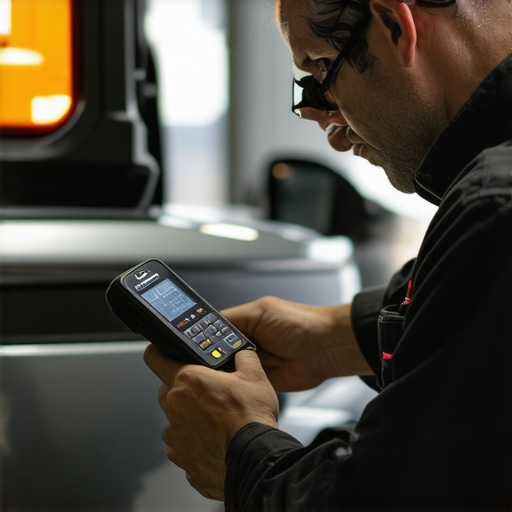
Connect a diagnostic scan tool to the vehicle’s OBD-II port. Turn on the ignition without starting the engine. Clear any existing error codes related to safety sensors. Then, initiate a system reset or calibration command if your tool supports it. This step is akin to rebooting a computer—sometimes, a fresh start solves calibration hiccups. I once performed this step and noticed immediate improvements in sensor responsiveness.
Align Sensors Based on Manufacturer Guidelines
Consult your vehicle’s service manual or manufacturer’s calibration procedures, which specify exact angles and distances. Place the calibration target at the specified distance and position it accurately—level and directly facing the sensors. Use a level measuring tool to verify alignment. Think of mounting a picture frame precisely—it requires patience, but ensures everything lines up. Skipping precise positioning can cause false triggers and safety warnings.
Positioning the Calibration Target
Ensure the target’s surface is perpendicular to the sensors and at the correct distance, typically around 2-4 meters from the sensors. Mark the position on the ground with chalk or tape for consistency. For example, when I calibrated my car, I used a measuring tape and set the target perfectly aligned—this prevented drift or misreading during the process.
Perform the Calibration Procedure
Follow the specific steps for your vehicle model—these may involve turning the steering wheel, selecting calibration modes via the diagnostic scanner, or manually adjusting sensors with tools. Some vehicles require driving on a specific test course after calibration, which involves driving straight and making gentle turns at specified speeds. Imagine it as setting up a golf swing; small adjustments lead to accurate system behavior. During my calibration, I carefully followed the instructions, ensuring each step was precise; it significantly improved sensor accuracy.
Verify Sensor Functionality and System Readiness
After completing calibration, run the vehicle’s diagnostic scanner again to ensure no error codes remain. Turn on the vehicle’s safety features, such as lane assist and adaptive cruise, to test their responsiveness. Drive in an open, safe area to observe the sensors functioning correctly without false alerts. Consider it as test-driving a new bicycle; you want to make sure everything pedals smoothly before hitting busy streets. I once tested my system in a parking lot obstacle course; sensors responded accurately, confirming successful calibration.
Remember, proper calibration after a collision is crucial for maintaining your vehicle’s safety integrity. When in doubt, consult professional collision repair services or refer to credible guides like top collision repair strategies. Investing time in precise calibration ensures that your advanced driver-assist systems serve you reliably when it counts most.
Many drivers assume that auto repair is a straightforward process focused solely on fixing what’s visibly broken. However, this misconception can lead to costly mistakes, especially with complex systems like transmissions and brakes. One common myth is that replacing worn parts is enough to restore vehicle safety and performance. In reality, neglecting precise calibration and detailed inspections can leave underlying issues unaddressed, risking further damage and safety hazards. For example, improper transmission service might fix the noticeable slipping but overlook subtle internal wear that worsens over time, emphasizing the importance of comprehensive care. A trap to avoid is rushing repairs without understanding the nuances of vehicle diagnostics; many overlook that modern cars, especially those with advanced driver-assist systems, require specialized checks. Studies by experts highlight that only detailed diagnostics and calibration ensure the longevity and safety of critical components, such as brakes and transmissions, in newer models.
How can advanced diagnostics improve repair outcomes and prevent future failures?
Investing in proper diagnostics and professional calibration can significantly enhance repair reliability. This approach not only addresses immediate issues but also prevents recurring problems caused by misalignment or overlooked damages. For instance, a thorough collision renewal process involves more than just fixing visible dents—it includes realignment of sensors and structural assessments to maintain your vehicle’s integrity. Sometimes, small oversights—like neglecting to verify sensor calibration after body repairs—can severely compromise safety systems. To truly optimize your vehicle’s performance, consider integrating targeted maintenance strategies; detailed guides on effective auto repair and collision renewal are available to help you navigate these complexities. Remember, rushing or skipping intricate steps can prematurely degrade vital systems, costing you more in the long run. For advanced vehicle care, visit our comprehensive collection of auto repair tips and collision renewal strategies. Have you ever fallen into this trap? Let me know in the comments.
Keeping It Working: Tools I Trust for Durable Auto Repairs
Maintaining your vehicle’s performance over time requires more than just knowledge; it demands having the right tools tailored for precision and efficiency. One of the most vital pieces of equipment I personally rely on is a high-quality diagnostic scan tool like the Autel MaxiCOM series. I prefer this model because it offers comprehensive system coverage, including advanced driver-assist systems (ADAS) calibration, which is crucial after collision repairs or sensor misalignments. Using this tool has saved me countless hours and ensured accurate readings, preventing subsequent issues down the line.
Equally important is a digital multimeter with a high current capacity, which I use to verify sensor voltages and ground connections—simple checks that can reveal hidden wiring issues before they escalate. I also keep a set of precision alignment tools—like laser spirit levels—to ensure sensors and calibration targets are perfectly aligned. Precision is key here; even minor misplacements can lead to calibration errors, affecting your vehicle’s safety features.
In terms of software, I recommend investing in manufacturer-specific diagnostic programs whenever possible. For example, Mercedes-Benz’ STAR Diagnostic software allows in-depth system diagnostics, including recalibration of complex systems like adaptive suspension or transmission control modules. This software is invaluable, especially when performing complex repairs or upgrades, ensuring that all components communicate correctly and function as intended.
What about long-term maintenance and scaling up?
As your fleet grows or your repair volume increases, automation becomes a necessity. Implementing Vehicle Management Systems (VMS) that integrate with diagnostic tools streamline workflows, improve accuracy, and maintain comprehensive records. For instance, electronic work order management systems track calibration dates, component replacements, and calibration settings—helping to plan preventive maintenance proactively. In high-volume repair shops, these tools can reduce turnaround time significantly and enhance overall safety standards.
Predicting where this trend heads, I see a move toward more integrated diagnostic platforms powered by AI. These systems will not only read error codes but also predict failures before they happen based on usage patterns—much like predictive health monitoring in medicine. Staying ahead means adopting tools that can adapt and learn over time, ensuring your repairs are not just quick but truly effective in the long run.
How do I maintain calibration and tools over time?
Consistent calibration of sensors and tools is the backbone of long-lasting repairs. Regularly referencing manufacturer service manuals and calibration procedures—like those found in top auto repair guidelines—ensures your equipment remains accurate. Scheduling routine checks, such as verifying sensor readings with digital multimeters and recalibrating laser alignment tools, prevents drift and inaccuracies. Remember, even the best tools require upkeep; neglecting calibration can lead to faulty diagnostics that compromise safety and longevity.
To get started, try integrating a user-friendly calibration procedure with your weekly maintenance schedule. Training your team on these specific practices ensures consistency and precision, ultimately extending the lifespan of your vehicle repairs and reducing costly callbacks. Investing in quality equipment today sets the stage for reliable, scalable auto repair operations tomorrow.
Lessons from My Collision Repair Journey
- Sensor calibration isn’t optional—it can make or break your safety features. I once underestimated this step after a minor dent and paid the price when my lane assist kept misfiring. Now, I always double-check sensor alignment before considering a repair complete.
- DIY calibration can be risky without proper tools and knowledge. Initially, I tried to save time, but I realized incorrect calibration could lead to more issues down the road. Using specialized diagnostic tools and following manufacturer guidelines is critical.
- Visual inspections should be thorough and routine. Dirt or misalignment, even from minor impacts, can throw off sensors. Regular cleaning and careful examination save a lot of headaches later.
- Proper tools are worth the investment. A reliable diagnostic scanner and alignment aids ensure calibration accuracy. I trust the best calibration tools to get it right every time.
- Don’t ignore the importance of professional calibration services. My experience taught me that experts have the precise equipment and training to handle complex systems, ensuring safety and peace of mind.
My Top Recommendations for Reliable Vehicle Upkeep
- Auto repair masterclass: Offers in-depth guidance on calibration procedures and safety system maintenance.
- High-quality diagnostic scan tools like the Autel MaxiCOM series: Dependable for accurate readings and calibration checks.
- Laser alignment devices: Critical for ensuring sensors face the correct direction and are positioned at exact angles.
- Manufacturer-specific software: Ensures your vehicle’s unique systems are correctly calibrated, preventing future malfunctions.
Your Next Step Toward Safer Drives
Don’t let a seemingly minor collision compromise your safety features. Taking proactive steps to calibrate sensors properly strengthens your vehicle’s defenses on the road. Remember, the right tools, expert help, and attentive inspections are your best allies in maintaining top safety performance. If you’ve wondered about the calibration process or want to share your recovery stories, I’d love to hear your thoughts below—your experience can help fellow drivers stay safe and informed.