
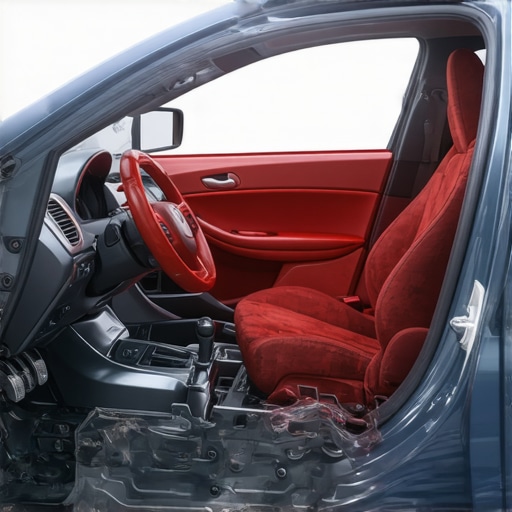
One day, I was pulling out of my driveway when I noticed a slight unevenness in how my car leaned to one side. At first, I dismissed it as an alignment issue or just a bump I didn’t notice. But as days went on, that subtle tilt became more apparent. It was a lightbulb moment—what I thought was minor could be a sign of something more serious beneath the surface. That experience made me realize how easy it is to overlook hidden damage, especially when it comes to the car’s frame after a collision.
Why Hidden Frame Damage Can Sneak Past Your Notice—and Why It Matters
Many drivers underestimate the importance of inspecting their vehicle’s frame after an accident. A compromised frame isn’t just about aesthetics; it can threaten your safety on the road. Think about it—your car’s frame is the backbone that keeps everything aligned and functioning properly. If it’s subtly warped or damaged, even if the exterior looks fine, it can lead to serious issues like uneven tire wear, steering problems, or worse. Interestingly, studies show that approximately 20% of collision-related injuries are caused by structural failures due to undetected frame damage.
Could you be missing these crucial signs?
Early on, I made a mistake often made by many. I focused solely on surface scratches and dents, ignoring the structural integrity. Ignoring these signs could have compromised my safety—something I learned the hard way. That’s why I want to share insights that will help you spot hidden damage before it turns into bigger, more costly problems. If you’ve ever wondered whether your vehicle has concealed issues after a collision, keep reading. Recognizing these early warning signs can save you money and, more importantly, keep you safe. Curious if your car might be hiding damage? Let’s dive into the telltale signs that only seasoned collisionrenew experts can identify—signs that could be lurking without your knowledge.
Inspect Visual Signs of Frame Warping
I remember a morning when I decided to check for visual clues after a minor collision. I jacked up the car and examined the edges of the frame with a flashlight, looking for uneven gaps, bends, or cracks. To do this efficiently, I compared each side against the other for symmetry. If you notice any misalignment, it’s crucial to consult a professional because surface appearances can be deceiving. Using a plumb bob or a laser alignment tool can help you spot subtle distortions that are easy to miss. Remember, early detection can prevent costly repairs later. For a detailed appraisement, consider reading expert auto body inspection tips.Many drivers operate under misconceptions about essential services like brake maintenance and transmission repair, often believing that routine checks are enough or that cheaper solutions are always better. However, these assumptions can lead to overlooked issues and costly damage over time. Let’s explore some nuanced errors and myths that even seasoned car owners might fall for, and how understanding these can improve your vehicle’s safety and longevity.
A common myth is that brakes only need replacement when they squeal or feel sticky. In reality, skilled auto repair experts know that brake pads can wear unevenly or thin out without any noticeable noise, risking brake failure or rotor damage. Regularly scheduled inspections, following expert guidelines, can catch these subtle signs early. For instance, effective brake service strategies emphasize not just replacing worn pads but also inspecting for caliper issues or fluid leaks that compromise braking efficiency.
Similarly, many believe transmission issues are only apparent when the car refuses to shift or makes grinding sounds. But some transmission problems manifest gradually, like slipping gears or delayed engagement, which can be mistaken for normal wear. Advanced diagnostics, like electronic testing and fluid analysis, can reveal underlying problems before they escalate. Applying expert auto repair strategies helps prevent catastrophic damage, saving money and maintaining safety.
One hidden nuance that often goes unnoticed is how small, seemingly insignificant details can signal major issues—like a slight delay in engagement or a faint burning smell—these are early warning signs that should not be ignored. Relying solely on visual cues or basic checks can be deceptive, as some damages hide beneath the surface. For comprehensive insight, consulting resources like effective collisionrenew auto body repair tips can prepare you to recognize these subtle red flags, ensuring timely intervention.
From the Oops factor perspective, many vehicle owners fall into the trap of neglecting periodic services, assuming they only apply when something breaks. This complacency often leads to neglecting critical systems, which can cause preventable breakdowns. For example, ignoring transmission fluid changes can lead to sludge buildup, accelerating wear. Effective maintenance is about consistent, proactive care, which is why staying ahead with top maintenance strategies is essential.
Regarding advanced readers’ curiosity, consider this: How can you accurately diagnose a complex issue like slow gear engagement without expert tools? The answer lies in understanding diagnostic procedures used by professionals—such as scanning OBD-II codes, measuring fluid condition, and performing road tests. Knowing these processes helps you appreciate the importance of professional diagnostics over DIY guesses, ultimately leading to safer and more reliable repairs.
Have you ever fallen into this trap? Let me know in the comments. Recognizing these hidden nuances can transform your approach to vehicle maintenance, avoiding costly surprises and ensuring your safety on the road.
Keeping It Working with Precision Tools and Strategies
Maintaining your vehicle over the long haul requires more than just basic checkups; it demands employing the right tools and techniques to ensure reliability and safety. One of my go-to strategies is investing in diagnostic equipment that provides real-time insights into your car’s vital systems. For example, I rely heavily on an OBD-II scanner like the BlueDriver because it offers comprehensive diagnostics, including customizable live data streams that help identify issues early — often before they become costly repairs. This proactive approach aligns with the evolving trend toward smarter vehicle maintenance, leveraging technology for better outcomes. Looking ahead, the integration of AI-powered diagnostic tools promises even more precise, predictive maintenance, reducing unexpected breakdowns and extending vehicle lifespan.
When it comes to physical tools, a quality laser alignment system has become indispensable for me, especially after collisions or suspension work. These tools quickly detect misalignments that aren’t visible to the naked eye but can significantly impact safety and tire health. Additionally, regular brake calibration tools ensure that braking systems perform optimally over time, preventing accidents and costly repairs.
How do I maintain systems and tools for longevity?
Proper calibration and routine updates are critical. For software-based diagnostic tools, I schedule quarterly updates from the manufacturer to access the latest features and vehicle support. For physical equipment like alignment machines or brake testers, routine calibration following the manufacturer’s guidelines ensures precision. Storing tools in climate-controlled environments prevents corrosion or degradation, which can compromise accuracy when you need them most. Developing a checklist for equipment maintenance keeps everything in check and ready for use when emergencies or scheduled checkups occur.
Another key aspect is utilizing software that logs data and trends over time. I use AutoEnginuity, a robust vehicle diagnostic platform that saves history and helps analyze long-term problems, aiding in predictive maintenance and reducing repair costs. This kind of data-driven approach is gaining traction among professional technicians and savvy car owners alike.
Thinking about the future, the fusion of these tools with machine learning could revolutionize auto care, making diagnostics even faster and more accurate. For now, I recommend trying out a quality OBD-II scanner combined with physical tools like laser alignment systems for the most effective long-term care.
Want to elevate your vehicle maintenance game? Start by integrating a diagnostic scanner like BlueDriver into your routine and pair it with precise alignment tools—it’s a game-changer for catching problems early and ensuring your car works flawlessly for years to come.
Lessons That Changed How I Approach Auto Safety
- Never assume surface damage tells the full story—underlying frame issues can lurk behind seemingly minor dents, which is why thorough inspections are crucial.
- Invest in quality diagnostic tools like OBD-II scanners; they’ve revolutionized the way I catch problems early, saving time and money in the long run.
- Timing matters—regular preventive maintenance, including alignment checks, can prevent hidden damage from escalating into serious safety threats.
- Understanding your vehicle’s warning signs, from strange noises to subtle misalignments, can make all the difference in averting accidents caused by unseen structural issues.
- Building a relationship with trusted auto repair experts allows you to understand the nuances of hidden damage and get ahead of potential hazards.
Tools That Put Safety in My Hands
- The BlueDriver OBD-II scanner has been my go-to for early problem detection—its comprehensive diagnostics empower me to take proactive steps.
- Laser alignment systems have proven invaluable after collision repairs, ensuring my vehicle’s frame stays true and safe on the road.
- Routine calibration devices for brake and suspension systems help maintain optimal performance, minimizing risks associated with undetected wear or warping.
- Data logging platforms like AutoEnginuity provide insights over time, helping me spot trends and address issues before they become costly or dangerous.
Your Next Step Towards Safer Driving
Embracing the lessons from my collision repair journey has reinforced that vigilance and proper tools are your best allies when maintaining vehicle safety. Taking action now, whether through professional inspections or investing in diagnostic equipment, can make your drives safer and more reliable. Don’t wait for problems to become visible—stay ahead, and your vehicle will thank you for it. Ready to start checking those hidden spots? Share your experiences below and let’s learn together!