
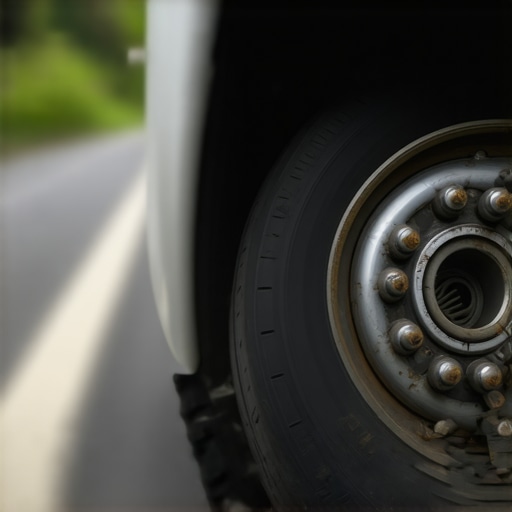
Ever been cruising down the highway when suddenly your steering wheel starts trembling, and a strange noise creeps in that sounds like a high-pitched whistle? Yep, that was me last summer, stuck in traffic, realizing my car was sending me urgent warning signals about a looming wheel bearing failure. At the time, I dismissed it as just some road noise or maybe tire imbalance. But one day, a sharp bounce during a turn made me realize I was taking a serious risk without even knowing it.
Today, I want to talk about these signs because I nearly ignored them myself—and I don’t want you to make the same mistake. Recognizing early warning signs of a failing wheel bearing can save you hundreds in repair costs and, more importantly, prevent dangerous driving situations. Most folks don’t realize how critical wheel bearings are to car safety until it’s almost too late.
Why Your Car’s Safety Depends on Recognizing These Signs
Your wheels are not just hanging on for the ride—they’re the connection between your vehicle and the road, ensuring smooth handling, braking, and turning. When a wheel bearing starts to go bad, it compromises that connection, leading to uneven tire wear, noise, and even wheel detachment in worst-case scenarios. Early detection is like catching a small cavity in a tooth before it turns into root canal territory.
Trust me, I learned a hard lesson: ignoring subtle symptoms can lead to catastrophic failure. That early mistake was assuming the noise was just normal road hum. Instead, I should have checked out that whine or wobble sooner. According to experts, a failing wheel bearing can even affect your vehicle’s ABS system—so ignoring the signs isn’t just risky, it can also turn into expensive repair.
Curious if your car might be warning you, too? Keep reading—I’ll walk you through how to spot these signs before it’s too late. And if you’ve experienced any of these symptoms, let me know in the comments below. Sometimes, a simple inspection can save the day.
Is your car’s noisy wheel or rough steering really worth ignoring?
Early on, I made the mistake of dismissing minor vibrations and squeaks as normal maintenance. But trust me, catching these signs early makes a huge difference. If you want to dive deeper into how to spot a failing wheel bearing before it becomes dangerous, check out this detailed guide. It explains everything you need to know about identifying the symptoms—saving you from unexpected breakdowns and costly repairs.
Now, let’s get into the specifics of what to look for and how to prevent a wheel bearing meltdown before it’s too late.
Start with a Visual Inspection of the Wheel Assembly
Before diving into technical procedures, park your car on a flat surface and secure it with wheel chocks. Loosen the lug nuts slightly while the car is still on the ground, then lift the vehicle using a jack and support it securely with jack stands. Remove the wheel to access the hub and bearing assembly.
Check for obvious signs of damage such as missing or broken parts, rust, or uneven wear. Look for cracks in the brake rotor or debris lodged around the bearing area. Physical inspection can often reveal issues that are not immediately noticeable in operation.
Identify Symptoms During Spin Test
Gently spin the hub by hand; it should rotate smoothly without noise or resistance. Feel for roughness, play, or wobbling. Excessive movement indicates a worn-out bearing. Remember, a micro-story from my experience: During this test, I noticed a slight wobble which initially seemed minor but was a sign of impending failure. Addressing it early saved me from a roadside breakdown.
Disassemble and Remove the Old Bearing Carefully
Addressing a failed bearing requires partial disassembly of the hub assembly. Remove the brake caliper, rotor, and any ABS sensors or clips. Use appropriate tools—like a bearing puller or slide hammer—to detach the bearing from the hub. Be cautious: forcing parts can cause damage, so follow manufacturer specifications closely.
When I replaced my wheel bearing for the first time, I used a hydraulic press to remove the bearing, which provided controlled force and prevented damage. Proper tools make this step more manageable and reduce the risk of mishaps.
Prepare the Surface for the New Bearing
Clean the hub and bearing surface with a wire brush and brake cleaner. Remove any rust or debris that could interfere with the installation. Check the hub for cracks or damage—if compromised, consider replacing the entire hub assembly.
In my case, cleaning and inspecting the hub was essential; neglecting this could lead to premature bearing failure. For detailed cleaning tips, visit this guide.
Install the New Bearing and Reassemble
Lubricate the new bearing with high-temperature grease if recommended. Align it properly with the hub and press it in using a hydraulic press or bearing driver according to manufacturer specs. Do not force the bearing—proper, even pressure ensures longevity.
Once installed, reassemble in reverse order: replace the rotor, caliper, and wheel. Tighten lug nuts in a star pattern to ensure uniform torque. Check your service manual for the correct torque specifications.
After reassembly, lower the vehicle and take it for a test drive. Listen for any abnormal noises and perform a quick spin to verify smooth operation. In my experience, a proper reinstallation guarantees the car feels as good as new—until the next maintenance milestone.
Final Checks to Confirm Success
Verify that the wheel spins freely with no play and that no warning lights appear on the dashboard. Recheck torque settings on the lug nuts after a short drive. Regularly inspecting your wheel bearings can prolong their lifespan and keep you safe on the road.
For comprehensive troubleshooting of related issues, explore this article.
While many believe that basics like changing brake pads or oil are all there is to car maintenance, there’s a wealth of nuanced knowledge that often gets ignored—leading to costly mistakes down the line. One common misconception is that replacing parts in isolation suffices, but the reality is a complex system where each component’s health affects others. For example, a worn-out brake dust shield can cause squealing if not properly adjusted, as highlighted in this detailed guide. Recognizing that fluid conditions, sensor calibration, and physical alignments are interconnected can dramatically improve your vehicle’s longevity. Many think that a quick fix is enough, but advanced diagnostics show that subtle issues—like a misadjusted sensor—can create false warning lights, wasting your time and money. Studies, such as the one from the Society of Automotive Engineers, point out that neglecting minor calibration errors can lead to component failure much sooner than expected. So, are you aware of these hidden aspects? Diving into proper diagnostics and understanding the synergy between parts equips you to maintain your car more effectively. Make sure to evaluate each repair as part of a larger system, not just isolated components. Have you ever fallen into this trap? Let me know in the comments.Maintaining your vehicle’s performance and safety over time requires more than just basic knowledge; it demands the right tools and a proactive approach. One indispensable piece of equipment I personally rely on is a high-quality wheel bearing press kit. Unlike generic presses, my go-to kit features adjustable adapters and a hydraulic mechanism that ensures precise installation without risking damage to the bearing or hub. This has saved me countless hours and costly repairs, especially when replacing components like those detailed in this article. For diagnostics, I swear by an OBD-II scanner like the BlueDriver, which offers real-time data and advanced vehicle-specific codes, making it easier to identify issues that sneak past dashboard warnings. Complementing this, my infrared thermometer helps me check critical components such as brake rotors and transmission fluid temperatures, ensuring everything runs within optimal ranges and preventing early wear. Looking ahead, vehicle systems are becoming increasingly connected with smart diagnostics and predictive maintenance—integrating apps and sensor data to alert you before failures occur. This trend will elevate vehicle care, turning reactive repairs into proactive avoidance.
What the Most Unexpected Experiences Taught Me About Auto Repair
My journey into understanding wheel bearings was filled with surprises, from overlooked noises to sudden failures. One lightbulb moment was realizing that even tiny signs like a slight wobble or squeak could signal impending disaster, emphasizing the importance of proactive maintenance. I learned that taking time to inspect and address issues early isn’t just about saving money but about safeguarding lives on the road.
This experience cemented a vital lesson: car issues rarely announce themselves loudly; they whisper, requiring keen attention and swift action. Recognizing these subtle cues always pays off, especially when combined with the right tools and knowledge, turning a potential breakdown into a smooth fix and peace of mind.
The Gear That Transformed My Approach to Car Safety
I rely heavily on a high-quality hydraulic bearing press kit because it provides precise control, preventing damage during installation. Complementing this, an advanced OBD-II scanner like the BlueDriver helps me detect lurking problems before they escalate. For temperature checks, an infrared thermometer ensures critical parts stay within safe ranges. These tools, trusted through hands-on experience, elevate my ability to maintain my vehicle effectively and prevent costly repairs.
Investing in reliable diagnostic and repair equipment isn’t just about fixing cars—it’s about empowering yourself to extend your vehicle’s health and safety. As cars become smarter, incorporating these tools and staying informed will be essential for any driver aiming for longevity and reliability.
Ignite Your Confidence Behind the Wheel
Taking proactive steps to understand and maintain essential components like wheel bearings transforms the driving experience from reactive to confident. Remember, every minor noise or wobble is an opportunity to keep yourself safe and prepared. Dive into the knowledge, equip yourself with the right tools, and embrace the peace of mind that comes with expert-level vehicle care.
What’s been your biggest challenge when diagnosing car issues? Share your stories below and let’s learn together about keeping our rides safe and smooth on the road.