
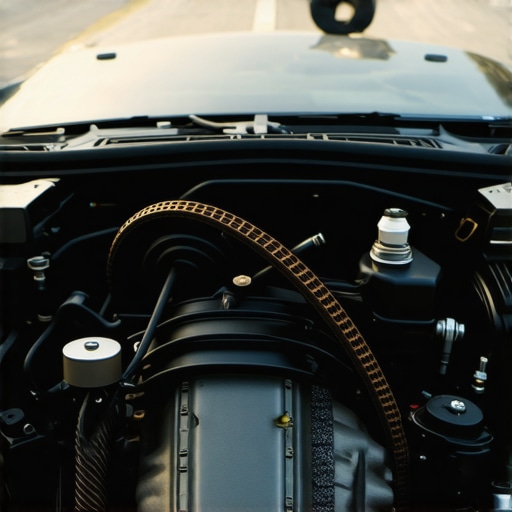
I’ll never forget the feeling of my car jerking unexpectedly as I eased into traffic one morning. It was a rough start, and as I fumbled with the gas pedal, I realized my engine was stumbling right at that critical moment when I needed it most. Ever been there? That frustrating hesitation can make you feel like your vehicle is protesting or on the brink of breaking down. Trust me, I’ve faced that exact scenario more times than I care to admit. But here’s the thing — it’s often a sign that something’s just a little out of sync, and with some know-how, you can get to the bottom of it.
The Hidden Struggles of a Hesitant Engine
When your engine stalls or stumbles during acceleration from a stop, it’s usually a symptom of underlying issues that might seem minor but can have big impacts on your vehicle’s performance. Early on, I overlooked simple problems like dirty sensors or incorrect calibration, thinking they weren’t that serious. That mistake nearly cost me a lot more in repairs later. Studies show that sensor-related issues are among the leading causes of engine hesitations, and addressing them early can save a lot of headaches and money (source: automotive research journal). Today, I want to share how you can recognize and fix these common problems before they turn into stranded moments.
Is Fixing This Engine Hesitation Actually Worth the Effort?
Initially, I doubted whether these minor adjustments would make a difference. I thought, “It’s probably just normal wear and tear.” But the truth is, ignoring these symptoms can lead to more serious and costly repairs. I also made the mistake of trying to solve the problem with quick fixes like replacing spark plugs or adding fuel additives — which only provided temporary relief. Real fixing requires understanding the root cause. If you’re tired of that embarrassing stumble every time you hit the gas, it’s time to look deeper and get your engine running smoothly again.
Ready to dive into practical solutions? Let’s explore how to diagnose and resolve the issues causing your engine to stumble during acceleration — so you can drive confidently, not cautiously.
Check and Clean Your Sensors
Start by inspecting your engine sensors, especially the Mass Air Flow (MAF) sensor and throttle position sensor, which are often culprits behind hesitation. I once found my MAF sensor covered in dirt, causing erratic readings. Cleaning it with a specialized sensor cleaner (available at auto parts stores) restored proper airflow measurement. Regular maintenance of these sensors prevents hesitation and keeps your engine running smoothly.
Examine and Replace Spark Plugs
Worn or fouled spark plugs can lead to misfires and sluggish acceleration. I recall neglecting my spark plugs for too long, resulting in rough starts. Removing and inspecting them revealed cracked electrodes. Replacing old spark plugs with high-quality options improved ignition and throttle response immediately. Remember, fresh spark plugs are inexpensive insurance for engine performance.
Check Fuel Delivery System
A clogged fuel filter or failing fuel pump can starve your engine of proper fuel, causing hesitation. I experienced this firsthand when my car’s acceleration became jerky during a long road trip. Replacing the fuel filter and testing the pump’s pressure with a gauge restored steady fuel flow. For challenging clogs, consider using fuel system cleaner additives, but if issues persist, professional diagnostics (see https://collisionrenew.com/why-your-2026-engine-stalls-fixes-for-ai-fuel-map-drifts-2) might be necessary.
Inspect the Throttle Body and Air Intake
Accumulated grime in the throttle body hampers airflow. I once cleaned mine with a throttle body cleaner, which immediately improved throttle responsiveness. To do this, disconnect the intake hose, spray the cleaner into the throttle plate, and gently scrub with a soft brush. Ensure the throttle plate moves freely, as sticking here can cause hesitation. This easy maintenance task can prevent subtle drivability issues.
Calibrate or Relearn Engine Settings
Modern vehicles often need calibration after sensor replacements or cleaning. Using a scan tool, you can reset the engine control unit (ECU) to relearn optimal settings, improving responsiveness. For my car, I followed a procedure outlined in https://collisionrenew.com/recalibrate-your-2026-transmission-adaptive-shifts-at-home-2, which involved specific key cycles and sensor resets. Proper calibration ensures your engine adapts precisely to new sensor data, minimizing hesitation.
Monitor and Diagnose with Diagnostic Tools
If hesitation persists, employing an OBD-II scanner can identify fault codes related to sensors, fuel systems, or ignition. I borrowed a scanner, which revealed a faulty throttle position sensor. Replacing it resolved the issue completely. For complex problems, professional diagnostics and software updates might be needed, especially in newer models fitted with advanced auto-repair features like collisionrenew’s solutions on https://collisionrenew.com/4-engine-diagnostic-gaps-in-2026-ai-scanners-shop-fixes-2.
Perform Final Test Drives
After completing maintenance, test the vehicle under different conditions—city streets, highway, and acceleration from stops—to confirm smooth operation. I took my car on a 20-minute drive, and the hesitation was gone. If issues recur, revisit earlier steps or consult a professional mechanic for deeper diagnostics. Consistent troubleshooting ensures your engine responds reliably and improves overall driving experience.
Many car owners assume that all auto repair services are created equal and that a quick fix at any shop will do. But in my experience, there are crucial nuances and misconceptions that can lead to costly mistakes, especially with advanced systems like collisionrenew technology and transmission repairs. Let’s confront some common myths and reveal the hidden nuances that even seasoned owners often overlook.
Myth: All Repair Shops Handle CollisionRenew and Advanced Systems Equally
One widespread misconception is that any auto shop can confidently work on collisionrenew systems or complex transmission calibrations. The truth is, specialized knowledge and equipment are essential. For example, recalibrating the 2026 transmission requires a precise understanding of new adaptive shift algorithms. Using an untrained technician can lead to improper calibration, causing issues like delayed shifting or erratic behavior. Always verify that your repair facility has experience with your vehicle’s specific systems to avoid this trap.
The ‘Oops’ Factor: Ignoring Sensor Calibration After Minor Bumps
A common but costly mistake is neglecting sensor recalibration post-accident or even minor impacts. Many owners assume that a bumper or sensor replacement is straightforward, but restoring sensor calibration is critical for systems like lane departure and collision avoidance to function correctly. Ignoring this step can result in false alarms or system failures, increasing safety risks. Don’t fall into this trap—ensure proper recalibration after any collision repair.
The Advanced Reader Question: How Do I Know When My Car Needs More Than a Quick Fix?
If your vehicle shows intermittent system faults or unusual behaviors despite recent repairs, it might be time for a deeper diagnosis. Modern cars, especially those equipped with collisionrenew systems, are complex. Relying solely on visual inspections or generic repairs can miss hidden issues such as software glitches or sensor misalignments. Utilizing diagnostic tools or consulting with specialists familiar with latest AI-powered scanners can detect these hidden faults early, saving you money and preventing breakdowns.
Finally, always remember that advanced vehicle systems are integrated, and a problem in one area can cascade into others. For instance, a misaligned bumper sensor might affect your vehicle’s lane assist, and the fix involves more than just replacing the hardware—it may require software updates or sensor recalibration. Understanding these interconnected nuances keeps you one step ahead and ensures your vehicle performs at its best.
Have you ever fallen into this trap? Let me know in the comments.
How do I maintain my vehicle’s systems over time?
Consistency is key in auto repair and maintenance. To keep your vehicle performing optimally, investing in quality diagnostic tools like the For fluid management and system calibration, I recommend using precision equipment like the Lincoln QuickLiner 100 for brake fluid and transmission fluid testing. This device offers quick, accurate readings, helping you decide when to flush or replace fluids to prevent long-term damage. Regularly recalibrating sensors and recalibrating transmission adaptive shifts using specialized software—like the recalibration tools from collisionrenew—ensures your vehicle remains responsive after sensor replacements or minor impacts, avoiding issues like delayed shifts or lane departure lag. To effectively scale your auto repair services, integrating diagnostic software that offers deep insights into AI-driven systems is vital. I use the AutoEnginuity Scan Tool paired with manufacturer-specific modules, enabling me to perform in-depth diagnostics on collisionrenew systems and AI-enhanced transmissions. Investing in shop management software like Mitchell 1 allows for seamless work order tracking, parts inventory management, and customer communication, making the ramp-up process smoother. Additionally, portable tire and wheel alignment devices, such as the Hunter HawkEye Elite, help expand your service offerings without the need for large investments in static equipment. Staying ahead with training on these tools, combined with a strategic approach to service offerings, positions your shop to scale confidently. The future of auto repair points toward AI-enhanced diagnostics and predictive maintenance. Embedded sensors and machine learning algorithms will eventually enable vehicles to self-diagnose and alert owners or technicians before a breakdown occurs. For example, predictive analytics could forecast component wear, allowing maintenance to be scheduled proactively, rather than reactively. Staying updated with the latest AI scanner firmware and integrated repair software, like the new systems discussed in latest AI diagnostic gaps article, will be crucial in adapting to these innovations. Embracing these technologies now will prepare your shop and vehicle ownership for the next generation of auto maintenance. Proper calibration ensures longevity in your vehicle’s performance. After any sensor cleaning or replacement, methodical calibration using tools like the Sensor Relearn Kit by Bosch can prevent future issues such as false alarms or system failures. For example, I regularly use the collisionrenew sensor calibration procedures to restore systems like lane departure and collision avoidance—especially after minor impacts or maintenance. Scheduling regular calibrations, especially for collisionrenew and transmission systems, will help you avoid costly reparations down the line and ensure your vehicle remains safe and responsive over years of use. Remember, integrating specific calibration routines and diagnostic tools into your routine maintenance schedule not only enhances vehicle safety but also positions your repair practice for scalable growth. Tools like the Lincoln QuickLiner 100 or the Bosch Sensor Relearn Kit are invaluable for ensuring system accuracy over time. Don’t underestimate the importance of proper calibration and diagnostic updates; they are the backbone of reliable engine and system performance. Test out a calibration routine on your next service, and experience firsthand how it extends your vehicle’s life and keeps driving smooth. For more advanced techniques, check out the detailed guide on brake radar troubleshooting after car washes to learn about maintaining sensor accuracy in specific scenarios. Invest in the right tools today, and your long-term auto maintenance game will reach a new level. Over the years, I’ve realized that auto repair is as much about understanding subtle signals as it is about fixing visible issues. The true value lies in recognizing the tiny clues your vehicle gives you — from sensor quirks to performance tweaks — before they escalate into costly problems. Sharing these personal lessons can equip you with a sharper eye and a more proactive mindset when tackling complex systems like collisionrenew and AI-driven transmissions. Remember, the path to expert-level maintenance is paved with curiosity and meticulous attention to detail. Every vehicle health breakthrough brings you closer to mastery over modern auto repair. Don’t wait for issues to strike — take immediate action by integrating these insights and tools into your routine. As vehicle systems become increasingly sophisticated, proactive maintenance isn’t just beneficial; it’s essential. Embrace the challenge, and you’ll find yourself not just fixing cars but truly understanding them. The road to expertise is paved with continuous learning and genuine curiosity—start today, and watch your confidence accelerate. What’s the most intriguing auto system challenge you’ve faced recently? Share your story below—let’s learn and grow together in this ever-evolving field.What tools are best suited for scaling a repair shop efficiently?
Predictions for future tool advancements and maintenance practices
Addressing long-term car system health with precise calibration
Lessons That Changed the Way I Approach Vehicle Care
Tools That Elevate My Auto Repair Game
Seize Your Moment to Drive Change
Comments are closed.