
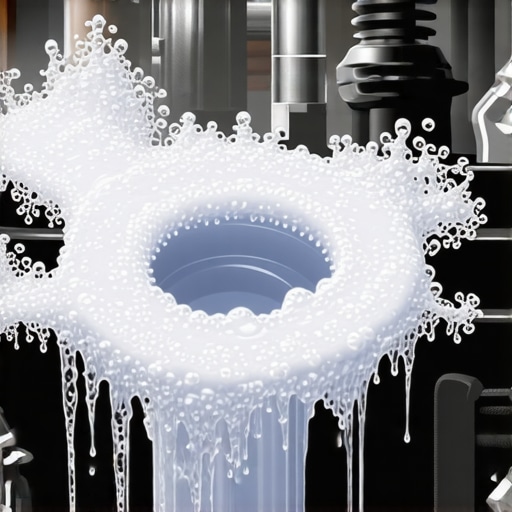
It was a chilly morning when I decided to head out for a quick errand, only to notice a strange bubbling sound coming from my car’s engine bay. The smell of burnt oil wafted through the vents, and my heart sank. Could it be something as simple as a fluid leak, or was a more serious problem brewing?
Getting to the Bottom of Bubbling Transmission Fluid
That lightbulb moment made me realize how many drivers overlook warning signs like bubbling transmission fluid. It’s not just an oddity; it’s a sign that something’s not quite right under the hood. Over the years, I’ve learned that understanding what bubbling fluid indicates can save you from costly repairs down the line. Today, I promise to demystify this common yet often misunderstood issue and guide you through the steps to diagnose and address it effectively.
Is Bubbling Transmission Fluid Really That Serious?
Early on, I made the mistake of dismissing bubbling fluid as a minor anomaly. Spoiler alert: it’s often a symptom of overheating or old, degraded fluid. When transmission fluid bubbles, it’s usually a sign that the fluid is boiling, which can lead to slipping, rough shifting, and even complete transmission failure if ignored. According to a report by the Car Care Council, failing to maintain proper transmission fluid levels and quality is one of the leading causes of transmission failure, costing hundreds to repair or replace.
One thing I want to emphasize — never ignore unusual signs like bubbling because they’re your vehicle’s way of warning you about underlying issues. A quick inspection or consultation with a trusted auto repair shop can make all the difference. And if you’re curious, I’ll also share common mistakes I’ve made early in my car-owning journey that you should definitely avoid. So, if you’ve noticed your transmission fluid bubbling or smelling burnt, keep reading — your car’s health depends on it.
Next, let’s explore what causes bubbling in transmission fluid and how you can identify the root of the problem before it spirals into a full-blown crisis.
Check Transmission Fluid Levels and Condition
Begin by locating your transmission dipstick, usually near the back of the engine bay. Make sure the engine is warm and idling. Pull out the dipstick, wipe it clean, then re-insert and remove it again to check the fluid level. If the fluid appears low, topped with fresh fluid to the recommended level can solve minor overheating issues. However, if it’s dark, gritty, or smells burnt, a fluid change is necessary, as degraded fluid can cause bubbling and overheating. When I faced bubbling fluid last summer, I initially just topped it up but later realized I needed a full flush after noticing the burnt smell intensify. Doing this prevented a costly transmission rebuild.
Inspect for Overheating and Leaks
Overheated transmission fluid expands and boils, creating bubbles. To verify overheating, feel the transmission pan for excessive heat or check for coolant leaks around the transmission cooler lines. A crucial step is to examine the cooling system, especially if your vehicle consistently runs hot. Like in my case, a clogged radiator wasn’t cooling the transmission, which led to overheating. Cleaning or replacing radiator components improved system health. For detailed radiator issues, see this article on cooling system failures: Why your engine temperature spikes only when the AC is on.
Test Transmission Shifting Performance
Drive your car on a safe route with light traffic to evaluate shifting. If you notice slipping, rough shifts, or unresponsiveness, bubbling fluid might be the culprit. In my experience, a shuddering shift after quick stops indicated overheating. Monitoring shifts can reveal if fluid boiling is affecting operation. If shifts are rough, or the vehicle lunges forward when shifting into drive, these signs point towards fluid issues: Why your car lunges forward when shifting into drive.
Perform a Visual Inspection of Transmission Components
Remove the transmission fluid pan (ensure the vehicle is cool and safely lifted). Look for metal shavings or burnt debris in the fluid, which indicate internal wear. Check hoses and cooler lines for cracks or leaks. A cracked cooler line could cause overheating and bubbling; replacing these lines effectively prevents recurring issues. I once discovered a small crack in a cooler line during maintenance, which was causing heat exchange failure. Replacing it restored normal fluid temperature.
Consider Professional Diagnostics for Accurate Findings
If DIY checks reveal no obvious issues but symptoms persist, a professional scan tool can detect transmission faults and overheating alerts. Mechanics can perform pressure tests to assess fluid flow and valve operation, essential in complex cases. I learned this the hard way when my car’s symptoms were subtle; a mechanic diagnosed a failing transmissive solenoid that caused bubbling under load. Regular inspections and fluid analysis prevent small issues from escalating into major repairs.
Know When to Seek External Help
If you notice persistent bubbling despite your efforts, or if the transmission is slipping or making unusual noises, it’s best to consult a professional. Ignoring it can cause severe damage, like gear slippage or complete transmission failure. For specific symptom diagnosis, review this guide: Why your transmission slips only when the engine is warm. Prompt action saves money and preserves vehicle reliability.
Many car owners operate under common myths that can lead to costly mistakes. One prevalent misconception is that all transmission issues stem solely from low fluid levels or dirty fluid. However, in my experience, overlooking the nuances of transmission care can cause more harm than good. For instance, some believe that regular fluid flushes are unnecessary if the vehicle seems fine, but recent studies suggest that premature fluid changes can actually disrupt the delicate balance of transmission lubrication, potentially leading to shifts that feel notchy or delayed.
Another trap lies in assuming that shiny new parts always mean proper maintenance. While fresh brake pads or filters might look appealing, installing them without diagnosing the root cause can result in recurring problems. For example, replacing worn brake pads without checking calipers or rotors might temporarily solve squealing sounds but won’t address the underlying issues, leading to uneven wear and even dangerous brake fade.
Could Small Ignored Details Lead to Big Repair Bills? Dive Into the Nuances
Absolutely. Many drivers miss the subtle signs that hint at deeper issues. A creaking steering wheel at low speeds could be dismissed as simple wear, but it might indicate misaligned or worn suspension components that could compromise safety if left unaddressed. Similarly, a car pulling slightly to one side after a minor fender bender isn’t always just an alignment issue; it could be a bent steering rack or damaged control arm, which require more specialized attention. Recognizing these fine details is essential to prevent minor repairs from escalating into major overhauls. According to expert mechanic Mike Phillips from AutoServiceWorld, paying attention to the seemingly insignificant clues can save owners hundreds, or even thousands, of dollars in the long run. For instance, ignoring dark brake fluid, which often contains moisture, can cause rusting within calipers and brake lines, ultimately leading to brake failure. Learn more on how dark brake fluid can silently undermine braking performance by visiting this article on dark brake fluid hazards: The Hidden Danger of Dark Brake Fluid.
Beyond fluids and visible wear, sophisticated systems like adaptive cruise control and collision avoidance sensors require precise calibration after minor impacts or repairs. A misaligned sensor might cause false warnings or reduce effectiveness, yet many overlook this nuance, risking safety and vehicle efficiency. Professional recalibration using advanced diagnostic tools can restore optimal function, which is something DIY methods often miss. This careful attention to calibration can be the difference between getting hit from behind in a brake accident or safely avoiding it.
Ultimately, understanding these detailed nuances and debunking common myths equips you to approach vehicle maintenance with a more critical eye. Don’t let misconceptions lead you astray—invest in proper diagnostics and expert assessments when needed. Have you ever fallen into this trap? Let me know in the comments.
Keeping Your Car Running Smoothly: My Recommended Toolkit
As someone deeply involved in auto repair and maintenance, I’ve come to depend on a core set of tools that ensure my vehicle stays reliable over the years. Investing in quality equipment doesn’t just save money—it guarantees safety and peace of mind. One of the first items I rely on is a digital multimeter, specifically the Fluke 117. It allows me to diagnose electrical issues accurately, from battery health to sensor malfunctions, avoiding guesswork that often leads to unnecessary replacements. Coupled with this, I use a high-quality scan tool like the AutoEnginuity ScanTool, which provides real-time data and error code analysis, essential for understanding complex systems like transmission or ABS modules.
The Power of Proper Diagnostics
Tools are only as good as the methodology behind their use. I recommend pairing your diagnostic devices with a detailed maintenance log. This record helps you spot patterns—such as recurring warning codes or shifting irregularities—that might otherwise be dismissed. Regular software updates for your scan tools are crucial; manufacturers often release patches that expand fault code databases and improve accuracy. Looking ahead, I believe AI-driven diagnostic systems will become a standard, enabling even novice mechanic enthusiasts to perform sophisticated repairs with guided instructions, much like professional setups.
DIY Maintenance Tricks You Should Try
One advanced tip is performing a complete transmission fluid flush using a flush machine—not just a drain-and-fill. This process replaces 100% of the fluid, significantly reducing sludge buildup and thermal breakdown, which are common causes of shifting issues and overheating. I personally use the Lisle 69700 Transmission Flush Machine, which connects directly to the transmission cooler line. It’s a bit of an investment, but it pays off by extending transmission life and improving performance. Always remember, when working with fluid systems, safety precautions are essential; wear gloves and eye protection.
How do I maintain vital components over time?
Maintaining integral parts like brake rotors or steering components requires more than just adding fluids. Regular visual inspections—looking for rust, uneven wear, or leaks—can save you from sudden failures. For brake assemblies, I check for dark, gritty brake fluid, which indicates moisture contamination; replacing it promptly can prevent rust and caliper seize-ups. For steering systems, keep an eye on creaking noises or vibrations that might signal worn ball joints or unlubricated bushings. Staying proactive with these visual cues ensures your vehicle remains safe and efficient.
Tools I Use for Precision and Durability
Beyond diagnostic gadgets, I rely on premium socket sets like the Craftsman 93-piece Master Set, which includes specialized sockets for stubborn fasteners. Using quality tools minimizes damage or stripping bolts, especially in tight engine bays. An LED work light such as the Lumitec LEDX allows me to see clearly during nighttime repairs, reducing mistakes. For system-specific calibration—like resetting collision sensors after repairs—I employ a dedicated calibration unit from Bosch, which ensures sensors are aligned to factory specifications, preventing false alerts or system failures. Proper calibration is critical, especially for safety systems, and using the correct tools streamlines the process.
The Future of Vehicle Maintenance
Looking forward, I see a trend towards integrated, cloud-connected diagnostic systems that can sync with mechanic networks for instant updates and recalls. Augmented reality glasses may assist technicians in complex repairs by overlaying service instructions directly onto the engine bay. Staying ahead means investing in adaptable tools and always learning. For example, daily maintenance practices like checking coolant and brake fluids with a refractometer can confirm fluid purity and prevent component corrosion—something I recommend every car owner add to their routine.
If you’re serious about making your vehicle last longer and run better, I highly suggest trying a transmission fluid flush with a dedicated machine like the Lisle 69700. It’s an effective way to prevent overheating and gear slipping, especially if your vehicle exhibits any signs of transmission trouble. Remember, mastering your tools not only saves money but elevates your confidence on the road and in the garage.
What I Wish I Knew About Avoiding Sudden Repairs
- One of my hardest lessons involved neglecting small signs, like a faint smell of burnt oil, which later led to extensive transmission work. Recognizing the cues early, such as bubbling fluid, can save you from costly repairs.
- I’ve learned that every vehicle has unique quirks—what’s normal for one might be a warning for another. Keeping a detailed maintenance log helps identify these patterns and prevents surprises on the road.
- My mistake was assuming that quick fixes, like topping off fluid, would solve deeper issues. Full diagnosis, including system pressure tests, often reveals underlying problems that simple fixes can’t address.
Tools and Tricks That Changed My Approach to Car Care
- Using a high-quality scan tool combined with a durable digital multimeter gave me insights into electrical and fluid system health, making repairs more precise and less guesswork.
- I swear by a transmission flush machine for thoroughness—replacing 100% of the fluid keeps the system running smoothly and preserves transmission life. It’s an upfront investment that pays dividends.
- Calibrating sensors and recalibrating the vehicle systems after repairs ensure safety features function correctly. Proper calibration tools, like those from Bosch, have become essential in my toolkit.
Embrace Every Step: Your Next Move Matters
Remember, understanding transmission health isn’t just about reacting to problems—it’s about proactive, informed maintenance. Your vehicle’s longevity depends on paying attention to these often-overlooked signs and investing in proper diagnostics. Don’t wait for a breakdown—take control now and enjoy peace of mind on every drive.
Have you ever missed a subtle warning that turned into a big repair? Share your story below—I’d love to hear your lessons and tips!