
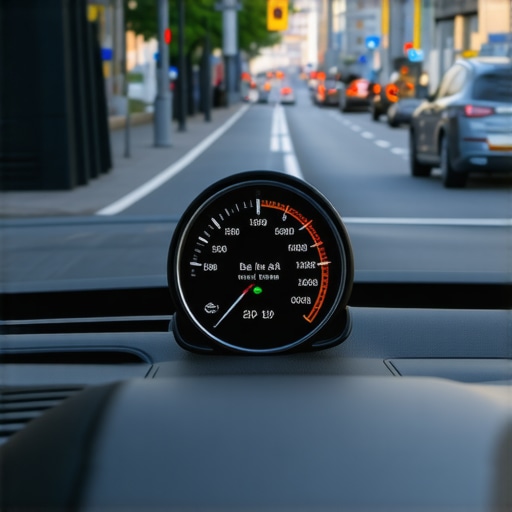
It was a scorching summer day when I noticed my engine temp gauge creeping dangerously high as I idled in rush-hour traffic. Frustration bubbled up—my car was just sitting still, yet the needle was dancing like a marionette. I’d dealt with overheating before, but only during long drives or hot days, never just idling. That lightbulb moment hit hard: why was my engine overheating only when I was stuck in traffic?
The Frustration of Idle Overheating
If you’ve ever experienced that unsettling climb of your engine temperature gauge while waiting in line or at a red light, you know how nerve-wracking it can be. It’s almost like a scare tactic designed by the universe—”Hey, your car isn’t happy, even when it’s just sitting still!” And if you’re like me, you might have initially thought it’s a faulty gauge or a temporary glitch. But after some digging, I realized this isn’t an isolated quirk; it’s a common, yet often misunderstood, issue that points to underlying cooling system problems.
What’s behind this sneaky spike? Well, numerous factors can cause your engine to heat up solely during idling—blocked radiator fins, failing thermostats, or even coolant flow issues. The good news is, these are fixable, and understanding the root cause can save your engine from serious damage.
Could This Be Worth the Worry? My Early Mistake
In my early days of auto troubleshooting, I thought a fluctuating gauge was harmless if I wasn’t driving hard or towing. I ignored small temperature spikes, assuming modern cars were built to handle a bit of traffic-induced heat. I was wrong—underestimating the importance of proper coolant circulation and radiator maintenance can be a costly mistake. For example, I neglected to check my coolant level, which is crucial in preventing overheating at idle. Learning from that, I now always ensure my coolant system is in top shape.
If this sounds familiar, and your engine temp gauge rises only when the car’s in park or creeping in traffic, don’t ignore it. There are practical steps and diagnoses we’ll explore to keep your engine cool—and your peace of mind intact. Curious how to combat this issue? Keep reading, because fixing it is often simpler than it seems, and it can prevent costly repairs down the road.
For more on how to restore sensor accuracy after minor impacts, check out [CollisionRenew’s guide on sensor calibration](https://collisionrenew.com/3-ways-collisionrenew-restores-sensor-calibration-after-a-bumper-tap). Now, let’s dive into the common causes and straightforward fixes for this idle overheating conundrum.
Inspect and Clean the Radiator Fins
Start by turning off your engine and letting it cool. Open the hood and locate the radiator at the front. Use a soft brush or compressed air to gently remove debris, leaves, or dirt lodged between the fins. Think of the radiator as a sponge that needs to breathe; clogged fins trap heat. During my own experience, a simple cleaning reduced my idle temperature spike significantly. Regular cleaning prevents overheating during traffic jams and prolongs radiator lifespan.
Check the Coolant Level and Condition
Next, ensure your coolant is adequate and in good condition. Remove the radiator cap (only when the engine is cool) and inspect the level—it should be near the top. If low, top it off with the appropriate mix of coolant and distilled water. If the coolant appears dark or sludgy, consider flushing the system. Imagine coolant as the bloodstream of your engine; clogged or insufficient fluid hampers heat dispersal. I once neglected this step, leading to overheating; after a flush, my engine ran cool even in heavy traffic.
Test the Thermostat Functionality
The thermostat acts as a gatekeeper, regulating coolant flow. Remove the thermostat and place it in hot water to see if it opens at the correct temperature (consult your vehicle manual). If it stays closed or opens too late, replace it. It’s akin to a door that needs to open to let heat escape; a stuck thermostat traps excess heat. When I replaced my faulty thermostat, my engine temperature stabilized at idle, avoiding dangerous spikes.
Inspect Coolant Pump and Hoses for Blockages
Check the water pump to see if it’s turning smoothly; listen for whining noises or leaks. Also, examine hoses for cracks, swelling, or obstructions. A clogged pump or damaged hose can restrict coolant circulation, similar to a clogged artery starving your engine of cooling blood. During a repair, I found a collapsed hose reducing coolant flow—replacing it restored normal operating temperatures.
Address Fan Operation and Electrical Components
Your radiator fan kicks in to cool the coolant when the engine reaches a certain temperature. Test this by warming up the engine and observing if the fan activates. Verify the fan relay, temperature sensor, and wiring for faults. Think of the fan as a fan in a greenhouse—necessary to prevent overheating. I once replaced a faulty temperature sensor, which caused the fan to run constantly and kept my engine cool during idling.
Monitor and Prevent External Blockages
Finally, park your vehicle in shaded areas and avoid blocking the radiator grille with items or debris. External airflow is as vital as internal cooling systems. During a heatwave, I made sure not to park too close to dusty construction sites; a dusty radiator can impede heat dissipation, leading to idle overheating. Regularly inspecting and removing debris keeps your cooling system effective and prevents unexpected breakdowns.When it comes to auto repair, many car owners believe they know the basics: get a brake pad replacement, fix transmission issues, or restore sensors after a minor bump. However, this common misconception often leads to overlooked nuances that can compromise your vehicle’s longevity and safety. Let’s explore what most people get wrong about CollisionRenew, car service, transmission, brake service, and auto repair, and why paying attention to these details can save you significant money and stress.
Why Relying Solely on Visual Inspections Can Be Deceptive
Many assume that if a bumper looks fine after a collision, everything else is untouched. But invisible damage, like minor frame twists or sensor misalignments, can cause ongoing issues. CollisionRenew emphasizes the importance of comprehensive diagnostics that go beyond the surface, ensuring that sensors are correctly calibrated and structural integrity is maintained. The myth that a slight misalignment doesn’t matter is false; small damages can escalate if ignored.
Overlooking Calibration During Repairs Is a Costly Mistake
It’s tempting to think that replacing a bumper or fixing a paint mismatch is the end of the process. However, many underestimate the criticality of recalibrating collision sensors and backup cameras afterward. For instance, failing to restore sensor accuracy can result in false collision warnings or malfunctioning safety features. Consult guides like CollisionRenew’s sensor calibration techniques to understand this nuance better.
Advanced Mistakes: Ignoring the Effects of Minor Damage on Complex Systems
Some complex issues—like subtle transmission hunting or uneven brake pedal feel—are often dismissed as minor. But these symptoms sometimes stem from underlying, unnoticed damage. For example, a minor collision can misalign the vehicle’s frame, affecting sensor inputs or causing uneven wear. Recognizing these early signs by consulting specialist resources reduces the risk of costly repairs later. And remember, even a seemingly insignificant bump can trigger issues like false airbag deployment or steering vibrations, as discussed in this detailed breakdown of steering vibrations after minor collisions.
Is This Just About Fixing Damage or About Preventing Future Problems?
The real benefit of understanding these nuances is not just fixing what’s broken but proactively preventing future failures. For example, regular system checks and calibration after minor incidents preserve safety features and maintain vehicle performance. Avoid the trap of thinking repairs are a one-and-done task; ongoing maintenance and awareness of subtle signs keep your car running smoothly. For example, post-collision sensor adjustments, like those described in CollisionRenew’s sensor recovery methods, are vital in this regard.
In summary, the hidden nuances in collision repair and auto service involve more than the obvious damage. Recognizing the importance of calibration, understanding complex system interactions, and committing to ongoing diagnostics ensure your vehicle stays safe and reliable. Have you ever fallen into this trap? Let me know in the comments and share your experiences!
Maintaining your vehicle’s optimal performance requires more than just basic knowledge; it demands the right tools, consistent upkeep, and a proactive approach to long-term health. For any serious car enthusiast or professional mechanic, investing in specialized equipment is crucial to diagnose and fix issues effectively. I personally rely on a digital multimeter to check sensor voltages and troubleshoot electrical problems swiftly, avoiding unnecessary trips to the shop. A high-quality scan tool like the Autel MaxiCOM sets the foundation for thorough diagnostics, especially when dealing with complex systems such as collision sensor calibrations, which, as covered in this guide, often require precise adjustments to restore full functionality. Additionally, a hygrometer for measuring moisture levels in coolant reservoirs helps prevent corrosion and overheating issues that could escalate over time. These tools, paired with regular maintenance routines—such as fluid flushes, belt inspections, and brake pad checks—significantly extend your vehicle’s lifespan. Regularly updating diagnostic software ensures your scan tool stays compatible with new car models and software versions, a step I never skip. Predicting where auto technology is heading, we see more integration of AI-driven diagnostics and wireless connectivity, enabling remote assessments and predictive maintenance. To stay ahead, I recommend getting familiar with cloud-based diagnostic platforms and keeping your software updated. How do I maintain my vehicle’s reliability over time? Consistency and attention to detail are key. Scheduling routine checks for the cooling system, brake components, and transmission fluid prevents minor issues from becoming costly repairs. I also swear by using a brake fluid tester like the Test Kit from Mityvac, which accurately measures moisture content and helps decide when a flush is due. Moreover, staying informed through trusted resources and manufacturer bulletins ensures you’re aware of recalls, software updates, and special maintenance tips. Remember, performing these checks yourself, armed with reliable tools and current knowledge, not only saves money but also gives you peace of mind. Try one of these proactive steps—perhaps inspecting your coolant with a hygrometer or updating your diagnostic software—and experience the difference in your vehicle’s performance.
The Hidden Lessons From My Overheat Mystery
One pivotal insight I discovered was how critical routine coolant checks are, especially before heading into busy traffic. Small habits like inspecting radiator fins or coolant levels can prevent hours of stress and costly repairs. Additionally, I learned that paying attention to subtle signs—like a slightly cold engine or an unusual smell—can signal impending trouble that needs immediate attention. Another revelation was how proper diagnostic tools, such as a reliable scan tool, empower you to pinpoint issues faster—saving time and money. Finally, I realized that understanding your vehicle’s cooling system intricacies transforms frustration into confidence, turning you into your own car’s best advocate rather than just an observer of random breakdowns.