
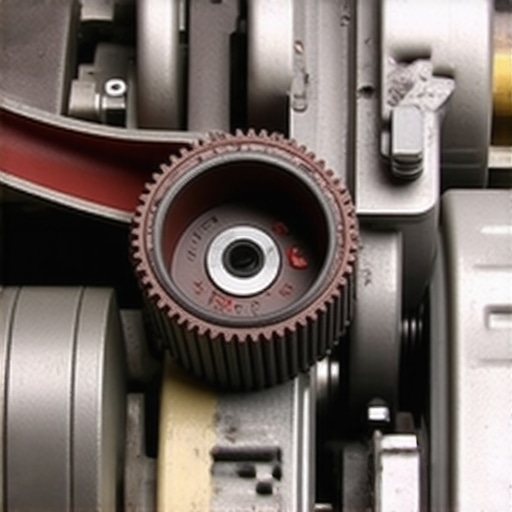
As I was pulling out of my driveway on a chilly morning, I heard a strange squealing noise from under the hood. Suddenly, my car lurched, and I realized I was stranded with a dead engine. That wake-up call made me seriously rethink how I was checking my vehicle’s health. It’s a frustrating moment that many car owners can relate to—being blindsided by a sudden breakdown that could have been prevented.
Why Your Serpentine Belt Tensioner Deserves Your Attention
Your vehicle’s serpentine belt is often overlooked until it squeals or fails altogether. But the tensioner—its unsung hero—keeps that belt tight and functioning smoothly. When the tensioner starts going bad, it doesn’t usually announce itself with a loud warning. Instead, it quietly wears down, risking a sudden failure that could leave you stranded or cause more extensive engine damage.
From personal experience, I learned that early signs are sneaky. I once dismissed a minor squeak as just a loose belt, only to find myself stranded a few weeks later. That mistake taught me the importance of paying close attention to the tensioner’s subtle cues. Interestingly, vehicle manufacturers estimate that about 75% of belt failures are preventable, provided you catch the signs early (source: [CollisionRenew](https://collisionrenew.com/why-your-transmission-slips-only-when-the-engine-is-warm)).
Recognizing the warning signs of a failing tensioner can save you money and frustration. Today, I’ll share my insights on how to identify these signs before your car leaves you high and dry. Knowing what to look for empowers you to keep your engine running smoothly and avoid costly repairs.
Are you tired of clutching your steering wheel, wondering if that squeal means trouble, or is your engine occasionally whining unexpectedly? If so, stay tuned—as we dive into the essentials of diagnosing a worn-out serpentine belt tensioner and how to address it early.
Identify Signs of a Worn Tensioner
Start by popping the hood and listening for squeals or chirps, especially during cold starts or when turning on accessories. These sounds often indicate that the tensioner isn’t maintaining proper belt tension. Recall a time I ignored a slight squeak; it quickly escalated to a breakdown, emphasizing the importance of early detection.
Perform a Visual Inspection
Look for cracks, fraying, or glazing on the serpentine belt. If the belt appears damaged, replace it before testing the tensioner. Use a flashlight to examine the pulley for rust or debris. I once found a pulley covered in debris, which caused irregular tension; cleaning the pulley restored proper function.
Check Belt Tension Manually
Use Your Hand for a Basic Test
With the engine off, press down on the belt at the midpoint of the longest span. It should have a slight give but not be too loose. If it feels overly slack, the tensioner may be failing. I once detected excessive looseness with a simple press, leading me to replace the tensioner promptly, avoiding a costly failure.
Observe Belt Movement While Engine Runs
Start the engine and observe the belt’s movement. A properly tensioned belt should have minimal slack and run smoothly. If you notice waviness or slipping, it’s a sign the tensioner isn’t keeping up. Always do this gently to avoid the belt snapping or pulley damage.
Test the Tensioner Pulley
Stop the engine, then try to wiggle the tensioner pulley by hand. It should move slightly but not wobble excessively. Excessive play indicates worn or damaged bearings. During my last check, a loose pulley prompted a quick replacement, saving my engine from potential damage.
Listen for Noises During Operation
While the engine is running, listen for grinding or squealing sounds near the tensioner pulley. These noises often signify failing bearings or pulley misalignment. Replacing worn bearings early can prevent sudden belt failure, much like replacing a worn-out bearing in a wheel to prevent it from seizing unexpectedly.
Use a Belt Tension Gauge (If Available)
For the most accurate assessment, employ a specialized tension gauge designed for belts. Follow the manufacturer’s instructions: apply the gauge at the belt’s midpoint and compare the reading to specifications. If your tensioner consistently shows low readings, it’s time for a replacement. I’ve used this method during a dealership visit, which confirmed my suspicions about a failing tensioner.
Replace or Adjust the Tensioner
If tests indicate a problem, you’ll need to replace or adjust the tensioner. This process involves releasing tension (if adjustable), removing the old pulley or assembly, and installing a new one. Always consult your vehicle’s manual for specific torque settings and procedures. During my repair, careful tightening and alignment prevented future issues, highlighting the importance of precision.
Double-Check Everything
After replacement, re-inspect the belt for proper seating and tension. Restart the engine and listen for abnormal sounds. A successful repair will have eliminated squeaks and maintained proper tension during operation. Remember, a well-maintained tensioner isn’t just about preventing breakdown; it’s about keeping your engine components running smoothly, much like maintaining your heartbeat to stay healthy.
 When it comes to automotive care, many car owners rely on common advice like “follow the manufacturer’s service schedule” or “trust your mechanic”. However, as a seasoned auto repair professional, I’ve seen the pitfalls of oversimplified beliefs that can lead even the most diligent owners astray. Let’s analyze some underrated nuances and myths that often cause confusion and sometimes costly mistakes.
### Why Believing All Auto Repairs Are Created Equal Is a Dangerous Myth
Many assume that all auto repairs and services are straightforward and standardized. But in reality, the quality and longevity of repairs depend heavily on proper diagnostics, the quality of parts used, and the technician’s expertise. For instance, replacing brake pads without inspecting the rotors can lead to uneven wear or even brake failure upon the next emergency stop. Ignoring the importance of precise diagnosis can be a costly mistake—something that a detailed assessment can prevent.
### The Overlooked Role of Proper Fluid Maintenance
Everyone knows that engine oil needs regular changing. Yet, many overlook the significance of transmission fluid, coolant, and brake fluid maintenance. Contrary to the common belief that these fluids last forever, neglect can cause severe damage. For example, contaminated brake fluid can lead to spongy brake pedals, which might result in catastrophic brake failure. It’s a trap to think that only engine oil needs regular attention; comprehensive fluid checks are essential for vehicle safety and reliability.
### Bad Habits That Set You Up for Auto Repair Failures
A common misconception is that topping off fluids or postponing repairs saves money. But in many cases, these shortcuts exacerbate problems. For example, delaying brake service after noticing a squeal or soft pedal can escalate into warped rotors or even brake fluid leaks. Always remember, proper preventative maintenance is more cost-effective than emergency repairs.
### How Advanced Diagnostics Save You Big in the Long Run
While simple visual inspections can catch some issues, modern vehicles rely heavily on electronic systems that might hide complex problems. For instance, a blinking ABS light during rain isn’t just a nuisance; it indicates a deeper issue that might affect your vehicle’s safety. Advanced diagnostic tools can identify these hidden problems before they turn into costly breakdowns. Don’t fall for the trap of dismissing warning lights; understanding their real meaning can save you money and ensure safety.
### Are You Making These Auto Repair Mistakes Without Knowing?
Knowing the nuances and myths surrounding car maintenance is crucial. For instance, replacing parts without understanding the root cause—like fixing a squealing belt without inspecting the tensioner—can lead to premature failures. Moreover, trusting low-cost repairs without verifying the quality can backfire, especially when cheap parts compromise safety.
To avoid these pitfalls, always seek comprehensive diagnostics and trusted expertise. If you want more insights into specific auto issues, check out articles like [why your transmission slips only when the engine is warm](https://collisionrenew.com/why-your-transmission-slips-only-when-the-engine-is-warm) or how to test your fuel pressure without fancy tools.
Have you ever fallen into this trap? Let me know in the comments. Being aware of these hidden nuances helps keep your vehicle running smoothly and safely—don’t settle for surface-level fixes when deeper knowledge can prevent costly repairs.
Keep It Running: Tools I Trust for Auto Care
Maintaining a vehicle over time requires more than basic knowledge; it demands having the right equipment to diagnose, troubleshoot, and perform repairs effectively. I personally rely on a set of precision tools that give me the confidence to handle everything from minor adjustments to more complex issues. First and foremost, a high-quality digital multimeter is indispensable for diagnosing electrical problems, such as checking sensor outputs or testing fuses. I recommend the Fluke 115—it’s durable, accurate, and easy to use, which makes it ideal whether you’re a professional or an avid DIYer.
Another essential piece of equipment is a set of automotive scan tools, which connect to the vehicle’s OBD-II port. I prefer the BlueDriver scan tool because it offers comprehensive diagnostics, including emission system codes, live data, and even resets. For instance, when addressing issues like intermittent transmission slipping, as described in this article, having a reliable scan tool allows me to pinpoint the problem quickly and avoid unnecessary part replacements.
In addition, I always keep a digital torque wrench—I personally use a CDI 2503MFR600—to ensure that nuts and bolts are tightened to manufacturer specifications. Proper torque is crucial, especially when dealing with critical components like brakes or suspension parts, preventing damage and ensuring safety over the long term.
For a visual component, I use a quality inspection mirror and a small LED flashlight to access hard-to-see areas, such as the back of the engine bay or beneath the vehicle. These simple tools save me hours when inspecting belts, hoses, and wiring harnesses. When combined with a set of compressed air and cleaning brushes, I can prevent issues caused by debris and corrosion, prolonging component lifespan.
Next-Gen Tech for Smarter Maintenance
Looking ahead, I see vehicle diagnostics becoming even more integrated with smartphone apps and cloud-powered data analysis. This evolution will make diagnosing issues faster and more precise, even for complex systems like hybrid controls or advanced driver-assistance sensors. Staying updated with software updates from tool manufacturers will be key to leveraging these advancements.
How do I keep my vehicle’s transmission performing long-term?
Regularly consult your vehicle’s service manual and perform scheduled fluid changes with the correct type of transmission fluid. Additionally, invest in a quality transmission fluid tester or use the testing techniques outlined in this article to ensure your fluid remains clean and effective. Proper maintenance using these tools will extend transmission life and prevent costly repairs down the line. For example, a diligent inspection and fluid change can keep your transmission from slipping, especially in warm engine conditions where issues are more prevalent.
If you’re ready to elevate your maintenance game, try using a digital torque wrench for the next bolt tightening—precision matters. This small step can make a big difference in the longevity of your vehicle components, saving you money and hassle over time.
What Surprised Me Most About Car Maintenance Failures
One of the most eye-opening lessons I learned is that a seemingly minor issue, like a slow transmission shift or a squealing brake, can cascade into major repairs if ignored. Often, I found that the real cause was overlooked diagnostics or relying on generic advice without understanding specific vehicle nuances. Trusting quality tools and knowing the subtle signs helped me avoid costly surprises and gave me confidence in my auto care skills.
Gear Up with Tools That Make a Difference
From experience, having the right diagnostic equipment can be a game-changer. A dependable scan tool like BlueDriver has consistently helped me catch issues early, whether it’s a hidden ABS fault or a transmission code. Also, a precise digital torque wrench ensures I tighten components to manufacturer specs, preventing future failures. Leveraging these tools has empowered me to handle repairs confidently and extend my vehicle’s lifespan.
Embrace a proactive auto repair mindset
Every encounter with vehicle issues taught me to stay vigilant and proactive, especially when warning lights flicker or unusual noises appear. Regularly scheduled inspections and using diagnostic data inform better maintenance decisions. Remember, investing time in early detection not only saves money but also keeps you intimately connected with your vehicle’s wellbeing. Your proactive approach transforms car care from a chore into a rewarding experience, helping you enjoy safer, smoother rides every day.