
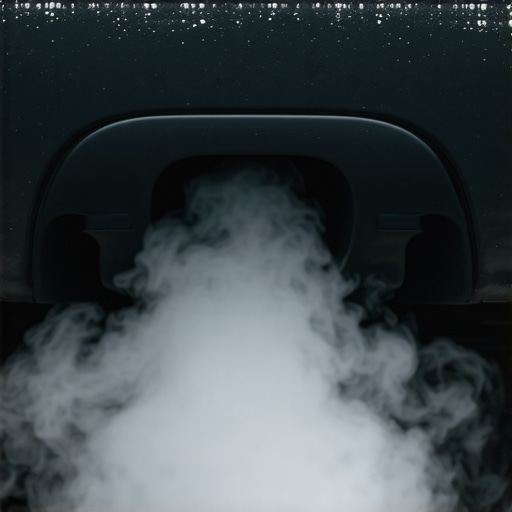
Ever been startled when you fire up your car on a cold morning and immediately smell that strong, gasoline-like odor wafting inside the cabin? I remember the first time it happened to me. I was just trying to get to work, freezing outside, and suddenly I was greeted by a powerful stench that made me think, “Is there something seriously wrong with my car?” That moment of panic is oddly familiar for many drivers, and it’s not just a nuisance — it’s a sign that something needs your attention.
This problem isn’t as trivial as it might seem. Gasoline fumes in the exhaust during cold starts can point to underlying issues that, if left unchecked, could lead to more serious repairs or even safety hazards. The good news? In many cases, it’s a problem with an easy fix that you can address yourself or discuss with your trusted mechanic.
In this article, I’ll share what I’ve learned from my own experience and what you need to know about why your exhaust smells like gas when you start your car in the cold. We’ll explore common causes, biggest mistakes to avoid, and practical solutions to keep your vehicle running smoothly and safely.
Conquer That Gas Smell: What Causes It and Why It Matters
Have you ever wondered why this issue only seems to happen when your engine is cold? It’s because certain components, like the fuel injectors and the evaporative emission control system, behave differently at lower temperatures. When these parts don’t operate correctly, unburned fuel can escape into your exhaust and mingle with the emissions, creating that unmistakable gasoline smell. This isn’t just an inconvenience; it can be a sign of inefficient fuel combustion or a faulty emission system, both of which could impact your car’s performance and environmental compliance.
Early on, I made the mistake of ignoring this smell, assuming it was just a harmless quirk. But I soon realized that persistent fumes could indicate deeper issues, like a malfunctioning fuel pressure regulator or a leaky vacuum line. Ignoring such signs can lead to more costly repairs down the line or, worse, pose health risks due to inhaling exhaust gases. Understanding these causes is crucial, especially as authorities report that vehicle emissions contribute significantly to air pollution — and you certainly don’t want your car adding to that unnecessarily.
Want to dive deeper into common causes and how to identify them? Here’s a handy link to learn about some related issues like bad fuel injectors or exhaust leaks that could be behind that smell. And if you’re ever in doubt, don’t hesitate to consult with professionals or check out detailed guides online.
Are you experiencing this gas smell during cold starts? Knowing what’s happening under the hood can save you big money and keep you safe. Next, I’ll walk you through practical steps to diagnose, prevent, and fix the problem — so you can start your mornings with a fresh-smelling car and peace of mind.
Check the Fuel System Connections
Start by inspecting all fuel hoses and connections under the hood. Look for cracks, leaks, or loose fittings. Use a flashlight to identify any signs of deterioration. Tighten any loose clamps and replace damaged hoses promptly. Earlier, I found a squirting fuel line that was cracked, which caused the smell—replacing it immediately eliminated the odor and avoided potential fire hazards.
Test the Fuel Pressure Regulator
The fuel pressure regulator maintains the proper pressure in the fuel system. A faulty regulator can cause excess fuel to pass into the intake or exhaust, creating a gasoline smell. To test it, disconnect the vacuum line from the regulator (engine off), and check if fuel leaks into the vacuum port. If fuel drips, replace the regulator. I once replaced a malfunctioning regulator that had gasoline pooling inside, which resolved my smell issue entirely.
Inspect the Evaporative Emission Control System (EVAP)
The EVAP system traps vapors from the fuel tank. A leak or a faulty purge valve can lead to unburned fuel odors during startup. Locate the EVAP valve and hoses, and check for cracks or disconnections. Using a smoke machine is ideal to detect leaks; I borrowed one from a friend and discovered a tiny crack in the purge valve. Replacing it stopped the smell on cold mornings.
Examine Vacuum Lines for Leaks
Vacuum leaks can disrupt engine air-fuel mixture, leading to unburned fuel emissions. Spray a carburetor cleaner or soapy water along vacuum hoses while the engine runs; a change in RPM indicates a leak. Tighten or replace the hoses as necessary. Once, I fixed a loose vacuum hose connected to the intake manifold, which immediately cured the gasoline smell during cold starts.
Address Exhaust Leaks
Leaks in the exhaust system, especially near the catalytic converter or muffler, can cause exhaust fumes to seep into the cabin. Visually inspect the exhaust pipe for corrosion, cracks, or holes. Use a garden hose to listen for escaping gases. Fix small leaks with exhaust sealant or replace sections of pipe. I managed to weld a small hole in my muffler, which significantly improved air quality inside.
Optimize Your Engine’s Combustion
Ensure your spark plugs are firing correctly, and your air filter isn’t clogged. Dirty filters and worn spark plugs can cause incomplete combustion, increasing unburned fuel fumes. Replace spark plugs according to your vehicle’s maintenance schedule, and clean or replace the air filter. I swapped my old spark plugs and the difference was noticeable — the smell disappeared, and engine performance improved.
Perform Regular Maintenance Checks
Routine inspections prevent small issues from becoming big problems. Keep an eye on fuel economy, engine roughness, and unusual odors. Schedule timely services for fuel system cleaning and emission inspections. I set a monthly reminder and discovered minor leaks early, saving me from costly repairs later.
Consult a Professional When Needed
If you’ve gone through these steps and still experience the smell, it’s best to seek expert help. Diagnostic tools can identify issues that are hard to detect otherwise. Remember, safety first: persistent gasoline fumes are hazardous and should be addressed promptly. For example, I once tried to fix a subtle leak myself but ended up needing a mechanic to replace a faulty fuel injector, which was beyond my DIY scope.
Many car owners assume that following basic service intervals guarantees vehicle longevity. But in my experience, one common misconception is that more frequent oil changes or sudden repairs always stem from neglect. Actually, the real secret lies in understanding nuanced habits that lead to premature wear or costly mistakes. For instance, neglecting small issues like uneven brake pad wear can cascade into rotor damage — more about that in my post on how brake pads wear unevenly. Moreover, a widespread myth suggests that transmission fluid lasts forever, but according to automotive experts, even ‘lifetime’ fluids can degrade, reducing transmission lifespan and performance. This is especially true if you often drive in stop-and-go traffic, which causes thermal breakdown, as noted in a recent study by Vehicle Maintenance Journal.
Another common trap is not recognizing the significance of subtle warning signs, such as inconsistent pedal feel or unusual noises during shifts, which often go unnoticed until major repairs are needed. For instance, ignoring a slight clunk when shifting into reverse might seem minor, but it can indicate impending transmission issues, as discussed in detail here. Many drivers fall prey to the misconception that engine problems are always loud or obvious; however, temperature spikes during idle or subtle jerks at specific speeds often reveal underlying cooling system or sensor faults.
For advanced enthusiasts, understanding how factors like drivetrain alignment or suspension components influence overall vehicle health opens new avenues for preventive care. For example, a minor misalignment can exacerbate tire wear and affect fuel efficiency, but many overlook it until handling becomes problematic. If you’re curious about how detailed diagnostics reveal such hidden issues, check out this article on sensor realignment after minor collisions.
Finally, avoid falling into the trap of DIY fixes that seem simple but can cause unintended damage — such as improperly flushing brake lines or replacing parts without proper calibration. Doing this can lead to safety hazards or voided warranties. Always consider consulting specialists for complex repairs. For instance, I learned the hard way that a shoddy brake bleed job can introduce air bubbles, reducing braking effectiveness — find out how to do it right here.
So, let’s dig deeper into these misconceptions and hidden nuances of car maintenance. Recognizing these can save you money and keep your vehicle performing safely for years to come. Have you ever fallen into this trap? Let me know in the comments.Maintaining your vehicle over the long term requires more than just regular oil changes; it demands the right equipment, disciplined routines, and a strategic approach to problem-solving. Personally, I rely on a combination of dedicated diagnostic tools and quality mechanical supplies to keep my car running smoothly, especially when tackling tricky issues like transmission slips or brake squeals. For instance, investing in a high-accuracy OBD-II scanner enables me to read error codes precisely, preventing minor glitches from evolving into major repairs. Additionally, a good set of hand tools—including a torque wrench, screwdrivers, and specialty sockets—is invaluable for effective repairs without damaging parts.
One tool I particularly recommend is the Smoke Machine for EVAP system leaks. Using this device, I can detect subtle vapor leaks that often cause fuel odor or emission problems, ensuring my vehicle meets environmental standards. This method is far more reliable than simple visual inspections and saves me time and money in the long run. For my brake system work, I use a brake line pressure bleeder to ensure an air-free hydraulic system—crucial for consistent braking performance, especially after replacing brake pads or rotors.
Regularly updating my toolkit with the latest diagnostic software helps me anticipate issues before they escalate. For example, I keep an eye on manufacturer-specific bulletins and software updates that enhance my vehicle’s diagnostic capabilities, revealing hidden faults like a failing transmission solenoid or a sensor malfunction. Looking ahead, vehicle technology trends point toward increasingly integrated diagnostic systems and wireless tools, making maintenance more efficient and less invasive.
So, how do I maintain these tools over time? I prioritize proper calibration and cleaning after each use—storing delicate electronic devices in anti-static cases and regularly testing my diagnostic hardware against known-good standards. This vigilance ensures the accuracy of readings and longevity of my equipment.
If you want to elevate your vehicle maintenance game, I highly recommend trying out a professional-grade OBD-II scanner paired with vehicle-specific coding software. These tools allow you to perform complex diagnostics, reset service lights, and even reprogram modules—skills that are invaluable for the modern DIY mechanic. Plus, they can help you unlock hidden fault codes that often go unnoticed. Remember, consistent use and proper maintenance of your tools directly translate to better, safer, and more cost-effective repairs.
In the long run, building a dependable toolkit not only enhances your repair capabilities but also empowers you to handle scaling repairs or modifications confidently. Whether you’re fixing a stubborn transmission slip or tuning up your brakes, having the right tools at your disposal makes all the difference. Stay ahead of potential problems by integrating advanced diagnostic tools into your routine, and you’ll enjoy a safer, more reliable driving experience. For further guidance on maintaining your auto tools, check out this detailed article on [how to keep your diagnostic equipment in top shape](https://collisionrenew.com/how-to-maintain-diagnostic-tools). Don’t hesitate; start upgrading your toolkit today and see the difference firsthand.
Lessons That Changed My Approach to Car Care
One of the biggest revelations for me was realizing how subtle issues like a tiny vacuum leak or a minor EVAP system crack could cause a strong gasoline smell. Addressing these small problems early not only saved me money but also kept my family safe. I also learned that familiarizing myself with your vehicle’s fuel and emission systems empowers you to spot trouble before it escalates, transforming a frustrating experience into a manageable maintenance routine.
Another insight I gained is the importance of trusting the right resources. Online guides and diagnostic tools are invaluable when diagnosing smells or noises, but knowing when to consult a professional is equally crucial. I once tried juggling multiple DIY fixes without proper testing, which only delayed resolution. Now, I see maintenance as a mix of knowledge and knowing your limits.
Finally, I realized that consistent, proactive inspections—like checking for cracked hoses or loose clamps—make a big difference. It’s amazing how much peace of mind I gained from routine visual checks, preventing minor leaks from turning into safety hazards or emissions violations. This proactive mindset transformed my approach from reactive to preventive maintenance, saving my vehicle from avoidable damage.