
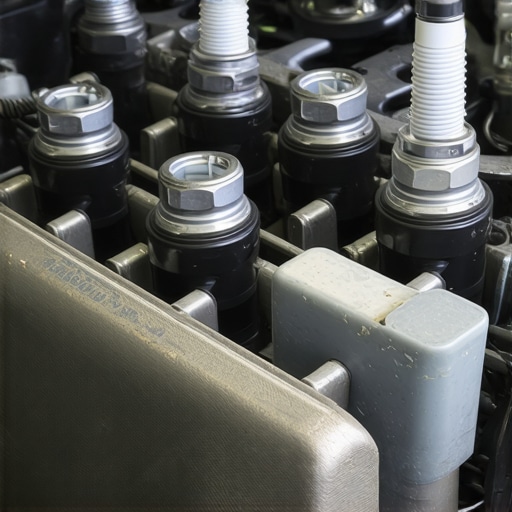
Ever honestly lost sleep over that little nagging doubt in your mind about your car’s performance? I remember the first time I felt that tiny misfire, and it almost drove me crazy trying to figure out what was going wrong. It was late, I was stranded on the side of the road, and my pride was taking a hit while I fumbled through my manual, wishing I had known sooner how to spot the real culprit behind those annoying engine hiccups.
Why Ignoring Spark Plug and Coil Health Could Cost You Big
It’s easy to dismiss small engine issues—just a rough idle or occasional hesitation. But trust me, those little signs can be your car’s way of warning about more serious problems. Specifically, when spark plugs start to fry your coils, it can lead to a cascade of costly repairs. If left unchecked, it might even affect your fuel efficiency and engine longevity. The truth is, acknowledging these signs early can save you a ton of money and prevent sudden breakdowns.
Is Checking Spark Plugs and Coils Really Worth the Hype?
Early in my auto repair adventures, I made the mistake of ignoring the importance of regular spark plug and coil inspections. I thought as long as the engine ran, everything was fine. But I learned the hard way that these components work together to ignite your fuel—if one fails, the whole system suffers. Properly diagnosing whether your spark plugs are frying your coils is simpler than you think. You’ll get better fuel economy, smoother rides, and peace of mind knowing you’re not unknowingly damaging your engine. Curious how to tell if your spark plugs are cooking your coils? Stick around; I’ll walk you through it in the next section.
According to automotive expert CollisionRenew, neglecting spark and coil issues can lead to a domino effect of engine problems. So, let’s get proactive and discover the tell-tale signs before you find yourself stranded or facing a hefty bill.
Now that we’ve established why this matters, it’s time to dive into the simple, effective ways to spot if your spark plugs and coils are on the fritz—saving you money and keeping your vehicle running smoothly.
Test Your Spark Plugs Effectively
First, locate your spark plugs—usually beneath rubber boots on each cylinder. Remove one using a spark plug socket, being careful not to damage the ceramic insulator. Examine the electrode; a healthy spark plug has a light tan or grayish color. A black, oily, or sooty plug indicates excess fuel or oil burning, while a white, blistered, or eroded electrode signals overheating. I once pulled a spark plug after noticing engine hesitation and discovered it was covered in carbon deposits, causing misfires. Cleaning or replacing faulty plugs restored smooth acceleration.
Check the Condition of Coils
Next, inspect your ignition coils. Many vehicles have a coil pack or individual coils—consult your manual. Look for obvious signs of damage like cracks, burns, or corrosion. Unplug the coil connector and listen for engine misfire sounds; if you have a scan tool, check for misfire codes. An example: I replaced a coil that showed visible cracks, which immediately eliminated rough idling and stalling issues. Proper coil function is crucial; faulty coils won’t generate enough spark, leading to engine hesitation and increased fuel consumption.
Perform a Spark Test
For a more definitive check, perform a spark test using a spark tester tool. Connect it between the ignition wire and the spark plug, crank the engine, and observe the spark’s strength. A weak or inconsistent spark indicates coil or ignition system issues. During my own troubleshooting, I noticed a feeble spark, which led me to replace a failing coil. This straightforward test saves time and helps pinpoint whether the coil or the plug is causing trouble.
Use a Noid Light for Injector Synchronization
Another tip: hook up a noid light to the fuel injector harness to verify that the injectors are receiving signals while cranking. If the light flashes erratically, it may point to ignition or wiring problems affecting spark delivery. I once diagnosed a car with stumble issues by observing inconsistent injector signals, leading me to repair a wiring harness—a simple fix that dramatically improved engine performance.
Monitor Engine Codes and Learn When to Seek Help
Finally, scan your engine for error codes. An OBD-II scanner can reveal misfire codes (like P0300-P0304) that point to specific cylinders. If coding shows multiple misfires or you’re unsure of your results, it’s best to consult a professional or visit a trusted auto repair shop. Remember, addressing spark and coil issues early can prevent more severe engine damage and costly repairs down the line.
By methodically inspecting spark plugs, coils, and ignition signals, you gain clarity on your engine’s health and can take informed steps. Acting quickly when symptoms appear keeps your vehicle running smoothly and helps avoid those dreaded roadside breakdowns.
Myth Busting: Why Brake Service Is Not Just About Replacing Pads
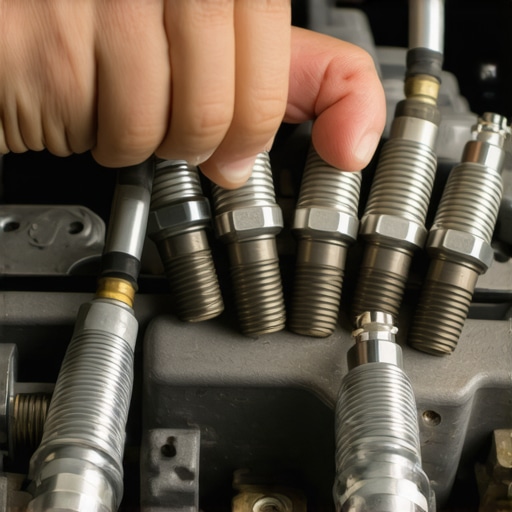
One common misconception is that brake service is a simple matter of swapping out worn pads. In reality, many car owners overlook the importance of inspecting brake rotors, calipers, and hydraulic systems. Neglecting these elements can lead to uneven wear, vibrations, or even brake failure. For instance, warped rotors can cause pulsating brakes, which many assume are just a nuisance but are actually signs of serious issues that demand professional attention. Regular comprehensive inspections ensure safety and longevity, debunking the myth that brakes only need attention when they squeal or grind.
The Auto Repair Trap: More Doesn’t Always Mean Better
It’s tempting to think that frequent, costly visits to a mechanic guarantee your car’s health. However, over-servicing can be as harmful as neglect. Modern vehicles have complex systems, and unnecessary replacements—like changing parts that are still functional—can introduce new problems or waste your money. Effective auto repair focuses on diagnostics and targeted fixes, not just a fresh set of parts. Being informed about your vehicle’s actual needs helps avoid falling into this trap, ensuring repairs are done only when necessary.
Are Your Transmission Checks Leading You Astray
Many drivers believe that transmission issues are obvious, prompting early diagnostics. But transmission troubles often manifest subtly—slight delays in shifting, or a faint whining noise—so subtle they’re ignored until major damage occurs. Advanced diagnostic tools can detect issues early, but some mechanics may rely solely on traditional symptoms, risking misdiagnosis. For example, a burnt smell from transmission fluid often indicates a problem worth investigating further with proper testing, as studies have shown early intervention preserves transmission life span better than waiting for complete failure (source). Don’t assume your transmission is safe because it still shifts smoothly; look deeper for the subtle signals.
Another often-overlooked nuance is how minor misalignments after collisions can impact sensor readings and overall vehicle behavior. Properly realigning or recalibrating sensors—like the collisionrenew strategy for rear-end taps—prevents cascade effects that might seem unrelated but cause handling issues or warning lights. Recognizing these hidden issues requires a keen eye and understanding that sometimes, the smallest detail can lead to significant improvements or problems. Falling into the trap of ignoring minor adjustments can lead to costly repairs down the line, so always question whether your auto repair routine addresses the fine details.
In the world of car maintenance and auto repairs, staying informed about these nuanced pitfalls helps you avoid costly mistakes and get the most out of your vehicle. Remember, what many see as routine can sometimes hide hidden traps—being vigilant and educated makes all the difference. Have you ever fallen into this trap? Let me know in the comments.
How do I keep my car running smoothly over the years? Mastering the right tools and techniques is essential for long-term vehicle health. I personally swear by a high-quality scan tool like the Launch CRP123X, which allows me to read and clear engine codes, monitor real-time sensor data, and even perform basic service resets. Unlike generic scanners, this device provides deep insights into vehicle systems, helping me identify issues before they escalate into costly repairs. It’s especially useful for tracking transmission health, as I can pinpoint shifting issues early, or confirm if a transmission fluid change is needed. Regular diagnostics save time and money, and make preventive maintenance much more manageable.
When it comes to physical inspections, I rely on a sturdy torque wrench to ensure components are tightened correctly, preventing uneven wear or damage. For example, torqueing wheel lug nuts to specification prevents vibration issues that could affect steering or accelerate brake pad wear. Alongside this, a good multi-meter helps me verify electrical connections and voltage levels in sensors and actuators, ensuring systems like ABS or collision sensors are functioning properly. Proper electrical health checks are crucial—especially after minor collisions where sensors or alignments might be affected.
For fluid maintenance, I use a precision fluid extractor to perform safe and thorough brake line flushes or transmission fluid replacements. This gear allows me to remove old fluid without introducing air bubbles—something that can severely impair braking performance or transmission operation. Notably, I always stay up-to-date on the latest maintenance procedures, referencing automotive service manuals and trusted online guides to ensure I apply the right techniques.
Predicting future trends, I believe AI-powered diagnostic tools will become more integrated, offering real-time insights through smartphone apps by scanning sensors wirelessly. This evolution will democratize auto repair, making it accessible even to DIYers with limited experience. As these tools advance, staying familiar with both traditional and modern methods ensures you’re well-equipped to handle whatever comes your way.
What’s the best way to ensure my vehicle stays in top shape? Regularly scheduling system checks, using precise tools, and keeping abreast of evolving repair techniques are key. For instance, when dealing with transmission issues, I recommend videos and guides from experts like CollisionRenew which delve into diagnostic steps that can save you from unnecessary repairs. Trying out an advanced tip—like performing a manual transmission fluid test if you’re comfortable—can give you early warning signs of impending trouble. This proactive approach prolongs your vehicle’s lifespan and keeps it reliable on the road.Lessons Nobody Tells You About Brake and Auto Repair
Looking back, the biggest lightbulb moment was realizing that auto repair isn’t just about replacing parts—it’s about understanding your vehicle’s unique needs. I learned that ignoring the subtle cues or assuming every squeal is ‘normal’ can lead to costly disasters. Finding out early that a minor wobble while braking hints at a warped rotor saved me from major replacements later. These lessons have shown me that a little extra attention and knowledge can turn auto repairs from stressful emergencies into manageable maintenance tasks.
Why I Trust My Tools and Resources for Long-Term Vehicle Care
Over the years, I’ve curated a toolkit that keeps my car running smoothly. Devices like a quality scan tool, such as the Launch CRP123X, have been game-changers—helping me catch issues early and avoid roadside breakdowns. Books by industry experts offer insights that go beyond generic advice, revealing the real reasons behind car troubles and how to fix them effectively. These trusted sources empower me to troubleshoot confidently, saving money and building a stronger connection with my vehicle.
Feeling Confident on the Road Starts With Knowledge and Action
Your vehicle deserves your attention, and small proactive steps can make a big difference. Regularly inspecting your brake system, staying updated with the latest diagnostic tools, and trusting reliable resources set a foundation for a safer, more reliable ride. Don’t wait until a warning light turns on—become familiar with your car’s signals and address issues before they escalate. It’s not just about repairing; it’s about proactively caring for your automotive partner.
What’s the first sign you’re planning to check on your car’s health this month? Share your plans below—I’d love to hear how you’re taking charge of your auto care journey!