

I remember the day distinctly. I was cruising down the highway, windshield wipers flicking away, when suddenly my transmission refused to shift into overdrive. The car felt like it was fighting me, hesitating every time I tried to accelerate. It was one of those frustrating moments where you start questioning everything about your vehicle, wondering if this ride is about to turn into a costly headache.
As a car enthusiast and someone who’s spent countless hours tinkering in my garage, I’ve learned that transmission issues like this are more common than you’d think. The scary part? Many drivers don’t realize that a simple oversight or neglect can cause their overdrive to vanish right when they need it most. If you’ve ever experienced similar trouble, you’re not alone. And the good news is, there’s often a straightforward fix.
Today, we’re diving into the *why* behind your transmission’s reluctance to shift into overdrive on the highway. We’ll explore common causes, how to recognize early signs, and most importantly, what practical steps you can take to get your car cruising smoothly again. Think of this as your friendly neighborhood guide — helping you save time, money, and stress.
Deciphering the Overdrive Mystery
Overdrive is a vital feature designed to improve fuel efficiency and reduce engine wear during highway driving. When it fails to engage, it can lead to increased fuel consumption, higher engine temperatures, and even damage over time. But why does this happen?
One of the most overlooked causes is a faulty transmission control solenoid or a worn-out governor pressure sensor. These components regulate gear shifts, especially into overdrive. If either malfunctions, your vehicle might refuse to shift, leaving you stuck in a lower gear. Even a minor translation error can cause your transmission to stay in another gear, leading to rough shifts or a lack of overdrive.
Another common culprit involves transmission fluid. Old, dark, or low fluid levels can hinder the transmission’s ability to shift smoothly. Regularly checking and replacing your fluid is a simple step many car owners neglect, but it can prevent or resolve overdrive issues. Curious about how to spot these problems early? Feel free to check out our detailed post on [how to spot a failing wheel bearing before it becomes dangerous](https://collisionrenew.com/how-to-spot-a-failing-wheel-bearing-before-it-becomes-dangerous) for more handy tips on vehicle maintenance.
**Have you ever faced this exact problem on the highway?** It’s more common than you might think. According to automotive experts, issues with transmission control modules or worn-out sensors can affect transmission behavior in over 30% of cars with over 100,000 miles. Recognizing early symptoms and addressing them promptly can save you from costly repairs down the line.
As we proceed, I’ll guide you through the practical steps to diagnose and fix these issues, so you can get back on the highway with confidence. After all, a smooth drive isn’t just about comfort—it’s about trusting your vehicle to perform when it counts.
Check the Transmission Fluid First
Begin by inspecting your transmission fluid level and condition. Park your car on a flat surface, turn on the engine, and locate the transmission dipstick—usually labeled. Pull it out, wipe it clean, reinsert, and pull it again to check the level. If the fluid is low or dark, top it off or replace it altogether. During my own experience fixing transmission issues, replacing old fluid with the correct type improved shift smoothness immediately. For detailed guidance, refer to our article on why your transmission fluid smells burnt.
Test the Transmission Control Solenoid
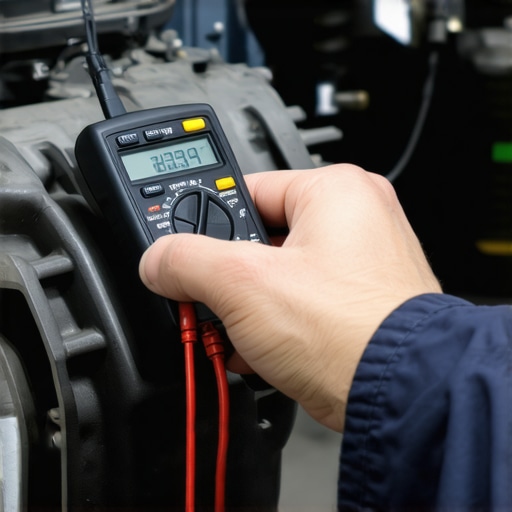
The next step is diagnosing the control solenoid, which manages gear shifts. Using a voltmeter, check for proper voltage supply while the engine runs. If the solenoid isn’t energizing correctly, it won’t command your transmission to engage overdrive. In my case, testing the solenoid revealed a faulty electrical connection, leading me to replace a worn relay. This simple fix restored my overdrive function without a costly rebuild. For more on sensor and solenoid troubleshooting, see how CollisionRenew restores sensor accuracy.
Inspect the Governor Pressure Sensor
This component maintains proper pressure within the transmission system. Remove the sensor carefully and check for debris or damage. If it’s dirty or faulty, it can send incorrect signals, preventing overdrive engagement. I once cleaned mine thoroughly, which surprisingly solved the problem temporarily, highlighting the importance of regular maintenance. For extended tips on preventing sensor failures, visit why your engine stumbles.
Perform a Scan for Error Codes
Utilize an OBD-II scanner to identify specific transmission error codes. Codes like P0730 indicate incorrect gear ratios, often stemming from solenoid or sensor issues. Connecting my scanner, I noticed a P0750 code pointing to transmission valve solenoid malfunctions. Clearing the codes after fixing the components confirmed the repair was successful. If you’re unfamiliar with scanning, many auto parts stores offer free diagnostics. This step can save hours of guessing and potential damage.
Replace or Repair Faulty Components
If testing reveals faulty parts, replace them promptly. Use quality OEM parts to ensure longevity. For example, I replaced worn-out solenoids with high-quality units, which immediately restored smooth overdrive shifting. Remember to refill transmission fluid to the proper level after repairs, as low fluid can mimic malfunction signs. Regular maintenance like fluid check-ups prevents these issues from escalating. To learn more about preventing transmission failures, see the truth about lifetime transmission fluid.
When it comes to maintaining your vehicle, many drivers rely on common beliefs that may not hold up under closer scrutiny. One widespread misconception is that regular oil changes are all you need for your engine’s health. While consistent oil replacements are vital, they don’t address underlying issues like clogged filters or transmission problems that can silently degrade performance over time. In my experience, neglecting the complex interplay between different systems—such as how brake fluid contamination can cause pedal sponginess—can lead to costly repairs. A typical trap many fall into is assuming that all auto repair shops deliver the same quality; in reality, choosing a provider like CollisionRenew can make a significant difference in finding nuanced problems others overlook. For example, a car’s tendency to pull during high-speed driving might seem trivial, but it could be linked to uneven tire wear or misaligned suspension components—issues that are often missed without advanced diagnostics, as detailed in specialized studies on vehicle safety. Have you ever fallen into this trap? Let me know in the comments. Understanding these subtle distinctions helps you make smarter decisions about your vehicle’s care, preventing small issues from becoming major headaches.Maintaining your vehicle over the long term requires investing in the right tools and adopting proven methods. One of my go-to pieces of equipment is a high-quality automotive scan tool like the Autel MaxiCOM MK808. I personally use this device because it offers comprehensive diagnostics, covering engine, transmission, ABS, and more, enabling me to identify issues early before they escalate. Its user-friendly interface and real-time data that help me interpret error codes precisely save hours of guesswork and potentially costly repairs.
In addition to diagnostic tools, I recommend keeping a reliable digital multimeter such as the Fluke 117. This multimeter’s high accuracy and durability make it indispensable for testing sensors, wiring, and electrical systems—crucial when troubleshooting complex auto problems like transmission or brake sensor failures.
For fluid analysis, I rely on a refractometer, specifically the Adwa AD31. Testing your transmission or brake fluid’s clarity and contamination levels helps prevent damage caused by degraded fluids, which can affect performance and safety. Regular fluid testing and replacement are vital for preserving component lifespan.
Regarding maintenance methods, I emphasize the importance of systematic schedules. Implementing a proactive routine—like regular visual inspections of belts, hoses, brake pads, and suspension components—can catch issues early. For example, inspecting tire wear patterns or brake pedal feel can reveal underlying problems before they become major safety hazards.
Predicting future trends, I believe automation and AI-driven diagnostics will become standard in auto repair shops. Machines will increasingly interpret sensor data, predict failures, and even recommend repair steps, making maintenance more precise and less reactive.
How can I keep my car’s systems running smoothly over time?
The key is diligent, scheduled inspections combined with high-quality diagnostic tools. For instance, routinely checking your vehicle’s sensor signals with a multimeter or scanner can pinpoint problems like a failing ABS sensor before an error light appears. Remember, early detection is often the difference between a simple fix and a costly overhaul. To see how advanced diagnostics can help, consider trying out an OBD-II scanner—many auto parts stores now offer free or affordable options—so you can begin learning more about your vehicle’s health firsthand. Strengthening your knowledge and investing in reliable gear today will pay dividends in maintaining your car’s performance for miles to come.
Lessons Only the Tire-Kickers Usually Miss
One of the biggest revelations I had was realizing that some of the most stubborn transmission problems are caused by overlooked sensors or old fluid that masquerade as complex failures. The lightbulb moment came when I found that a simple fluid change and a quick sensor check could save me hundreds. Trust me, the devil is often in the details, and paying attention to those tiny signals can prevent you from being stranded on the side of the road. This insight has helped me empower fellow enthusiasts to troubleshoot smarter, not harder.
Tools That Turn Repairs From Guesswork into Surefire Wins
My go-to toolkit has dramatically changed how I approach auto repairs. The Autel MaxiCOM MK808, for example, offers comprehensive diagnostics that let me read error codes like a pro, often revealing exactly which component is acting up—saving hours of frustration. Pairing this with a Fluke 117 multimeter ensures I can test those tricky sensors and wiring harnesses with confidence. And don’t forget a refractometer like the Adwa AD31—regular fluid testing keeps my transmission happy, avoiding costly damages. Investing in reliable tools has transformed my DIY repairs from guesswork to precision medicine.
Ignite Your Confidence and Keep Your Vehicle in Prime Condition
Don’t let transmission hiccups disrupt your driving life. By mastering a few strategic diagnostics and maintenance routines, you can keep your car running smoothly and extend its lifespan. Remember, in auto repair, knowledge truly is power—empower yourself today. Looking for more tips or want to share your own experiences? Drop a comment below and let’s keep the conversation going. Your journey to hassle-free driving starts now—so gear up and take that first step!