
It was a chilly morning and I was already running late when I turned the key, only to be met with silence. No click, no dimming dashboard lights—just pure panic. That sinking feeling when your car refuses to start is something I know all too well. Turns out, a failing alternator was silently draining my battery for weeks, and I had no idea until it was too late. That experience taught me a valuable lesson: you don’t have to be at the mercy of a dead battery. Today, I’ll share how to spot the signs of a failing alternator before your car leaves you stranded.
Why Catching an Alternator Failure Early Saves You Big
Your alternator plays a crucial role—it keeps your battery charged and powers your vehicle’s electrical components while you’re driving. Most folks think a dead battery is the villain, but often, the real culprit is a malfunctioning alternator. If you ignore early warning signs, you’re risking getting stranded, damage to your vehicle’s electrical system, or costly repairs. Identifying issues early can save you money and prevent inconvenient breakdowns.
Have you experienced the frustration of your car dying unexpectedly? If so, you’re not alone. Recognizing the subtle cues of alternator failure can make all the difference.
Is it really worth the effort and worry?
Early on, I made the mistake of assuming the battery was just old or worn out. But I learned that ignoring the warning signs of alternator issues can lead to a complete vehicle failure. Waiting too long to address the problem can cause damage to your battery and other electrical components. According to automotive experts, catching alternator problems early can prevent breakdowns and expensive repairs. For instance, a failing alternator can cause your headlights to flicker and your dashboard warning lights to illuminate — signals that are often dismissed or overlooked.
Understanding these signs can empower you to take quick action before being left in a tough spot. And the good news? Many signs are visible and easy to monitor if you know what to look for. From warning lights to strange noises, paying attention to these cues can keep your vehicle running smoothly.
Ready to learn how to identify these signs? Let’s dive into the practical steps to keep your alternator healthy and your car reliable.
Test Your Dashboard Lights Regularly
Every time you get in your car, glance at your dashboard for warning lights, especially the battery or alternator indicator. These lights function like early warning signals, much like a warning light on an aircraft dashboard alerting pilots to system issues. One cold morning, I noticed my battery light flickering and ignored it—until the engine stalled at a red light. Checking the dashboard regularly is your first step in catching alternator trouble early.
Perform a Simple Voltage Check at Home
Use a multimeter to measure your car’s voltage. Turn off the engine, connect the multimeter’s red lead to the positive terminal, and the black to the negative. Start the engine, and observe the voltage reading—ideally, it should be between 13.7 to 14.7 volts. If it’s significantly lower or higher, your alternator may be failing. Think of it like testing a water pipe for pressure—low pressure indicates a blockage or leak. I conducted this test myself on a weekend, and found my voltage reading was just under 13 volts. A quick replacement saved me from an unexpected breakdown later that week.
Listen for Unusual Noises
The sound of a failing alternator can resemble a high-pitched whine or squeal—like a musical saw warning you that something’s off. While driving, if you notice a consistent whining noise, especially when accelerating, it’s a red flag. I once heard this unsettling noise while merging onto the highway, which prompted me to have the alternator tested. Addressing the issue promptly prevented the battery from draining completely, avoiding a roadside rescue.
Check the Power Accessories
Pay attention to your electrical systems: dimming headlights, flickering instrument panels, or erratic power windows are signs your alternator might be losing its grip. Think of your alternator as a generator, similar to the one that powers a camping site. When it falters, the lights flicker like a flickering campfire. I observed my headlights dimming at night, which led me to check the battery and alternator, ultimately catching a failing component before it caused a breakdown.
Perform a Physical Inspection
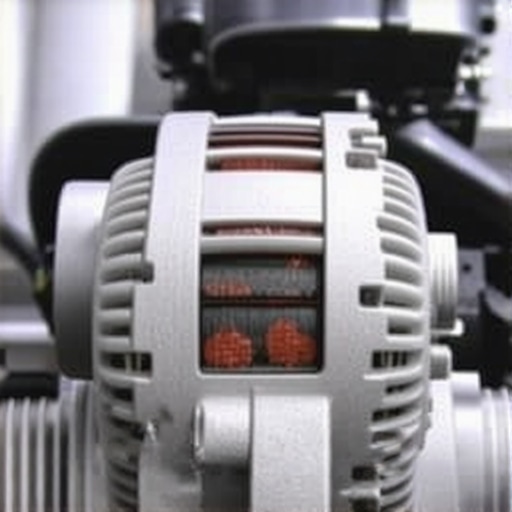
Pop the hood and inspect your alternator visually. Look for frayed belts, corrosion, or loose connections—they’re like warning signs along a highway, indicating potential problems. A loose belt might slip, reducing alternator output, similar to a slipping clutch in a manual transmission. I once found a loose belt after a quick visual inspection, which I tightened myself, preventing future electrical issues.
Use a Battery Test Tool
If you’re comfortable, utilize a portable battery tester that also assesses alternator function. These devices are like blood pressure monitors for your car, providing quick health checks. During a routine check, I discovered my battery was healthy but my alternator’s output was inconsistent, prompting me to replace the faulty part and keep my car running smoothly.
Schedule Regular Maintenance Checks
Just as you visit the doctor for annual checkups, your vehicle benefits from periodic inspections. Mechanics can perform comprehensive diagnostics, catching problems like a failing alternator early—much more reliably than DIY methods. I include preventive diagnostics in my vehicle maintenance routine to avoid unexpected breakdowns and keep my car reliable mile after mile.
Many car owners believe they fully understand the nuances of collision repair, transmission servicing, and brake maintenance, but in reality, a lot of misconceptions persist. One widespread myth is that all auto shop repairs are equally reliable; however, the quality can vary drastically depending on the technician’s expertise and the tools used. For example, some believe that replacing brake pads is always straightforward, but overlooking the importance of properly flushing brake lines can lead to premature wear, which you can learn more about in [how to flush your own brake lines without getting air in the system](https://collisionrenew.com/how-to-flush-your-own-brake-lines-without-getting-air-in-the-system).
Another misconception is that new transmission fluid is always better than synthetic options. While synthetic fluid can last longer, using the wrong type for your vehicle can cause shifting issues, similar to how a faulty gas cap can trigger a transmission warning light, which is explained in [how a faulty gas cap affects your transmission](https://collisionrenew.com/how-a-faulty-gas-cap-can-trigger-a-transmission-warning-light).
Many assume that car servicers recommend unnecessary repairs to inflate costs. But often, unresolved minor issues—like uneven brake pad wear—can escalate into major problems, increasing repair bills down the line. Addressing these early can save you money and prevent breakdowns, much like recognizing when your brakes grumble before a full stop, detailed in [why your brakes grumble right before stopping](https://collisionrenew.com/why-your-brakes-grumble-right-before-the-car-comes-to-a-full-stop).
Advanced car systems further complicate maintenance. For example, some believe that modern transmissions don’t require regular fluid changes, but [Dark Brake Fluid](https://collisionrenew.com/why-your-brake-fluid-looks-like-dark-coffee-and-why-it-matters) shows how neglecting fluid condition can lead to severe transmission damage. Plus, a frequent mistake is neglecting the importance of regular inspections, especially for critical components like wheel bearings, which need early detection to avoid dangerous failures, covered comprehensively in [how to spot a failing wheel bearing before it becomes dangerous](https://collisionrenew.com/how-to-spot-a-failing-wheel-bearing-before-it-becomes-dangerous).
To sum up, believing that auto repair is always straightforward or that certain affordable fixes are unnecessary can lead you into costly traps. Let’s dig deeper and debunk these myths together—have you ever fallen into this trap? Let me know in the comments.Maintaining your vehicle’s performance over the long haul requires more than just routine oil changes—you need the right tools and a structured approach. I personally rely on a high-quality multimeter, such as the Fluke 115, to perform accurate voltage checks on my car’s electrical system. This device has become indispensable in diagnosing alternator issues early, preventing unexpected breakdowns. Additionally, I utilize a digital inspection mirror to access hard-to-see areas like the back of the engine bay, allowing me to spot worn belts or corrosion without removing components. Implementing these tools into your maintenance routine can significantly improve your ability to identify impending problems before they escalate.
When it comes to software, I recommend using diagnostic scan tools like the BlueDriver Bluetooth Pro OBD2 Scanner. It connects seamlessly to your smartphone, providing real-time readings and trouble codes that help pinpoint issues with your transmission, brakes, or other critical systems. Regularly reviewing these diagnostics allows for proactive maintenance, extending the lifespan of your vehicle and maintaining safety.
Predicting the future of vehicle maintenance, technology trends lean toward integrated diagnostic sensors and remote monitoring. Vehicles are increasingly becoming connected devices that can notify you of potential issues via smartphone alerts, making routine checks more manageable and timely.
How do I maintain these tools over time? Consistent calibration is key. Multimeters should be calibrated annually to ensure accuracy, especially when diagnosing critical systems like your alternator or battery. Keep tools clean and store them in protective cases to prevent damage. Regularly updating your diagnostic software ensures compatibility with new vehicle models and software updates, enhancing diagnostic precision.
Investing in quality diagnostic tools and maintaining them diligently is a game-changer. For example, regularly checking your vehicle’s voltage with a multimeter can catch early signs of alternator failure, saving money and inconvenience. Plus, staying ahead with software updates ensures you’re equipped to handle emerging automotive technologies. Now, I challenge you to try using a multimeter for a quick voltage test on your vehicle this weekend—you’ll be surprised at the insight it can provide.
Lessons That Changed My Approach to Car Care
- Hearing that high-pitched whine or noticing flickering dashboard lights was a wake-up call for me—those are subtle hints often ignored but incredibly valuable. Recognizing these early signs saved me from unexpected breakdowns.
- Regular voltage checks with a multimeter became part of my routine after I learned how easy it is to assess alternator health at home. This proactive step can catch problems before they leave you stranded.
- Visually inspecting belts and connections periodically revealed wear and looseness that might otherwise go unnoticed until failure. A simple visual check can prevent costly repairs and roadside emergencies.
Tools and Resources That Keep My Car Running Smoothly
- The Fluke 115 multimeter has been my trusted companion for diagnosing electrical issues, providing accurate readings and peace of mind.
- Using the BlueDriver Bluetooth Pro OBD2 Scanner helps me access real-time data and fault codes directly from my smartphone, making diagnostics more straightforward and accessible.
- I rely on detailed guides like those offered by collisionrenew to deepen my understanding of vehicle systems and catch issues early, especially with complex components like the alternator and belt systems.
Your Next Move Toward Reliable Driving
Understanding and identifying early signs of alternator problems empowers you to take control of your vehicle’s health. Incorporating simple regular checks and familiarizing yourself with warning signals can save you time, money, and stress. Don’t wait for that final breakdown—start observing, testing, and maintaining your car today. Are you ready to make these preventive steps part of your routine? Share your experiences or questions below!