
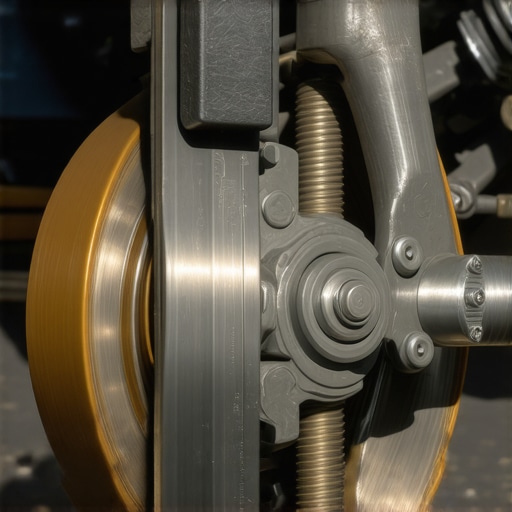
It was a chilly morning, and I gently pressed down on my brake pedal—only to feel it squish a little more than usual, like pressing on a sponge. Panic crept in; I thought, “Uh-oh, this can’t be good.” Later that day, after some quick research and a few surprises, I realized I was missing a simple yet often overlooked cause of that elusive sponginess. You see, many drivers experience this weird, squishy brake pedal feeling, and the worst part? They ignore it—thinking it’s either the brake pads or air in the system—until it’s too late.
Why your brake pedal feels soft and what that really means
Understanding the true root of a spongy brake pedal can save you a lot of trouble and cash down the road. It’s not always about worn pads or low brake fluid; sometimes, it’s a far more straightforward issue that’s just been hiding in plain sight. During my early days working on cars, I made the mistake of dismissing that squishy feeling as a minor inconvenience—only to learn that ignoring it could compromise your safety. The key is recognizing what your vehicle’s warning signs are really telling you, and acting quickly before a minor problem turns into a major repair.
Is fixing a spongy brake pedal really worth the effort?
Many drivers wonder if that soft pedal simply means a few ounces of air or brake fluid to bleed out, or if it’s a sign of something more serious. From personal experience, I can attest that addressing this early can prevent much bigger headaches, such as brake failure. Plus, knowing the actual cause can save you money; for instance, replacing a worn-out brake master cylinder or fixing a leaking brake line might be the real fix, not just bleeding the brakes. According to the Department of Transportation’s safety reports, braking issues are among the most common causes of highway accidents—making it crucial to understand what’s happening under your hood. [Read more about common brake problems](https://collisionrenew.com/the-hidden-danger-of-dark-brake-fluid). So, if you’ve ever felt that odd softness in your brake pedal, keep reading. I’ll share what you need to look for, and how to fix it before it becomes dangerous.
Inspect the Brake Fluid and Reservoir
Start by checking the brake fluid level and condition. Open the hood and locate the brake fluid reservoir—usually a translucent container on the master cylinder. If the fluid is low, topping it up might temporarily improve pedal feel, but don’t ignore the underlying cause. If the fluid looks dark or contaminated, it’s time for a flush. I once experienced this firsthand when my brake pedal felt softer after a long drive; after replacing the old fluid, the pedal firmed right up, restoring safety and confidence.
Bleed the Brake System to Remove Air
Air in the brake lines often causes a spongy pedal. To purge the air, you’ll need a helper, a wrench, and some brake fluid. Attach a clear hose to the bleeder valve on each wheel—starting with the furthest from the master cylinder. Have your helper press the pedal slowly and hold it while you open the valve. Let the air and old fluid escape into a container, then close the valve before your helper releases the pedal. Repeat until no air bubbles appear. This process is like squeezing a sponge to remove trapped air—once done, your brake pedal should become firm and responsive again.
Check for Leaking Hoses and Seals
Visually inspect the brake lines, hoses, and caliper seals for leaks or damage. A tiny crack or leak can cause loss of brake fluid and sponginess. Use a flashlight and mirror if needed. During a past repair, I found a cracked rubber hose causing soft brakes; replacing it instantly restored pedal firmness. Remember, a leaking brake line isn’t just a leak—it compromises your entire braking ability and must be addressed immediately.
Test the Brake Master Cylinder for Wear or Damage
The master cylinder plays a central role in maintaining pressure. If it’s failing, you might notice inconsistent pedal feel or sinking pressure. To test, apply firm pressure on the pedal and hold it; if it sinks slowly to the floor, the master cylinder could be the culprit. In my experience, replacing a faulty master cylinder is more involved but often necessary for a lasting fix. It’s akin to the heart of your braking system—if it’s weak, nothing else will be reliable.
Reassemble and Road Test Carefully
Once all repairs are complete, bleed the brakes again to ensure no air remains. Check the fluid level one more time, top up if needed. Before hitting the road at full speed, conduct a gentle test in a safe area. Gradually press the brake pedal—if it feels firm and responsive, you likely resolved the issue. If it remains spongy, revisit the previous steps or consult a professional. I vividly remember a time when I thought I’d fixed my brakes, only to realize I missed a bolt—after tightening it, the pedal felt perfect. Precision matters in every step.
Many drivers believe that regular maintenance is all about routine replacements and inspections, but lurking beneath these assumptions are nuances that can make or break your vehicle’s longevity and safety. One widespread myth is that adding a quick fluid top-up cures all transmission problems—yet neglecting to address underlying issues like worn clutch packs or damaged seals can lead to expensive repairs. Similarly, many think that a squealing brake noise always indicates worn pads, but often, it’s a sign of warped rotors or a sticking caliper that needs detailed diagnosis instead of simple replacement.
What advanced mistakes do even seasoned car owners make that could lead to costly repairs?
For example, misinterpreting diagnostic codes without understanding their context can lead to unnecessary part replacements, increasing costs without solving the core issue. As experts highlight, a thorough troubleshooting process is essential; jumping straight to parts substitution often overlooks the root cause. External studies, such as research from the Society of Automotive Engineers, show that diagnostic misinterpretations account for nearly 30% of unnecessary repairs, emphasizing the importance of deep knowledge over surface-level fixes. Moreover, understanding that not all transmission noises signify imminent failure—many are benign if caught early—can prevent panic and unnecessary repairs. Instead of just listening for familiar sounds, learning to interpret subtle differences and symptoms can help you make smarter decisions.
Most importantly, trusting an experienced technician who understands these nuances ensures you’re not caught in the trap of common misconceptions, prolonging your vehicle’s lifespan and maintaining safety. Have you ever fallen into this trap? Let me know in the comments and share your experiences!
Maintaining your vehicle’s performance over the long term requires more than just regular oil changes; it demands the right tools, a strategic approach, and an understanding of evolving technology. One of my go-to tools is a high-precision handheld OBD-II scanner. Unlike basic code readers, I prefer models like the BlueDriver Bluetooth Pro Scan Tool because it provides detailed diagnostics and live data streams. This allows me to troubleshoot transmission issues or engine stumbles efficiently, without unnecessary trips to the mechanic. For example, when my transmission started slipping, I used the scanner to access specific codes related to shift solenoids, which tipped me off to potential problems before they worsened.
Another indispensable piece of equipment is a reliable torque wrench. Proper torque specifications are critical, especially when working on braking systems or suspension components. I recommend a digital torque wrench with preset modes, such as the GearWrench Electronic Torque Wrench, which combines accuracy with ease of use. Consistently applying the correct torque prevents component failure and prolongs your vehicle’s lifespan.
When it comes to in-depth maintenance, I also rely on ultrasonic cleaners for parts like fuel injectors and sensors. Regular cleaning prevents buildup that can deteriorate performance. Paired with quality cleaning solutions, ultrasonic cleaning restores these parts to near-original condition, saving money on replacements.
Looking ahead, the trend in vehicle maintenance is increasingly leaning towards integrated diagnostic software connected via user-friendly apps. With manufacturers like Ford and Toyota developing proprietary apps that communicate directly with the vehicle’s ECU, future repairs will become more accessible for enthusiasts and DIYers.
So, how do I maintain my car’s transmission over time? Consistent fluid checks and timely replacements are key. As noted in the article [here](https://collisionrenew.com/the-simple-reason-your-transmission-fluid-smells-burnt), burnt transmission fluid can accelerate wear and lead to costly repairs. Regularly inspecting your transmission fluid’s color and smell can preempt major issues.
Lastly, I encourage you to try performing a transmission fluid rebuild using your ultrasonic cleaner and a quality transmission service kit. This can drastically extend your transmission’s life and improve shifting smoothness. Remember, investing in the right tools makes a significant difference in your ability to maintain and repair your vehicle effectively. Stay proactive, and your car will thank you for years to come.
What the Hardest Lessons About Brake and Transmission Repair Taught Me
One invaluable lesson I learned is that ignoring the subtle signs of brake and transmission issues can lead to costly failures. A quirky squeal during braking or a slight delay in shifting isn’t just minor inconveniences—these are signals demanding attention. Over the years, I’ve realized that patience and early diagnostics save both money and safety, especially when dealing with critical systems like brakes and transmissions.
How My Toolkit Evolved to Keep Vehicles Running Smoothly
Equipping myself with tools like a high-precision OBD-II scanner and a reliable torque wrench transformed my approach to auto repair. These tools, trusted by professionals, enable precise diagnostics and proper assembly, reducing guesswork and preventing future failures. Incorporating ultrasonic cleaners for parts like sensors has also extended the life of components, proving that proper equipment is an investment in vehicle health.
Why Trusting Deep Knowledge Beats Guesswork Every Time
Misdiagnosing issues, especially in transmission repairs or brake service, can lead to unnecessary expenses and prolonged vehicle downtime. Personal experience has shown that understanding the root causes—whether it’s a failing master cylinder, worn-out brake fluid, or a leaking line—makes all the difference. Staying updated with industry insights and consulting reputable sources, like detailed guides on [dark-brake-fluid](https://collisionrenew.com/the-hidden-danger-of-dark-brake-fluid), has helped me avoid common pitfalls.
Future-Proof Your Vehicle Maintenance with Strategic Planning
Looking ahead, embracing advanced diagnostic tools, routine fluid checks, and proactive inspections keeps your vehicle in peak condition. For example, regularly inspecting transmission fluid quality as explained [here](https://collisionrenew.com/the-simple-reason-your-transmission-fluid-smells-burnt) can prevent unexpected breakdowns. Implementing a preventive maintenance schedule tailored to your vehicle’s model and usage habits is the key to long-term reliability and safety.
Uncovering Hidden Challenges Before They Become Emergencies
Many car owners fall into the trap of overlooking minor symptoms, which can escalate into serious issues. Remember that early intervention—be it a small leak or unusual noise—is often inexpensive and straightforward. A critical look at components like brake lines, calipers, and fluid levels, combined with knowledge from trusted sources, keeps the ride smooth and safe.
My Verdict: Consistency and Curiosity Drive Better Auto Care
Staying curious about your vehicle’s behavior, coupled with consistent maintenance routines, empowers you to catch problems early. Whether it’s a stubborn brake pedal or hesitation during acceleration, your attentive approach can save lives and money. Keep learning from experienced sources and don’t hesitate to seek professional help when necessary—your vehicle and loved ones depend on it.
Time to Take Charge of Your Vehicle’s Safety
Now that you’ve learned what lurks behind a soft brake pedal or rough transmission shifts, it’s your turn to act. Start by inspecting fluid levels, checking for leaks, and understanding your vehicle’s symptoms. Remember, safety is a journey, not a destination. Your proactive efforts today will ensure peace of mind tomorrow.
Have you ever ignored a warning sign that turned out to be more serious than it seemed? Share your experiences below and let’s learn from each other!