
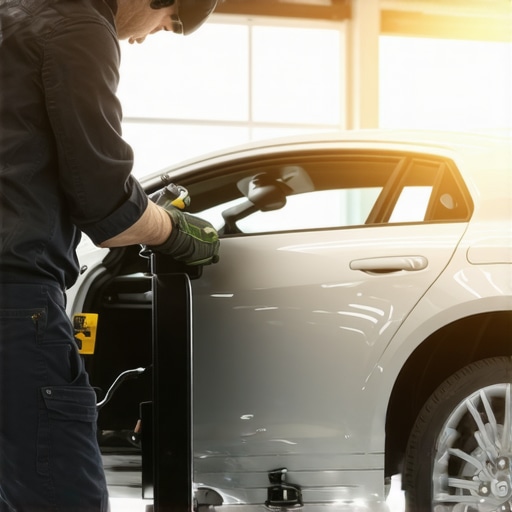
It was one of those mornings where everything that could go wrong did. I backed out of my driveway, feeling confident—and then I heard it. That awful crunch on the side of my car. A minor bump from a parking lot scrape, but the aftermath? It threw my whole day—and my peace of mind—into a tailspin. Later, I noticed my door was slightly misaligned, refusing to close smoothly, and the gap between the door and the frame was visibly uneven. That’s when I realized that even a small side-swipe can leave behind unseen, yet critical, factory gaps that affect your vehicle’s integrity and safety.
Why Restoring Factory Gaps Matters More Than You Think
When I first started researching repairs, I thought a simple paint job or realignment would suffice. But I soon learned that these gaps are part of your car’s intricate design, ensuring proper sealing, aerodynamics, and safety. If these factory-perfect gaps aren’t restored after minor accidents, it could lead to issues like water leaks, wind noise, and even affect your vehicle’s safety systems. Plus, it impacts the sleek look we all want for our cars. Restoring these gaps isn’t just about aesthetics; it’s about maintaining the vehicle’s overall health and value.
So, how do you fix a misaligned panel or a displaced bumper after a minor bump? That’s exactly what I found out, and I’ll share the practical steps that helped me restore my car’s factory gaps. Trust me, it’s doable—and the results are worth every effort.
Is CollisionRenew Actually Worth the Hype?
Early on, I made the mistake of underestimating the complexity of panel repairs, thinking I could just push things back into place. That was a rookie move. Collisionrenew’s proven techniques taught me that proper alignment and gap restoration require precision and the right tools. Their methods ensure that factory gaps are preserved or restored without compromising safety or aesthetics. If you’ve ever worried that a minor mishap would permanently ruin your car’s structure, rest assured—there’s a way to fix it correctly. For more technical insights, check out this detailed guide on bumper reassembly.
Now, is restoring factory gaps after a small side-swipe a simple DIY fix? Not entirely, but with the right knowledge and techniques, it’s within reach. In the next sections, I’ll walk you through the core steps I took to bring my car back to factory standards—saving me money and giving me peace of mind. Ready to dive into real solutions? Let’s get started.
Assess the Damage Precisely
Begin by inspecting the affected panel or bumper, looking for misalignment, gaps, or dents. Use a flashlight to spot subtle misfits. Last week, I found my rear bumper was slightly shifted, causing an uneven gap that looked unprofessional. Mark the areas with painter’s tape to visualize the shift before proceeding.
Gather the Right Tools and Parts
Prepare a set of plastic prying tools, a 10mm ratchet, a torque wrench, a rubber mallet, and replacement clips if needed. Having the factory manual or repair guide on hand is invaluable for specific torque specs and panel attachment points. I used a soft mallet to tap the panel gently into place, avoiding paint damage.
Loosen and Adjust Panel Fasteners Carefully
Loosen bolts or clips holding the panel or bumper, but don’t remove them completely. Slight adjustments can be made by shifting the panel gently. During my repair, I loosened the clips sequentially, then nudged the panel into proper alignment before tightening again. Remember, do not overtighten, as it can cause new misalignments or stress on the material.
Address Hidden Fasteners
Some panels have hidden or plastic rivets. Use a panel removal tool to gently pry these out without cracking. I discovered a plastic rivet behind the wheel well that needed removal; patience here prevents costly panel damage. Reference [this guide](https://collisionrenew.com/how-collisionrenew-aligns-bumper-brackets-after-a-parallel-parking-hit) for detailed removal tips.
Re-Align to Factory Specifications
Use the factory specifications for gap measurements, which you can find in the vehicle’s manual or online. Employ a feeler gauge or a piece of paper to check the gaps. During my fix, I used a ruler to measure the evenness, ensuring the gap matched the factory standard. A misaligned bumper can cause issues like uneven tire wear or water leaks if not corrected properly.
Secure Components with Precision
Once aligned, tighten bolts incrementally following the manufacturer’s torque specs. Over-tightening can distort the panel; under-tightening leads to looseness. I used a torque wrench to ensure the bolts matched the recommended torque, providing a snug fit without risking damage. Proper tightening maintains the integrity of the factory gap and ensures safety.
Double-Check Your Work
After securing everything, re-inspect the gaps and alignment from multiple angles. Have someone else look at it, if possible. I noticed a slight misalignment after tightening, so I loosened and readjusted one of the clips, achieving a perfect fit. Precise reassembly prevents air and water leaks, noise, and aesthetic issues that can emerge from poor alignment.
Test for Safety and Functionality
Finally, verify that all panels and bumpers are firmly attached, with no rattles or movement. Confirm that lights, sensors, and other components are correctly aligned. For example, after fixing my bumper, I checked the backup camera clarity and found it was now crisp, referencing [this article](https://collisionrenew.com/collisionrenew-why-your-backup-camera-looks-grainy-after-a-fender-bender) for troubleshooting visual issues.
By following these precise steps, you can restore factory gaps with confidence, maintaining your vehicle’s safety, aesthetics, and resale value. Remember, patience and attention to detail are key in achieving professional results without costly repairs.
Many enthusiasts believe that trusting CollisionRenew or standard auto repair shops means they get everything right the first time. However, there’s a deeper nuance that often goes unnoticed—especially by those new to car repair. For instance, a common myth is that collision repair solely involves fixing visible dents and scratches. In reality, a quick repair might overlook underlying issues like subtle frame misalignments or compromised safety systems, which can lead to long-term problems. This is why understanding the intricacies of collision repair is crucial for truly safeguarding your vehicle’s integrity.
Another frequent misconception revolves around brake service. Many assume that brake squeal always indicates worn pads. While brake pads are a typical culprit, the real story can be more complex. Dust shields, caliper slides, or even warped rotors could be the hidden source. Overlooking these nuances may result in incomplete repairs that leave your brakes vulnerable, or even worse, dangerous. For advanced insights, check out this guide on brake squeal fixes.
When it comes to general car service, there’s a trap many fall into: believing that an oil change is all the vehicle needs. But subtle issues like transmission fluid degradation or power steering leaks can silently impact performance. For example, did you know that cold starts often cause your transmission to shift hard? This common mistake can be remedied with proper fluid maintenance, which many overlook. To learn more about such nuances, visit this article about cold-shift problems.
Auto repair scams sometimes hinge on oversimplification. For instance, some shops recommend quickly replacing parts without diagnosing root causes. That’s an oops moment that can cost you more over time. Modern vehicle systems, like electronic control units, require precise diagnostics. Skipping these tests risks replacing functional parts, which isn’t just costly but also unnecessary. Should you ever suspect this mistake, always ask for detailed diagnostics or second opinions.
Finally, many drivers underestimate transmission issues. They might notice a slight shudder but dismiss it as normal. However, a shift from smooth to jerky can signal severe problems lurking beneath. One overlooked aspect is the age of transmission fluid, which can cause shifts to become harsh only when the car is cold. For a deeper dive, see this explanation about cold transmission shifts.
In summary, cultivating an awareness of these hidden nuances and avoiding common myths can save you money and prolong your vehicle’s life. It’s vital to question surface-level fixes and demand comprehensive diagnostics. Have you ever fallen into this trap? Let me know in the comments, and share your experiences or lessons learned.
Investing in the Right Equipment Makes All the Difference
Maintaining your vehicle’s optimal performance isn’t just about knowledge—it’s about having the right tools at your fingertips. Personally, I rely heavily on a digital torque wrench for precise tightening of panels and bolts, ensuring factory specifications are met every time. Unlike analog models, my digital wrench provides audible signals and digital readouts, minimizing the risk of over-tightening—crucial when restoring factory gaps after minor collisions. For delicate adjustments, a set of high-quality plastic pry tools allows me to remove panels without scratching or damaging paint, essential when aligning bumpers or repairing dings.
Utilizing Advanced Software for Diagnostics
Beyond physical tools, diagnostic software has become invaluable in auto repair. Software like OBD-II scanners connects directly to the vehicle’s ECU, giving real-time data on engine performance, transmission behavior, and safety systems. I personally use a Bluetooth-enabled scanner paired with a smartphone app; this combination allows me to spot issues such as misfiring ignition coils or faulty sensors before they escalate. As vehicle electronics become more complex, these tools help identify underlying problems that might not be visible during a basic inspection.
Laying Out a Maintenance Routine
Long-term vehicle health depends on consistency. I recommend setting a schedule that includes fluid checks, brake inspections, and tire alignment—regularly verifying these can extend your car’s lifespan. For example, routinely testing your fuel pressure with a dedicated gauge helps prevent unexpected stalls or rough shifts, especially in cold weather. To prevent issues like this, I follow the guidance of professional mechanics who emphasize proactive maintenance over reactive repairs. Check out this article for a quick method to test fuel pressure without specialized equipment.
Best Practices to Maintain Auto Systems Over Time
Regularly inspecting and cleaning key components ensures longevity. For instance, cleaning the battery terminals with a mixture of baking soda and water removes corrosion, preventing electrical issues. Similarly, inspecting brake dust shields for proper adjustment can stop squeals; I often refer to this guide to fine-tune the dust shields effectively. Additionally, monitoring the condition of transmission fluid and replacing it at recommended intervals keeps shifts smooth and prevents costly overhauls. As vehicles migrate toward electric systems, maintenance will increasingly involve software updates and sensor calibrations, a trend I see growing in the future.
How do I maintain components like the transmission and brakes over time?
Consistent inspection and timely fluid replacements are key. Using diagnostic tools to monitor sensor health and fluid quality can preempt breakdowns. For example, a sudden shudder during shifts might be linked to low or degraded transmission fluid, which can be diagnosed with a quick test described here. Staying ahead with these tools allows you to address issues before they affect safety or performance, saving you money and stress.
To truly master vehicle maintenance, try integrating these advanced techniques and tools into your routine. Regular use of diagnostic scanners paired with precise torque wrenches will elevate your repair quality. As the automotive industry evolves, keeping up with the latest tools and methods—like electronic sensor calibration—becomes essential. Embrace technology, and your car will thank you with reliable, long-term performance.
Lessons That Changed My Approach to Collision Repairs
- Discovering that factory gaps are more than just aesthetic details was a game-changer. They fundamentally affect safety and vehicle performance, making me rethink my repair priorities.
- I’ve learned that precision tools and attention to detail can turn a DIY fix into a near-professional restoration—saving money while preserving the car’s integrity.
- Understanding that even minor impacts can cause unseen misalignments has motivated me to assess almost every collision with a meticulous eye, preventing long-term issues.
- Realizing the importance of referencing manufacturer specifications for gaps and torque settings was a lightbulb moment—ensuring repairs stand the test of time and road conditions.
Tools and Resources That Keep My Repairs on Point
- Digital Torque Wrench: Ensures bolts are tightened exactly to manufacturer specifications, preventing over-tightening or under-tightening that can cause misalignments.
- Plastic Pry Tools: Gentle removal of panels without scratching or damaging paint, crucial for delicate alignments.
- OBD-II Diagnostic Scanner: Tracks underlying electronic issues after physical repairs, safeguarding long-term safety and performance.
- Factory Manuals & Online Guides: They provide precise measurement standards and torque values, acting as my repair bible for restoring factory gaps accurately.
Embrace the Challenge and Keep Your Vehicle Safe
Taking control of small collision repairs, especially restoring factory gaps, empowers you to maintain your vehicle’s safety and appearance. It’s a meticulous task but incredibly rewarding—every accurately aligned panel enhances safety, prolongs your car’s life, and sustains its resale value. Trust in your tools and the knowledge you’ve gained, and don’t shy away from tackling these repairs yourself. The road to a safer, better-looking car begins with this simple, yet vital, step. Are you ready to bring your car back to its factory standards? Share your stories or ask questions below — let’s build a community of confident car enthusiasts who never settle for less!