
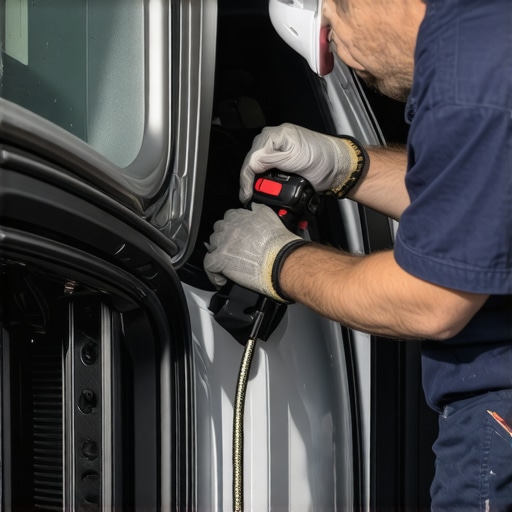
It started with a tiny puddle on my car’s floor, a mere trickle that I kept ignoring—until one rainy day, when the water gushed in like a river. That unmistakable soggy smell and the damp mats made me realize I was in trouble. I had neglected that little drip for too long, and now it was threatening my car’s interior and my sanity. Sound familiar? If you’ve ever faced a similar soaking surprise, you’re not alone—and there’s good news.
Why Ignoring Your Sunroof Drain Can Turn into a Flood
Most drivers don’t think twice about their sunroof drains until water starts sneaking inside. These tiny tubes are designed to whisk away rainwater, but when they clog, it’s like a clogged sink—water has nowhere to go but in. Over time, this can lead to serious floor leakage and even damage your vehicle’s wiring. Personally, I learned this the hard way, thinking my sunroof was just a luxury feature, not a water conduit that needs regular attention. According to experts, neglecting clogged drains can cause interior leaks and mold growth—problems that are both costly and unhealthy.
Is It Really Worth the Hype? Clearing Out a Drainage Block
Honestly, I used to think, “It’s just a tiny tube; how complicated can it be?” I made the mistake of only cleaning the visible parts, which didn’t solve the problem. The truth is, many folks miss a crucial step—checking the full length of the drain channel. I found that many DIY guides leave out the importance of using the right tool and method, often leading to superficial fixes. If you want to avoid a flooded floor or hidden rust, it’s worth understanding exactly how these drains work and the simple tricks to keep them flowing. For more insights on common car leaks and their causes, check out [CollisionRenew’s guide on sealing leaks](https://collisionrenew.com/the-truth-about-sealant-additives-for-transmission-leaks).
Remove the Headliner to Access Drains
Start by carefully peeling back the headliner around the sunroof area. Use panel removal tools to avoid damaging the fabric. During my first attempt, I gently pried loose the trim pieces, which prevented me from breaking clips and needing costly replacements later.
Locate and Clear the Drain Holes
Identify the drain holes at the four corners of the sunroof. They are small, often hidden, so use a flashlight to locate them. A small mirror or a firm plastic pin works well to clear obstructions. I discovered that debris like leaves and dirt often clog these tiny passages, causing water backup.
Flush the Drains with Water
Once cleared, pour a cup of distilled water slowly into the drain opening. Use a spray bottle for better control. If water doesn’t flow freely down the drain channel, it’s a sign of blockage further along. A long, flexible brush or compressed air can dislodge stubborn debris. During my last fix, using a bicycle cable with a soft brush attachment successfully cleared a stubborn clog.
Check the Entire Drain Path
In some cases, blockages are located deeper within the drainage system. To ensure full clearance, connect a length of flexible tubing to a syringe filled with water to push the debris out from behind. Also, inspect the drain tube for kinks or detachment. I once had to reattach a loose tube using zip ties, which restored proper drainage.
Test the Drain Function
After cleaning, pour more water into the drain inlet and observe if it flows out beneath the vehicle. If it does, your drainage system is clear. Place a cloth underneath to catch any spills. This step saved me from the embarrassment of a soaked interior on a rainy trip.
Reassemble the Headliner Carefully
Once satisfied with the drainage, gently replace the headliner panels, ensuring clips and screws are securely in place. Take your time to avoid misalignments or cracks. During my recent project, I used a small magnet on a stick to align clips properly, which streamlined the reassembly process.
Maintain and Prevent Future Clogs
Regularly inspect your sunroof drains every six months, especially if you live in an area with lots of foliage. Using a quick flush with water can prevent buildup. Remember, neglecting this step could turn a minor clog into a costly repair, like rust or mold growth inside your car, which is much harder to fix once it spreads. For more comprehensive tips on sunroof maintenance, check out this detailed guide.
While many car owners believe they know the basics of vehicle maintenance, there are nuanced truths and misconceptions that can trip you up if you’re not careful. For instance, a widespread myth suggests that using generic sealants can fix transmission leaks effectively. In reality, according to experts at CollisionRenew, improper sealants can do more harm than good, leading to blockages and increased wear. Many assume that all car trouble is immediately obvious, but often, issues like subtle transmission overheating or uneven brake wear reveal themselves only through detailed diagnostics—something a casual glance won’t catch. It’s vital to understand these nuances to avoid costly repairs down the line.
What Advanced Diagnostics Can Reveal Most Drivers Miss?
Advanced diagnostics, such as examining the ABS system or checking for hidden leaks, can uncover problems that standard inspections might overlook. For example, a flashing check engine light during acceleration can indicate subtle issues like faulty sensors or minor leaks that degrade over time. Regularly consulting with a professional who leverages comprehensive diagnostic tools will save you from unforeseen breakdowns. Did you know that this guide explains how to interpret fluctuant warning lights? Remember, staying ahead with diagnostics is the key to longevity.
Many car enthusiasts also believe that changing oil alone suffices for transmission health, but as discussed in this article, transmission fluid care, including proper flush intervals and seal checks, drastically impacts transmission life. Overlooking such details can cause your transmission to overheat or shift erratically, especially during long trips or heavy towing. The trap here is thinking that simple oil changes are enough; however, transmission maintenance requires a broader approach, including inspecting fluid condition and seals.
Now, consider brake systems: many believe that replacing pads is the end of brake maintenance, but the reality is more complex. Brakes can develop issues like rotor rust or fluid contamination, which impair performance. A critical mistake is neglecting brake fluid quality—dark, contaminated fluid can cause spongy pedal feel or even brake failure. For a thorough understanding, check this expert guide on brake fluid health. Regular brake fluid flushes and rotor inspections ensure safety beyond just pad replacement.
By delving into these hidden nuances and debunking myths, you’ll be better equipped to maintain your vehicle proactively. Remember, a well-educated car owner can prevent many issues, saving time and money in the long run. Have you ever fallen into this trap? Let me know in the comments—your experience could help others dodge these common pitfalls.
Maintaining your vehicle’s health over the years requires the right tools and a disciplined approach. Personally, I rely on an array of specialized equipment that ensures I catch issues early and keep my car running smoothly. One essential item in my toolkit is a high-quality OBD-II scanner, like the BlueDriver. It provides instant diagnostics, displaying trouble codes and real-time sensor data directly to my smartphone. This proactive insight allows me to address minor problems before they escalate, saving time and money long-term.
Another tool I swear by is a digital multimeter. Whether checking battery health, testing wiring continuity, or verifying sensor signals, a reliable multimeter offers the precision needed for accurate diagnostics. I prefer models with auto-ranging capabilities, such as the Fluke 115, because they simplify complex electrical tests without guesswork. Regular use of these tools forms the backbone of effective vehicle care.
Anticipating Future Maintenance Needs
Looking ahead, I believe the integration of smart diagnostics and maintenance apps will revolutionize car upkeep. Software like RepairPal and OBDeleven are increasingly sophisticated, allowing owners to schedule service alerts and interpret diagnostic codes without visiting the mechanic. This shift toward digital self-care will empower drivers to stay ahead of potential issues, similar to how checking engine lights early can prevent costly repairs.
How do I keep my vehicle in top shape over time?
One of the most effective methods I’ve adopted is routine fluid analysis. Using a dedicated oil test kit, I analyze oil samples periodically to detect wear metals or contaminants indicating internal engine issues. Regularly replacing filters and flushing systems based on these insights bolsters reliability and prevents unforeseen failures. Remember, investing in proper diagnostic tools like a professional-grade scan tool ensures that you’re not relying solely on guesswork or hearsay.
As technology advances, the future points toward even smarter maintenance routines, integrating AI-driven diagnostics and predictive analytics. For instance, ongoing research suggests that AI-based algorithms could predict component failures weeks before symptoms appear, similar to industrial applications documented in transmission diagnostics. Embracing these innovations will help you extend your vehicle’s lifespan and reduce unexpected breakdowns.
If you haven’t yet, I recommend trying out a diagnostic scan with your device to familiarize yourself with your car’s health status. It’s a simple step that can save you from future headaches. Remember, proactive maintenance with the right tools is the key to keeping your vehicle reliable for years to come.
The Hidden Wisdom I Wish I Heard Sooner About Sunroof Drain Care
- Never underestimate the power of regular inspections—what seems trivial can save you thousands in repairs. I learned this during my first clogged drain incident, which turned my clean car into a small indoor pond, teaching me the importance of routine maintenance.
- Use the right tools for the job—improvised solutions might seem easier but can cause damage. A flexible cable with a soft brush or compressed air proved to be the game changers in my DIY repairs, preventing future clogs and costly visits.
- Don’t forget the entire drainage path—clogs can be deeper than you think. Now, I always check beyond the holes, ensuring water flows freely from start to finish, avoiding hidden blockages that cause long-term damage.
- Regular water flushes prevent the buildup of debris—making maintenance quick and effective. Incorporating biannual flushes into my routine has dramatically reduced surprises like soggy mats and mold growth.
- Remember, your car’s drainage system is more vital than it appears; neglect can lead to rust, mold, and expensive interior repairs. Being proactive with these simple checks keeps my vehicle in top shape, rain or shine.
My Go-To Resources for Auto Maintenance Confidence
- BlueDriver Scanner: This professional-grade OBD-II scanner offers immediate insights into my vehicle’s health. Its user-friendly interface and detailed trouble codes help me diagnose issues early, preventing costly repairs.
- Fluke 115 Multimeter: Reliability and precision make this multimeter my essential for electrical diagnostics. Whether checking batteries or sensors, it provides accurate readings, giving me peace of mind during repairs.
- CollisionRenew’s Expert Guides: Their in-depth articles, including how to handle subtle leaks or complex drain repairs, have been invaluable. I trust their advice because it’s grounded in real-world experience and thorough research, saving me both time and frustration.
- Maintenance Apps like RepairPal: These help me schedule reminders for fluid changes and diagnostics, maintaining my vehicle proactively. Staying ahead with technology keeps my car running smoothly and extends its lifespan.
Embrace the Journey: Taking Charge of Your Vehicle’s Well-Being
No matter how novice you feel, remember that empowered car owners who embrace regular maintenance and learn from experiences can prevent problems before they escalate. Your vehicle is an extension of you—treat it with care, curiosity, and confidence. Start with simple checks like inspecting your sunroof drains today; you might be surprised by how much you can save and learn. What’s one maintenance habit you’ve been neglecting but now plan to start? Share your thoughts below and motivate others to take the wheel of their car’s health.