

It was a frustrating morning when I realized my car had developed this weird quirk: it pulled sharply to the left every time I hit the gas pedal. At first, I thought it was just a bump or uneven pavement, but then I noticed it happening more regularly, almost like a stubborn ghost tugging at the wheel. That lightbulb moment hit me hard—there was something genuinely amiss, and ignoring it could lead to bigger problems down the road.
Why This Issue Can Catch You Off Guard
Most folks assume that a car pulling to one side is as simple as a little misalignment or uneven tire pressure. But when it only happens during acceleration, it hints at a deeper, often overlooked problem. I learned early on that this specific pull was linked to issues with my suspension, braking system, or even uneven brake pad wear, something I initially dismissed as minor. However, ignoring such symptoms can escalate, leading to unsafe driving conditions or costly repairs.
Ever Felt Skeptical About Fixing Such a Nuanced Problem?
Trust me, I made the mistake of ignoring early signs, thinking it was a minor alignment issue. That ignorance nearly cost me more when the problem worsened. The truth is, diagnosing a pull only during acceleration is more common than you think, and addressing it promptly can save you both time and money. For example, a worn-out suspension component, like a control arm or ball joint, might be the culprit—something that [collisionrenew.com](https://collisionrenew.com/3-signs-your-shocks-are-leaking-and-killing-your-ride-quality) explains in detail.
In the following sections, I’ll share the practical steps I took to identify and fix this issue — and how you can do the same. No need to be intimidated. It’s often a straightforward fix once you understand the root cause. So, if you’ve experienced your car pulling unexpectedly only when you accelerate, stick around. We’re about to dive into the details that can make your ride smooth and safe again.
Start with a Visual Inspection of Your Tires and Suspension
Before diving into complex repairs, examine your tires for uneven wear or low pressure, as these are common culprits. If tires look fine, check your suspension components—look for any visible damages or looseness. Remember, suspension issues like worn control arms can cause pulling during acceleration. I once found a cracked ball joint during a quick roadside inspection, which was responsible for my car veering left when I pressed the gas. Replacing it restored my car’s stability.
Test Brake System Components for Uneven Wear
Next, focus on your brakes. Uneven brake pad wear can cause imbalance, especially under acceleration. Remove the wheels to inspect brake pads and rotors. A quick way to check for uneven wear is to run your fingers around the brake pads—if you feel uneven thickness, that’s a red flag. I had a worn-out brake pad that was causing a noticeable pull, which I fixed by replacing the pad and resurfacing the rotor. This also prevented further damage and improved braking response.
Check for Brake Caliper Issues
If the brake pads seem uniform, examine the calipers for sticking or leaks. Stuck calipers can unevenly apply pressure, leading to directional pulls. To test, gently press the brake pedal while observing calipers for smooth movement. If you notice sticking, cleaning or replacing the caliper may be necessary. I once freed a stuck caliper with a light tap and lubricated the slides, which instantly fixed the pull during acceleration.
Diagnose Steering and Alignment Problems
Even if steering feels normal apart from the pull, misalignment can cause issues only under specific conditions. Use a straightedge or take it to a trusted shop for a quick alignment check. Sometimes, minor hits or potholes knock the alignment out subtly. I experienced this after hitting a large pothole; a simple alignment corrected my pulling problem. Regularly check your tire pressures and have your alignment inspected if you notice ongoing pulling during acceleration.
Inspect Transmission and Drive Train Components
The transmission or drivetrain issues may also lead to pulling during acceleration. Worn CV joints or defective axles can cause uneven torque transfer. To diagnose, look for torn CV boots or clicking noises during turns. If the CV joints are faulty, replacing them will eliminate the pull. I held off on repairs until I noticed leaking grease; a timely replacement saved me from replacing the entire axle later.
Perform a Road Test After Repairs
Once you’ve addressed the suspect components, conduct a controlled test drive. Accelerate steadily on a flat, straight road and observe if the pull persists. If it does, revisit the inspection points or consider consulting a professional. A careful test drive helped me confirm my fixes and gave me confidence that my car was safe to drive again.
Remember, persistent pulling during acceleration isn’t just a minor annoyance—it’s a sign your vehicle needs attention. Through systematic inspection and targeted repairs, you can restore your car’s handling and ensure safe driving. For more detailed DIY steps on specific issues, check out this guide on shock leaks or explore how to spot failing belts here.
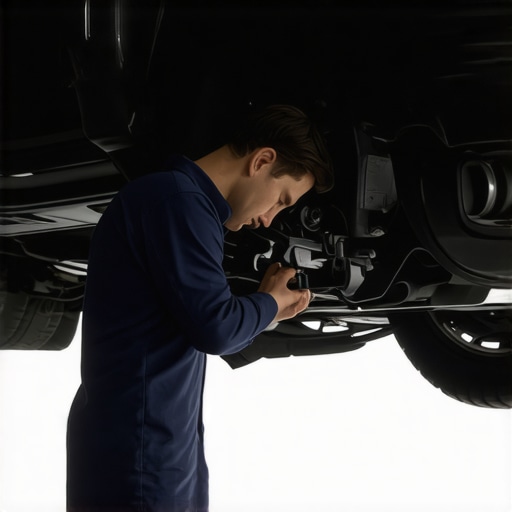 While beginner guides to auto repair are invaluable, they often miss the subtle complexities that can make or break your car’s health. Many assume that simple fixes, like replacing brake pads, are straightforward, but the reality is far more nuanced. For instance, a common myth is that all brake pads wear evenly; in truth, uneven pad wear can subtly cause pull during acceleration, especially if one side contacts the rotor more than the other, leading to dangerous handling issues. Experts warn that failing to consider the tensioner condition in your serpentine belt system can cause premature belt failure, yet many overlook this critical component until it’s too late. To catch these issues early, understanding that a squealing belt might indicate a worn tensioner rather than just a loose belt saves money and prevents breakdowns, as outlined in trusted automotive studies.
So, how do you avoid falling into these traps? First, recognize that every component’s condition affects overall safety and performance. Don’t just replace parts; analyze how they interact within your vehicle’s system. Regularly check not only the obvious elements like brake pads but also less noticeable parts such as alternator belts or radiator hoses. For example, a failing alternator can cause dimming headlights and sluggish performance, issues often dismissed as minor, but they indicate deeper electrical problems that could leave you stranded. For proactive diagnostics, explore detailed guides like the one on spotting a failing alternator.
Here’s a critical pitfall to avoid: assume that all repairs are one-and-done. Many vehicle issues are interconnected; a problem with your transmission fluid can manifest as shuddering during shifts, which isn’t just a transmission issue but also linked to fluid quality and level. Regularly inspecting and changing your transmission fluid, especially if your vehicle is older, can prevent escalated repairs later. Additionally, many think that new parts always fix issues permanently, but neglecting system-wide factors like cooling system health or electrical wiring can lead to recurring problems. For example, persistent overheating might seem like a radiator malfunction but could stem from clogged drains, which you can learn to clear yourself through guides on sunroof drain cleaning.
Now, a word for the advanced DIYer: paying attention to little clues can prevent big failures. Symptoms like a slight misfire or a faint vibration could indicate early signs of issues such as failing spark plugs or worn-out motor mounts—problems that, if caught quickly, are inexpensive to fix. Remember, maintaining your vehicle isn’t just about reacting to failures but proactively addressing the hidden nuances.
So, have you ever fallen into this trap of oversimplifying repairs? Let me know in the comments! Being aware of these nuances helps you become a better, safer driver, and keeps your car running smoothly longer.
Choosing the Right Tools for Longevity
Investing in quality tools is paramount for effective vehicle maintenance. I personally rely on a set of professional-grade ratchets, socket sets, and wrenches from brands like Snap-on and Craftsman—these withstand rust, wear, and provide precision. For example, a good torque wrench ensures your bolts are tightened correctly, preventing issues like loose suspension components or over-tightening sensitive parts. Additionally, a reliable multimeter helps diagnose electrical problems early, saving time and preventing breakdowns. Over time, these tools have proven invaluable in maintaining my car’s health without frequent visits to the shop.
Smart Software for Accurate Diagnostics
Modern vehicles come with complex electronic systems, making diagnostic tools like OBD2 scanners essential. I prefer the BlueDriver scanner because it offers comprehensive live data, clears error codes, and even advises on repairs. Apps such as Torque Pro on Android devices sync effortlessly, translating code readings into understandable insights. Using these tools regularly allows me to catch issues like sensor failures or misfires before they escalate. Predictive diagnostics are the future—software that learns your vehicle’s behavior can alert you to anomalies even before symptoms appear.
Establishing a Routine Maintenance Schedule
Consistency is key. I follow a routine that includes checking fluid levels, inspecting belts, and testing brake components every few months. Keeping an eye on the serpentine belt tensioner—especially if you notice squealing—can prevent unexpected breakdowns; check out this guide for detailed tips. Regular oil changes, at manufacturer-recommended intervals, improve engine longevity. Use quality filters and synthetic oil to ensure smooth operation during extreme temperatures or long trips.
How do I maintain my vehicle over time?
Beyond immediate repairs, long-term maintenance involves tracking wear patterns and replacing parts before failure. For example, inspecting your brakes periodically can reveal uneven pad wear that signals caliper issues. Keep a maintenance log to schedule timely replacements—this prevents costly repairs like transmission rebuilds or collision renew work after accidental impacts. Additionally, staying aware of system diagnostics through advanced tools helps identify minor issues, such as a failing alternator, before they leave you stranded. For instance, detecting early signs of alternator wear can be as simple as monitoring irregular voltage levels, which a good multimeter can reveal—more on that here. Practicing proactive checks and using specialized software solutions ensures your vehicle runs reliably longer.
Scaling Your Maintenance Efforts
If you own multiple vehicles or have a fleet, automation and digital tracking become vital. Vehicle management software can remind you of servicing cycles, record repairs, and alert for parts nearing end-of-life. I use Fleetio for its intuitive dashboard and integration capabilities, which help me plan maintenance without missing critical intervals. Additionally, for collision repair, having a systematic approach to assessing damages—like checking factory gaps after minor impacts—ensures safety and aesthetic integrity, as outlined in this article. The trend in vehicle care points toward connected systems that provide real-time status updates and preventative alerts, making long-term upkeep more manageable.
How do I ensure my vehicle remains reliable over time?
Consistency combined with the right tools is your best defense. Regularly update your diagnostic software, keep a well-stocked set of quality tools, and stay informed about your vehicle’s specific maintenance needs. Don’t forget to perform routine inspections using advanced equipment—like testing the health of your electric system or belts—and consult expert sources when in doubt. For example, regularly checking the health of your cooling system and radiators, including radiator drains, can prevent overheating during hot summer drives. Better yet, schedule professional inspections periodically to catch hidden issues early. As vehicle technology evolves, embracing these practices will keep your car running smoothly for years to come. Try integrating a diagnostic app into your routine this month, and witness how early detection makes a difference in your car’s performance.
The Hardest Lesson I Learned About auto repair,brake service,car service,transmission,collisionrenew
One of my biggest takeaways was realizing that ignoring small signs—like a slight vibration or odd smell—can lead to costly repairs later. Embracing patience and thorough diagnostics saved me frustration and money. It taught me that stepping back and observing carefully often reveals the root cause rather than just treating symptoms.
3 Myths About auto repair,brake service,car service,transmission,collisionrenew That Held Me Back
I used to believe that all brake pads wear evenly or that a squealing belt was just a nuisance. These misconceptions delayed proper maintenance. Learning the truth—like uneven pad wear indicating caliper issues—empowered me to catch problems early and avoid dangerous situations.
What Experts Won’t Tell You About auto repair,brake service,car service,transmission,collisionrenew
Many professionals keep quiet about the importance of regular fluid checks or the subtle signs of drivetrain wear. Gaining this insider knowledge transformed my approach from reactive to proactive, helping me anticipate issues before they escalate.
My Essential Toolkit for car care
Investing in quality tools like a reliable torque wrench and a digital multimeter has been invaluable. These tools help me perform precise repairs, ensuring safety and longevity—trustworthy resources that I personally rely on for peace of mind.
Books That Changed How I View vehicle maintenance
Reading detailed guides on automotive systems expanded my understanding beyond basic repairs. Titles focused on engine diagnostics and suspension systems provided clarity, enabling me to tackle complex problems confidently and perform repairs that last.
Where to Go from Here
Stay curious and proactive. Regularly check your vehicle’s vital signs using diagnostic apps or a good scanner—these tools give early warnings and help you plan maintenance effectively. Embracing continuous learning ensures your car remains reliable and safe.
Don’t Be Afraid to Start Your Auto Repair Journey
Taking initiative might seem daunting, but every small repair builds your confidence and saves money. Remember, every expert was once a beginner. Dive into resources, ask questions, and keep your vehicle in top shape. You’ve got this! Do you have a repair challenge you’re hesitating to try? Share your experience below, and let’s troubleshoot together.