
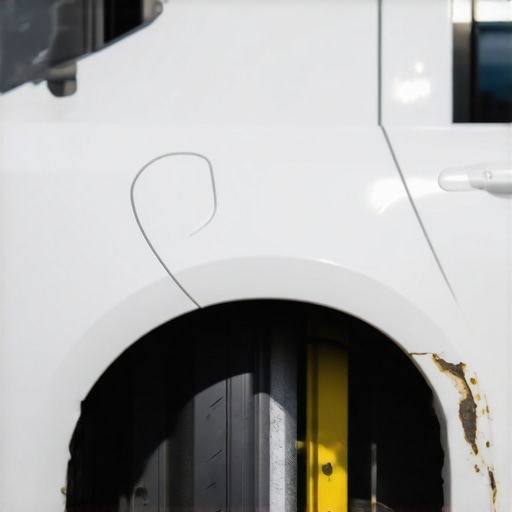
Ever opened your car door and noticed a suspicious bubble or rust spot lurking beneath the side skirts, only to dismiss it as minor? That was me a few months ago. I ignored that tiny rust spot, thinking it was superficial, but soon enough, it started to spread—threatening the integrity of my vehicle. That lightbulb moment made me realize: this isn’t just about aesthetics; it’s about preventing costly repairs down the line.
Why Hidden Rust Could Be a Car’s Silent Assassin
Ensuring your vehicle remains safe and reliable involves more than just tackling visible dents or scratches. Often, the real trouble is hidden corrosion lurking beneath the surface, especially under the side skirts where water and grime tend to accumulate. Left unchecked, this rust can weaken structural components, leading to expensive repairs or even safety hazards. Did you know that rust damage can sometimes go unnoticed for years, only revealing itself when it’s too late? A study by the Steel Recycling Institute notes that preventing rust early saves up to 70% in repair costs over neglecting it.
Is Fighting Rust Under Side Skirts Really Worth the Fuss?
Early in my repair journey, I made a mistake: I relied solely on superficial inspections, assuming that surface rust was all I needed to worry about. That oversight nearly cost me dearly. Luckily, I learned that proactive, in-depth inspections and timely repairs are essential. If you’re like me, eager to keep your ride in top shape without breaking the bank, then understanding how to repair hidden rust under side skirts is a game-changer.
Let’s dive into how you can detect, assess, and treat this sneaky issue—so your car stays safe, stylish, and rust-free for years to come.
Inspect Thoroughly to Detect Rust Buildup
Begin by raising your vehicle using jack stands, ensuring safety with wheel chocks. Spray a mixture of soapy water over the side skirts and look for bubbles or discoloration indicating hidden rust. Use a plastic pry tool to gently scrape along the edges, feeling for softened metal or flaky paint, which signals rust beneath the surface—this step resembles peeling layers of an onion to get to the core issue. Once detected, mark these spots with chalk for easy reference. In my own experience, this initial inspection saved me from costly repairs later, as I caught rust early before it penetrated the structural parts.
Remove Paint and Surface Rust Carefully
Use a wire brush or sanding disc attached to a drill to strip paint around the rusted area, revealing the extent of corrosion. Wear protective goggles and a mask to avoid inhaling debris. Apply rust converter on remaining rust spots; this chemical transforms rust into a stable, paintable surface. Allow it to cure as per manufacturer instructions. My first time doing this, I learned that patience is key—rushing can leave behind residues that later cause re-oxidation, so spending time now prevents future headaches.
Sand and Prime for a Smooth Finish
After treating rust, sand the area smoothly with fine-grit sandpaper to prepare for painting. Clean off dust with a tack cloth, then apply a primer designed for metal surfaces; this creates a barrier against moisture. Ensure the primer covers all treated zones evenly, preventing moisture from seeping in again. During my repair, I found that a well-primed surface was essential for the final paint to adhere properly, otherwise, rust could reappear.
Apply Matching Paint and Seal
Use spray paint that matches your car’s color code, available from auto parts stores, to blend the repaired area seamlessly. Apply multiple light coats instead of one heavy layer, allowing each to dry thoroughly. Finish with a clear sealant designed for outdoor use, which adds a protective barrier against environmental elements. In my case, the difference was remarkable—no one could tell the repair was even made. For wider repairs or complicated shapes, refer to specialized techniques like those in https://collisionrenew.com/how-collisionrenew-repairs-scuffed-alloy-wheels-to-look-new.
Prevent Future Rust Formation to Keep Your Car Safe
Regularly wash your vehicle, focusing on the undercarriage and side skirts, especially after winter or driving through salted roads. Applying a rubberized undercoat or wax can provide an additional layer of defense. Inspect these areas quarterly for any signs of damage or new rust spots. Maintaining a proactive approach is akin to keeping your teeth clean—preventing decay is far easier than dealing with a full cavity. Integrating these steps into your routine ensures your car remains both stylish and structurally sound, avoiding costly repairs down the line.
Many car owners operate under common misconceptions that can lead to costly mistakes, especially when it comes to critical systems like transmissions, brakes, or collision repairs. Let’s clear up some of the most persistent myths and illuminate the subtle nuances that often go unnoticed by even seasoned drivers. Understanding these pitfalls can not only save you money but also extend the lifespan of your vehicle.
Are Oil Changes Always Enough to Keep Your Car Healthy?
While regular oil changes are essential, relying solely on this maintenance routine is a trap many fall into. Modern engines benefit from comprehensive checks, including transmission fluid level assessments and brake system inspections. For example, neglecting to monitor transmission fluid levels or ignoring early signs of transmission leaks can result in severe damage, often requiring costly replacements. You can learn more about avoiding transmission pitfalls in this detailed guide. Remember, a holistic approach to vehicle care prevents minor issues from escalating.
Common Mistakes in Collision Repairs
One widespread misconception is the belief that bodywork alone restores a vehicle’s safety. In reality, structural integrity and proper alignment are critical. Skipping specialized procedures such as restoring factory gaps or inspecting hidden damages can compromise your car’s safety and drivability. For precise collision restoration, methods like those described at CollisionRenew’s detailed techniques are invaluable. Always demand thorough assessments rather than settling for surface fixes, ensuring your vehicle is truly safe post-repair.
Can Failing to Address Brake System Issues Lead to More Than Just Noise?
Absolutely. Many drivers dismiss early signs of brake problems—like squeaking or uneven wear—as minor nuisances. However, this neglect can result in warped rotors, master cylinder failure, or even brake failure, especially if brake pads are unevenly worn. A common oversight is to underestimate the importance of components that influence brake effectiveness, such as the brake fluid condition. For guidance on maintaining brake health, check out this resource. Remember, effective braking is vital for safety, and early intervention can prevent accidents.
What Advanced Mistakes Do Often-Go-By Owners Overlook?
One subtle but critical mistake is ignoring signs of vacuum leaks that impair engine performance or overlooking symptoms of fluid leaks in the transmission. These issues might not be immediately visible but can cause significant damage if not diagnosed correctly. For advanced diagnostics, using products like soapy water to find leaks can be a game-changer, as explained at this article. Investing in diagnostics and understanding the underlying causes helps you avoid the ‘Oops’ moments that turn minor fixes into major repairs.
In essence, debunking these myths and paying attention to the subtleties of auto repair can dramatically improve your vehicle’s longevity and safety. Remember, routine inspections, expert advice, and a proactive mindset are your best tools in vehicle maintenance. Have you ever fallen into this trap? Let me know in the comments and share your experiences!
Maintaining your vehicle’s performance over time requires more than just basic routines; investing in quality tools and adopting effective techniques can make a significant difference. Personally, I rely on a combination of professional-grade diagnostic equipment and specific cleaning supplies to ensure my car stays running smoothly and looks great. For instance, using an OBD-II scanner like the Autel MaxiScan MS300 allows me to quickly identify error codes before they become major issues, saving me time and money. I also swear by a high-quality ultrasonic cleaning kit for fuel injectors, which helps maintain optimal engine performance without costly mechanic visits. Looking ahead, I believe the trend toward integrated, smart maintenance tools will continue to grow, making it easier for owners to monitor their vehicle’s health remotely and perform minor repairs at home.
How do I keep my vehicle’s performance consistent over the long haul?
Regularly scheduled maintenance remains key. I recommend setting up a detailed service calendar that incorporates essential checks, such as transmission fluid levels, brake system integrity, and suspension health. For example, periodically inspecting brake pads and rotors with specialized tools—like the brake pad gauge I use—helps prevent uneven wear and extends their lifespan. Be sure to also keep a record of previous service intervals; this not only aids diagnostics but also helps you predict future needs more accurately. For instance, checking for signs of transmission leaks early can avoid complete failures, and a simple method I use involves inspecting the transmission fluid with a dipstick—clear and slightly pink fluid signals good health. Investing in these tools and routines ensures your vehicle remains reliable and safe for the years ahead.

What essential tools should every car owner have on hand?
I recommend assembling a core kit that includes a quality jack and jack stands, a set of wrenches, screwdrivers, and an LED work light. These basics enable you to handle common issues like changing a tire or repairing minor leaks. Additionally, a portable vacuum pump can be invaluable for bleeding brake lines or servicing cooling systems, especially when combined with a detailed understanding of procedures from expert guides. For example, using a hand-held vacuum pump to test for vacuum leaks, as explained in https://collisionrenew.com/the-simple-trick-to-finding-a-vacuum-leak-using-soapy-water, can save you from expensive diagnostics. By having these tools ready, you’ll feel empowered to address routine maintenance or minor repairs without always relying on a mechanic.
Why are professional diagnostic tools worth the investment?
While generic code readers are affordable, they often lack the depth needed for complex issues. I personally utilize the BlueDriver Scan Tool, which interfaces with my smartphone to provide detailed diagnostics, including live data and stored error codes. This allows me to identify problems like misfires or sensor failures early, often before the check engine light even comes on. Looking forward, I see a future where AI-powered diagnostic tools will become affordable for the average owner, offering real-time insights and recommendations that help prolong vehicle lifespan and prevent costly breakdowns. Embracing these advanced tools now, like integrating software updates and firmware checks, gives you a serious advantage in vehicle care.
If you’re ready to elevate your maintenance game, I highly suggest trying out a diagnostic method like the one for detecting vacuum leaks with soapy water—it’s surprisingly effective and simple to do on your own. Developing a routine of using specific tools tailored to your vehicle’s needs is the best way to keep it running reliably for years to come.
From my own experience, I realized that the most overlooked part of car maintenance is often the one beneath our noses — or, more precisely, beneath the side skirts. Early on, I ignored those tiny rust spots, thinking they were superficial. But I learned the hard way that lurking corrosion can silently compromise your vehicle’s safety and longevity, turning minor issues into major repairs. Addressing rust under side skirts isn’t just about aesthetics; it’s about safeguarding your investment and ensuring peace of mind.
Lessons That Changed My Approach To Car Care
- Don’t Trust Surface Looks Alone: I used to believe that visible rust was the only threat. Discovering rust beneath the surface taught me the importance of thorough inspections beyond what I see at first glance.
- Early Detection Saves Big: Regularly inspecting hidden areas saved me thousands when I caught rust before it penetrated structural components.
- Quality Tools Matter: Investing in proper cleaning and repair tools made the process manageable and effective, preventing future corrosion.
Tools And Resources That Elevated My Skills
- A reliable wire brush and angle grinder helped me remove rust cleanly and efficiently.
- Rust converter solutions turned rust into a stable surface ready for priming, which I found invaluable for long-term durability.
- High-quality automotive spray paints and primers allowed me to seamlessly blend repairs with my car’s original finish, enhancing both appearance and protection.
- The comprehensive guides on collisionrenew.com provided step-by-step techniques that boosted my confidence and outcomes.
Embrace Your Inner Car Protector Today
Taking control of hidden rust issues transforms you from passive owner to proactive guardian of your vehicle’s health. Every inspection, repair, and preventative measure is an investment that extends your car’s lifespan and saves you money in the long run. Remember, addressing rust early isn’t just a repair — it’s a statement that you value your safety and your ride. Are you ready to take your automotive care into your own hands and prevent rust from becoming a costly problem? Share your experiences or questions below — I’d love to hear what’s worked for you in preserving your vehicle’s integrity!