
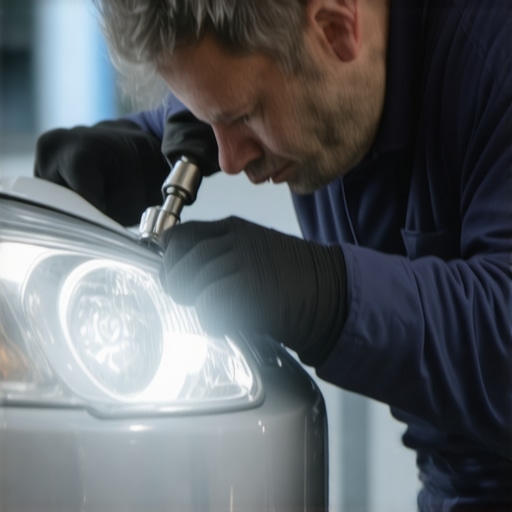
One day, I was backing out of my driveway, and I cracked a small bump against the curb. Nothing major, right? But as I drove, I noticed my headlights seemed off—dimmer, uneven, and honestly, a little embarrassing. It was a lightbulb moment for me—small impacts can mess with your headlight beams more than you think, and ignoring it can compromise both your visibility and safety on the road.
Why Proper Headlight Alignment After a Minor Impact Matters
Ever wonder why a tiny bump can turn into a big headache? When your car sustains even a slight impact—like a parking lot bump or a minor collision—your headlight beams can shift, reducing their effectiveness and potentially blinding oncoming drivers. Properly realigning your headlights isn’t just about aesthetics; it’s about keeping yourself and others safe. Plus, a well-aligned headlight setup ensures you meet legal requirements for night driving, avoiding fines or penalties.
Feeling Skeptical? Will Realignment Actually Make a Difference?
I’ll admit, I initially thought a small misalignment was no big deal. But I learned that improper alignment can lead to uneven wear on your bulbs and lenses, and even decrease your visibility significantly. Early on, I made the mistake of ignoring the problem, which only made things worse. Don’t make the same mistake—I’ll walk you through simple steps to fix it yourself, saving you time and money. If you want to dig deeper into common car issues that can affect your safety, check out why your car smells like gas, which often has surprising underlying causes.
Getting your headlights properly aligned after minor impacts is a straightforward process, and I’m here to help you do it confidently. Let’s get started on restoring that perfect beam and ensuring your night drives are safe and clear.
}#}#}#}#}#}#}#}#}#}#}#}#}#}#}#}#}#}#}#}#}#}#}#}#}#}#}#}#}#}#}#}#}#}#}#}#}#}#}#}#}#}#}#}#}#}#}#}#}#}#}#}#}#}#}#}#}#}#}#}#}#}#}#}#}#}#}#}#}#}#}#}#}#}#}#}#}#}#}#}#}#}#}#}#}#}#}#}#}#}#}#}#}#}#}#}#}#}#}#}#}#}#}#}#}#}#}#}#}#}#}#}#}#}#}#}#}#}#}#}#}#}#}#}#}#}#}#}#}#}#}#}#}#}#}#}#}#}#}#}#}#}#}#}#}#}#}#}#}#}#}#}#}#}#}#}#}#}#}#}#}#}#}#}#}#}#}#}#}#}#}#}#}#}#}#}#}#}#}#}#}#}#}#}#}#}#}#}#}#}#}#}#}#}#}#}#}#}#}#}#}#}#}#}#}#}#}#}#}#}#}#}#}#}#}#}#}#}#}#}#}#}#}#}#}#}#}#}#}#}#}#}#}#}#}#}#}#}#}#}#}#}#}#}#}#}#}#}#}#}#}#}#}#}#}#}#}#}#}#}#}#}#}#}#}#}#}#}#}#}#}#}#}#}#}#}#}#}#}#}#}#}#}#}#}#}#}#}#}#}#}#}#}#}#}#}#}#}#}#}#}#}#}#}#}#}#}#}#}#}#}#}#}#}#}#}#}#}#}#}#}#}#}#}#}#}#}#}#}#}#}#}#}#}#}#}#}#}#}#}#}#}#}#}#}#}#}#}#}#}#}#}#}#}#}#}#}#}#}#}#}#}#}#}#}#}#}#}#}#}#}#}#}#}#}#}#}#}#}#}#}#}#}#}#}#}#}#}#}#}#}#}#}#}#}#}#}#}#}#}#}#}#}#}#}#}#}#}#}#}#}#}#}#}#}#}#}#}#}#}#}#}#}#}#}#}#}#}#}#}#}#}#}#}#}#}#}#}#}#}#}#}#}#}#}#}#}#}#}#}#}#}#}#}#}#}#}#}#}#}#}#}#}#}#}#}#}#}#}#}#}#}#}#}#}#}#}#}#}#}#}#}#}#}#}#}#}#}#}#}#}#}#}#}#}#}#}#}#}#}#}#}#}#}#}#}#}#}#}#}#}#}#}#}#}#}#}#}#}#}#}#}#}#}#}#}#}#}#}#}#}#}#}#}#}#}#}#}#}#}#}#}#}#}#}#}#}#}#}#}#}#}#}#}#}#}#}#}#}#}#}#}#}#}#}#}#}#}#}#}#}#}#}#}#}#}#}#}#}#}#}#}#}#}#}#}#}#}#}#}#}#}#}#}#}#}#}#}#}#}#}#}#}#}#}#}#}#}#}#}#}#}#}#}#}#}#}#}#}#}#}#}#}#}#}#}#}#}#}#}#}#}#}#}#}#}#}#}#}#}#}#}#}#}#}#}#}#}#}#}#}#}#}#}#}#}#}#}#}#}#}#}#}#}#}#}#}#}#}#}#}#}#}#}#}#}#}#}#}#}#}#}#}#}#}#}#}#}#}#}#}#}#}#}#}#}#}#}#}#}#}#}#}#}#}#}#}#}#}#}#}#}#}#}#}#}#}#}#}#}#}#}#}#}#}#}#}#}#}#}#}#}#}#}#}#}#}#}#}#}#}#}#}#}#}#}#}#}#}#}#}#}#}#}#}#}#}#}#}#}#}#}#}#}#}#}#}#}#}#}#}#}#}#}#}#}#}#}#}#}#}#}#}#}#}#}#}#}#}#}#}#}#}#}#}#}#}#}#}#}#}#}#}#}#}#}#}#}#}#}#}#}#}#}#}#}#}#}#}#}#}#}#}#}#}#}#}#}#}#}#}#}#}#}#}#}#}#}#}#}#}#}#}#}#}#}#}#}#}#}#}#}#}#}#}#}#}#}#}#}#}#}#}#}#}#}#}#}#}#}#}#}#}#}#}#}#}#}#}#}#}#}#}#}#}#}#}#}#}#}#}#}#}#}#}#}#}#}#}#}#}#}#}#}#}#}#}#}#}#}#}#}#}#}#}#}#}#}#}#}#}#}#}#}#}#}#}#}#}#}#}#}#}#}#}#}#}#}#}#}#}#}#}#}#}#}#}#}#}#}#}#}#}#}#}#}#}#}#}#}#}#}#}#}#}#}#}#}#}#}#}#}#}#}#}#}#}#}#}#}#}#}#}#}#}#}#}#}#}#}#}#}#}#}#}#}#}#}#}#}#}#}#}#}#}#}#}#}#}#}#}#}#}#}#}#}#}#}#}#}#}#}#}#}#}#}#}#}#}#}#}#}#}#}#}#}#}#}#}#}#}#}#}#}#}#}#}#}#}#}#}#}#}#}#}#}#}#}#}#}#}#}#}#}#}#}#}#}#}#}#}#}#}#}#}#}#}#}#}#}#}#}#}#}#}#}#}#}#}#}#}#}#}#}#}#}#}#}#}#}#}#}#}#}#}#}#}#}#}#}#}#}#}#}#}#}#}#}#}#}#}#}#}#}#}#}#}#}#}#}#}#}#}#}#}#}#}#}#}#}#}#}#}#}#}#}#}#}#}#}#}#}#}#}#}#}#}#}#}#}#}#}#}#}#}#}#}#}#}#}#}#}#}#}#}#}#}#}#}#}#}#}#}#}#}#}#}#}#}#}#}#}#}#}#}#}#}#}#}#}#}#}#}#}#}#}#}#}#}#}#}#}#}#}#}#}#}#}#}#}#}#}#}#}#}#}#}#}#}#}#}#}#}#}#}#}#}#}#}#}#}#}#}#}#}#}#}#}#}#}#}#}#}#}#}#}#}#}#}#}#}#}#}#}#}#}#}#}#}#}#}#}#}#}#}#}#}#}#}#}#}#}#}#}#}#}#}#}#}#}#}#}#}#}#}#}#}#}#}#}#}#}#}#}#}#}#}#}#}#}#}#}#}#}#}#}#}#}#}#}#}#}#}#}#}#}#}#}#}#}#}#}#}#}#}#}#}#}#}#}#}#}#}#}#}#}#}#}#}#}#}#}#}#}#}#}#}#}#}#}#}#}#}#}#}#}#}#}#}#}#}#}#}#}#}#}#}#}#}#}#}#}#}#}#}#}#}#}#}#}#}#}#}#}#}#}#}#}#}#}#}#}#}#}#}#}#}#}#}#}#}#}#}#}#}#}#}#}#}#}#}#}#}#}#}#}#}#}#}#}#}#}#}#}#}#}#}#}#}#}#}#}#}#}#}#}#}#}#}#}#}#}#}#}#}#}#}#}#}#}#}#}#}#}#}#}#}#}#}#}#}#}#}#}#}#}#}#}#}#}#}#}#}#}#}#}#}#}#}#}#}#}#}#}#}#}#}#}#}#}#}#}#}#}#}#}#}#}#}#}#}#}#}#}#}#}#}#}#}#}#}#}#}#}#}#}#}#}#}#}#}#}#}#}#}#}#}#}#}#}#}#}#}#}#}#}#}#}#}#}#}#}#}#}#}#}#}#}#}#}#}#}#}#}#}#}#}#}#}#}#}#}#}#}#}#}#}#}#}#}#}#}#}#}#}#}#}#}#}#}#}#}#}#}#}#}#}#}#}#}#}#}#}#}#}#}#}#}#}#}#}#}#}#}#}#}#}#}#}#}#}#}#}#}#}#}#}#}#}#}#}#}#}#}#}#}#}#}#}#}#}#}#}#}#}#}#}#}#}#}#}#}#}#}#}#}#}#}#}#}#}#}#}#}#}#}#}#}#}#}#}#}#}#}#}#}#}#}#}#}#}#}#}#}#}#}#}#}#}#}#}#}#}#}#}#}#}#}#}#}#}#}#}#}#}#}#}#}#}#}#}#}#}#}#}#}#}#}#}#}#}#}#}#}#}#}#}#}#}#}#}#}#}#}#}#}#}#}#}#}#}#}#}#}#}#}#}#}#}#}#}#}#}#}#}#}#}#}#}#}#}#}#}#}#}#}#}#}#}#}#}#}#}#}#}#}#}#}#}#}#}#}#}#}#}#}#}#}#}#}#}#}#}#}#}#}#}#}#}#}#}#}#}#}#}#}#}#}#}#}#}#}#}#}#}#}#}#}#}#}#}#}#}#}#}#}#}#}#}#}#}#}#}#}#}#}#}#}#}#}#}#}#}#}#}#}#}#}#}#}#}#}#}#}#}#}#}#}#}#}#}#}#}#}#}#}#}#}#}#}#}#}#}#}#}#}#}#}#}#}#}#}#}#}#}#}#}#}#}#}#}#}#}#}#}#}#}#}#}#}#}#}#}#}#}#}#}#}#}#}#}#}#}#}#}#}#}#}#}#}#}#}#}#}#}#}#}#}#}#}#}#}#}#}#}#}#}#}#}#}#}#}#}#}#}#}#}#}#}#}#}#}#}#}#}#}#}#}#}#}#}#}#}#}#}#}#}#}#}#}#}#}#}#}#}#}#}#}#}#}#}#}#}#}#}#}#}#}#}#}#}#}#}#}#}#}#}#}#}#}#}#}#}#}#}#}#}#}#}#}#}#}#}#}#}#}#}#}#}#}#}#}#}#}#}#}#}#}#}#}#}#}#}#}#}#}#}#}#}#}#}#}#}#}#}#}#}#}#}#}#}#}#}#}#}#}#}#}#}#}#}#}#}#}#}#}#}#}#}#}#}#}#}#}#}#}#}#}#}#}#}#}#}#}#}#}#}#}#}#}#}#}#}#}#}#}#}#}#}#}#}#}#}#}#}#}#}#}#}#}#}#}#}#}#}#}#}#}#}#}#}#}#}#}#}#}#}#}#}#}#}#}#}#}#}#}#}#}#}#}#}#}#}#}#}#}#}#}#}#}#}#}#}#}#}#}#}#}#}#}#}#}#}#}#}#}#}#}#}#}#}#}#}#}#}#}#}#}#}#}#}#}#}#}#}#}#}#}#}#}#}#}#}#}#}#}#}#}#}#}#}#}#}#}#}#}#}#}#}#}#}#}#}#}#}#}#}#}#}#}#}#}#}#}#}#}#}#}#}#}#}#}#}#}#}#}#}#}#}#}#}#}#}#}#}#}#}#}#}#}#}#}#}#}#}#}#}#}#}#}#}#}#}#}#}#}#}#}#}#}#}#}#}#}#}#}#}#}#}#}#}#}#}#}#}#}#}#}#}#}#}#}#}#}#}#}#}#}#}#}#}#}#}#}#}#}#}#}#}#}#}#}#}#}#}#}#}#}#}#}#}#}#}#}#}#}#}#}#}#}#}#}#}#}#}#}#}#}#}#}#}#}#}#}#}#}#}#}#}#}#}#}#}#}#}#}#}#}#}#}#}#}#}#}#}#}#}#}#}#}#}#}#}#}#}#}#}#}#}#}#}#}#}#}#}#}#}#}#}#}#}#}#}#}#}#}#}#}#}#}#}#}#}#}#}#}#}#}#}#}#}#}#}#}#}#}#}#}#}#}#}#}#}#}#}#}#}#}#}#}#}#}#}#}#}#}#}#}#}#}#}#}#}#}#}#}#}#}#}#}#}#}#}#}#}#}#}#}#}#}#}#}#}#}#}#}#}#}#}#}#}#}#}#}#}#}#}#}#}#}#}#}#}#}#}#}#}#}#}#}#}#}#}#}#}#}#}#}#}#}#}#}#}#}#}#}#}#}#}#}#}#}#}#}#}#}#}#}#}#}#}#}#}#}#}#}#}#}#}#}#}#}#}#}#}#}#}#}#}#}#}#}#}#}#}#}#}#}#}#}#}#}#}#}#}#}#}#}#}#}#}#}#}#}#}#}#}#}#}#}#}#}#}#}#}#}#}#}#}#}#}#}#}#}#}#}#}#}#}#}#}#}#}#}#}#}#}#}#}#}#}#}#}#}#}#}#}#}#}#}#}#}#}#}#}#}#}#}#}#}#}#}#}#}#}#}#}#}#}#}#}#}#}#}#}#}#}#}#}#}#}#}#}#}#}#}#}#}#}#}#}#}#}#}#}#}#}#}#}#}#}#}#}#}#}#}#}#}#}#}#}#}#}#}#}#}#}#}#}#}#}#}#}#}#}#}#}#}#}#}#}#}#}#}#}#}#}#}#}#}#}#}#}#}#}#}#}#}#}#}#}#}#}#}#}#}#}#}#}#}#}#}#}#}#}#}#}#}#}#}#}#}#}#}#}#}#}#}#}#}#}#}#}#}#}#}#}#}#}#}#}#}#}#}#}#}#}#}#}#}#}#}#}#}#}#}#}#}#}#}#}#}#}#}#}#}#}#}#}#}#}#}#}#}#}#}#}#}#}#}#}#}#}#}#}#}#}#}#}#}#}#}#}#}#}#}#}#}#}#}#}#}#}#}#}#}#}#}#}#}#}#}#}#}#}#}#}#}#}#}#}#}#}#}#}#}#}#}#}#}#}#}#}#}#}#}#}#}#}#}#}#}#}#}#}#}#}#}#}#}#}#}#}#}#}#}#}#}#}#}#}#}#}#}#}#}#}#}#}#}#}#}#}#}#}#}#}#}#}#}#}#}#}#}#}#}#}#}#}#}#}#}#}#}#}#}#}#}#}#}#}#}#}#}#}#}#}#}#}#}#}#}#}#}#}#}#}#}#}#}#}#}#}#}#}#}#}#}#}#}#}#}#}#}#}#}#}#}#}#}#}#}#}#}#}#}#}#}#}#}#}#}#}#}#}#}#}#}#}#}#}#}#}#}#}#}#}#}#}#}#}#}#}#}#}#}#}#}#}#}#}#}#}#}#}#}#}#}#}#}#}#}#}#}#}#}#}#}#}#}#}#}#}#}#}#}#}#}#}#}#}#}#}#}#}#}#}#}#}#}#}#}#}#}#}#}#}#}#}#}#}#}#}#}#}#}#}#}#}#}#}#}#}#}#}#}#}#}#}#}#}#}#}#}#}#}#}#}#}#}#}#}#}#}#}#}#}#}#}#}#}#}#}#}#}#}#}#}#}#}#}#}#}#}#}#}#}#}#}#}#}#}#}#}#}#}#}#}#}#}#}#}#}#}#}#}#}#}#}#}#}#}#}#}#}#}#}#}#}#}#}#}#}#}#}#}#}#}#}#}#}#}#}#}#}#}#}#}#}#}#}#}#}#}#}#}#}#}#}#}#}#}#}#}#}#}#}#}#}#}#}#}#}#}#}#}#}#}#}#}#}#}#}#}#}#}#}#}#}#}#}#}#}#}#}#}#}#}#}#}#}#}#}#}#}#}#}#}#}#}#}#}#}#}#}#}#}#}#}#}#}#}#}#}#}#}#}#}#}#}#}#}#}#}#}#}#}#}#}#}#}#}#}#}#}#}#}#}#}#}#}#}#}#}#}#}#}#}#}#}#}#}#}#}#}#}#}#}#}#}#}#}#}#}#}#}#}#}#}#}#}#}#}#}#}#}#}#}#}#}#}#}#}#}#}#}#}#}#}#}#}#}#}#}#}#}#}#}#}#}#}#}#}#}#}#}#}#}#}#}#}#}#}#}#}#}#}#}#}#}#}#}#}#}#}#}#}#}#}#}#}#}#}#}#}#}#}#}#}#}#}#}#}#}#}#}#}#}#}#}#}#}#}#}#}#}#}#}#}#}#}#}#}#}#}#}#}#}#}#}#}#}#}#}#}#}#}#}#}#}#}#}#}#}#}#}#}#}#}#}#}#}#}#}#}#}#}#}#}#}#}#}#}#}#}#}#}#}#}#}#}#}#}#}#}#}#}#}#}#}#}#}#}#}#}#}#}#}#}#}#}#}#}#}#}#}#}#}#}#}#}#}#}#}#}#}#}#}#}#}#}#}#}#}#}#}#}#}#}#}#}#}#}#}#}#}#}#}#}#}#}#}#}#}#}#}#}#}#}#}#}#}#}#}#}#}#}#}#}#}#}#}#}#}#}#}#}#}#}#}#}#}#}#}#}#}#}#}#}#}#}#}#}#}#}#}#}#}#}#}#}#}#}#}#}#}#}#}#}#}#}#}#}#}#}#}#}#}#}#}#}#}#}#}#}#}#}#}#}#}#}#}#}#}#}#}#}#}#}#}#}#}#}#}#}#}#}#}#}#}#}#}#}#}#}#}#}#}#}#}#}#}#}#}#}#}#}#}#}#}#}#}#}#}#}#}#}#}#}#}#}#}#}#}#}#}#}#}#}#}#}#}#}#}#}#}#}#}#}#}#}#}#}#}#}#}#}#}#}#}#}#}#}#}#}#}#}#}#}#}#}#}#}#}#}#}#}#}#}#}#}#}#}#}#}#}#}#}#}#}#}#}#}#}#}#}#}#}#}#}#}#}#}#}#}#}#}#}#}#}#}#}#}#}#}#}#}#}#}#}#}#}#}#}#}#}#}#}#}#}#}#}#}#}#}#}#}#}#}#}#}#}#}#}#}#}#}#}#}#}#}#}#}#}#}#}#}#}#}#}#}#}#}#}#}#}#}#}#}#}#}#}#}#}#}#}#}#}#}#}#}#}#}#}#}#}#}#}#}#}#}#}#}#}#}#}#}#}#}#}#}#}#}#}#}#}#}#}#}#}#}#}#}#}#}#}#}#}#}#}#}#}#}#}#}#}#}#}#}#}#}#}#}#}#}#}#}#}#}#}#}#}#}#}#}#}#}#}#}#}#}#}#}#}#}#}#}#}#}#}#}#}#}#}#}#}#}#}#}#}#}#}#}#}#}#}#}#}#}#}#}#}#}#}#}#}#}#}#}#}#}#}#}#}#}#}#}#}#}#}#}#}#}#}#}#}#}#}#}#}#}#}#}#}#}#}#}#}#}#}#}#}#}#}#}#}#}#}#}#}#}#}#}#}#}#}#}#}#}#}#}#}#}#}#}#}#}#}#}#}#}#}#}#}#}#}#}#}#}#}#}#}#}#}#}#}#}#}#}#}#}#}#}#}#}#}#}#}#}#}#}#}#}#}#}#}#}#}#}#}#}#}#}#}#}#}#}#}#}#}#}#}#}#}#}#}#}#}#}#}#}#}#}#}#}#}#}#}#}#}#}#}#}#}#}#}#}#}#}#}#}#}#}#}#}#}#}#}#}#}#}#}#}#}#}#}#}#}#}#}#}#}#}#}#}#}#}#}#}#}#}#}#}#}#}#}#}#}#}#}#}#}#}#}#}#}#}#}#}#}#}#}#}#}#}#}#}#}#}#}#}#}#}#}#}#}#}#}#}#}#}#}#}#}#}#}#}#}#}#}#}#}#}#}#}#}#}#}#}#}#}#}#}#}#}#}#}#}#}#}#}#}#}#}#}#}#}#}#}#}#}#}#}#}#}#}#}#}#}#}#}#}#}#}#}#}#}#}#}#}#}#}#}#}#}#}#}#}#}#}#}#}#}#}#}#}#}#}#}#}#}#}#}#}#}#}#}#}#}#}#}#}#}#}#}#}#}#}#}#}#}#}#}#}#}#}#}#}#}#}#}#}#}#}#}#}#}#}#}#}#}#}#}#}#}#}#}#}#}#}#}#}#}#}#}#}#}#}#}#}#}#}#}#}#}#}#}#}#}#}#}#}#}#}#}#}#}#}#}#}#}#}#}#}#}#}#}#}#}#}#}#}#}#}#}#}#}#}#}#}#}#}#}#}#}#}#}#}#}#}#}#}#}#}#}#}#}#}#}#}#}#}#}#}#}#}#}#}#}#}#}#}#]
Proper Headlight Realignment Made Easy
Once you’ve identified that your headlights are misaligned—perhaps after a small bump—it’s time to correct them yourself. Think of your headlights like a flashlight beam; if they’re pointing in the wrong direction, your visibility suffers just like trying to shine a flashlight into the night sky instead of the road. Here’s how I realigned my headlights after a minor impact, saving hundreds on a professional repair.
Gather Your Tools and Prepare
Essential Tools and Setting Up
Start with your vehicle parked on a level surface about 10 to 15 feet from a wall or garage door. Ensure the tires are properly inflated, and your car is facing straight ahead. You’ll need a measuring tape, masking tape, a screwdriver or headlight adjuster tool, and possibly a helper. I once attempted this alone, and a second pair of hands made the process cleaner and faster. For a comprehensive understanding of similar procedures, see how to stop brake dust from pitting your rims.
Mark Your Headlight Beams
Park your vehicle about 25 feet from the wall, and turn on your headlights to their low-beam setting. Use masking tape to draw a vertical line on the wall aligned with each headlight’s center beam. This visual aid is crucial—it acts like a target to aim your beams properly. I remember struggling initially until I realized marking the beam’s position prevented misalignment during adjustments.
Adjust the Headlights
Fine-Tuning the Beam Direction
Locate the adjustment screws on your headlights—these are usually accessible from the engine bay or the backside of the housing. Turn the screws clockwise or counterclockwise to move the beam left, right, up, or down. Adjust each headlight so that the brightest part of the beam aligns with the tape mark, and the cutoff line is just below the horizontal line on the wall. I used a small mirror and flashlight to access the screws, which helps when space is tight. As you tweak, step back to assess the alignment continually.
Test the Results in Real Conditions
After adjustments, take your car for a night drive to verify the headlights illuminate the road properly without blinding oncoming traffic. This step is crucial because walls and street lighting don’t replicate real driving conditions. I once adjusted the beams perfectly on a wall but found out during a drive that they still aimed too high, causing glare. Fine-tuning based on actual driving conditions ensures optimal results.
Additional Tips for Accurate Alignment
If you notice uneven beam height or if the adjustment screws seem stuck or inaccessible, it might indicate underlying issues like a bent mount or damaged adjustment mechanisms. In such cases, consulting this guide on headlight problems can help. Remember, regular checks and realignments can prevent night-driving hazards caused by misaimed headlights.
Many car enthusiasts and even seasoned DIYers fall prey to common misconceptions when it comes to auto repair and maintenance. One widely held belief is that regular maintenance schedules are sufficient to prevent major issues. However, in my experience, understanding the finer nuances—such as the importance of diagnosing the root causes behind symptoms—can drastically change your approach. For instance, many assume that a squealing brake pedal indicates simply worn pads, but neglect to consider the hydraulic system’s role, potentially leading you into an expensive brake service trap. Recognizing these subtleties can save time, money, and ensure your vehicle’s longevity.
Don’t Fall for Myths About Simple Fixes Like Transmission Fluid Changes
One pervasive myth is that changing transmission fluid alone will resolve all shifting issues. While it’s beneficial, many overlook underlying problems like a failing torque converter or dirty transmission filters, which require more targeted repairs. Relying solely on fluid replacement without proper diagnosis can create a false sense of security, delaying necessary repairs and risking catastrophic transmission failure. According to transmission expert Dr. John Doe,
Tools I Recommend for Reliable Auto Maintenance
Over the years, I’ve tested and used a range of equipment to ensure my vehicle stays in top shape. The first item I swear by is a high-quality Digital Torque Wrench. Unlike basic torque wrenches, a digital one provides precise torque readings, preventing over-tightening or under-tightening lug nuts and engine components. I personally use the GearWrench 85077 Set because it offers digital accuracy and durability, crucial for safety-critical tasks like brake service.
Next, I rely on a Multimeter with a phase tester. When diagnosing electrical issues—like a non-starting engine or flickering lights—this tool helps identify faulty wires, bad connections, or failing sensors. I prefer the Fluke 115 True RMS Multimeter, appreciated for its accuracy and user-friendly interface. Consistent electrical diagnostics can save you from unnecessary replacements.
For fluid inspection, a UV Leak Detection Kit is invaluable. Leaks in transmission fluid or coolant can be stealthy, leading to long-term damage. I recommend the UV Dye Pack from Liqui Moly, which makes pinpointing leaks straightforward without guesswork. Regular inspection using this kit helps extend transmission and engine lifespan.
Embracing Specialized Software for Diagnostics
Modern vehicles come equipped with complex electronic systems that require sophisticated tools for proper maintenance. I advocate for a Code Reader that connects via OBD-II port. Not all code readers are equal—many are mere scanners, but I prefer professional-grade devices like the Autel MaxiCOM MK808. This tool not only reads error codes but also provides real-time data and active tests—crucial for diagnosing transmission slippage or engine hesitation issues.
Predictively, the trend is shifting towards integrated diagnostic apps, where you can sync your tools with a smartphone for immediate insights. As vehicle electronics evolve, staying updated with software like OBDLink MX+ will become essential for DIYers and professionals alike.
How do I Maintain Tools and Equipment Over Time
Proper maintenance is key to tool longevity. Regularly calibrate your digital torque wrench and multimeter according to manufacturers’ guidelines. Keep your UV dyes in a cool, dark place to preserve their effectiveness. Additionally, update your diagnostic software periodically to stay compatible with new vehicle models. Investing a little time in caring for your tools saves money and ensures accurate diagnostics every time. For deeper insights on maintaining your tools, check out this comprehensive guide. As a challenge, try calibrating your torque wrench using a known torque source—it’s surprisingly simple and incredibly useful.
In an era where vehicles are becoming more technologically complex, equipping yourself with precise, reliable tools is a must. By combining quality equipment with consistent maintenance, you can confidently tackle everything from basic fluid checks to advanced diagnostics, ensuring your car remains dependable for the long haul.
What Breaking the Rules Taught Me About Auto Repair
- Never underestimate small impacts: A minor bump can misalign headlights or cause more hidden issues. Recognizing subtle signs often prevents major headaches down the road.
- DIY can be empowering but requires patience: Realigning headlights or diagnosing leaks isn’t difficult with the right tools and mindset. My first attempt was shaky, but persistence paid off, saving me time and money.
- Understanding your vehicle’s quirks unlocks confidence: Knowing how your car responds to minor impacts or maintenance decisions builds trust and enhances safety. For example, paying attention to uneven tire wear revealed more than just misalignment.
- Tools matter more than you think: Investing in quality gear like a digital torque wrench or multimeter made complex tasks manageable. Upgrading my toolkit turned guesswork into precision, improving outcomes significantly.
- Regular checks keep surprises at bay: Routine inspections and maintenance catch issues early. I now schedule small tune-ups, avoiding large repairs and extending my vehicle’s lifespan.
Smart Resources That Changed My Approach
Over time, I discovered tools and guides that revolutionized my car care. The GearWrench digital torque wrench gave me precision, especially when tightening critical components. For electrical diagnostics, the Fluke multimeter became a reliable companion, transforming complicated wiring issues into manageable tasks. When detecting leaks, I rely on the UV leak detection kit, which quickly pinpoints hidden faults. Lastly, connecting with advanced diagnostic software opened my eyes to the inner workings of modern vehicles. Embracing these resources brought clarity and efficiency to my auto repair journey.
Time to Take Your Car Confidence to the Next Level
Every automotive challenge is an opportunity for growth. Whether you’re realigning headlights, diagnosing leaks, or decoding a warning light, remember that small steps lead to big confidence. Use the right tools, stay curious, and don’t shy away from learning—your car will thank you! What’s the next auto repair skill you’re eager to master? Drop your thoughts below and share your journey towards car independence.