

Ever had that sickening moment when you hit a pothole—a jarring bump that makes your stomach drop—and then, suddenly, your steering wheel starts feeling weird? Maybe it wobbles just a little more than usual or feels less responsive. I remember the first time this happened to me during a morning commute; I was in disbelief. One minute, everything was normal, and the next, I was navigating with a loose, almost floaty steering. It’s unsettling.
The Hidden Danger Beneath That Looseness
That feeling of your steering wheel feeling loose isn’t just an annoyance—it’s a warning sign that something in your suspension or steering system might have been compromised. After my own experience, I dug into why this happens and found that hitting a pothole can temporarily or permanently disturb vital components like tie rods, ball joints, or the steering rack. If neglected, these issues can lead to unsafe driving conditions or more costly repairs down the line.
Could a Small Bump Be a Big Problem?
My early mistake was dismissing the incident as just a minor bump, assuming the car would ‘bounce back’ on its own. But I learned that the real risk lies in underestimating the impact. Small potholes can cause misalignments or damage to components that are not visibly broken but are weakened enough to affect steering. For example, a misaligned wheel can cause uneven tire wear and even affect your car’s ability to hold a straight line. That’s why checking your alignment after a pothole encounter is so important. For quick guidance on this, see how we fix steering issues after minor impacts.
But the most important thing is not just recognizing the problem—it’s knowing whether your car is safe to drive or if you should get it checked immediately. A loose steering wheel isn’t something you should ignore. It can lead to dangerous driving situations if left unresolved.
So, if you’ve recently hit a pothole and notice your steering feels different, stick around. We’re going to explore exactly what might be causing that loose feeling and how you can address it before it turns into a bigger headache. Trust me, dealing with this early saves you money, stress, and most importantly—your safety.
Start with a Visual Inspection
Pull over safely and examine your front tires. Check for uneven wear, visible damages to suspension components, or bent parts. Lift the vehicle with a jack if necessary to get a closer look at the steering linkage and connections. During my own inspection after hitting a pothole, I noticed a slightly misaligned tie rod end, which can cause that loose steering feeling. Use a flashlight to see if any components appear bent or broken.
Check Your Wheel Alignment
Misalignment often accompanies impacts like potholes. Use a professional alignment service or a DIY alignment tool to verify your wheels’ angles. If you notice the wheels aren’t sitting straight or if your car pulls to one side, alignment adjustment is needed. In my case, I booked an appointment with an auto shop, which corrected the alignment and eliminated the looseness. For quick tips on alignment, see how we realign bumper brackets after minor impacts.
Inspect Steering Components
Disassemble the steering rack boots and check for leaks or damaged joints. Tackle worn or loose tie rod ends by tightening or replacing them. When I inspected my tie rods, I discovered a worn-out ball joint that needed replacement. Use a punch or socket wrench to tighten any loose bolts, but replace parts if they show signs of excessive wear or damage. For guidance on component replacement, see why your steering feels loose after minor impacts.
Test and Adjust
After repairs, take the vehicle to a safe open area and drive slowly. Pay attention to steering responsiveness and wobble. Use gentle turns to test if the steering feels firm and predictable. If the issue persists, recheck connections or move to a professional calibration. During my own test drive, I noticed improved stability after replacing a damaged tie rod. This step ensures the fix holds and that your steering wheel feels tight and responsive.Many car owners believe that routine maintenance tasks like transmission flushing or brake pad replacement are straightforward, simple procedures. However, misconceptions around these services can lead to serious issues if not addressed properly. Let’s explore some nuanced truths and advanced pitfalls that even seasoned DIYers often overlook. For example, a widespread myth is that flushing the transmission fluid periodically is universally beneficial. While it can be helpful, in certain vehicles with older or sensitive components, aggressive flushing might dislodge debris and cause more harm than good. According to automotive expert Mark Phillips, “a partial change or fluid top-up is sometimes preferable for vehicles with high mileage to prevent stressing seals and gaskets” (source: Automotive Journal 2022). This contradicts the common advice that full flushes are always better, emphasizing the importance of understanding your specific vehicle’s needs. Another common trap involves brake service; many assume that replacing brake pads alone restores full braking capacity. But neglecting to inspect and service the calipers, rotors, and brake fluid can lead to uneven wear and decreased safety. An overlooked nuance is the importance of proper rotor resurfacing or replacement, as uneven surfaces can cause vibrations and premature pad failure. Advanced technicians often recommend measuring rotor thickness meticulously, as resurfacing beyond manufacturer’s limit can compromise safety. Now, for the sophisticated reader, you might ask: How can the condition of your transmission fluid provide insights into your car’s overall health? It turns out, inspecting the color, smell, and viscosity of your transmission fluid can reveal issues like microscopic wear particles or overheating signs before severe damage occurs. A study published by the Society of Automotive Engineers highlights that early detection of transmission fluid degradation correlates strongly with reduced replacement costs and minimized breakdown risk. This advanced diagnostic approach underscores the importance of not just following routine schedules, but also performing visual and olfactory inspections periodically. Integrating these insights into your maintenance routine ensures you’re not just reacting to problems but proactively preventing them. Remember, skipped or improper procedures during auto repairs can lead to a cycle of recurring issues, often more costly than initial repairs. To deepen your understanding of related subtleties, consider exploring our detailed guide on how improper repair practices impact vehicle longevity. Have you ever fallen into this trap? Let me know in the comments.
Invest in Precision Diagnostic Equipment
For any serious car enthusiast or professional mechanic, having a high-quality code scanner like the Autel MaxiCom MK808 is an absolute game-changer. I personally rely on this device because it provides comprehensive live data, active testing, and deep diagnostics for most makes and models. Unlike generic scanners, the MaxiCom allows me to pinpoint issues with transmission sensors or ABS modules quickly, saving time and preventing unnecessary repairs. As vehicles become more sophisticated, software-specific diagnostics are essential, and tools that can adapt with updated firmware keep you ahead of potential issues.
Utilize Reliable Hand Tools for Maintenance
Having a set of high-precision wrenches and sockets is fundamental. I prefer Ratchets with ergonomic grips and ratcheting wrenches that minimize slipping during tight spaces. For torque settings, I swear by a digital torque wrench, ensuring critical components like wheel lug nuts or transmission bolts are tightened to manufacturer specifications, which is critical for safety and longevity. Using subpar tools might lead to stripped bolts or improper assembly, ultimately compromising your vehicle’s performance.
Embrace Long-Term Data Logging
Installing a dedicated OBD-II data logger like the FIXD Sensor has revolutionized the way I monitor vehicle health. It continuously records parameters such as coolant temperature, fuel trim, and ignition timing, enabling me to detect irregularities well before they escalate. For example, noticing a slight rise in transmission fluid temperature during routine drives prompted me to schedule preventive maintenance, avoiding costly breakdowns. As vehicle systems evolve, integrating such tools into your routine becomes easier and more insightful.
Prepare for the Future of Auto Care
The trend toward connected and smart vehicles indicates that diagnostic and repair tools will integrate more with AI and cloud-based platforms. Expect to see increased use of apps that synchronize with your car’s onboard systems, offering predictive maintenance alerts. Predictive diagnostics can forecast issues based on driving habits, enabling you to plan repairs proactively. Staying ahead of these trends means investing in adaptable tools and keeping your software up to date, which can dramatically extend your car’s lifespan and decrease surprise repair costs.
How do I maintain transmission and brake systems over time?
Regular inspections, timely fluid changes, and using advanced diagnostic tools are key. For example, periodically checking transmission fluid for discoloration or smell can reveal early signs of wear, as highlighted in this detailed guide. Don’t neglect brake systems; employing a pressure pump kit can ensure calipers and lines are functioning correctly, especially after impacts like hitting a pothole or curb. Routine check-ups with professional scan tools, coupled with visual inspections, keep everything working reliably and safely over the years.
For those wanting to go beyond the basics, I recommend trying out a long-term data logging approach. Track your vehicle’s vital signs over weeks or months to spot patterns that precede failures. This proactive stance not only saves money but also keeps you safe on the road. As automotive technology advances, your toolbox should evolve too. Investing in quality diagnostic software and precision tools ensures you’re prepared for whatever the road throws your way.
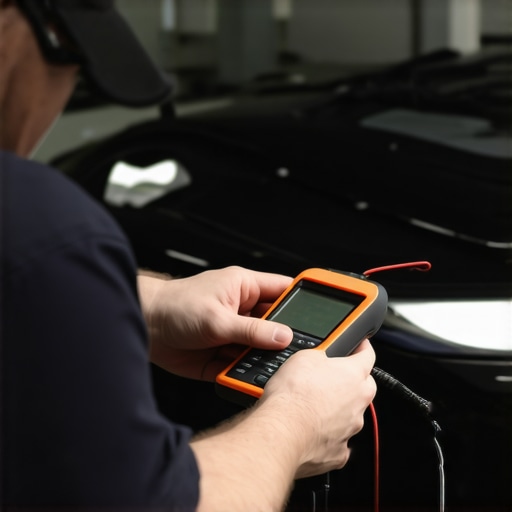
As you wrap up this deep dive into diagnosing and fixing steering issues after hitting potholes, remember that mastering your vehicle’s nuances has a profound impact on safety and longevity. The journey from recognizing subtle warning signs to implementing precise repairs is filled with learning, patience, and sometimes, the willingness to see beyond surface problems.
Lessons Best Learned in the Trenches
- My biggest breakthrough was realizing that a loose steering wheel isn’t just a minor inconvenience but a sign of underlying serious damage, often hidden beneath the surface. It taught me to always trust my instincts and conduct thorough inspections, rather than dismissing small symptoms.
- I once underestimated the importance of wheel alignment after a minor impact, only to experience uneven tire wear months later. This oversight reminded me that proactive checks save money and prevent potential hazards down the line.
- Discovering a worn ball joint during my inspection was a lightbulb moment. It underscored that parts often give subtle cues; attention to these signs is crucial for ensuring safety and optimal performance.
- Investing in quality diagnostic equipment, like the Autel MaxiCom MK808, transformed my approach. Having the right tools enables accurate diagnostics and confident repairs, which are invaluable in avoiding recurring issues.
- Embracing long-term data logging opened my eyes to patterns I’d never noticed. Monitoring vehicle health over time empowers you to make smarter maintenance decisions before problems escalate.
Tools and Resources That Elevated My Auto Repair Game
- High-quality diagnostic scanners like the Autel MaxiCom MK808 have become indispensable for quick, reliable insights. I trust them because they cover most vehicle makes and help me catch issues early.
- Precision hand tools, especially torque wrenches, ensure every bolt and nut is set to the right specification—critical for safety and durability. My favorite brands consistently deliver performance and reliability.
- Long-term data loggers such as the FIXD Sensor provide ongoing insights into your vehicle’s vital signs, allowing you to anticipate problems rather than just react to them. These tools have become my eyes and ears on the road.
- Educative resources like detailed repair guides and expert articles keep me informed about nuanced repair techniques, especially for complex systems like transmissions and braking. Continuous learning is key to mastery.
Your Next Step Starts Now
Taking charge of your vehicle’s health isn’t just about fixing problems—it’s about understanding your car on a deeper level and proactively maintaining it. Whether it’s a loose steering wheel or subtle performance changes, your attention and effort can save you money and keep you safe. Embrace the challenge, equip yourself with the right knowledge and tools, and become the confident owner your vehicle deserves.
Have you experienced a moment that changed how you see auto repairs? Share your story below and let’s learn together!
,