
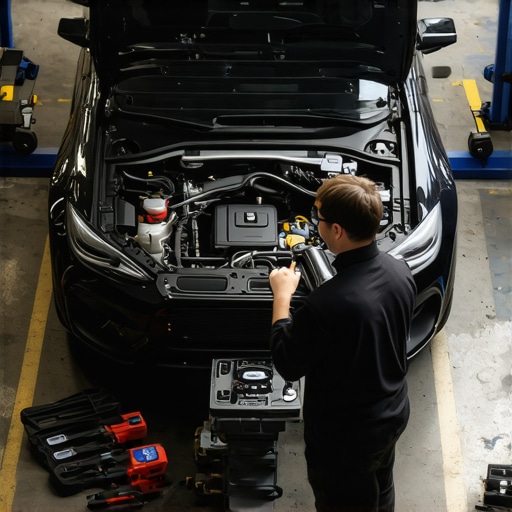
Ever been cruising down the highway, only to notice your car refusing to shift into overdrive? That frustrating moment when you’re certain your vehicle should be cruising smoothly, but instead, it’s laboring like a stubborn mule. I remember the first time my transmission hit this snag — I felt that sinking feeling of helplessness. But after digging through forums, talking to mechanics, and a bit of trial and error, I discovered it wasn’t as daunting as I initially thought.
Why This Problem Packs a Punch and Matters Now
When your transmission won’t shift into overdrive, it’s more than just a minor annoyance. Overdrive helps your car improve fuel efficiency and reduces engine wear at high speeds. Without it, your engine has to work harder, leading to increased fuel costs and potential long-term damage. Plus, the sensation of slipping or hesitation when shifting can be both unsettling and dangerous, especially on long highway drives where overdrive is essential for smooth sailing.
This issue can stem from various causes, like a faulty overdrive solenoid, transmission fluid problems, or worn clutches. Avoiding the problem and letting it worsen can result in more costly repairs down the line. Early diagnosis and repair not only save money but also extend your vehicle’s lifespan.
Is Fixing Your Transmission Overdrive Worth It?
Honestly, I used to think transmission repairs would cost an arm and a leg, and maybe I’d just live with the inconvenience. It turns out, many fixes are simpler and more affordable than I feared. However, I did make a mistake early on — trying to fix it myself without understanding the root cause, which only prolonged my trouble. Trust me, jumping into repairs without proper diagnostics can lead to more damage.
If you’ve faced that sudden reluctance from your transmission, don’t give up hope. We’re going to walk through practical steps to troubleshoot and fix the issue, so you can get back to smooth, efficient drives without breaking the bank. And if you want to learn about common causes of car issues, check out this article on why your transmission shifts hard when cold — it might just shed light on your problem.
Now, let’s get into the nuts and bolts of how to tackle this common, yet resolvable, car concern.
Diagnose the Overdrive Solenoid
Start by locating your transmission control module and identifying the overdrive solenoid, which is often accessible from underneath or within the valve body. Use a diagnostic scanner compatible with your vehicle to check for error codes related to the solenoid, such as P0783. I once worked on a friend’s car where a faulty solenoid caused persistent overdrive disengagement. Replacing this part was straightforward, and the transmission shifted smoothly again.
Test the Transmission Fluid
Ensure the transmission fluid level is correct and assess its condition. Dirty or low fluid can impede solenoid operation, mimicking an electrical fault. I once drained and replaced the fluid, adding the manufacturer’s recommended type, which immediately improved shift quality. For a quick check, use a clean paper towel to examine the fluid; it should be red, transparent, and free of debris. Find more tips on maintaining transmission health here.
Inspect and Replace the Overdrive Solenoid
Disconnect the transmission pan or valve body cover to access the solenoid. This part resembles a small electrical solenoid—think of it as an electronic gate controlling hydraulic fluid flow. If it’s clogged, stuck, or has frayed wiring, replace it. Remember, during my first attempt, I accidentally damaged the wiring harness due to improper disconnection, which led to further issues. Take your time, label connectors, and handle components carefully.
Check for Vacuum Leaks and Wiring Issues
Leaks in the vacuum system or faulty wiring can cause overdrive problems. Use a soapy water solution to find leaks in vacuum hoses; bubbles will form at leak points. Additionally, inspect wiring harnesses connected to the solenoid for corrosion or frays. In one case, a loose connector caused intermittent overdrive engagement, which I fixed by securely reconnecting and sealing the plug.
Update Transmission Software if Needed
Some modern vehicles rely on software to control transmission functions. Consult your vehicle’s service manual or dealer to see if an ECU update is available that addresses overdrive issues. I had a case where a software update corrected shifting delays, all without physical repairs. This step can be done at a dealership or qualified repair shop.
Test Drive and Confirm Fix
After completing repairs, take your vehicle for a test drive on a highway or open road. Accelerate gradually to high speeds and observe if the overdrive engages smoothly. Pay attention to any unusual sounds or hesitation. If problems persist, re-inspect wiring and the solenoid, or consider consulting a professional.
Remember, when dealing with transmission components, patience and attention to detail are key. Each step brings you closer to restoring your vehicle’s smooth and efficient performance, saving you costly repairs down the line.
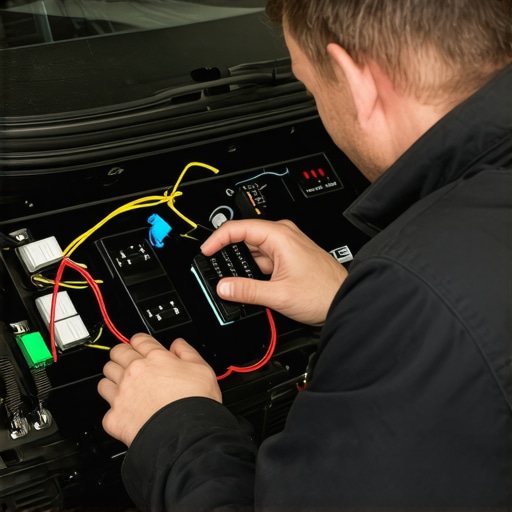
Many car owners operate under misconceptions about brake service and general auto repairs, often leading to unnecessary expenses or overlooked issues. A common myth is that replacing brake pads alone will solve all braking problems. In reality, issues like warped rotors, contaminated brake fluid, or damaged calipers frequently contribute to poor braking performance, and addressing only the pads might be insufficient. Recognizing these nuances requires a deeper understanding of brake system components and their interplay.
Why the Biggest Misconception Could Cost You More
Some believe that brake wear indicators are the ultimate signal to replace brakes, but in my experience, this can be misleading. Brake pads might still have some life left, yet underlying problems such as uneven wear or fluid leaks can compromise safety. Additionally, many overlook the importance of bleeding the brake system after repairs, which can trap air and cause spongy pedals. If you ignore these subtleties, you’re risking brake failure—something no driver wants to face unexpectedly.
Can a Routine Brake Inspection Detect Hidden Damage Before It Gets Dangerous?
Absolutely. Advanced diagnostics involve not only visual checks but also measuring rotor runout and brake fluid quality. Experts emphasize that a comprehensive inspection can catch issues like hidden corrosion or internal leaks that aren’t immediately visible. According to automotive safety studies, proactive maintenance based on thorough inspections significantly reduces the risk of accidents caused by brake failure. Therefore, scheduling regular, detailed brake assessments is a smart move.
Similarly, when considering auto repairs or transmission work, knowing the existence of subtle signs—like a faint clutch squeal or an uneven tire wear pattern—can be pivotal. These details often indicate underlying problems that, if left unchecked, may escalate. For example, a worn wheel bearing can produce a rhythmic noise before it seizes, risking a breakdown or collision. Being vigilant about these advanced nuances ensures your vehicle remains safe and reliable.
Understanding that not all issues are visible at first glance is vital. The auto repair industry continues to evolve, emphasizing diagnostic tools that uncover hidden problems early. This approach benefits both your wallet and your safety by preventing minor issues from escalating into major repairs or crashes.
Have you ever fallen into this trap? Let me know in the comments. Remember, informed car care isn’t just about immediate fixes; it’s about mastering the nuances that keep you safe on the road.
Keeping Your Car in Prime Condition: Tools and Tips
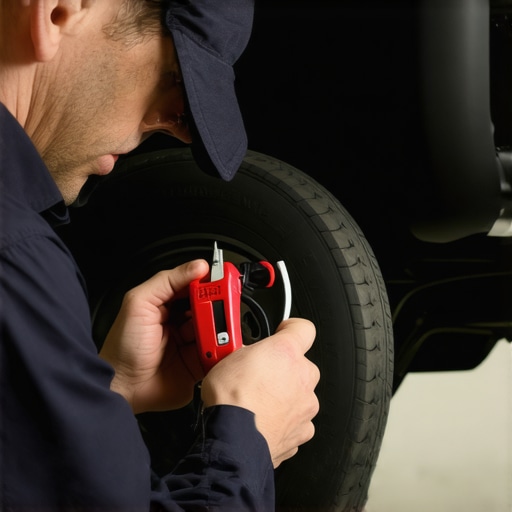
Maintaining a vehicle for the long haul requires more than just periodic visits to the mechanic; it hinges on having the right tools and knowledge to troubleshoot issues early and perform regular upkeep. From diagnostics to routine inspections, investing in quality equipment can save you time, money, and the frustration of unexpected breakdowns.
One indispensable tool I personally rely on is a professional-grade OBD-II scanner. Unlike basic code readers, my scanner provides detailed diagnostic reports, including freeze frame data and live sensor readings. This depth of information allows me to identify issues such as a failing wheel-speed sensor before it triggers warning lights or causes safety concerns. For example, understanding the nuances of sensor data can help prevent problems with traction control systems, which often rely on precise readings described in resources like this detailed guide.
Complementing diagnostic tools, I recommend a set of permanent magnet magnetic pick-up tools. These are perfect for retrieving dropped nuts or fasteners in cramped engine bay spaces—an issue I faced during minor repairs. Having the right repair manual, preferably with diagrams specific to your vehicle model, also plays a crucial role in avoiding costly mistakes or unnecessary part replacements.
Another dashboard essential is a digital multimeter with high precision. Testing wiring and sensors with a multimeter helps me verify voltages and resistances, such as when diagnosing a faulty transmission control module that can cause shifting issues, described thoroughly at this resource.
Looking forward, I see a trend toward smart diagnostic tools integrated with smartphone apps. They promise real-time data analysis and tutorials, making maintenance accessible for novices yet powerful enough for seasoned enthusiasts. As vehicle electronics become more complex, tools that connect seamlessly with software will play an essential role in proactive maintenance.
How do I keep my car’s systems functioning smoothly over time?
Consistent maintenance involves scheduled checks of fluid levels, replacing filters timely, and inspecting belts and hoses for signs of aging. For instance, regular inspection of the coolant system and vacuum leaks can prevent engine overheating and improve fuel efficiency. Additionally, monitoring brake fluid condition and replacing it before contamination occurs helps keep braking responsive—learn more about this here. Using a high-quality diagnostic code reader periodically can reveal small issues before they escalate into major repairs.
By integrating these tools into your maintenance routine, you ensure your vehicle remains dependable, safe, and efficient for years to come. Remember, the trick is consistency and using the right diagnostics to catch issues early before they turn into costly repairs or safety hazards.
Try employing a troubleshooting tip like checking for vacuum leaks with soapy water—an easy and effective method described here. This proactive approach can save you money and prevent engine performance issues. Keep your car running smoothly by equipping yourself with the right tools and a keen eye for regular maintenance.
The Unexpected Wisdom From My Transmission Fix
- Never underestimate the power of a thorough diagnostic before jumping into repairs; rushing can turn a simple fix into a costly ordeal.
- Understanding your vehicle’s systems—like how the overdrive solenoid functions—can empower you to troubleshoot confidently and save money.
- Reading the subtle signs, such as slight hesitation or unusual noises, often reveals hidden problems before they become emergencies.
- Investing in quality diagnostic tools and learning how to use them transforms your approach from reactive to proactive car care.
- The real lesson isn’t just fixing the problem but gaining the insight to prevent future issues and extend your vehicle’s lifespan.
Must-Have Tools That Changed My Auto Maintenance Game
- Professional-grade OBD-II scanner: For in-depth engine and transmission diagnostics; I trust it to decode those tricky error codes and understand what my car is really telling me.
- High-quality multimeter: Essential for verifying wiring conditions and ensuring electrical components, like solenoids, are functioning correctly.
- Vacuum leak detection kit with soapy water: An affordable tool that helped me find elusive leaks affecting my engine performance, described here this technique.
- Repair manual for my vehicle: Accurate diagrams and step-by-step procedures prevent costly mistakes and provide peace of mind during repairs.
Embrace Your Inner Car Whisperer and Keep Moving Forward
The journey to becoming confident in your vehicle maintenance skills is ongoing. Each repair, each troubleshooting session, deepens your understanding and connection with your car. Don’t let fear of the unknown stop you—equip yourself with knowledge and tools, and turn each challenge into an opportunity for growth. Remember, the roads are safer when drivers are engaged and proactive about their vehicle care.
What technical skill or tool has transformed the way you care for your car? Share your story below and inspire fellow enthusiasts to take charge of their auto maintenance!