

Have you ever been descending a steep hill, fingers gripping the steering wheel a little tighter, and noticed that your brake pedal suddenly feels soft or spongy when you press down? That unsettling sensation can turn what should be a routine drive into a nerve-wracking experience. I remember the first time it happened to me, right after a long downhill journey—my heart skipped a beat. It was a stark reminder that, even with careful driving, something as simple as braking can become complex when your vehicle isn’t in top shape.
When the Brake Pedal Turns Soft After a Long Descent
This specific problem often surfaces after extended periods of heavy braking—like riding down a mountain or descending a long hill. The sponginess isn’t just annoying; it poses a real safety risk. When your brakes feel less responsive, you’re less confident in controlling your vehicle, and that can lead to dangerous situations. So, what causes this sensation?
Could Air or Moisture Win the Battle in Your Brake System?
One common culprit is air trapped in the brake lines. Over time, especially if there is a leak or incomplete bleeding during maintenance, air bubbles can form and compress under pressure, leading to that spongy feeling. Moisture accumulation is another pest—moisture can cause the brake fluid to boil under intense heat, creating tiny vapor pockets that compromise braking efficiency. Early on, I made the mistake of ignoring small leaks or neglecting regular brake fluid changes, which only worsened the problem. Trust me, ignoring these signs can turn into a costly fix later.
Understanding these causes is crucial, but more importantly, addressing them promptly keeps you safe on the road. If you’re wondering whether this is a minor issue or something more serious, you’re not alone. Many drivers dismiss the feeling as normal wear and tear—yet this subtle symptom often signals deeper problems, like deteriorating brake calipers or worn-out master cylinders.
In the upcoming sections, I’ll guide you through the practical steps to diagnose and fix a spongy brake pedal after a long descent. Because no matter how passionately we love our cars, safety always comes first. Ready to get your brakes back in shape? Let’s dive into what might be causing that dreaded pedal feel.
Drain and Replace Old Brake Fluid
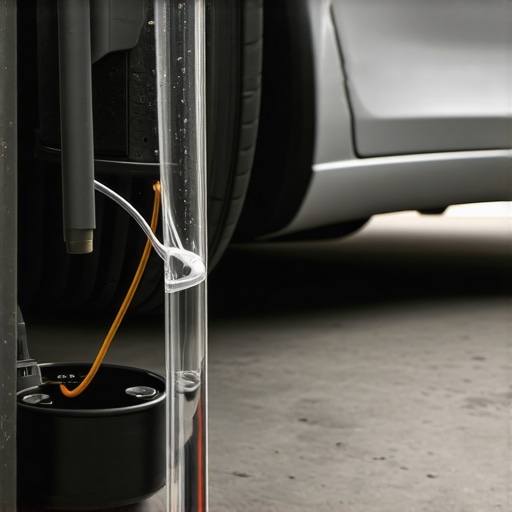
Start by safely elevating the vehicle on jack stands and remove the wheels for access. Locate the brake fluid reservoir under the hood and inspect the fluid level and color—it should be clear or light amber. If dark or contaminated, drain the existing fluid using a brake bleeder kit, then refill with fresh brake fluid. Regularly replacing brake fluid flushes out moisture and prevents vapor formation, which is a common cause of sponginess. During my first attempt, I used a transparent tube and a clear container to observe the old fluid; the difference after replacing was immediate, with the pedal feeling firmer and more responsive. Applying this step improves braking performance significantly.
Bleed the Brake Lines Effectively
Gather Your Tools
Use a bleed kit or a clear plastic tube, a wrench compatible with your bleeder screws, and the correct brake fluid. Make sure the master cylinder is topped off before starting. I recall in my garage, I borrowed a brake bleeder from a friend and followed the manual; the process involved opening the bleeder screw, pressing the brake pedal slowly, then closing it to trap air. Repeat until the fluid runs clear without bubbles. Proper bleeding expels trapped air from the lines, restoring pedal firmness, especially after long downhill drives.
Use Soapy Water to Detect Leaks
Mix soap with water in a spray bottle and apply it around fittings and hoses. Watch for bubbling, which indicates leaks allowing air ingress or fluid escape. During my last check, I found a tiny leak at a hose clamp; fixing it immediately prevented future sponginess and improved overall brake safety. This simple trick accelerates leak detection without specialized equipment.
Inspect and Replace Brake Components
Look for worn or damaged calipers, rotors, and brake pads. Worn pads or uneven rotors can contribute to inconsistent pressure and softness in the pedal. If you notice uneven wear or scoring, replacing these parts ensures uniform braking force. For example, when I replaced my worn rotors, the braking response became more predictable, and the pedal felt solid again. This step is crucial for maintaining safety and avoiding further damage.
Address Moisture and Heat Buildup
Consider installing heat shields or upgrading to high-temperature brake fluid if frequent heavy braking is typical in your driving. Moisture accumulation is common after prolonged downhill driving, leading to boiling brake fluid under heat. Regular brake system maintenance, including fluid replacement and component checks, minimizes this risk. Remember, staying proactive keeps your brakes reliable over long descents and prevents that unsettling spongy feel from reappearing.
By systematically addressing fluid condition, eliminating air, inspecting components, and managing moisture, you can restore confidence in your braking system. These core steps not only fix the immediate issue but also enhance overall safety and performance, especially in demanding driving conditions.
Many car owners operate under the assumption that routine maintenance is straightforward, but beneath the surface lies a web of misconceptions that can lead to costly mistakes. For instance, the popular belief that changing the transmission fluid every 30,000 miles is always necessary isn’t entirely accurate; in fact, some modern transmissions are designed for longer intervals, and overservicing can sometimes introduce more contaminants than it removes. This nuance often escapes the average owner, leading to unnecessary fluid changes and expenses.
What Most People Get Wrong About Brake Service
One pervasive myth is that replacing brake pads alone suffices for optimal stopping power. In reality, a comprehensive brake service involves inspecting rotors, calipers, and brake lines. Overlooking these components can cause uneven wear or trigger premature failure. Additionally, many believe that pad replacement alone restores full performance, but if rotors are warped or pads are unevenly worn, the braking system won’t perform as intended. Advanced diagnostics reveal that improper bed-in procedures for new pads can also reduce their lifespan, emphasizing how critical proper technique is.
Another common trap is assuming that brake fluid doesn’t need changing until there’s a visible leak or warning light. In fact, moisture absorption in brake fluid causes corrosion and reduces effectiveness over time, especially in vehicles driven in humid environments. Regular fluid flushes—guided by manufacturer recommendations rather than a fixed mileage—are essential, and neglecting this can lead to spongy pedals or complete brake failure under heavy use.
Why Transmission Service Is More Than Just Fluid Changes
Many think that a transmission’s health hinges solely on fluid condition, but the reality is more complex. Contaminants can accumulate, and seals can deteriorate, leading to leaks even if the fluid appears clean. Some experts suggest that additives designed for transmission fluid, such as seal conditioners, can prolong component life and prevent leaks, but caution is advised. Overusing sealants or additives without proper guidance may cause blockages or interfere with hydraulic functions. For nuanced maintenance, understanding the difference between superficial fixes and addressing root causes is crucial. For instance, [the truth about sealant additives for transmission leaks](https://collisionrenew.com/the-truth-about-sealant-additives-for-transmission-leaks) sheds light on when these products might be beneficial versus when they could cause harm.
Advanced repair techniques involve inspecting transmission filters, solenoids, and wiring harnesses—areas often overlooked during standard fluid changes. Improper diagnosis can lead to replacing the wrong components, escalating repair costs unnecessarily. If you’re unsure whether your transmission needs service, consulting a specialist who can perform detailed diagnostics is always recommended.
Dealing with Collision Repairs and Hidden Damage
Many assume that cosmetic fixes like repainting or realigning panels are straightforward, but beneath the surface, collision repairs can involve complex structural issues. For example, a small bumper crack might seem trivial, yet the underlying frame could be misaligned, affecting safety and handling. Properly restoring a vehicle’s integrity requires specialized equipment and expertise, and neglecting these nuances can compromise vehicle safety. To learn more about how collision repairs go beyond surface fixes, visit [how we fix door gaps that won’t close properly](https://collisionrenew.com/collisionrenew-how-we-fix-door-gaps-that-wont-close-properly).
In conclusion, understanding these hidden intricacies—whether it’s the importance of proper brake servicing, nuanced transmission maintenance, or thorough collision repair—can save you money and time. Don’t settle for the surface; dig deeper and ask the right questions about your vehicle’s health. Have you ever fallen into this trap? Let me know in the comments.
Maintaining your vehicle’s performance over the long haul requires more than just basic checks; it demands reliable tools, smart methods, and a proactive mindset. One tool I personally swear by is a digital scan tool like the Launch CRP129, which allows me to read and clear diagnostic trouble codes quickly. It helps identify hidden issues before they escalate, saving time and money. For more advanced diagnostics, I use a Bluetooth-enabled OBD-II scanner paired with a comprehensive app like Torque Pro. This combination provides detailed live data, enabling me to spot irregularities in engine behavior or sensor performance early on. Investing in quality diagnostic tools is essential because they empower you to tackle problems at the first sign of trouble, rather than waiting for costly failures.
When it comes to keeping your vehicle running smoothly, regular maintenance like fluid analysis plays a crucial role. For example, I use a refractometer to measure the oil’s water content during oil changes. If moisture levels are high, it’s a strong indicator that you need to inspect the PCV valve and breather systems. This simple step can prevent engine sludge buildup and promote longer oil change intervals.
Parallel to equipment, leveraging software solutions enhances maintenance efficiency. I rely on a well-organized digital logbook app, such as Fuelly, to track service dates, mileage, and repairs. This system helps me plan preventive work like belt replacements or transmission fluid flushes aligned with manufacturer recommendations, which often change over time as technology evolves.
Looking ahead, the trend is moving toward smarter, connected tools. Future tools will likely integrate real-time vehicle monitoring via apps that alert you to issues immediately, even when you’re away from your car. This shift towards proactive diagnostics will revolutionize how we approach routine care—think of it like having a vehicle health monitor in your pocket.
How do I maintain my vehicle over time? Consistency is key. Establishing a regular maintenance schedule based on your specific make and model, and sticking to a checklist, ensures nothing slips through the cracks. For instance, I schedule fluid checks and replacements at intervals recommended in the owner’s manual, using guidelines from trusted sources like [the 10 tools that save your brakes from uneven wear](https://collisionrenew.com/https://collisionrenew.com/). It’s a simple habit that prevents major repairs down the line.
For those eager to try an advanced tip, I recommend using a soapy water spray to detect small leaks in your brake systems or cooling hoses. This straightforward method—applying the solution around fittings and watching for bubbling—can reveal issues before they compromise safety. Incorporate this step regularly into your maintenance routine to catch problems early and keep your vehicle performing at its best.
What No One Tells You About DIY Brake Fixes and Their Pitfalls
Taking the leap into repairing your brakes can seem straightforward, but I learned firsthand that rushing or skipping steps often leads to unsafe results. The most valuable lesson was that every component, from brake lines to calipers, has a story—neglecting one can compromise your entire safety system. Small leaks I ignored turned into costly fixes because I underestimated the importance of proper leak detection and fluid maintenance.
How a Simple Tool Saved Me from Future Transmission Troubles
Investing in a quality OBD-II scanner changed my approach to vehicle healthcare. The ability to read warning codes early on meant I could address issues before they escalated, saving money and preventing breakdowns. This experience taught me that relying solely on visual inspections isn’t enough—embracing diagnostic tools makes preventive maintenance far more effective.
Why Ignoring Brake Pedal Softness Could Be a Fatal Mistake
The moment I felt my brake pedal feel spongy after a long downhill, I realized the urgency of swift action. Not only did I need to flush and bleed the system, but I also learned the importance of inspecting for hidden leaks and moisture accumulation. Delaying this step can lead to brake failure—something I now never take lightly.
My Go-To Resources for Keeping My Car in Peak Shape
Over time, I found that specialized tools and reputable guides make all the difference. My favorite is the comprehensive repair guides from CollisionRenew—they provide clear, in-depth insights into complex issues like fixing scuffed wheels or restoring factory paint. I trust them because they combine practical advice with expert knowledge, helping me make smarter decisions on maintenance and repairs.
Take Charge of Your Vehicle Because It’s Worth It
Maintaining your ride isn’t just about avoiding breakdowns; it’s a way to empower yourself behind the wheel. Whether it’s learning how to check brake fluid with a simple soapy water trick or understanding when to replace transmission fluid, small proactive steps have a big impact. Remember, a well-maintained car is not only safer but also more reliable and enjoyable to drive. Don’t wait for problems to escalate—start taking control today.