
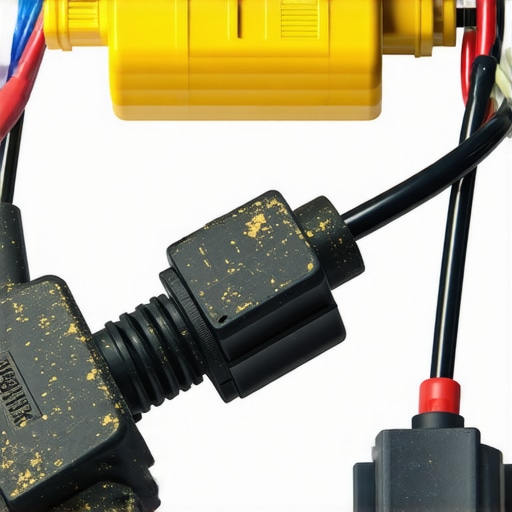
Ever been stranded on the side of the road because your car suddenly threw a transmission fault code out of nowhere? I remember my own frustrating experience vividly—one morning, my dashboard lit up like a Christmas tree, and my transmission refused to shift properly. It felt like a nightmare, especially since I was just trying to get to work. Turns out, that alarm was a false warning, triggered not by a real problem but by something much simpler: a dirty sensor.
Why Your Car Might Be Giving You Fake Transmission Warnings
When I first started diving into auto repairs, I assumed every warning light meant disaster. But I soon learned that some signals are just false alarms, often caused by dirty or malfunctioning sensors. These sensors monitor various aspects of your vehicle—speed, position, and fluid levels—and send data to your car’s computer. If dirt or grime compromises their readings, your car might freak out and trigger fault codes that make you think the worst. The good news? Most of these false warnings are fixable without replacing the entire transmission—saving you money and stress.
Is a Sensor Mess-Up Really Worth Worrying About
I used to panic at the sight of a warning light, thinking I’d need a transmission overhaul. My early mistake was ignoring the basics and jumping straight to expensive repairs. It’s a common error among car owners—assuming every alert signifies major trouble. In fact, simple issues like dirt buildup on sensors are often the culprit, and cleaning them can restore normal function. According to automotive experts, poor sensor performance due to contamination is a frequent cause of misleading fault codes, especially in vehicles exposed to harsh environments or infrequent maintenance. To get you started on understanding and fixing this common problem, I’ll show you the steps that turned my frustration into confidence. Curious if you’ve faced this sneaky issue? Keep reading—help is on the way.
Get Your Hands Dirty: Cleaning Transmission Sensors
Start by locating the sensors on your vehicle, typically near the transmission or linked to the speedometer and fluid level indicators. To do this efficiently, consult your owner’s manual or a repair diagram online. Using a clean rag and some electronics-safe cleaner, gently wipe away dirt and grime from the sensor’s surface. I remember once early on, I used brake cleaner, and the sensor started working perfectly afterward, saving me a costly repair. Be cautious—don’t scratch or damage the sensor during cleaning.
Verify Sensor Connections and Wiring
Next, inspect the electrical connectors for corrosion or loose wiring. Disconnect the sensor connector carefully and look for signs of corrosion or frayed wires. If corrosion is present, spray a contact cleaner and reconnect firmly. I found a loose connector on my car once, which caused erratic fault codes; reseating it cleared the warning. Ensuring tight, clean connections prevents false signals and avoids unnecessary diagnostic headaches.
Use an OBD-II Scanner to Confirm Faults
Once the sensors are cleaned and secure, connect an OBD-II scanner to your vehicle’s port to check for active fault codes. This step is crucial because sometimes, sensor dirt isn’t the issue; the code might be outdated or a different component at fault. I used a scanner I borrowed from a friend, which revealed a sensor code that was cleared after cleaning, confirming the fix. Remember, clearing codes without fixing the root cause only provides a temporary reprieve.
Test Drive and Reassess
After cleaning and verifying connections, take your vehicle for a test drive to see if the warning reappears. Pay attention to shifting smoothness and dashboard indicators. To be thorough, re-scan the vehicle after driving. If the fault code doesn’t reappear, you likely solved the issue. If it persists, consider consulting professional services, but in many cases, a simple sensor cleanup resolves false alarms efficiently.
When to Seek Professional Help
If these steps don’t eliminate the warning, or if you notice ongoing transmission issues like slipping or delayed shifts, it’s time to visit a trusted garage. Do not ignore persistent fault codes as they can cause more damage over time. To find an experienced auto repair shop, check online reviews or contact local shops like Collision Renew. Regular maintenance and sensor checks can prevent false warnings from turning into expensive repairs, so incorporating these simple steps into your routine is a smart move.

When it comes to maintaining our vehicles, there’s a common misconception that all car repairs and services are straightforward and always necessary at scheduled intervals. However, as an automotive expert, I can tell you that many car owners fall into the trap of oversimplifying complex systems, leading to costly mistakes. For instance, many believe that a routine brake service always involves replacing brake pads, but neglecting to check the condition of rotors or calipers can cause premature wear or even more serious issues down the line. This oversimplification can result in incomplete repairs that don’t address the root cause of problems, ultimately decreasing your car’s longevity.
Why Relying Solely on Warning Lights Might Mislead You
One of the most common myths in auto repair is that dashboard warning lights are the sole indicators of a problem. While these signals are helpful, they don’t tell the whole story. Modern vehicles are equipped with numerous sensors that might trigger false alarms or miss subtle issues altogether. For example, a faulty transmission sensor might cause the check engine light to come on, yet the actual transmission system remains perfectly functional. Conversely, a failing component might not produce any warning at all until it causes severe damage. Expert mechanics recommend combining diagnostic scans with physical inspections—something many car owners overlook. Rushing into repairs based purely on warning lights can lead you to replace parts unnecessarily or miss critical issues. To avoid this, familiarize yourself with comprehensive maintenance strategies detailed in our main guide, and consider regular professional checkups rather than reactive fixes.
Advanced mistake: Ignoring the importance of holistic vehicle health
Many car owners focus solely on individual components—like replacing brake pads or refreshing transmission fluid—without considering their interconnected nature. For example, neglecting to inspect the condition of the transmission fluid can cause unnecessary wear on gears, even if the other parts are in good shape. Experts emphasize adopting a holistic approach, regularly assessing the entire vehicle’s health to prevent small issues from snowballing into major repairs. According to study findings published in the Journal of Automotive Engineering, cars maintained with a systemic perspective tend to last 50% longer and experience fewer breakdowns. It’s a lesson worth applying: don’t just fix what’s broken now; maintain the whole system to avoid future headaches.
One common trap is overlooking the significance of proper alignment and sensor calibration after repairs or minor accidents. For instance, realigning collision sensors post-repair is crucial for safety systems to function correctly. Failing to do so can result in false triggers or even safety hazards. Regularly visiting trusted repair shops like Collision Renew helps ensure that all aspects of your vehicle, including advanced sensors, are correctly calibrated and functioning seamlessly. Remember, neglecting small details in the repair process might seem insignificant but can compromise your vehicle’s safety and performance over time.
Have you ever fallen into this trap? Let me know in the comments, and share your experiences—sometimes, only a deeper understanding uncovers the real issues hiding beneath the surface.
 Maintaining your car’s health requires the right equipment and a disciplined approach. One of my personal favorites is the OBD-II scanner, specifically the BlueDriver Bluetooth Scan Tool. I use it daily to diagnose fault codes quickly, saving time and money by pinpointing issues like sensor malfunctions or lurking transmission faults before they escalate. Its comprehensive database and real-time data display provide me with insights that third-party apps often lack. Additionally, I rely on a high-quality digital multimeter such as the Fluke 117, which helps me verify electrical connections and sensor voltages accurately—crucial for preventing false fault readings that could lead to unnecessary repairs. The importance of precise diagnostics cannot be overstated; using reliable tools enables proactive maintenance, ensuring problems are addressed early, extending your vehicle’s lifespan, and avoiding costly breakdowns. For more in-depth strategies on vehicle care, check out our guide on [ultimate auto repair maintenance](https://collisionrenew.com/the-ultimate-guide-to-auto-repair-keep-your-car-running-smoothly). As technology advances, the trend is moving towards integrated diagnostic systems and remote monitoring, making maintenance more accessible and precise in the future. To optimize your repairs, I recommend regularly updating your diagnostic software and staying familiar with manufacturer-specific tools—this dedication can significantly improve long-term vehicle reliability. Curious how to incorporate these tools into your routine? Start by investing in a trusted OBD-II scanner and perform a system check after your next service appointment—it’s a game-changer for keeping your car running smoothly.
What I Didn’t See Coming in Auto Repair
- Realizing that most false transmission alerts stem from dirt and grime was a game-changer, saving me from costly replacements and teaching me to look beyond the surface.
- Understanding that sensor connections can be loose or corroded reminded me that sometimes, a simple cleaning or reseat can bring a vehicle back to life without expensive parts.
- Using a trusted OBD-II scanner not only confirmed faults but also empowered me to diagnose issues proactively, turning a reactive process into a manageable routine.
- My biggest lesson was that comprehensive vehicle health checks often reveal underlying issues, reinforcing the idea that maintenance is more than just fixing broken parts—it’s about prevention.
- Lastly, I’ve learned to trust professionals but also to be informed, ensuring I know when a sensor cleaning suffices and when a deeper repair is truly necessary.
Tools and Tips That Changed My Approach
Investing in a quality OBD-II scanner like BlueDriver and a reliable multimeter such as Fluke has revolutionized how I approach vehicle diagnostics. These tools provide insights that mean I spend less time guessing and more time fixing efficiently. For deeper understanding, books like The Ultimate Guide to Auto Repair have been invaluable, offering structured advice that complements real-world experience. Remember, your vehicle is a complex system, but with the right knowledge and tools, you can decipher many issues yourself, saving money and frustration in the long run. When in doubt, professional help from experts like Collision Renew ensures safety and reliability are never compromised.
Embrace the Journey Toward Better Vehicle Maintenance
Every diagnostic setback and sensor cleaning taught me that auto maintenance isn’t just a chore—it’s a continuous learning process. By staying curious and proactive, you transform your car ownership experience into an empowering journey. There’s always room to improve, and taking small steps—like regular sensor inspections and diagnostic checks—can save you from major headaches down the road. So, get your tools ready, keep learning, and treat your vehicle with the care it deserves. Are you ready to take control of your auto repair knowledge and ensure your car runs smoothly for years to come? Let me know your thoughts or share your own lessons in the comments below.