
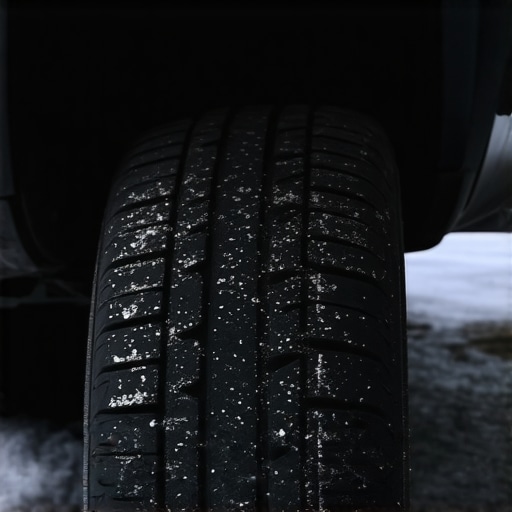
Nothing’s more frustrating than cruising along on a chilly winter morning only to be greeted by that annoying beep from your dashboard warning about low tire pressure. You check all four tires, they’re fine—yet the alert stubbornly stays on. I remember the first time this happened to me; I thought I had a slow leak, maybe a nail in the tire. Nope. Turns out, it’s a common winter annoyance that caught me off guard. That light blinking at inconvenient times can feel like an unwelcome reminder of how unpredictable our cars can be.
Dealing with False Tire Pressure Alerts During Cold Weather
When temperatures plummet, your TPMS—Tire Pressure Monitoring System—can become more of a headache than a helpful feature. It’s designed to warn you when your tire pressure drops below safe levels, but in the winter, it often screams alert even when there’s no real issue. Why? Because cold air contracts, causing the pressure inside your tires to decrease temporarily. If you’ve experienced this, you’re not alone—many drivers face repeated false alarms as the mercury drops.
Luckily, you can learn to differentiate between real problems and that seasonal hiccup. Understanding how temperature affects tire pressure is the first step toward avoiding unnecessary trips to the service center. I’ve made the mistake early on of ignoring these warnings, only to find my tires were perfectly fine, and it was just the cold acting up. It’s a mistake I hope you won’t repeat.
Is Your TPMS Really Worth All the Hype in Winter?
Many skeptics doubt the reliability of TPMS, especially when it goes off for no apparent reason. Early on, I thought these alerts were just a gimmick—until I realized that ignoring them could be dangerous if there’s a genuine leak. According to the Rubber Manufacturers Association, improper tire pressure can decrease fuel efficiency and cause uneven tire wear, so paying attention in all seasons is important. Recognizing the difference between a false alarm and a real issue saves you time and money.
So, have you ever been caught off guard by a false TPMS warning during cold weather? If so, you’re not alone. In the next sections, we’ll explore practical tips to manage and troubleshoot these alerts effectively, helping you keep your vehicle running safely and smoothly throughout winter.
Check Your Tire Pressure Regularly
Use a reliable digital or analog gauge to measure your tire pressure when the tires are cold, ideally before driving or after parking for a few hours. For example, when I faced persistent alerts, I took my trusty gauge and found my front tires reading 28 PSI, well below the recommended 32 PSI. Pumped them up to the proper level, and the warning vanished—saving me a needless trip to the mechanic.
Understand Temperature Effects on Your Tires
Cold air contracts, causing pressure drops. Think of it like squeezing a sponge—air molecules get closer, lowering the pressure. To counter this, check your tire pressures more frequently during cold snaps, especially after temperature drops. Keep a log of your readings; over time, you’ll learn how much your pressure drops with each cold front, enabling you to preemptively top off your tires.
Use a Portable Air Compressor Amidst Freezing Temperatures
Having a portable air compressor can be a game-changer. I kept one in my trunk last winter, and it allowed me to quickly add air during sudden drops without waiting at a station. When I noticed my TPMS warning again, I connected my compressor, filled the tires to the recommended PSI, and reset the system if needed. This proactive approach prevented unnecessary false alarms and extended tire life.
Perform a Visual Inspection for Possible Leaks
Look for embedded objects like nails or screws, sidewall cracks, or uneven tire wear. I once found a tiny nail lodged in my rear tire—an easy fix with a plug kit. Regular inspections help catch leaks early, especially before the cold weather sets in. Remember, a slow leak combined with temperature drops can cause the TPMS to alert you, even if the pressure isn’t critically low.
Reset the TPMS System Correctly
After adjusting tire pressures, ensure the system acknowledges the change. Different vehicles have different reset procedures—consult your owner’s manual or perform a quick online lookup. I once neglected to reset mine, and the warning persisted despite correct tire pressures. Proper reset ensures the system accurately monitors your tires moving forward.
Know When to Seek Professional Help
If you’ve verified pressures, inspected for leaks, and the warning still persists after cold weather adjustments, it might be a sensor issue. Sensors can become faulty or damaged, especially in harsh winter conditions. In such cases, visit a trusted service provider, like CollisionRenew, for a thorough diagnosis. They can recalibrate or replace malfunctioning sensors, ensuring your TPMS functions reliably year-round.
Stay Prepared for Seasonal Changes
Keep an eye on weather forecasts and proactively check your tire pressures during cold snaps. This habit prevents false alarms and keeps your tires in optimal condition. Regular maintenance and awareness save you money and enhance safety, especially when driving in unpredictable winter weather.
Many car owners believe that sticking to routine maintenance schedules and trusting their mechanic’s advice is enough to keep their vehicles running smoothly. However, a common misconception is that all auto repair advice applies universally, which isn’t the case. For instance, popular advice often emphasizes replacing brake pads as soon as they show signs of wear, but in reality, the nuance lies in understanding *which* signs are critical and *which* can be safely ignored temporarily. Rushing into replacements based solely on appearance without considering driving habits or the specific brake system can lead to unnecessary costs and even harm vehicle longevity.
A prevalent myth is that transmission fluid always needs changing at fixed intervals, typically every 30,000 to 60,000 miles. Yet, recent studies, like those from BMW’s technical experts, indicate that transmission fluids can last much longer if the vehicle is driven under optimal conditions, highlighting the importance of condition-based maintenance rather than rigid schedules. Over-maintenance, driven by generalized advice, can sometimes do more harm than good, such as introducing contaminants during unnecessary flushes.
One deceptively simple mistake many overlook involves the importance of diagnosing the root cause of shifting issues rather than just the symptoms. For example, a hard shift might seem like a transmission problem, but in many cases, it originates from low or contaminated transmission fluid, or even an electronic sensor malfunction. Referring to technical tips like those from our transmission specialists, such as detailed in [top transmission repair tips](https://collisionrenew.com/top-transmission-repair-tips-for-long-term-vehicle-reliability), can help you distinguish between superficial fixes and deeper, more complex problems.
Why You Should Question the Common Wisdom on Car Diagnostics
A sophisticated question that often stumps even seasoned DIY enthusiasts is: How can I accurately diagnose whether my transmission issue is caused by a mechanical fault or an electronic control system failure? The answer involves understanding the complex interplay between hardware and software components in modern vehicles. For instance, recent advancements in diagnostic tools have enabled mechanics to access real-time data from sensors, allowing for precise identification of fault sources. This is why collaborating with experts who utilize state-of-the-art diagnostics, like CollisionRenew, is essential. It can be worthwhile to review [essential car service checks](https://collisionrenew.com/essential-car-service-checks-to-extend-your-vehicles-life) before assuming the worst.
Another overlooked area is collision repair. Many assume that minimal damage requires only cosmetic fixes. However, even minor dents and paint scratches can hide underlying structural issues that compromise safety, especially if not properly addressed. The subtlety here is recognizing when minor repairs can have hidden risks. As detailed in our [collision renewal strategies](https://collisionrenew.com/collision-renewal-strategies-restoring-your-car-to-perfection), meticulous inspections ensure your vehicle’s integrity isn’t jeopardized.
Lastly, there’s the trap of neglecting the importance of professional brake service beyond just replacing pads. Components like calipers, rotors, and brake lines require comprehensive inspection to prevent uneven wear or safety hazards. For example, if brake fluid isn’t replaced when contaminated, it can affect overall brake performance, which ties back into the broader theme of maintenance nuance.
Are you familiar with these subtle traps in auto repair? Have you ever fallen into this trap? Let me know in the comments, and remember—an informed driver is a safe driver.Maintaining your vehicle’s reliability over the long term demands the right equipment and a systematic approach. I personally swear by a high-quality digital tire pressure gauge because, during winter, I check my tire pressures weekly. Unlike cheap analog gauges, my digital gauge provides precise readings instantly, helping me avoid false TPMS alerts and unnecessary trips to the mechanic. For tire inflation, I recommend the AstroAI Digital Tire Inflator; its accuracy and portability make it invaluable for winter readiness. When it comes to diagnosing transmission issues, I rely on a professional-grade OBD-II scanner like the BlueDriver, which offers deeper insights than generic code readers. Its advanced features, like real-time data streams, help me identify subtle shifts or sensor malfunctions before they escalate. Accessing detailed diagnostics aligns with expert advice from our [top transmission repair tips](https://collisionrenew.com/top-transmission-repair-tips-for-long-term-vehicle-reliability) to ensure longevity.
Regularly monitoring and maintaining fluid levels is vital. I use a precision fluid tester like the EZ Red Transmission Fluid Tester, which is crucial for detecting contamination or foaming in your transmission fluid—a common cause of shifting problems, as explained in [this article](https://collisionrenew.com/why-your-transmission-shifts-hard-only-when-the-engine-is-bone-cold). Visual inspections using a good flashlight, such as the Streamlight 88065 Survivor, help catch leaks or worn components early. Investing in a set of spark plug socket tools and a torque wrench enables me to perform tune-ups confidently, ensuring optimal combustion and fuel efficiency.
For those serious about long-term care, I recommend a portable ultrasonic thickness gauge to check metal fatigue, especially in collision-repaired vehicles where structural integrity might be compromised. Such tools, Though more advanced, prevent expensive repairs down the road by catching issues early.
In the future, I predict that digital diagnostic tools will become even more integrated with cloud-based maintenance records, making proactive vehicle care more accessible and tailored. This trend underscores the importance of investing in quality tools now to benefit from smart diagnostics later.
**How do I keep my car working smoothly over time?** The simple answer is regular checkups combined with the right equipment. Whether it’s maintaining transmission health using advanced diagnostics or ensuring tires stay properly inflated in winter, each tool plays a role in extending your vehicle’s life.
If you want to truly understand your car’s health, I encourage you to try using a professional-grade OBD-II scanner like BlueDriver. It’s a game-changer for diagnosing subtle issues before they become major problems. For more in-depth tips on auto maintenance, visit our [ultimate guide](https://collisionrenew.com/the-ultimate-guide-to-auto-repair-keep-your-car-running-smoothly) and start empowering yourself today.
The Hidden Wisdom That Changed How I Handle Cold Weather Tires
One of the biggest lightbulb moments I had was realizing that my own tendency to ignore seasonal tire pressures was risking safety. I used to think a quick glance at the tires was enough, but I learned that in winter, even a small drop in pressure can lead to unnecessary alerts and wear. Now, I check my tire pressures weekly, especially during cold fronts, and it’s saved me countless trips and surprises. Trust me, the extra effort pays off in safety and saved money.
Gear Up: Tools and Resources That Make Winter Maintenance Easier
Over the years, I’ve curated a toolkit that’s become essential for winter tire management. A reliable digital tire pressure gauge like the AstroAI has prevented me from relying on faulty readings in the past. A portable air compressor stored in my trunk, such as the Voilamart Inflator, allows me to top off tires on the spot without waiting at stations. Combining these tools with the guidance from resources like our comprehensive maintenance checklists has made winter tire health a straightforward process rather than an ordeal.
What Keeps Me Going When the Temps Drop and the Alerts Keep Coming
The emotional boost I give myself each winter is knowing I’m proactively preventing bigger problems down the line. Instead of seeing TPMS warnings as nuisances, I view them as reminders to care for my vehicle. Investing in proper tools, staying informed through trusted resources, and maintaining a routine have transformed a once-frustrating task into a satisfying habit. If you’re tired of false alarms and want to boost your confidence on icy roads, I encourage you to start small—regular checks, simple tools, and a proactive mindset will pay off. Remember, your car is a partner in winter’s challenge, and with the right approach, you can outsmart the season’s tricks. Want to share your winter tire tips or stories? Drop a comment below—let’s learn from each other and stay safe on every drive.