
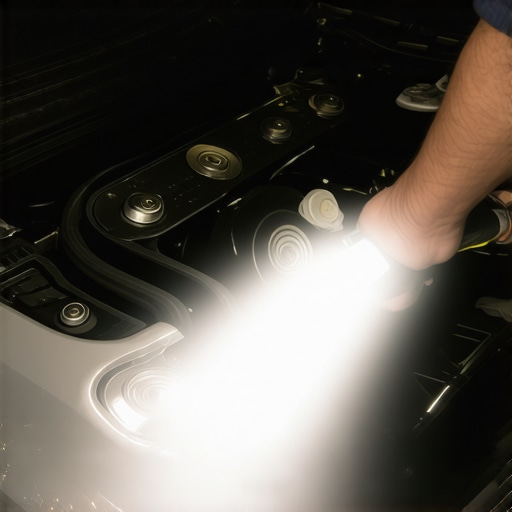
I remember the moment clearly. I was late for work, my car was sputtering, and then everything went dim—literally. The dashboard lights flickered, and my engine stalled unexpectedly. Heart pounding, I realized it could be my alternator giving out, or maybe just a loose belt. But which one? That lightbulb moment made me dive into my own car repairs, and let me tell you, understanding the difference can save you a lot of grief and money.
Why It’s Crucial to Get It Right
This isn’t just idle curiosity. A failing alternator can leave you stranded, while a loose belt can cause similar symptoms but with very different fixes. Misdiagnosing can lead to unnecessary parts replacements or, worse, getting stranded in the middle of nowhere. Knowing how to tell the difference ensures you’re tackling the real problem and not throwing money at a symptom that’s not the root issue.
Is It Really Worth the Fuss? Absolutely!
Early in my car repair journey, I made the mistake of assuming every strange noise or flickering light was a major failure. Turns out, simple issues like a loose belt can mimic more serious problems. According to auto experts, neglecting minor belt issues can lead to even more expensive repairs down the line. So, understanding the subtle signs can be a game-changer.
Check the Battery Light and Voltage
Start by observing your dashboard for the battery warning light. If it glows while driving, it could indicate alternator problems. Use a multimeter to check the voltage at the battery terminals; a healthy alternator should produce around 13.8 to 14.4 volts. When I faced a flickering dashboard and a dead engine, I quickly tested the voltage, which confirmed my alternator was failing, prompting immediate replacement.
Listen for Unusual Noises and Feel for Drive Belt Vibrations
Engage the engine and listen for squealing sounds that worsen when the engine is cold or under load. Feel for vibrations or looseness in the drive belt by carefully inspecting it with the engine off. Think of the belt like a guitar string; if it’s too loose, it won’t produce proper tension, leading to slipping and noise. In my experience, a loose belt caused a slapping sound that vanished after tightening the tensioner.

Inspect the Drive Belt for Wear
Visually examine the belt for cracks, fraying, or glazing. Replace if signs of wear are evident, as a worn belt can slip, mimicking the symptoms of a failing alternator. I swapped a worn serpentine belt myself, which immediately stopped the squeals and restored the correct voltage reading, showing how simple belt replacements can fix what seems like complex electrical issues.
Test the Alternator’s Performance Under Load
Have an assistant turn on electrical accessories like headlights, AC, and the radio. Monitor the voltmeter; a good alternator will maintain voltage above 13.5 volts even with these loads. If voltage drops significantly, it indicates your alternator isn’t keeping up, much like a generator failing to supply power. During my own repair, testing under load revealed the alternator’s core was failing, necessitating a replacement.
Deciphering the Symptoms and Making a Call
If your tests reveal low voltage and signs of a worn belt, prioritize replacing or tightening the belt first. This simple step often restores proper function without the need for costly alternator replacement. Alternatively, if the belt is intact but the voltage is low, then focus on diagnosing your alternator further. Remember, a misdiagnosis can lead to unnecessary expenses, so take these steps systematically. For more detailed diagnostic techniques, check out this comprehensive auto repair guide. Proper diagnosis prevents future breakdowns and saves you money.
Many car owners assume they know the basics of auto repair, but several misconceptions persist — and these can lead to costly mistakes. One widespread myth is that all dashboard warning lights signal serious problems requiring immediate replacement; in reality, some are minor indicators that can be interpreted with proper diagnostic techniques, preventing unnecessary expenses. Understanding the subtle differences between issues, like distinguishing a failing alternator from a loose belt, can mean the difference between a simple fix and a major overhaul.
Why Do Many Auto Repair Tips Fail Advanced Mechanics?
Advanced repair often involves nuances that beginner tips overlook. For example, a common mistake is relying solely on visual inspection of belts without testing voltage output or measuring tension accurately — which can result in overlooked slipping belts or weak alternators. Experts emphasize measuring voltage under load conditions, as outlined in specialized guides, ensuring precise diagnosis rather than guesswork, which often leads to misdiagnosis and wasted money. To avoid falling into such traps, consult comprehensive resources like this detailed auto repair guide. Remember, the key is to differentiate between symptom and root cause; for example, a shuddering transmission might be misattributed to fluid levels when in fact the solenoid or sensor requires attention. Always question assumptions and perform systematic diagnostics. Did you know that many so-called ‘quick fixes’ can mask underlying issues that exacerbate over time, such as using cheap brake pads that warp rotors? When it comes to brake service, replacing pads without addressing underlying caliper issues can lead to premature wear, as explained in this expert article. Lastly, understanding the importance of regular maintenance and nuanced diagnostics helps you avoid the costly consequences of ignoring subtle signs. If you suspect your vehicle isn’t running as smoothly as it should, reach out to professionals at Collision Renew for a thorough inspection, ensuring your car remains reliable for years to come. Have you ever fallen into a repair trap? Let me know in the comments.
Tools That Make Auto Maintenance Easier and More Effective
Maintaining your vehicle over the long term requires more than just basic know-how; it demands the right equipment to diagnose, repair, and optimize your car’s performance. As someone deeply involved in auto repair, I rely on a few specific tools that have truly transformed my maintenance routine. These tools not only save me time but also ensure that repairs are precise, reducing the risk of costly mistakes down the line.
Investing in a Quality OBD-II Scanner
The first essential device I recommend is a high-quality OBD-II scanner. Unlike generic apps, a professional-grade scanner like the BlueDriver provides real-time data, comprehensive code definitions, and live data streams. This enables accurate diagnostics without guesswork, especially for complex issues like transmission slipping or engine misfires. Using a scanner helps me pinpoint problems quickly, facilitating timely interventions and preventing minor issues from escalating.
Reliable Digital Torque Wrench
Torque specifications are critical in auto repair, particularly when working on crucial components like wheel lug nuts or cylinder head bolts. I never compromise by guessing or using a standard wrench; instead, I use a digital torque wrench like the Astro Pneumatic Digital Torque Meter. Its precision ensures parts are tightened to manufacturer specifications, which is essential for safety and longevity. Correct torque application is a simple yet often overlooked step that can make a significant difference in your vehicle’s durability.
Flawless Technique with a High-Quality Multimeter
A dependable multimeter is indispensable for electrical diagnostics. I prefer a digital multimeter with auto-ranging capabilities and high accuracy, such as the Fluke 117. It allows me to measure voltage, current, and resistance swiftly, helping diagnose issues like dead batteries or malfunctioning sensors. Proper electrical diagnostics prevent unnecessary part replacements and give me confidence that my repairs are solid.
Why Regular Calibration Matters
All these tools benefit from regular calibration to maintain accuracy. Over time, even the best equipment can drift out of calibration, leading to misdiagnoses. I follow manufacturer guidelines or professional calibration services to keep my tools in top shape. This commitment ensures consistent, reliable results, extending the life of both the tools and my vehicle repairs.
Looking Forward: Automation and AI in Auto Maintenance
Predicting future trends, I believe we will see increased integration of automation and AI in DIY auto repair. Advanced diagnostic systems may soon provide real-time, proactive alerts for potential issues before they impact driving. Staying updated with the latest tools and diagnostics will become even more crucial, making investment here essential.
How do I maintain my tools over time? Best practices include storing them properly in padded cases, avoiding extreme temperatures, and performing regular calibration checks. Doing so ensures that your tools remain precise and reliable, ultimately saving you money and preventing misdiagnoses.
If you’re ready to elevate your auto maintenance, I encourage you to try calibrating your multimeter or upgrading to a professional OBD-II scanner. These small investments can pay off through more accurate diagnostics and longer-lasting repairs. For detailed tutorials and resources, check out this comprehensive guide. Remember, precision in diagnostics translates to confidence in repairs, keeping your vehicle in top shape for years to come.
Uncovering Hidden Faults That Cost Me Big
One of the most valuable lessons I learned was that not every warning sign means a major overhaul. Simple issues like a worn serpentine belt can mimic costly alternator failure. Realizing this saved me from unnecessary expenses and taught me to diagnose systematically rather than jump to conclusions.
Why Relying Solely on Dashboard Lights Can Fool You
Early on, I thought a flashing warning light indicated an urgent problem. However, I discovered that some lights, when interpreted without proper testing, can mislead. Using tools like a multimeter and reading resources such as the ultimate auto repair guide helped me develop a more nuanced understanding and avoid costly misdiagnoses.
The Value of Simple Systematic Checks
In my experience, before replacing parts, performing step-by-step tests—checking voltage, inspecting belts, and listening for unusual noises—makes all the difference. It’s a lesson that saves time, money, and frustration, emphasizing the importance of patience and precision in auto repair.
Curiosity as a Catalyst for Smarter Repairs
My curiosity pushed me to learn more about my vehicle. This drive led me to experiment and understand how components interact, which empowered me to spot issues early. It’s a reminder that developing hands-on skills, combined with research, transforms a hobby into a cost-saving habit.
Regular Maintenance as the Best Investment
I’ve seen firsthand how consistent, proactive maintenance prevents major breakdowns. Simple checks like inspecting belts and measuring battery voltage, as recommended in essential car service guides, prolong the life of my car and save thousands in repairs over the years.
My Essential Toolkit for Auto Diagnostics
Over the years, I’ve curated a set of trusted tools—like a quality OBD-II scanner and a reliable multimeter—that make diagnostics straightforward. These investments have transformed my approach from guesswork to precision, echoing advice found in comprehensive resources like this detailed guide.
Your Turn to Take Control of Repairs
Remember, auto repair is less daunting when approached with patience, the right tools, and a willingness to learn. Whether you’re diagnosing a warning light or checking the drive belt, each step brings you closer to confidence and savings. Ready to tackle your next repair? Share your experiences below or reach out for professional help at Collision Renew. What’s the biggest fix you’ve successfully handled on your own?