
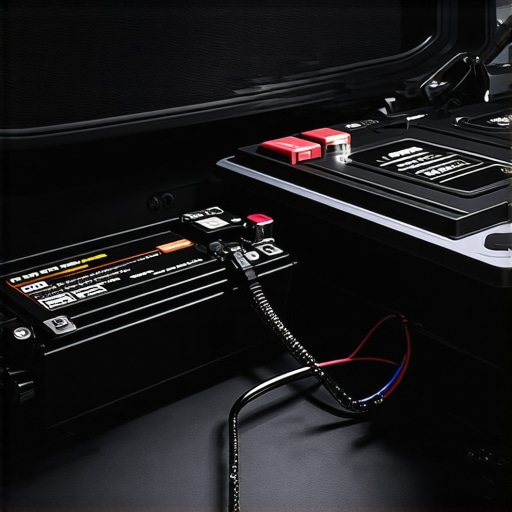
Ever been stranded in your driveway because your car just wouldn’t start—again? I vividly remember the frustration hitting me last month, when I turned the key only to be greeted by that dead battery. It felt like a cruel joke, especially since I had just replaced it a few months ago. That lightbulb moment hit hard: there’s a sneaky culprit draining my battery week after week, and I hadn’t even realized it.
Uncovering the Silent Thief of Your Car’s Power
Here’s the thing: many drivers face the same problem without understanding why their batteries die so quickly. The culprit isn’t always a faulty alternator or an old battery—sometimes, it’s a hidden drain that silently saps your car’s power, leaving you stranded and frustrated. Over the years, I’ve learned that diagnosing this issue isn’t as complicated as it seems, but the key is knowing what to look for and how to fix it.
Today, I want to share proven tips from my own experience and trusted auto repair strategies to help you identify and stop this invisible drain. If you’re tired of replacing batteries only to find them dead after a few days, keep reading—you might just find the solution that saves you money and hassle.
Is the Battery Drain Actually Worth the Fuss?
Early on, I made the mistake of assuming my battery was just aging prematurely. I replaced it twice within six months before realizing that something else was wrong. That wasted money and time, but more importantly, it delayed fixing the root cause. Recognizing that the problem was a hidden drain was a game-changer, and it made me look deeper into my car’s electrical system. If you’re skeptical about whether this issue is worth your attention, consider this: a study by AAA found that up to 80% of battery failures are caused by parasitic drains, not just old age or faulty parts. So yes, it’s definitely worth investigating.
Now that we’ve established that, the next step is understanding how to identify these hidden drains and ensure your car operates smoothly without unexpected breakdowns. Want to learn the secrets I uncovered? Let’s dive into how you can spot and fix these sneaky electrical parasites that threaten your battery’s longevity.
Locate the Parasitic Drain with a Multimeter
Start by turning off your vehicle and disconnecting the negative battery cable. Set a digital multimeter to the 10A setting and connect it between the negative terminal and the cable. Watch the reading; a normal draw is about 50 milliamps or less. In my own experience, I once found a drain of over 500 milliamps—indicative of a serious electrical problem. This step is crucial because it quantifies the issue before diving deeper.
Identify the Culprit Circuit by Removing Fuses
Next, systematically pull out each fuse one at a time, watching the multimeter for drops in amperage. Once a fuse’s removal causes the reading to drop significantly, note which circuit it controls. For example, I discovered that pulling the fuse for the glove compartment light caused the drain—turns out the bulb socket was shorted. This approach narrows down the problematic area efficiently.
Inspect Electrical Components and Wiring
With the suspect circuit identified, examine associated wires and components for signs of damage, corrosion, or aftermarket modifications. Use a flashlight to look for frayed wiring or burnt connectors. In my case, I found a kinked wire near the fuse box that had worn through the insulation, creating a short circuit. Fixing this involved re-routing the wire and replacing a damaged connector, restoring normal battery drain levels.
Test and Eliminate the Drain
After repairs, reconnect the fuse and monitor the multimeter for a reduced draw—ideally below 50 milliamps. Keep the vehicle off for at least 15 minutes to allow any modules to go into sleep mode. I did this and confirmed the drain was eliminated, preventing future dead batteries. Consistently testing each step ensures you’re making progress without unnecessary guesswork.
Implement Preventative Measures and Final Checks
Ensure all wiring is properly secured and insulated to prevent future shorts. Consider installing a circuit tester or relay for critical systems to monitor ongoing issues. Regularly inspecting your car’s electrical connections can save money and avoid unexpected breakdowns. For comprehensive guidance on auto repair strategies, you might find this ultimate guide to auto repair helpful. Remember, tackling electrical issues methodically can turn a messy problem into a manageable fix, much like tuning a transmission or aligning a chassis for smooth operation.Even seasoned car owners often fall prey to misconceptions about transmission and routine auto repairs, thinking they understand the basics but missing critical nuances. One common myth is that transmission fluid changes are optional or can be deferred indefinitely; reality shows that neglecting these can lead to costly damage, as highlighted in detailed guides like this [ultimate auto repair overview](https://collisionrenew.com/the-ultimate-guide-to-auto-repair-keep-your-car-running-smoothly). Many believe that any mechanic can handle transmission issues with a quick fix, but advanced problems require specialized diagnostics, especially considering that modern transmissions often contain complex electronics and sensors that need precise calibration. Overlooking subtle signs such as irregular shifting patterns or delayed responses can be an expensive oversight, which is why proactive diagnoses are essential.
A particularly sneaky mistake involves misinterpreting brake system noises. For instance, some drivers dismiss squealing as normal wear, but persistent squeaks may indicate imminent piston or pad failure, risking brake failure if ignored. Proper understanding of these sounds, supported by expert advice, can prevent accidents. Additionally, a frequent trap in collision repair is underestimating the importance of frame alignment after an impact, which can cause uneven tire wear and steering issues—this is covered comprehensively in our collision renewal strategies.
For the advanced enthusiast, understanding the subtleties of transmission shuddering or slipping can differentiate between minor maintenance and looming failure. These symptoms are often mistaken for simple issues like low fluid or dirty filters, but they can signal internal wear or electronic control problems. Regular, detailed inspections and diagnostics, especially in vehicles with newer CVT or dual-clutch transmissions, are crucial—something that general auto shops might overlook.
Furthermore, the role of sensor malfunctions or software glitches in modern auto repairs is often underestimated. Transmission control modules (TCMs) and other sensors constantly feed data to the vehicle’s ECU, and a fault here can mimic mechanical failure, leading to unnecessary repairs. Ensuring that this aspect is not neglected requires specialized diagnostic tools, which are detailed in resources like the [top transmission repair tips](https://collisionrenew.com/top-transmission-repair-tips-for-long-term-vehicle-reliability).
Awareness of these nuanced issues can save you money, time, and potential safety risks. Don’t assume that fixes are always straightforward or that symptoms are purely mechanical—digging deeper reveals the subtle intricacies that define quality auto care. Have you ever fallen into this trap? Let me know in the comments.
Tools I Recommend for Reliable Auto Repairs
Maintaining your vehicle’s performance over the long term requires not only knowledge but also the right equipment. I personally swear by a high-quality digital multimeter, such as the Fluke 117, because its precision allows me to accurately diagnose electrical issues like parasitic drains or faulty sensors. Reliable multimeters help prevent unnecessary part replacements by pinpointing problems early, saving both time and money.
Another indispensable tool is an OBD-II scanner. I prefer the BlueDriver professional-grade scanner because of its extensive code database and real-time diagnostics. Access to detailed error codes and live data streams enables me to understand the exact condition of my vehicle’s engine, transmission, and other critical systems. This proactive approach means catching potential issues before they become costly repairs.
For inspecting and replacing automotive fluids, I rely on a sturdy funnel with a flexible spout and transparent collection containers. Keeping the right fluid levels—whether it’s transmission fluid, brake fluid, or coolant—ensures optimal performance and longevity of parts. Using the correct tools prevents spillage and contamination, which can accelerate wear.
Keeping Tech Up-to-Date
Software tools are just as vital as physical equipment. I recommend investing in a reputable diagnostic software likeOBDeleven or Torque Pro, which interfaces with your smartphone or tablet. These apps allow you to read and clear error codes, monitor live sensor data, and even perform basic resets. Regularly updating the software ensures compatibility with the latest vehicle models and software updates from manufacturers, providing you with current insights and diagnostics.
Automotive technology is evolving rapidly, with newer vehicles containing complex electronics, sensors, and control modules. Staying current with tools and techniques will become even more essential as the trend towards electrification and automation accelerates. In the future, AI-powered diagnostic tools might analyze vast data sets to predict failures before symptoms even appear—making preventive care even more effective.
How do I maintain tools and equipment over time?
To keep your diagnostic and repair arsenal in top shape, I suggest performing regular calibration of your multimeter, cleaning your connectors and probes, and updating software periodically. Proper storage in anti-static cases and following manufacturer guidelines extend the life of delicate electronic tools, ensuring accurate readings when you need them most. This ongoing maintenance minimizes the risk of inaccurate diagnostics and unplanned repairs, keeping your car maintenance as smooth as possible.
Remember, investing in quality tools and routinely caring for them pays off by enabling precise diagnostics and effective repairs. If you’re interested in deepening your knowledge about auto repair, check out our ultimate guide to auto repair. Don’t hesitate—try incorporating a high-quality multimeter into your tool kit today, and experience the difference it makes in maintaining your vehicle’s health long-term.
Over the years, I’ve learned that auto repair isn’t just about fixing what’s broken—it’s about understanding the subtle signs your vehicle gives you and acting before small issues become costly disasters. My biggest lightbulb moment? Realizing that many transmission and brake problems are hidden in plain sight, silently affecting your car’s performance and safety. If I could go back, I’d tell myself to trust my instincts and dig deeper into the peculiar behaviors of my vehicle instead of dismissing them as minor nuisances.
Lessons Car Owners Don’t Usually Discover Until It’s Too Late
- Not every squeal is a worn brake pad—sometimes it signals a failing caliper or a stuck piston that needs urgent attention.
- Don’t ignore your shifting delays; they often point to transmission control module glitches or low fluid levels that can lead to total failure if untreated.
- Electrical issues in modern cars can mimic mechanical failures, making diagnostics tricky—and rushing to replace parts without proper checks can drain your wallet.
These insights, gained through personal trial and error, remind me that staying proactive with diagnostics and maintenance is essential. It’s not just about fixing problems but preventing them, which saves money and enhances safety. Thinking like an auto detective—asking the right questions and using the right tools—can turn car issues from sources of stress into manageable tasks.
Tools and Resources That Changed My Approach
- High-Quality Digital Multimeter: Tools like the Fluke 117 provide precision that helps identify parasitic drains or sensor faults early on.
- Reliable OBD-II Scanner: Devices such as BlueDriver give comprehensive diagnostics, revealing hidden issues before they escalate.
- Well-Curated Automotive Reading: The ultimate auto repair guide available here offers in-depth insights I trust to keep my knowledge current and accurate.
Having these tools accessible and knowing how to interpret their data transformed my vehicle maintenance from guesswork to confidence. For those committed to prolonging their car’s health, investing in quality diagnostics and ongoing education pays dividends, making every repair smarter and more effective.
Embrace Your Inner Auto Advocate and Keep Moving Forward
Understanding the quiet signals your car sends isn’t just for seasoned mechanics—it’s a vital skill for every driver aiming for safety, reliability, and savings. Your journey toward mastering transmission and auto repair begins with curiosity, a bit of patience, and the right tools. Remember, every minor squeak or sluggish shift might be a whisper from your vehicle—listening now can prevent a costly breakdown later. So take charge, stay informed, and don’t hesitate to seek expert help when needed. Ready to become the hero in your own car story? Keep learning, keep inspecting, and enjoy the ride that comes with confidence in your vehicle’s health.
What’s been your biggest revelation about maintaining or repairing your car? Share your experience below and join the conversation!