
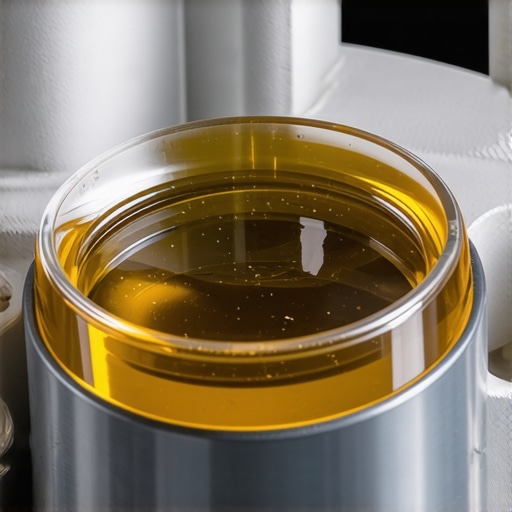
I remember the first time I noticed my brake fluid turning a dark, almost coffee-like color. It was during a routine check, and honestly, I felt a twinge of worry. I thought, “Is this normal? Should I just top it off and forget about it?” That moment was a light bulb for me—realizing that some signs in our cars might seem minor but actually point to bigger issues lurking beneath the surface.
The Hidden Danger of Dark Brake Fluid
Every time I saw that persistent darkening within six months, I wondered if I was doing something wrong. Turns out, many car owners face this same puzzling phenomenon. The truth is, brake fluid changing color isn’t just an aesthetic concern; it could be signaling the buildup of contaminants, corrosion, or deteriorating brake system components that could compromise your safety.
Could Your Brake Fluid Be Failing You?
Regularly inspecting your brake fluid isn’t a luxury—it’s a necessity. I once overlooked this, thinking a quick flush was unnecessary. That was a mistake. Early on, I realized that neglecting these signs led to more expensive repairs later, like brake pad replacement or even caliper issues. According to automotive experts, brake fluid should be replaced every 20 to 30 thousand miles or roughly every two years, but if it darkens prematurely, that interval might need shortening. Want to learn how to identify when your brake fluid needs attention? Check out our guide on [essential car service checks to extend your vehicle’s life](https://collisionrenew.com/essential-car-service-checks-to-extend-your-vehicles-life).
But before diving into solutions, you might wonder—is replacing brake fluid really worth the effort? Or is this just another automotive conspiracy? Well, let me tell you, neglecting this simple maintenance step can lead to reduced braking performance, increased wear, or even brake failure. So, let’s get to the bottom of why brake fluid turns black and how you can prevent it. Are you ready to give your brakes the attention they deserve? If you’ve faced this stubborn issue, you’re not alone—discover what really causes it and how to fix it from the root.
Prepare Your Workspace and Gather Supplies
Start by parking your car on a level surface, engaging the parking brake, and turning off the engine. Gather all necessary tools: a clear container, fresh brake fluid, a wrench, a clear tube, and gloves. Having everything at hand prevents unnecessary interruptions and ensures a smooth process. I once took my time setting up properly, which saved me from accidental spills and made the entire job cleaner and faster.
Access the Brake Fluid Reservoir
Open your car’s hood and locate the brake fluid reservoir—usually a translucent plastic container near the firewall on the driver’s side. Remove the cap carefully. If you’re unsure, consult your vehicle’s manual or check online for your specific model. Ensuring clear access is crucial; I once struggled because I didn’t remove a cover or panel properly, delaying the process.
Check the Current Brake Fluid Condition
Observe the fluid’s color through the reservoir. If it’s dark or cloudy, it’s time for a change. Squeeze the brake pedal gently—if it feels spongy or sinks slowly, the fluid quality might be compromised. I learned early that neglecting this step can lead to poor braking performance, especially during hard stops.
Drain Old Brake Fluid
Use the Bleed Screw Technique
Attach a clear tube to the bleed screw on your brake caliper or wheel cylinder—and place the other end into an empty container. Have an assistant press the brake pedal slowly and hold it down. Loosen the bleed screw to let the fluid out—then tighten it before releasing the pedal. Repeat this process until the fluid exiting the tube is clear. Remember, old brake fluid is corrosive; wear gloves and eye protection. I once overlooked safety and got a splatter on my jeans—lesson learned the hard way.
Flush the System with New Fluid
Refill the reservoir with fresh brake fluid, ensuring it’s the correct type specified by your manufacturer. Keep an eye on the fluid level—running dry airlocks the system. Continuously bleed each wheel, typically starting with the farthest from the master cylinder (usually the rear passenger side). This order prevents trapped air pockets, maintaining optimal braking responsiveness. I’ve seen cars with uneven braking because this step was skipped or done improperly.
Finalize and Test
After all wheels are bled, ensure the brake fluid reservoir is filled to the recommended level. Replace and tighten the cap securely. Pump the brake pedal several times to seat the pads and ensure firm pressure. Take your car for a cautious test drive, checking for responsive brakes. During my last brake fluid change, I noticed improved pedal response, giving me greater confidence on the road. Regular maintenance like this prolongs your vehicle’s lifespan and enhances safety.
For comprehensive car checks and to keep your vehicle in top condition, consider referencing our guide on [essential car service checks to extend your vehicle’s life](https://collisionrenew.com/essential-car-service-checks-to-extend-your-vehicles-life). Proper brake maintenance is just one of many steps to ensure your safety and vehicle reliability.
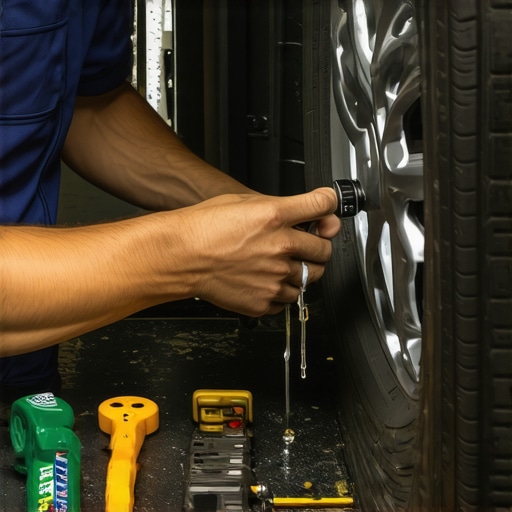 While many car owners think they understand their vehicle’s maintenance, there are subtle nuances and misconceptions that can lead to costly mistakes. For example, common advice often suggests that replacing transmission fluid is a simple top-off task, but in reality, many transmissions benefit from a complete flush to remove stubborn deposits that can cause shifting issues. Skipping this step can lead to premature wear and even transmission failure, so it’s crucial to consult expert-guided strategies like those detailed in our [ultimate auto repair guide](https://collisionrenew.com/the-ultimate-guide-to-auto-repair-keep-your-car-running-smoothly).
Another widespread myth is that brake pads are the only components requiring regular attention. In fact, neglecting the braking system’s hydraulic components and rotors can result in uneven wear, vibration, and reduced stopping power. Advanced technicians often encounter overlooked issues like caliper sticking or internal corrosion, which can be mitigated by scheduled inspections. This is where nuanced knowledge about brake repair comes into play—knowing when a simple pad change isn’t enough and a comprehensive system review is necessary to uphold safety.
Diving deeper, many believe that routine maintenance intervals are rigid, but modern vehicles and driving habits demand a more tailored approach. For instance, hybrid or electric cars might require less frequent fluid changes, yet more precise diagnostics to prevent subtle issues. External research underscores this adaptive strategy — studies published in automotive engineering journals recommend personalized maintenance schedules based on driving conditions and vehicle age, shifting away from one-size-fits-all routines.
Beware of the ‘oops’ trap: some car owners assume that topping up fluids without fixing underlying leaks is permanent. This short-term fix might mask a bigger problem, leading to eventual system failure. Regular inspections and understanding the signs of internal leaks or seal degradation can save you from emergency repairs. For guidance on identifying early warning signs, our [vehicle check tips](https://collisionrenew.com/essential-car-service-checks-to-extend-your-vehicles-life) can be invaluable.
Make yourself aware of the hidden intricacies—like how partial flushes might leave behind debris, or how heat cycles can accelerate component fatigue unseen to the naked eye. Advanced diagnostics and preventive care, such as those offered by Collision Renew, can help you stay ahead of costly breakdowns. Remember, maintaining your vehicle isn’t just about following a schedule, but about understanding the nuances that truly protect your investment.
Have you ever fallen into this trap? Let me know in the comments.Maintaining your vehicle’s transmission, brakes, and overall systems requires more than just basic knowledge; it demands the right tools and methods to ensure safety and longevity. One tool I swear by is a high-quality automotive scan tool like the Autel MaxiCOM MK808. This device allows me to read and clear diagnostic trouble codes, monitor real-time sensor data, and perform active tests on various systems, saving me time and guesswork. I personally prefer it because of its comprehensive functions and user-friendly interface, which I’ve found invaluable during complex repairs. Additionally, I’ll use a digital multimeter with true RMS capability to accurately diagnose electrical issues, including sensor faults or wiring problems, as inaccuracies can lead to misdiagnosis and unnecessary part replacements. When tackling brake service, I rely on a professional-grade brake caliper piston tool to retract pistons evenly without damaging components—a step critical for proper pad installation. For fluid changes, I use a pressure brake bleeder kit, which streamlines the bleeding process and prevents air entrapment, leading to a more responsive braking system. Looking ahead, I predict that the integration of smart diagnostic tools with cloud-based data analytics will revolutionize how we approach long-term maintenance. Manufacturers are increasingly offering software updates that expand diagnostic capabilities and link vehicle health data directly to service providers, making proactive maintenance more precise and accessible.
How do I maintain transmission health over time? Regularly scheduling a transmission fluid flush using a quality synthetic fluid and a proper flushing machine ensures contaminants are removed and components are protected from premature wear. Additionally, periodically checking for external leaks and drivetrain vibrations can alert you to developing issues before they escalate. For instance, using the [top transmission repair tips for long-term vehicle reliability](https://collisionrenew.com/top-transmission-repair-tips-for-long-term-vehicle-reliability) can guide you toward preventive measures that save money and prevent downtime.
If you’re serious about extending your vehicle’s lifespan and avoiding costly repairs, I recommend investing in a professional-grade scan tool and setting a maintenance schedule that includes regular fluid checks and component inspections. Remember, staying ahead with proper tools and techniques isn’t just about fixing problems as they happen—it’s about preventing them altogether. For a comprehensive approach, visit our guide on [essential car service checks to extend your vehicle’s life](https://collisionrenew.com/essential-car-service-checks-to-extend-your-vehicles-life) and adopt a proactive maintenance mindset today.
Throughout my years of working on cars, I’ve learned that many of the issues we face are rooted not just in the obvious symptoms but in small, often overlooked details. Paying attention to these nuances can save you money, time, and most importantly, ensure your safety on the road.
The Hardest Lesson I Learned About Transmission and Brake Care
- Never assume that a quick top-up will fix systemic problems. As I discovered, relying solely on surface-level fixes like adding fluid without identifying underlying leaks or wear leads to bigger issues down the line.
- Color changes in fluids are more than just dirt—dark brake or transmission fluid often indicate internal contamination or deterioration that warrants prompt attention.
- Adopting a proactive maintenance schedule, tailored to your vehicle’s specific needs, helps prevent costly repairs and extends the lifespan of key components.
Tools and Resources That Changed My Approach
- The Autel MaxiCOM MK808 has become my trusted diagnostic partner; it provides comprehensive system scans that detect hidden faults early, saving me from guesswork.
- Regularly consulting the latest guides like Essential Car Service Checks ensures I stay updated on best practices tailored to my vehicle’s make and model.
- Joining online forums and communities where experienced technicians share insights has been invaluable for understanding complex repair scenarios and new technologies.
Your Next Step in Safeguarding Your Vehicle
Understanding the intricacies of transmission and brake systems empowers you to take control of your vehicle’s health. Regular inspections, informed by trusted tools and resources, can prevent minor issues from escalating. Are you ready to embrace a more proactive approach to auto care? Explore our consultation services or connect with fellow car enthusiasts to share your experiences. Your journey to safer, healthier driving starts now.