
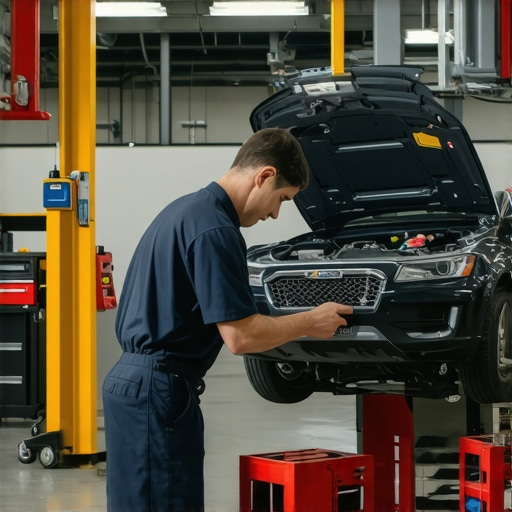
Last summer, I was cruising down the highway when suddenly, my car started to jerk unexpectedly. That terrifying moment made me realize how crucial well-maintained transmission and brakes are for safety. I had neglected routine checks, thinking minor issues could wait. But in that instant, I understood — neglecting these vital systems puts everyone at risk.
If you’ve ever experienced a sudden brake squeal or transmission slipping, you know that feeling of vulnerability. It’s a stark reminder that vehicle safety isn’t just about driving; it’s about proactively maintaining the systems that keep us safe. This realization sparked my quest to learn the best practices for transmission and brake care, especially as we head into 2024.
In this post, I’ll share proven tips to maximize your car’s safety through proper transmission and brake maintenance. Whether you’re a seasoned driver or just bought your first car, understanding these essentials can prevent costly repairs and, more importantly, save lives. We’ll cover everything from routine inspections to expert advice, so you’re never caught off guard on the road.
But first, let’s address a common concern:
Why are transmission and brake maintenance so critical right now?
Because according to recent studies, nearly 60% of vehicle accidents are caused by brake failure or transmission issues (source: AAA Foundation for Traffic Safety). With more driving than ever before, especially in urban areas, neglecting these systems can lead to catastrophic failures. Plus, the cost of repairs skyrockets if problems are ignored early.
So, what can you do now? The key is to stay ahead with regular maintenance and awareness. You don’t want to wait until your brakes squeal or your transmission slips to realize something’s wrong. Prevention is always better than cure.
Are you tired of worrying about unexpected breakdowns or costly repairs? If so, keep reading. I’ll guide you through simple, effective steps to keep your transmission and brakes in top condition, ensuring your safety in 2024 and beyond.
Is regular maintenance enough to keep my transmission and brakes safe?
Honestly, I used to think so. I believed that routine checks were sufficient until I made a costly mistake early on—ignoring a minor transmission noise that turned into a full-blown failure. That experience taught me the importance of expert inspections and timely repairs. For reliable advice on staying safe, I recommend checking out these brake repair tips and auto maintenance strategies for 2024.
Perform Regular Fluid Checks
Just like checking the oil in your engine, inspecting transmission fluid and brake fluid is vital. During my last car service, I learned how to check these fluids myself. I pulled out the dipstick, wiped it clean, and inspected the color and level. If the fluid looks dark or smells burnt, it’s time for a change. Regularly topping up or replacing fluids prevents overheating and ensures smooth operation. For detailed guidance, visit these auto repair tips.
Inspect Brake Pads and Rotors
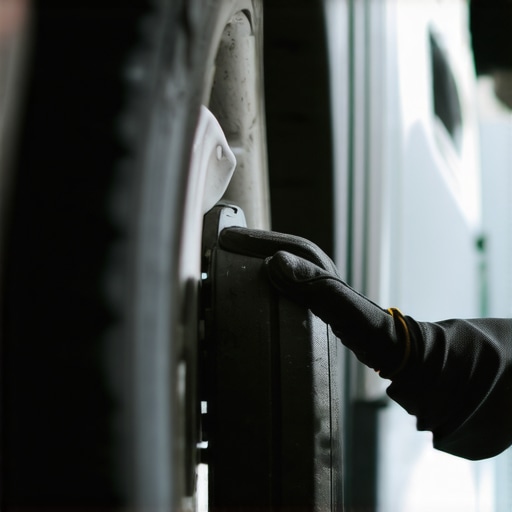
Think of brake pads as the shoes that grip the road. I had an experience where I ignored a squealing noise, only to find my pads were nearly worn out. To avoid this, remove the wheel and visually inspect the pads for thickness—less than 3mm indicates replacement is needed. Check rotors for grooves or cracks. If you notice uneven wear or damage, it’s time for professional brake service. This simple step can prevent dangerous brake failure. For expert advice, see these tips.
Test Transmission Shifting and Response
One morning, I decided to test my transmission by gently shifting through all gears with the engine running. I listened for delays or slipping, which can indicate internal issues. If your transmission hesitates or makes strange noises, schedule a diagnostic with a mechanic. Regular transmission flushes and inspections can extend its life and prevent costly repairs. Learn more at these strategies.
Maintain Proper Tire Pressure and Alignment
Maintaining correct tire pressure helps your brakes work more efficiently and reduces strain on your transmission. I use a digital gauge monthly to ensure my tires are inflated to the recommended PSI. Proper alignment prevents uneven brake wear and keeps your car handling smoothly. If you notice the steering pulling or uneven tire wear, get an alignment check. It’s a simple step that improves overall safety. More details are available at these car care tips.
Schedule Professional Maintenance
While DIY inspections are helpful, nothing replaces a professional diagnostic. I make it a point to have my vehicle checked every 6 months. Certified technicians perform comprehensive inspections of transmission and brake systems, catching issues early. They also perform necessary repairs or replacements, ensuring my car remains safe on the road. Regular professional maintenance saves money and enhances safety. For trusted service providers, see these best practices.
Let’s dig deeper into what most people get wrong about transmission and brake maintenance. Many drivers operate under misconceptions that can lead to costly repairs or safety risks. One prevalent myth is that routine fluid checks alone are sufficient for long-term safety. While fluid inspections are essential, they often overlook critical internal components that require professional diagnostics, such as clutch plates or brake calipers. Relying solely on fluid levels can give a false sense of security, leaving hidden issues undetected until failure occurs. For comprehensive care, consider regular professional inspections that include system diagnostics beyond the basics.
Another common mistake is neglecting brake rotors, assuming they are durable forever. In reality, rotors can develop grooves, cracks, or uneven wear that compromise braking performance. Many drivers wait until they hear squealing or feel vibrations before replacing rotors, but early signs are subtle and easy to miss. Proactive inspection and timely replacement can prevent dangerous brake failure. Remember, even small cracks or uneven wear can escalate quickly, especially under heavy braking conditions. For more expert tips, see these maintenance strategies.
What advanced warning signs do experienced drivers look for that novices often miss?
Experienced drivers know that subtle shifts in vehicle response—such as slight delays in transmission engagement or a faint pulsation when braking—can signal early problems. These signs often precede more serious issues like transmission slipping or brake failure. Relying solely on obvious symptoms like noise or vibration can be dangerous; instead, regular diagnostic scans using advanced tools can detect issues before they become critical. Studies indicate that early detection through sophisticated diagnostics can extend vehicle lifespan and significantly reduce repair costs. Don’t ignore these nuanced signs—stay ahead of potential failure. For more detailed insights, visit these expert recommendations.
Have you ever fallen into this trap? Let me know in the comments.
Maintaining your vehicle’s transmission and brake systems over time requires not only regular inspections but also the right tools and techniques. As I’ve learned through personal experience and professional advice, investing in quality equipment can make all the difference in ensuring your car remains safe and reliable for years to come.
Why I Recommend Specific Maintenance Tools
One of my go-to tools is the OBD-II scanner. I use it personally to run diagnostic checks that reveal early signs of transmission slipping or brake sensor issues before they escalate. Unlike basic visual inspections, an OBD-II scanner provides real-time data and codes that pinpoint precise problems, saving me time and money. I prefer models like the BlueDriver, which syncs with my smartphone for easy troubleshooting on the go.
Another essential tool is a precision digital multimeter. I use it to test electrical components such as brake light sensors and transmission solenoids. Accurate voltage readings help determine if components are functioning within specifications, preventing premature failures. For reliability, I opt for the Fluke multimeter, known for durability and precision.
Methods for Long-Term Maintenance
Alongside tools, adopting a systematic approach is crucial. I schedule bi-annual inspections with a trusted mechanic who uses advanced diagnostic software, such as Mitchell 1 or Identifix. These platforms analyze data from my vehicle’s onboard systems, detecting issues that may not be visible during routine checks. This proactive approach has helped me catch transmission and brake problems early, significantly extending their lifespan.
Routine fluid analysis is another underrated method. Sending transmission fluid samples to specialized labs can reveal contamination or degradation before symptoms appear. This step, combined with regular fluid flushes, keeps internal components clean and well-lubricated, preventing overheating and wear.
How do I maintain transmission and brake systems over time?
Patience and consistency are key. I keep detailed records of maintenance dates and results, allowing me to notice patterns or emerging issues. Additionally, I stay informed about the latest advancements in auto repair technology. For example, newer brake pads with ceramic composites tend to last longer and perform better under extreme conditions. Upgrading to these can be a smart investment for long-term safety.
Looking ahead, the trend is shifting towards smart diagnostic tools that integrate with vehicle apps and provide real-time alerts. This technology will make proactive maintenance even more accessible and effective. By embracing these innovations now, you can stay ahead of potential failures and ensure your vehicle remains safe for thousands of miles.
If you want to maximize your vehicle’s longevity, I highly recommend trying out an advanced diagnostic tool like the BlueDriver scanner or a professional-grade multimeter. These tools empower you to catch issues early and perform targeted repairs, saving money and enhancing safety. Remember, keeping your transmission and brakes in top shape isn’t a one-time task; it’s an ongoing process that benefits from the right equipment and consistent attention.
The Hardest Lesson I Learned About Transmission and Brake Care
One of my most eye-opening experiences was discovering how seemingly minor neglects in transmission and brake maintenance can lead to major safety issues. I used to believe that regular fluid checks and brake pad inspections were enough, but a costly failure taught me the importance of deeper diagnostics and proactive care. That lightbulb moment underscored the value of ongoing education and professional inspections to truly keep your vehicle safe.
3 Myths About Transmission and Brake Maintenance That Held Me Back
Myth one was thinking that fluid levels alone indicated system health. In reality, internal components like clutch plates or calipers can fail silently. Myth two was believing rotors last forever—early signs of wear, like grooves or cracks, are often missed until it’s too late. Myth three was assuming DIY checks are sufficient; professional diagnostic tools reveal issues that simple visual inspections can’t detect. Breaking these misconceptions has transformed my approach to vehicle safety.
What Experts Won’t Tell You About Staying Ahead in Car Safety
Many professionals emphasize the importance of regular diagnostic scans using advanced tools like OBD-II scanners and digital multimeters. These devices provide real-time data, catching issues before they escalate. Additionally, staying informed about the latest brake pad materials and transmission fluid formulations can extend your vehicle’s lifespan. The secret is consistent, informed maintenance—it’s not just about fixing problems but preventing them altogether.
Curated Resources to Elevate Your Vehicle Maintenance Game
First, I rely on the expert tips from Collision Renew for up-to-date advice on brake and transmission care. Second, the Ultimate Transmission Auto Repair Guide has been invaluable for understanding internal system health. Third, my trusted mechanic uses professional diagnostic software that detects hidden issues early. These resources keep me confident on the road.
Your Next Step Toward Safer Driving in 2024
Remember, vehicle safety is a continuous journey, not a one-time fix. Embrace advanced diagnostic tools, stay informed, and schedule regular professional inspections. By doing so, you’re investing in peace of mind and longevity for your vehicle. Don’t wait for warning signs—be proactive, and your future self will thank you.
Reading this post really hit close to home for me, especially after a scare last year where my transmission started slipping unexpectedly. It turned out I had overlooked a small warning sign—slight delay when shifting—that I didn’t think much of at the time. Since then, I’ve become much more diligent about regular fluid checks and scheduling professional inspections. I totally agree with the idea that preventive maintenance is key to avoiding costly repairs and enhancing safety.
One thing I’ve found helpful is investing in a good OBD-II scanner. It’s been a game-changer for catching early issues that aren’t always visible during routine checks. Have any of you used diagnostic tools like that? Would love to hear which models others recommend — especially ones that sync easily with smartphones. Also, I’m curious, what’s the biggest surprise you’ve encountered during a routine maintenance check? It’s incredible how small issues can sometimes snowball into bigger problems if not caught early.
Wow, this post really resonated with me. Last summer, I experienced a sudden jerk while driving, which was pretty scary. It turned out to be transmission slipping, and I realized I hadn’t paid enough attention to regular maintenance. Since then, I’ve upgraded to a quality OBD-II scanner like the BlueDriver, which helps me catch early warning signs like error codes or irregular sensor readings. I believe investing in the right diagnostic tools makes a huge difference, especially because many issues can be hidden beneath the surface.
The part about checking brake pads and rotors really hit home. I used to ignore minor squeals, thinking they’d go away, but in fact, early signs like uneven wear or slight vibrations are often indicators of bigger problems ahead.
I’d love to hear from others—what are some of your must-have maintenance tools and techniques that have saved you from costly repairs? Do you prefer professional diagnostics or DIY checks, especially with the advances in auto tech? Looking forward to everyone’s insights! Truly, proactive care and proper tools can extend vehicle life and keep us all safer on the road.
This post really hits home for me. Last year, I overlooked a small vibration when braking, thinking it was nothing. It wasn’t until a professional inspection that I learned my rotors had developed cracks, which could’ve led to a brake failure if left unchecked. It’s surprising how minor symptoms can turn into serious safety issues if ignored. I’ve since prioritized regular inspections and even invested in a quality OBD-II scanner to monitor potential engine and transmission issues early on. The importance of proactive maintenance has definitely become clear to me.
I’m curious—what are some best practices for beginners to catch these early signs without constantly visiting the mechanic? Are there specific tools or tests that are user-friendly but effective? I’d love to hear insights from others who’ve made small changes that significantly improved their vehicle safety. Ultimately, staying informed and vigilant can save lives and a lot of money in repairs.