
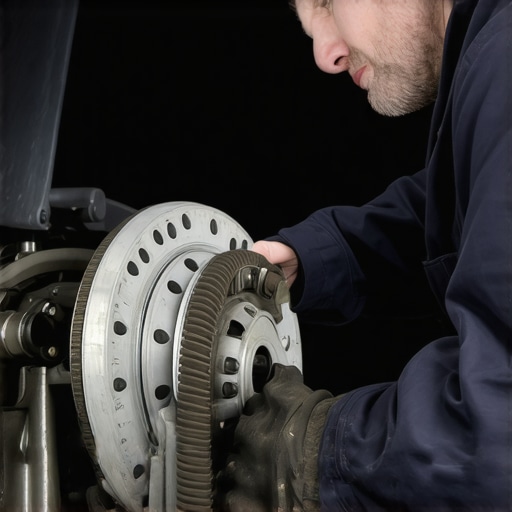
Have you ever been stranded on the side of the road because your car suddenly lost power or stopped responding? That sinking feeling of helplessness hits hard, especially when you realize it could have been avoided with a simple maintenance check. A few years ago, I ignored my brake and transmission care, thinking they could wait. The result? A costly repair bill and a day lost in frustration. That was my lightbulb moment.
Why Proper Brake & Transmission Maintenance Matters More Than Ever in 2024
In today’s fast-paced world, our vehicles are more than just transportation—they’re a lifeline. Ensuring your brakes and transmission are in top shape is crucial for safety, efficiency, and saving money. According to the National Highway Traffic Safety Administration, proper vehicle maintenance can reduce accidents caused by mechanical failure by up to 30%. That’s a compelling reason to stay proactive, especially as vehicle technology evolves and maintenance routines become more complex.
Question: Is Regular Maintenance Actually Worth the Hype?
Initially, I thought skipping minor checks wouldn’t hurt. However, I learned the hard way that neglecting routine maintenance can lead to severe issues. Missing simple signs of wear on your brake pads or transmission fluid can escalate into major repairs. Early on, I made the mistake of ignoring strange noises and vibrations, which only worsened the problem. Now, I know better—regular inspections and timely services are investments in your safety and peace of mind. If you want to learn how to keep your car running smoothly and avoid costly breakdowns, I’ve got you covered. Check out top tips for safer driving in 2024 for expert advice on maintaining your vehicle’s critical components.
Inspect Your Brake System Regularly
Think of your brakes as the brakes on a bicycle — they need regular adjustment and care to function properly. I once skipped a brake inspection and ended up with squeaky, ineffective pads on a rainy day. To prevent this, check your brake pads for thickness; if they’re less than a quarter inch, it’s time for a replacement. Also, listen for grinding noises or pulsing when braking, which indicate uneven wear. Regular brake fluid flushes help maintain hydraulic efficiency and prevent corrosion. Schedule these inspections at least twice a year or before long trips.
Monitor and Replace Transmission Fluid
Step 1: Check Transmission Fluid
Open your vehicle’s hood and locate the transmission dipstick — it’s often marked clearly. Pull it out, wipe it clean, then reinsert and pull it again to check fluid level and condition. If the fluid is dark or smells burnt, it’s time for a change. I remember a time I ignored this step, and a sluggish transmission cost me a hefty repair bill. Regular checks can be as routine as checking tire pressure, which should be monthly. Proper transmission fluid ensures smooth gear shifts and prolongs the life of your transmission.
Step 2: Change Transmission Fluid
If you notice the fluid is dirty or low, schedule a flush and refill with manufacturer-recommended fluid. This simple step is crucial because contaminated fluid can cause slipping and overheating. For detailed guidance, visit this comprehensive transmission maintenance guide. During my last fluid change, I used a professional shop, but some DIY enthusiasts prefer doing it themselves with proper tools. Just ensure you follow the correct procedure to avoid damaging the transmission.
Pay Attention to Warning Signs
Vibrations, unusual noises, or warning lights signal potential issues. For example, a vibrating brake pedal can indicate warped rotors, while slipping gears might mean transmission fluid problems. Address these signs immediately to prevent more severe damage. I once ignored a burning smell from my transmission, and it resulted in a complete overhaul. Regularly inspecting these components keeps your vehicle running smoothly and safely.
Schedule Professional Maintenance
While some checks can be DIY, professional inspections are vital for comprehensive care. Experts can identify subtle issues and perform precise adjustments. For instance, a technician can measure rotor thickness or test transmission fluid pressure, which are beyond basic checks. I recommend scheduling a professional tune-up at least once a year, especially before long vacations or heavy driving periods. This proactive step ensures your brakes and transmission are in top shape, reducing the risk of breakdowns and accidents.
Implementing these core maintenance steps is like giving your car a health check-up — it prevents surprises on the road and saves money in the long run. For more expert advice, explore top tips for safer driving in 2024 and auto maintenance strategies for 2024.
While many vehicle owners diligently perform routine checks on brakes and transmission, there are prevalent misconceptions that can lead to costly mistakes. Let’s dig deeper into some of these myths and uncover the hidden nuances that only seasoned mechanics and auto experts understand.
Myth 1: Waiting for Warning Lights Means You’re Safe
One of the most widespread misconceptions is that warning lights are the only indicators of serious issues. In reality, many problems develop gradually, showing subtle signs like unusual vibrations, strange noises, or changes in driving feel. Ignoring these early signals can lead to irreversible damage. Regular inspections, even when no warning lights are on, are essential for catching problems before they escalate. For instance, checking your brake pads for uneven wear or monitoring transmission fluid condition can prevent breakdowns. A study by the Society of Automotive Engineers emphasizes that proactive maintenance reduces repair costs by up to 45%. Don’t rely solely on dashboard alerts; become familiar with the signs your vehicle may be giving you.
Myth 2: DIY Repairs Are Always Cost-Effective
Many enthusiasts believe that fixing brake or transmission issues themselves saves money. While minor tasks like topping off fluids are safe for DIY, complex repairs demand expertise. Incorrect procedures can cause further damage, leading to higher costs down the line. For example, improperly flushing transmission fluid can introduce contaminants or damage seals. Professional technicians use specialized tools and knowledge to ensure repairs are done correctly. Moreover, a professional inspection might catch issues you’re unaware of, saving you from unexpected breakdowns. If you’re interested in learning more about DIY versus professional maintenance, visit this guide on auto maintenance strategies.
Why Most Owners Overlook the Nuance of Fluid Conditions
One advanced mistake is neglecting the subtle signs of fluid degradation. Many assume that as long as the fluid level is adequate, everything is fine. However, transmission and brake fluids deteriorate chemically over time, losing their lubricating and hydraulic properties. Experts recommend not just checking fluid levels but also assessing fluid color and smell. Dark, burnt-smelling fluid indicates contamination and the need for a flush. This nuanced understanding prevents unnecessary repairs and extends component lifespan. A 2023 report by the National Institute for Automotive Excellence highlights that regular fluid condition assessments are vital for modern vehicles with complex transmission systems. Don’t just check the quantity—check the quality.
Have you ever fallen into this trap? Let me know in the comments. Remember, understanding these hidden nuances can save you money and keep you safe on the road. For more advanced tips, explore this comprehensive transmission maintenance guide or tips for effective brake and transmission care in 2024.
Maintaining your vehicle’s brakes and transmission over time requires more than just routine checks; it demands the right tools and a strategic approach. As someone deeply involved in auto repair, I rely on specific equipment that guarantees precision and longevity in maintenance. One indispensable tool I use is the OBD-II scanner. This device allows me to read diagnostic codes directly from the vehicle’s computer, providing real-time insights into potential issues before they escalate. For example, detecting early transmission error codes or brake system alerts can save you from costly repairs down the line.
Another critical piece of equipment is the digital brake caliper gauge. I prefer this over traditional manual gauges because it offers high accuracy when measuring brake pad thickness and rotor runout. This tool helps ensure that your brakes are wearing evenly and functioning optimally, which is vital for safety and performance. I personally calibrate my gauges regularly to maintain their precision, especially before major service intervals.
When it comes to transmission maintenance, I utilize a fluid exchange machine. This professional-grade device allows me to flush and replace transmission fluid efficiently, removing contaminants that can cause gear slipping or overheating. While DIY methods are tempting, I recommend investing in a quality machine if you’re serious about long-term transmission health. Regularly scheduled fluid changes with this equipment, based on vehicle manufacturer guidelines, can extend the lifespan of your transmission significantly.
For ongoing monitoring, I use automotive diagnostic software compatible with my OBD-II scanner. This software helps track vehicle health over time, providing trend data that can reveal gradual declines in brake or transmission performance. Incorporating these tools into your routine ensures you catch issues early, reducing downtime and repair costs.
Looking ahead, I predict that advancements in AI-powered diagnostic tools will become standard in vehicle maintenance. These systems will analyze data more comprehensively, predicting failures before symptoms even appear, much like predictive health monitoring in medicine. As these technologies evolve, I recommend adapting your toolkit to include smart diagnostics for proactive care.
Question: How do I maintain brakes and transmission over time?
Consistent maintenance with the right tools is key. Regularly check your brake fluid with a hydrometer to assess its moisture content, which can degrade braking performance. For transmission, follow the manufacturer’s schedule for fluid exchanges, utilizing a transmission fluid tester to evaluate fluid condition beyond just level checks. Combining these practices with professional inspections ensures your vehicle remains safe and reliable for years to come. Don’t forget, investing in quality diagnostic tools and staying informed about emerging tech can make all the difference in long-term vehicle health. For detailed guidance, consider exploring this comprehensive transmission maintenance guide and expert brake care tips for 2024. Start integrating these tools into your routine today to keep your car running smoothly and safely for the long haul.
The Hardest Lesson I Learned About Brake & Transmission Care
One of the most impactful lessons I learned is that neglecting routine maintenance can turn a simple fix into a costly repair. I once ignored subtle signs of wear and tear, which resulted in a major overhaul. Now, I know that early detection and regular check-ups are the keys to longevity and safety.
3 Myths About Brake and Transmission Maintenance That Held Me Back
Believing that warning lights are the only signals of trouble, thinking DIY repairs always save money, and assuming fluid levels are enough are common misconceptions. Busting these myths has transformed my approach to vehicle care, helping me avoid unnecessary expenses and breakdowns.
What Experts Won’t Tell You About Vehicle Maintenance in 2024
Automotive professionals emphasize that understanding the subtle signs like unusual noises or vibrations can prevent major failures. Investing in the right diagnostic tools and staying informed about the latest tech advances can dramatically improve your vehicle’s lifespan and safety.
My Essential Toolkit for Brake & Transmission Health
From an OBD-II scanner for real-time diagnostics to a high-precision brake caliper gauge for accurate measurements, these tools have become my go-to essentials. Regular use of a transmission fluid exchange machine and diagnostic software keeps my vehicle in top shape and saves me money.
Your Turn to Try
Now that you know the hidden nuances of brake and transmission maintenance, it’s time to take action. Regular inspections, proper tools, and proactive care are your best allies for a safe and reliable ride in 2024. Remember, a little effort goes a long way in vehicle longevity and safety.
What’s the most surprising thing you’ve learned about maintaining your car’s critical components? Share your experience below!