
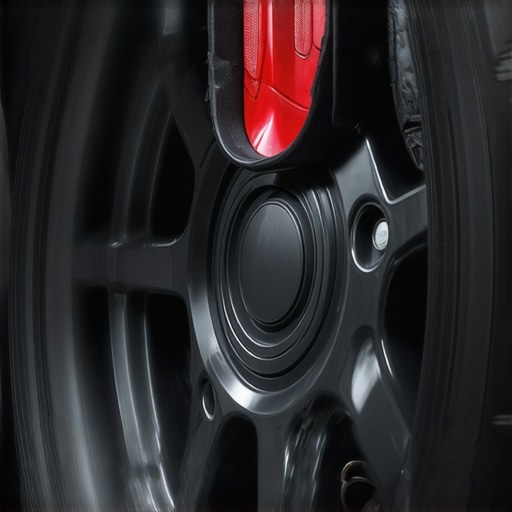
It was late afternoon, and I was in a rush to get home when I suddenly heard that unsettling squeal coming from my car’s brakes. Panic set in—I wasn’t sure if I was driving on worn-out pads or if something was seriously wrong. That moment of hesitation made me realize just how crucial it is to keep an eye on brake health before a warning light or a grinding noise forces your hand. Over the years, I’ve learned that checking brake pad thickness doesn’t always mean a trip straight to the shop; sometimes, a quick visual inspection is enough, especially if you know where to look.
Why Monitoring Brake Pad Thickness Matters More Than You Think
Brakes are one of the most vital safety components of your vehicle. Worn-out brake pads can drastically increase stopping distances, risking accidents and costly repairs. The tricky part? You don’t always get early warning signs until it’s almost too late. Squealing sounds, vibration, or a soft pedal are common, but they often appear when your pads are already dangerously thin. That’s why knowing a simple, reliable way to check your brake pad condition from outside the wheel well is a game-changer. It can help catch issues early, saving you money and possibly preventing accidents.
Early in my garage days, I made the mistake of believing only professionals could assess brake wear. I ignored that slight pulsing in the brake pedal on my way to work one morning, assuming it was just a bad road. Turns out, the pads were almost down to metal—dangerous territory. A quick look through the rim revealed the wear indicator, letting me address the issue before it got worse. Trust me, being proactive about brake maintenance is no hassle once you know how.
According to experts, neglecting brake inspection can lead to rotor damage, fluid leaks, and even brake failure in extreme cases. Regular visual checks can extend the life of your brake system and keep you safe. For more comprehensive advice on preventive care, check out this essential car service tips.
What’s the Best Way to Check Brake Pads Without Lifting the Car?
Most drivers assume that inspecting brake pads requires jacking up the vehicle and removing the wheel. While that’s thorough, it’s not always practical or convenient, especially if you’re on the road or short on tools. Fortunately, there’s a straightforward method to peek at your brake pads through the rim, provided you know what to look for and how to do it safely. In the next sections, I’ll walk you through how I personally check my brake pads using this simple trick—more effective than many DIY guides you’ll find online.
Prepare Your Workspace and Tools
Find a flat, well-lit area to park your vehicle, engage the parking brake, and gather a flashlight, a pair of work gloves, and a tire iron or lug wrench. Wearing gloves protects your hands and improves grip. Ensure your vehicle is stable before you begin.
Inspect the Wheel and Remove the Tire
Begin by loosening the lug nuts slightly while the car is on the ground—about a quarter turn. Use the lug wrench to unscrew them completely once the car is lifted. If your car is equipped with alloy rims, be cautious not to damage the finish. Carefully remove the wheel, exposing the brake components.
Identify the Brake Pads and Wear Indicators
Look inside the brake assembly to find the brake pads positioned on either side of the rotor. Most brake pads have a wear indicator—either a small metal tab that sparks when worn down or a line etched into the pad. This visual cue helps you estimate pad thickness.
Measure the Thickness and Assess Wear
Using your flashlight, examine the pad’s thickness—aim for at least quarter inch (6.4 mm) of brake pad material. If the pad appears less than that, it’s time to consider replacing them soon. For a more precise measurement, use a tape measure or a ruler. Remember, when the pad wears down to the metal backing plate, significant damage has already occurred, and replacement is urgent.
Micro-Story: My Unexpected Discovery
Once, during a quick check after hearing squealing, I pulled off a wheel. To my surprise, the brake pads were almost worn through, with the metal backing just barely covered by remnants of brake material. Promptly replacing them saved my rotors from damage and avoided a costly repair. This quick check is a lifesaver for DIY enthusiasts aiming to prolong their vehicle’s life—more details on prolonging brake system health are available at this guide.
Reinstall the Wheel and Test Drive
After confirming brake pad wear, replace the tire, hand-tighten the lug nuts, then lower the vehicle completely. Tighten the lug nuts in a star pattern to ensure even pressure. Gently test the brakes at low speed to verify proper operation.
Benefits of Regular Visual Checks
Performing these inspections every few months helps catch issues early, avoiding emergency brake repairs or accidents. Remember, simple steps like this maintain your safety and keep your vehicle running smoothly, saving you money in the long run. For more comprehensive preventative maintenance tips, see this resource.
Many car owners believe they understand auto repair basics, but in reality, several misconceptions can lead to costly mistakes. For instance, the popular notion that brakes only need attention when they squeal or grind is misleading. In truth, many drivers overlook subtle signs like a spongy pedal or uneven stopping distances that indicate deeper issues. Regular brake service isn’t just about replacing pads; it involves understanding wear patterns and inspecting rotors and fluid levels to ensure optimal performance. This nuanced approach can prevent premature component failure and save you money.
A common myth revolves around transmission maintenance. Many think that topping off transmission fluid suffices for longevity, but in reality, fluid degradation over time can cause hard shifting and slipping, especially in modern vehicles with complex transmission systems. Experts emphasize that a transmission flush, performed periodically, helps remove sludge and tiny metal particles that can cause significant damage. Neglecting this can lead to expensive repairs, as noted in industry studies that show neglecting proper fluid maintenance increases the risk of transmission failure.
When it comes to collision repair, most assume post-accident repairs are straightforward. However, subtle frame misalignments or hidden structural damages often go unnoticed without advanced diagnostic tools. Restoring a vehicle’s integrity requires more than surface repairs; it involves precise realignment strategies that return your car to its original safety standards. Skipping these nuanced checks can compromise safety and lead to uneven tire wear or handling issues down the line.
For everyday car care, many neglect routine checks of hoses, belts, and seals, assuming them to be durable and maintenance-free. But small cracks or leaks can develop silently, eventually causing engine overheating or failure. Regular inspections, especially during oil changes, can catch these issues early. Vehicle manufacturers recommend prioritizing these inspections to ensure your car remains reliable and safe.
Advanced Mistakes That Could Cost You More
The real trap many fall into is delaying repairs until symptoms become severe. For example, a minor coolant leak might be ignored until the engine overheats, leading to expensive head gasket repairs. Properly diagnosing these hidden issues requires understanding the interconnected nature of vehicle systems. Consulting specialized guides or professionals, like those at CollisionRenew, can provide insight into complex repair needs. For detailed advice on preventive maintenance, visit our comprehensive maintenance guide.
Make sure you’re not falling into these misconceptions; a proactive approach is always better than reactive repairs. Remember, understanding these nuances helps you make informed decisions, extend your vehicle’s life, and ensure safety on the road. If you’ve ever fallen into any of these traps, share your experience in the comments below. Knowledge is power, and by learning from common pitfalls, you can keep your car running smoothly for years to come.
Keeping It Working with the Right Tools
Effective auto maintenance demands precision and quality, which is why I rely on specific tools that have proven their worth over the years. A digital **mechanic’s stethoscope** helps me identify unusual engine sounds quickly, saving time and preventing minor issues from escalating. I prefer the **infrared temperature gun** to scan engine components during routine checks, ensuring no part runs hotter than normal, which could indicate underlying problems.
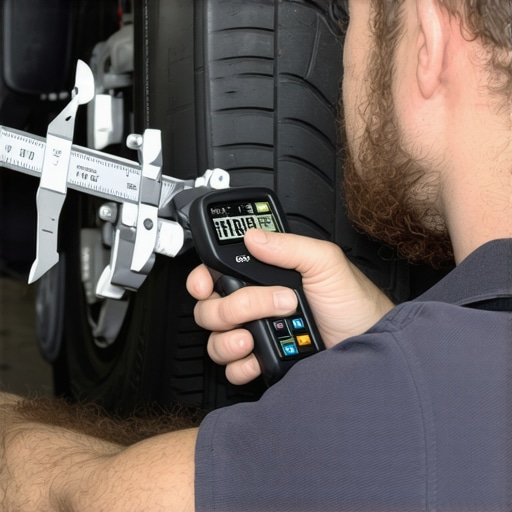
For brake inspections, I use a **wire-bristled brush** to clean dust and debris from rotor surfaces before measurements, ensuring accuracy. When measuring brake pad thickness, I employ a **digital caliper** for exact readings — a necessity when evaluating wear and deciding if replacement is due. These precise measurements help me avoid unnecessary part replacements or overlook imminent failures.
On the software side, I extensively use diagnostic tools like the **OBD-II scanner**, which connects via Bluetooth to my tablet or phone. I prefer models that support live data streaming, enabling me to monitor real-time engine performance or transmission parameters. These tools have become indispensable, especially as vehicles grow more technologically complex. Regular updates ensure compatibility with the latest vehicle models, making troubleshooting faster and more reliable.
Long-Term Benefits of Proper Maintenance Techniques
Using the right tools consistently results in improved vehicle longevity and safety. For example, frequent brake system checks with precise instruments mean brake pads and rotors last longer, and you’ll avoid sudden failures. Accurate diagnosis can save hundreds on repair costs by catching issues early, especially in critical systems like transmission or suspension. As vehicle technology advances, integrating digital diagnostics with traditional mechanical checks is becoming the new standard for proactive maintenance.
Moreover, maintaining proper tools and following precise methods fosters a proactive mindset, allowing you to spot issues before they become dangerous or expensive. Investing in quality equipment might seem costly initially but pays off over time through extended vehicle life and increased safety. For a comprehensive overview of recommended maintenance practices, visit this detailed guide.
How do I maintain auto repair tools over time?
To keep your tools in top shape, remember to clean and lubricate them regularly, store them in a dry environment, and check for wear or damage periodically. Calibrating digital measuring devices before use ensures accuracy, especially when assessing critical components like brake pads. Replacing worn-out brushes or batteries promptly also maintains the reliability of your diagnostic equipment. Staying disciplined in tool upkeep guarantees precise work and peace of mind during every repair or inspection.
Looking ahead, I predict that the integration of **AI-driven diagnostic tools** will revolutionize vehicle maintenance further. These systems will analyze vast amounts of data, predict failures before they occur, and recommend optimal repair strategies—making auto repair even more accessible for DIY enthusiasts and professionals alike. To stay ahead, investing in the latest technology and regular skill upgrades will be essential.
Mastering proper maintenance tools and methods not only enhances vehicle reliability but also deepens your understanding of auto mechanics. Try incorporating a digital caliper or an infrared temperature gun into your routine—these might just become your new best friends on the road to reliable, safe driving.
} }
}
What I Wish I Knew About Maintaining Brakes Early On
One of the biggest lightbulb moments in my auto repair experience was realizing how crucial routine brake inspections truly are. I once ignored minor squealing noises, dismissing them as typical wear, until I faced costly rotor replacements. Regular checkups could have prevented that. Now, I always remind myself that a simple visual inspection, when done correctly, can save a lot of money and hassle in the long run.
Tools That Changed My Approach to Brake Maintenance
Investing in essential tools like a digital caliper and an infrared temperature gun revolutionized my understanding of brake health. They helped me assess pad thickness accurately and detect abnormal heat buildup early. These tools aren’t expensive and make a difference—especially when paired with knowledge from trustworthy sources like this guide.
Actionable Tips for Every Driver
Take a few minutes every few months to do a visual brake check. Remove the wheel safely, identify the wear indicator, and measure pad thickness with a caliper. Remember, catching wear early prevents rotor damage and ensures your safety on the road. Practical steps like these keep your vehicle reliable and extend its lifespan—trust me, your future self will thank you.
Where I’m Heading Next in Auto Maintenance
Looking ahead, I’m excited about integrating smart diagnostic tools and AI-driven systems that can predict brake issues before they become apparent. Staying updated with tech not only enhances safety but also empowers DIY enthusiasts to handle more complex repairs confidently. For continuous learning, I recommend checking out the comprehensive auto repair guide.