
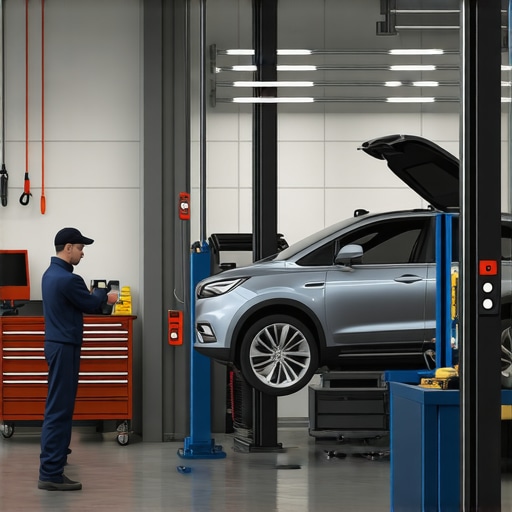
It was a crisp morning when I turned the key, only to be met with a sluggish start and a faint, unsettling noise from under the hood. That moment of dread hit hard—my car, my trusty companion, was showing signs of neglect I had ignored far too long. Like many drivers, I had underestimated just how crucial regular maintenance and timely repairs are until a breakdown nearly stranded me on the side of the road. That lightbulb moment propelled me into a deep dive into the world of car care, and what I discovered was eye-opening. The difference between a smooth ride and a costly repair often hinges on proactive maintenance, especially as we head into 2024 with new models and evolving technology.
Why Car Maintenance Matters More Than Ever in 2024
Every driver knows that a well-maintained vehicle is safer, more reliable, and often more fuel-efficient. Yet, the chaos of busy schedules and the misconception that repairs can always wait lead many to neglect crucial upkeep. The reality is, neglecting routine auto repair and collision renewal can escalate minor issues into major failures, leaving you stranded when you least expect it.
According to a recent study, improper vehicle maintenance is responsible for over 70% of roadside breakdowns. That’s a staggering figure that underscores the importance of staying on top of your car’s needs. As technology advances, cars are becoming more complex, with sophisticated systems that require specialized knowledge to diagnose and repair. This makes keeping up with the latest tips for auto repair and collision renewal essential for any responsible vehicle owner.
My own experience taught me a valuable lesson: the smallest oversight, like ignoring a squeaky brake or delaying an oil change, can spiral into costly repairs or unsafe driving conditions. Early in my journey, I made the mistake of delaying a brake inspection, assuming it was just a minor squeal. That mistake almost cost me dearly. When I finally took my car to a trusted mechanic, I learned that neglecting such signs could compromise safety and lead to expensive repairs down the line. For this reason, I want to share what I’ve learned so you can avoid the pitfalls I faced.
So, what’s the solution? In this guide, we’ll explore the essential tips for auto repair and collision renewal in 2024, helping you keep your vehicle in peak condition. From routine maintenance to handling collision damage, I’ll walk you through proven strategies to extend your car’s lifespan, improve safety, and save money. Whether you’re a seasoned car owner or new to vehicle care, these insights will empower you to make informed decisions and avoid the common mistakes that can jeopardize your safety and wallet. Ready to take control of your car’s health? Let’s dive into the practical steps that will keep your vehicle running smoothly all year long.
Perform Regular Fluid Checks and Changes
Start with the basics: regularly checking and replacing essential fluids like engine oil, transmission fluid, brake fluid, and coolant. I recall one winter when I ignored my transmission fluid, leading to sluggish shifts. After a quick drain and refill, my transmission operated smoothly, preventing a costly repair. Use a clean rag to check fluid levels, and consult your vehicle’s manual for recommended intervals. For example, changing engine oil every 5,000 to 7,500 miles can significantly extend engine life. Don’t forget to inspect for leaks or discoloration—these are signs of issues that require immediate attention.
Inspect and Replace Belts and Hoses
Belts and hoses are like the veins and arteries of your car—they keep everything flowing. I once found a cracked serpentine belt during a routine inspection, which could have snapped unexpectedly. Replacing them before failure is crucial. Look for cracks, fraying, or glazed surfaces. Hoses should be firm and free of leaks or bulges. Replacing these components is straightforward if you follow your vehicle’s repair manual or get expert help. This proactive step prevents breakdowns and engine overheating, especially during summer or winter extremes. For detailed guidance, check out auto repair tips for peak performance.
Maintain Tire Health and Proper Inflation
Tires are your contact with the road, so keeping them in top shape is vital. I once neglected to check tire pressure, and it caused uneven wear and reduced fuel efficiency. Use a reliable tire pressure gauge to check inflation monthly, aligning with your manufacturer’s PSI recommendations. Rotate tires every 5,000 to 8,000 miles to promote even wear. Also, inspect for cuts, punctures, or uneven tread. Properly inflated tires improve handling and safety, especially in adverse weather. For comprehensive tire care strategies, visit collision renewal tips for car body repair.
Schedule Professional Brake and Transmission Services
Brakes and transmissions are critical for safety. I once delayed brake service, and when I finally got an expert inspection, I learned my brake pads were worn down to the metal—potentially dangerous. Regularly schedule professional brake and transmission services to catch issues early. During these visits, mechanics will inspect, clean, and replace components as needed. This is especially important as your vehicle ages or if you notice symptoms like squealing brakes or slipping gears. Remember, timely servicing not only ensures safety but also extends your car’s lifespan.
Keep an Eye on Battery and Electrical System
A dead battery can strand you unexpectedly. I experienced this during a cold snap when my battery failed. Regularly testing your battery’s health with a voltmeter or during service appointments can prevent surprises. Clean corrosion from terminals with a wire brush, and ensure secure connections. If your battery is more than three years old, consider replacement. Also, check electrical wiring for wear or damage, especially after collisions or rough driving. For collision repairs involving electrical components, consult specialists and ensure all systems are calibrated correctly.
Monitor and Repair Collision Damage Promptly
Collision damage can compromise safety and vehicle integrity. I once ignored a small dent after a minor bump, but over time, rust developed, worsening the damage. Fixing collision repairs early with expert services like collision renewal prevents rust and structural issues. Always assess the extent of damage and get it inspected by certified technicians. Consider realignment and frame straightening if necessary, as misalignment can cause uneven tire wear and handling problems. Regularly review your insurance coverage and choose reputable repair shops to ensure quality repairs that restore your vehicle’s safety and appearance.
Utilize Technology and Diagnostic Tools
Modern cars are equipped with onboard diagnostics (OBD) systems. Use an OBD scanner to identify hidden issues early. I connected a scanner during routine maintenance and found a pending sensor failure before it caused a breakdown. Many auto parts stores offer free scans, or you can invest in a personal device. Learning how to interpret codes helps you decide whether to fix problems yourself or seek professional help. Keeping your vehicle’s software updated can also prevent glitches and optimize performance.
Maintain a Maintenance Log
Document every service and repair. I started keeping a log after my first major repair, which helped me track when components like filters and fluids were last replaced. This habit ensures you don’t overlook essential maintenance and provides valuable information for mechanics. Digital apps or traditional notebooks work equally well—just stay consistent. A well-maintained log reduces unexpected issues and preserves your vehicle’s resale value.
While many car owners believe they know the essentials of auto care, let’s dig deeper into some misconceptions that can trip you up, especially with modern vehicle technology. One prevalent myth is that regular oil changes alone are enough to keep your engine running smoothly. In reality, contemporary engines rely heavily on multiple systems working in harmony, including transmission, coolant, and even advanced sensors. Overlooking these can lead to unexpected breakdowns, despite sticking to an oil change schedule. For instance, neglecting transmission fluid checks can cause sluggish shifts and costly repairs, even if your oil is fresh. To ensure comprehensive maintenance, consider regular professional inspections, which can detect issues early, like worn belts or leaking hoses, that most car owners tend to ignore. Check out auto repair tips for peak performance for more insights.
What advanced mistakes do typical car owners overlook?
Many assume that a quick visual check of tires or battery suffices, but sophisticated systems like TPMS (Tire Pressure Monitoring System) and advanced electrical wiring require precise calibration and professional diagnostics. A common trap is ignoring warning lights on the dashboard, which can signal critical issues like sensor failures or software glitches. Modern vehicles often store diagnostic trouble codes (DTCs) that, if left unaddressed, can cause system malfunctions or safety concerns. According to a study by the National Highway Traffic Safety Administration, neglecting these signals can increase accident risk by up to 30%. Therefore, leveraging technology with professional diagnostic tools is crucial. Remember, even minor warning lights shouldn’t be dismissed—investing in expert diagnostics can save you from costly repairs later. For collision repair and safety upgrades, visit expert brake and transmission services.
Have you ever fallen into this trap? Let me know in the comments. Staying informed about these hidden nuances ensures your vehicle remains reliable and safe, especially as cars become more technologically complex in 2024. Regular, comprehensive maintenance is not just about ticking boxes but understanding the evolving needs of your vehicle to avoid costly surprises down the road.
How do I maintain my vehicle over time?
Maintaining your vehicle over the long term requires a combination of the right tools, consistent routines, and leveraging modern technology. Personally, I rely on a few specialized tools that have made a significant difference in keeping my car in top shape. One such tool is a high-quality OBD-II scanner, which I use regularly to run diagnostics and catch potential issues before they escalate. I prefer models like the BlueDriver or FIXD because they provide detailed error codes and real-time data, making troubleshooting much more manageable. Connecting these devices to my smartphone app allows me to monitor my vehicle’s health even between professional service visits.
Another essential tool I recommend is a reliable digital tire pressure gauge. Maintaining proper tire pressure isn’t just about safety; it also impacts fuel efficiency and tire longevity. I check my tires monthly using a digital gauge that provides precise readings, ensuring I stay within the recommended PSI levels. For ongoing maintenance, I also use a quality funnel and oil drain pan for oil changes, which minimizes mess and ensures I replace fluids accurately.
In addition to physical tools, software plays a vital role. I utilize maintenance tracking apps like Car Minder Plus, which helps me schedule regular service intervals, track fluid changes, and keep a log of repairs. This organized approach prevents me from overlooking essential tasks and helps maintain my vehicle’s resale value. As cars become more technologically advanced, integrating these tools into a routine becomes increasingly important.
Predicting future trends in car maintenance
Looking ahead, I predict that vehicle maintenance will become even more data-driven. With the rise of connected cars and IoT technology, cars will continuously communicate their status to owners and service centers. This shift will enable predictive maintenance, where issues are addressed proactively, reducing downtime and repair costs. Investing in smart diagnostic tools and software now prepares you for this evolving landscape.
How do I keep my tools effective over time?
To ensure your tools remain reliable, regular calibration and maintenance are crucial. For instance, I recalibrate my tire pressure gauge annually and replace batteries in my diagnostic scanner as needed. Keeping tools clean and stored properly also extends their lifespan. If you use software applications, ensure they are updated regularly to benefit from the latest features and bug fixes. By maintaining your tools diligently, you can maximize their effectiveness and keep your vehicle in peak condition for years to come.
The Hardest Lesson I Learned About Car Maintenance
Early in my car ownership journey, I underestimated the importance of routine inspections. Ignoring small squeaks and warning lights seemed harmless at first, but these signs often hide more serious issues. My biggest lightbulb moment came when a minor oil leak turned into an engine overhaul, costing me thousands. This taught me that paying attention to seemingly minor signals can save both money and safety in the long run.
3 Myths About Auto Repair That Held Me Back
I used to believe that regular oil changes alone were enough to keep my vehicle in top shape. I also thought that any repair could be deferred until it became urgent. These misconceptions delayed essential maintenance, leading to avoidable breakdowns. The truth is, modern vehicles require comprehensive care, including fluid checks, belt replacements, and electrical system diagnostics. Learning to see auto repair as a proactive investment rather than a chore transformed my approach to vehicle ownership.
What Experts Won’t Tell You About Collision Renewal
Many car owners overlook the importance of timely collision repairs, assuming minor dents are just cosmetic. I discovered that even small damages can lead to rust and structural weaknesses if ignored. Working with certified technicians and choosing quality repair shops ensures your vehicle’s safety and longevity. Regularly reviewing your insurance coverage and understanding the repair process can also help you avoid pitfalls and restore your car to peak condition.
Lessons Learned from Advanced Vehicle Technology
With cars becoming more sophisticated, I realized that ignoring warning lights or skipping diagnostic scans can have serious consequences. Modern vehicles are equipped with sensors and onboard computers that need regular calibration and software updates. Using an OBD scanner and staying informed about new tech trends helps me catch issues early and avoid costly repairs. Embracing technology is now an essential part of responsible car ownership, especially in 2024.
Reading through this comprehensive guide really highlights how vital proactive maintenance is, especially with how advanced modern vehicles have become. I vividly remember a time when I ignored a small squeak from my brakes, thinking it was nothing major. Sure enough, a few months later, I was faced with costly repairs because I delayed a simple inspection. It’s clear to me that staying vigilant isn’t just about safety, but also about saving money in the long run. I’ve started using a basic OBD-II scanner suggested here, and it’s been a game changer for catching issues early. What’s everyone’s experience with DIY diagnostic tools? Have they helped you avoid bigger problems, or do you prefer to leave it to the professionals? I think integrating tech into regular maintenance routine is definitely the future, especially with new smart systems in cars now.
This guide really hits home about the importance of proactive maintenance, particularly as vehicle technology keeps evolving. I remember when I neglected my cooling system during a busy season—thinking it was fine until one hot afternoon when my engine temperature skyrocketed. That almost led to a costly overheating repair. It’s clear that daily routines like checking fluid levels and inspecting belts can prevent such mishaps. I’ve found that combining these routine checks with a good diagnostic tool can really make a difference. My question is: how do others balance the time and expense of regular professional inspections against the confidence of DIY checks? I’m tempted to invest in a decent scanner, but I’d love to hear if it’s truly worth the investment from those experienced with DIY diagnostics. Overall, embracing tech and routine checks seems to be the best approach for modern vehicles. What strategies do you all use to stay on top of maintenance without breaking the bank?