
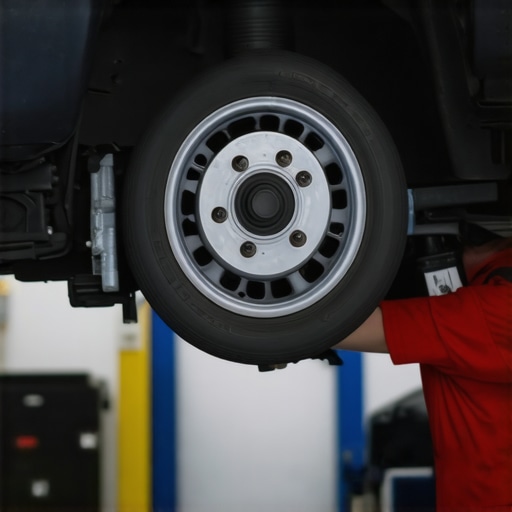
Ever had that heart-stopping moment when your car suddenly pulls to one side, or you hear a strange grinding noise just as you’re about to hit the road? I sure have. It’s a sinking feeling, realizing that a small oversight in brake or transmission care could turn into a costly mishap or worse—an unsafe drive. A few years ago, I ignored a squeaky brake pad, thinking it was just a minor annoyance. It wasn’t. That tiny squeal turned into a full-blown brake failure on a rainy night. Trust me, that was a wake-up call. It made me realize how crucial regular maintenance and knowing the right tips are for safe driving—and how easily we can overlook these vital components.
Why Staying Ahead of Brake and Transmission Problems Matters in 2024
Our cars are more advanced than ever, but they still rely on good old mechanical health to keep us safe. The truth is, neglecting brake or transmission issues can lead to accidents, expensive repairs, or even stranding you in a dangerous spot. According to the National Highway Traffic Safety Administration, vehicle maintenance plays a crucial role in preventing crashes—yet many drivers delay essential checks. That’s exactly why I’ve committed to learning and applying top tips for brake and transmission care. Not only does it extend the life of my vehicle, but it also ensures I get to where I need to go safely. If you’ve ever wondered whether those strange noises or feeling of sluggishness are normal, you’re not alone. And yes, you can fix or prevent most issues with proper maintenance and timely care.
Is Regular Maintenance Really Worth the Effort and Cost?
I used to think skipping those routine inspections would save me money. Big mistake. Early on, I made the mistake of ignoring a small leak in my transmission fluid—thinking it was just a minor drip. It wasn’t. That leak led to a complete transmission overhaul, costing me hundreds more than regular checkups would have. That experience taught me that regular, proactive maintenance isn’t just a hassle; it’s a lifesaver. It’s the difference between a smooth ride and a roadside emergency. For expert advice on what to look out for and when to get your brakes and transmission checked, I recommend exploring trusted sources like this comprehensive auto repair guide.
So, have you faced a moment where a simple maintenance task could have prevented a big problem? If so, keep reading. We’re about to dive into the essential tips that can save you time, money, and maybe even your safety in 2024.
Check Your Brake System Regularly
Imagine your brakes as the brakes on a bicycle — they need to be inspected and maintained to ensure they stop your car safely. I learned this the hard way when I ignored a warning squeal, which turned out to be worn brake pads. To avoid this, make a habit of visually inspecting your brake pads every 10,000 miles and listening for any strange noises. When you notice a squeal or reduced responsiveness, get a professional brake service promptly. For detailed guidance, visit this expert brake service guide to stay ahead of issues.
Monitor Transmission Fluid Levels
Think of transmission fluid like the blood of your car — vital for smooth operation. I once caught a small transmission fluid leak early by noticing delayed gear shifts. Regularly check your transmission fluid level and condition (it should be pinkish and transparent). If it’s dark or gritty, it’s time for a flush and replacement. This simple step prevents costly repairs and keeps your transmission running silky smooth. For in-depth tips, see this maintenance success guide.
Recognize Early Warning Signs
Picture your car giving you subtle hints before a breakdown — that’s exactly what early signs are for. For example, my car started making a grinding noise when braking, which I initially ignored. Once I got it checked, it was a worn brake rotor. Pay attention to vibrations, strange noises, or slipping gears, and address them immediately. This proactive approach is like catching a small leak before it floods your basement. For more tips, visit this brake service guide.
Schedule Professional Maintenance
Don’t try to DIY everything — think of professional maintenance as going to the doctor for a check-up. I once scheduled a transmission flush at the recommended interval, and it kept my car shifting smoothly for thousands of miles. Regular inspections by certified technicians ensure that your brakes and transmission are in top condition. Create a maintenance calendar based on your vehicle’s manual and stick to it. For trusted service providers, check this list of top services.
Keep Emergency Supplies Ready
Finally, always be prepared for the unexpected. Carry a basic toolkit, a flashlight, and a set of jumper cables in your trunk. I once had to jump-start a friend’s car with my own, and that quick action prevented us from being stranded. Being prepared means you can handle minor issues on your own and get to a mechanic safely. For more safety tips, visit this auto repair resource.
Many drivers operate under misconceptions about the nuances of maintaining their vehicle’s brakes and transmission systems. Let’s dig deeper into what most people get wrong and how understanding these details can save you money and prevent accidents. One widespread myth is that you only need to check your brake pads when they start squealing. In reality, regular inspections—every 10,000 miles or so—are crucial because brake wear can be uneven, and early detection of issues like warped rotors can prevent costly repairs later. Similarly, some believe that transmission fluid lasts forever. This is a dangerous misconception; many overlook the importance of checking fluid levels and condition, which can lead to transmission failure. Regular fluid flushes, as recommended in the auto maintenance guide, are vital for smooth gear shifts and long transmission life.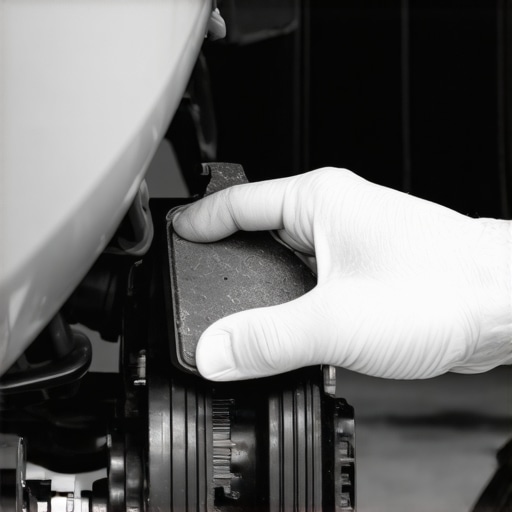
Investing in the Right Equipment for Long-Term Success
Keeping your vehicle in top shape requires more than just knowledge; it demands the right tools. I personally rely on a digital multimeter to check electrical components like sensors and switches that affect brake and transmission performance. An automotive scan tool is indispensable for diagnosing trouble codes quickly, saving me time and money. For example, I use a Bluetooth-enabled scan tool that connects to my smartphone, allowing real-time data monitoring and error code clearing without the need for a bulky device. This approach ensures I catch issues early before they escalate into costly repairs. As the automotive tech landscape evolves, I predict that diagnostic tools will become more sophisticated, integrating AI to offer predictive maintenance suggestions, which will make vehicle upkeep even more proactive and precise.
How do I maintain these tools over time?
Proper calibration and regular updates are vital for keeping diagnostic tools effective. I set a schedule to update my scan software monthly, ensuring compatibility with the latest vehicle models and error codes. Additionally, I store my tools in a clean, dry case to prevent corrosion and damage. When it comes to physical tools like brake caliper piston compressors or fluid extraction kits, I clean and lubricate them after each use, following manufacturer instructions. This maintenance prolongs their lifespan and keeps them ready for the next use. Investing in high-quality, durable tools like those from trusted auto repair suppliers is a smart move for any DIY enthusiast or professional mechanic.
Using Software to Track and Schedule Maintenance
Beyond physical tools, I heavily rely on maintenance management apps. These apps help me log every brake inspection, fluid flush, or transmission check, and send reminders when upcoming service is due. I personally use a platform that integrates with my vehicle’s OBD-II port, pulling diagnostic data directly into my phone. This real-time monitoring allows me to spot anomalies early, like sudden drops in transmission fluid pressure or brake sensor errors. As vehicle technology advances, I believe these apps will incorporate more AI-driven insights, predicting failures based on usage patterns and sensor data, ultimately helping us prevent breakdowns before they happen.
Why Embrace Advanced Maintenance Techniques?
Adopting these tools and methods isn’t just about fixing issues; it’s about embracing a future where proactive maintenance becomes the norm. Regularly using diagnostic tools and software updates will help you stay ahead of potential problems, saving money and enhancing safety. I encourage you to try out a professional-grade scan tool or maintenance app and see how it transforms your vehicle care routine. For detailed guidance on how to select the best tools for your needs, don’t forget to visit this comprehensive auto maintenance guide. Start integrating these advanced techniques today, and you’ll ensure your car remains reliable and safe for years to come.
Over the years, I’ve learned that the most valuable insights come from personal experience and a willingness to challenge common misconceptions. Here are some lessons I wish I had known sooner about maintaining my vehicle’s brakes and transmission:
- Small issues can hide bigger problems: Ignoring a minor squeal or delay in shifting can lead to costly repairs or dangerous breakdowns. Regular checks reveal problems before they escalate.
- DIY isn’t always enough: While basic maintenance is doable, trusting professionals for thorough inspections ensures your safety and peace of mind.
- Myths can be costly: Believing that brake pads last forever or transmission fluid doesn’t need checking can cause preventable damage. Staying informed helps you avoid these pitfalls.
- Proactive tools make a difference: Using diagnostic tools and maintenance apps transforms how I care for my vehicle, catching issues early and saving money in the long run.
- Knowledge is power: Understanding your vehicle’s warning signs and maintenance schedule empowers you to keep your car in top shape, ensuring safety on every trip.
My Essential Toolkit for Car Care
To stay ahead in vehicle maintenance, I rely on tools and resources I trust:
- Bluetooth-enabled scan tools: These let me monitor error codes and sensor data directly from my phone, making diagnostics quick and easy.
- Auto maintenance apps: They help me schedule service reminders, log inspections, and keep track of fluid changes, ensuring I never miss a critical check.
- Reliable service providers: My go-to mechanics, recommended by trusted sources, deliver quality repairs and honest advice.
- Educational resources: Websites like this auto maintenance guide keep me informed about best practices and new technology.
Your Turn to Make a Difference
Taking control of your vehicle’s health isn’t just about saving money; it’s about ensuring your safety and confidence on the road. Regularly inspecting your brakes and transmission, using the right tools, and trusting experts when needed can make all the difference. Remember, proactive maintenance now can prevent emergencies later. So, what’s your next step in mastering car care? Share your experiences or questions below—I’d love to hear from you!
Reading this post really resonated with me, especially the part about checking brake pads every 10,000 miles. A few months ago, I ignored a squealing sound coming from my brakes, thinking it was nothing urgent. Unfortunately, that led to a more serious issue, and I had to replace brake rotors which cost quite a bit. It made me realize how important routine checks are, even if the vehicle seems fine. I’ve started to include quarterly visual inspections and listen carefully to any noises—it’s such a simple step but so effective. What strategies do others use to remember their maintenance schedules? I find using a maintenance app helpful, but I’m curious if there are better ways to stay proactive without relying solely on reminders.