

Ever been cruising down the highway only to notice a steady humming sound coming from the back of your car? That familiar, sometimes annoying noise can spike your anxiety—wondering if it’s a sign of a looming disaster or just a minor glitch. I’ve been there myself, scratching my head over “what’s wrong with my ride?” that constant hum can feel like a clue pointing toward deeper issues, and ignoring it might cost you more down the line.
Decoding That Persistent Rear Hum: What You Need to Know
The truth is, a humming noise from the rear of your vehicle isn’t just background noise—it’s a signal. Often, it indicates something’s not quite right with your suspension, tires, or even the drivetrain. I remember the first time I ignored a similar hum, convincing myself it was just road noise. Turns out, it was a worn-out wheel bearing that could have led to a much more costly repair if left unchecked. According to experts, such sounds are early warnings and should never be dismissed lightly. In fact, a study highlighted that many major vehicle failures started with unnoticed, minor symptoms—like a hum—that were ignored too long.
If you’re wondering whether that humming is normal or a sign of trouble, you’re not alone. Many drivers face this dilemma and feel overwhelmed by the technical jargon and tiny details. But here’s the thing: with a little knowledge and some practical steps, you can identify and address the root cause before things get serious. Today, I aim to walk you through how to tell whether your rear hum is something benign or needs immediate attention.
Learn more about how unusual noises relate to transmission issues, as sometimes the sounds can be more complex than they seem. If you’ve experienced this humming or face a similar mystery in your car, stick around. We’re about to dive into how to diagnose the cause—saving you money and stress—and ensuring your vehicle runs smoothly for miles to come.
Start with a Test Drive to Pinpoint the Sound
Drive your car at different speeds on various roads to determine when the humming becomes noticeable. Pay attention to whether it’s louder during acceleration, braking, or cruising. I once tested my SUV on a bumpy gravel road, and the hum spiked at certain speeds, revealing that the issue was linked to suspension components. This initial step helps you gather crucial clues before disassembling anything.
Check the Tire Condition and Rotation
Inspect your rear tires for uneven wear, cracks, or embedded debris. Rotate the tires if needed, as uneven pressure or tread can cause vibrations and humming sounds. I recall swapping my rear tires during a routine check, and the noise disappeared temporarily—only to reappear later, prompting me to replace worn-out tires entirely. Proper tire maintenance is fundamental and often overlooked in noise diagnostics.
Listen While Applying Brakes to Test for Rotors and Brakes
Gently apply the brakes while driving at a consistent speed to see if the humming changes or intensifies. A warped rotor or sticking brake caliper can produce a rhythmic hum or thumping. In my experience, a sticking brake caliper was the culprit, and after a quick brake service, the noise stopped. Learn how to select quality brake service for long-term peace of mind.
Lift the Vehicle for a Closer Suspension Examination
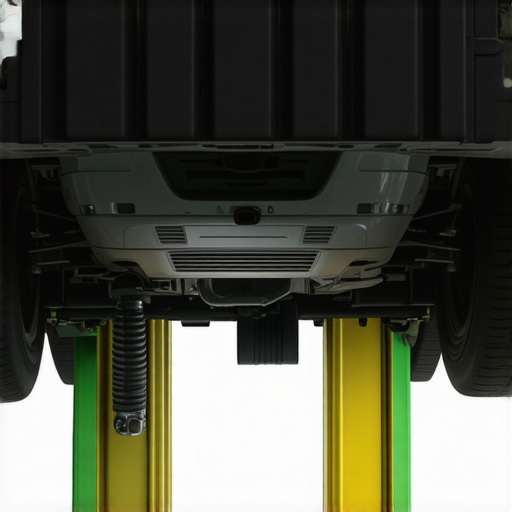
Safely elevate your car with a jack and support stands. Visually inspect components like suspension arms, bushings, and shocks for signs of wear, leaks, or damage. Rattling or loose parts often indicate worn joints causing vibrations that translate into humming sounds during driving. I once found a loose shock absorber bolt, which I tightened, and the noise persisted until I replaced the faulty shock.
Test the Differential and Drivetrain Components
Humming that varies with speed and engine load may originate from the differential or CV joints. With the car on a lift, rotate the rear wheels by hand to check for excessive play or resistance. Noises like clicking or grinding during this manual rotation suggest worn CV joints. In my case, replacing a worn CV axle resolved the persistent hum, saving me from a costly transmission replacement later.
Evaluate the Exhaust System for Loose Parts or Damage
Loose or damaged exhaust components, such as heat shields, can create a humming or roaring noise. Visually inspect under the vehicle for hanging or corroded parts. If you suspect an exhaust issue, consider consulting a mechanic to avoid dangerous leaks or further damage. After tightening the heat shield bolts last summer, my car’s hum disappeared.
Consult a Professional if Uncertain
If after these steps the source remains elusive, it’s prudent to visit a trusted auto repair shop. Professionals can perform advanced diagnostics like wheel alignment checks, computer analysis, or internal transmission inspections. Remember, ignoring persistent noises can escalate repair costs, so timely diagnosis is key.
Diagnosing a rear humming noise involves a systematic approach: test-driving, inspecting tires, brakes, suspension, drivetrain, and exhaust components. Each step reveals potential issues, much like troubleshooting a stubborn puzzle piece. Taking these actions helps prevent minor problems from becoming major, costly repairs in the future.
When it comes to auto repair, a common misconception is that all mechanics are equally trustworthy and that the highest price guarantees the best service. In reality, many drivers fall into the trap of assuming that a flashy dealership or a well-known chain always delivers quality work. **Expert tip:** You should consider certifications, reviews, and the shop’s transparency over brand reputation alone. For example, a study published in the Journal of Consumer Research highlighted that transparency and trustworthiness significantly impact customer satisfaction and loyalty in automotive services.
Another prevalent myth is that routine maintenance is optional or can be delayed without repercussions. This misconception can be costly. Regular checks like fluid replacements, brake inspections, and transmission flushes are crucial for extending your vehicle’s lifespan and avoiding expensive repairs. Skipping these can lead to premature wear and unexpected breakdowns, which often result in bigger expenses—sometimes doubling the repair costs compared to proactive maintenance.
Many drivers believe that DIY repairs are always cheaper and just as effective. While minor tasks like changing windshield wipers or replacing fuses are manageable, attempting complex repairs without proper knowledge can do more harm than good. Incorrect installation or oversight can lead to safety issues, increased repair costs, and voided warranties. For example, improper brake work can compromise your safety; therefore, it’s wise to consult professionals for critical components.
Let’s address a common question from advanced car owners: **Why do some repairs seem to recur after seemingly successful fixes?** This often happens due to incomplete diagnostics or overlooking underlying issues. For instance, replacing a failing transmission component without checking related systems like cooling or transmission fluid quality may result in the problem reappearing. Continuous problems might also be due to poor-quality parts—investing in OEM parts or trusted aftermarket options can prevent recurrence and ensure durability.
Furthermore, many fail to realize the significance of understanding your vehicle’s needs and how various systems interact. For example, neglecting brake service can lead to uneven wear and reduced braking efficiency, increasing safety risks. Regularly reviewing your vehicle’s service history and consulting with reputable shops, such as Collision Renewal, can help you stay ahead of potential issues. For in-depth guidance on choosing the right brake service, [check this expert article](https://collisionrenew.com/braking-news-how-to-choose-the-best-brake-service-in-2025).
In summary, many misconceptions about auto repair revolve around assumptions of quality, necessity, and cost. Recognizing these pitfalls and understanding the nuanced realities can save you money, time, and frustration in the long run. Keep a ‘trust but verify’ mindset, invest in proactive maintenance, and always seek professional advice for complex issues. Have you ever fallen into this trap? Let me know in the comments.Maintaining your vehicle’s performance over time requires more than just basic knowledge; it demands the right tools, software, and methods to ensure every component functions optimally. As someone deeply involved in auto repair and long-term vehicle care, I recommend investing in high-quality diagnostic scanners such as the Autel MaxiCOM series. These devices provide comprehensive readings of engine, transmission, and ABS systems, helping you catch small issues before they escalate. Personally, I use the Autel MS919 because of its extensive features and user-friendly interface, which allows me to perform quick fault code readings and clearings during routine inspections. Additionally, reliable hand tools like the GearWrench socket sets and torque wrenches have been indispensable—they save me time and prevent over-tightening or damaging sensitive parts like brake calipers or transmission lines.Throughout my years working on cars and helping fellow enthusiasts decode mysterious noises, I’ve learned that the real insight often comes from personal experience and paying close attention rather than relying solely on manuals. One of the standout lessons is that persistent rear humming isn’t just a harmless symptom; it’s a message your vehicle is trying to transmit. Recognizing this early can save you time, money, and a lot of stress. For instance, I once ignored a subtle hum, thinking it was just road noise, only to find out it was a failing wheel bearing that could have caused a dangerous failure if left unchecked. Trust me, listening carefully during your test drives and performing regular inspections—like checking your tires, brakes, and suspension—offers invaluable clues. Moreover, understanding the interconnectedness of vehicle systems helps in diagnosing problems more accurately. The knowledge that a humming noise related to drivetrain components might also be affected by differential or CV joint wear changed how I approach repairs. By acting on these lessons, you develop a second sense for your car’s health, preventing small issues from ballooning into costly repairs. Dive deeper into specific areas such as choosing the right brake service [here](https://collisionrenew.com/braking-news-how-to-choose-the-best-brake-service-in-2025), or understanding transmission quirks with expert tips. Remember, your vehicle is a complex machine, but with patience and keen observation, you can be your own best mechanic. Treat each mysterious noise as an opportunity to learn and improve your car care skills—your future self will thank you.