
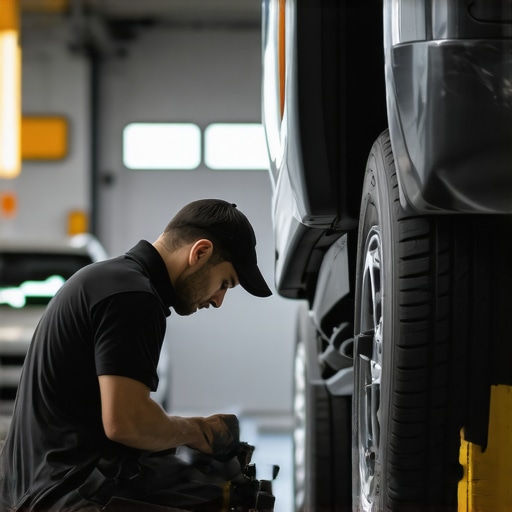
I vividly remember the moment I ignored that squealing noise coming from my car’s brakes. It was late, I was tired, and honestly, I just wanted to get home. The next morning, I woke up to a car that wouldn’t stop properly — a lightbulb exploded in my head. That experience taught me a tough lesson: neglecting brake and transmission health can turn a minor inconvenience into a dangerous situation.
Why Your Car’s Safety Depends on Proper Brake & Transmission Care Now
In 2024, vehicle safety isn’t just about airbags and seat belts. It’s about the nuts, bolts, and fluids that keep your car running smoothly and safely. As cars become more advanced, so does the need for expert maintenance, especially when it comes to brakes and transmissions. Ignoring these vital systems can lead to costly repairs, or worse, accidents on the road. According to a recent report, faulty brakes are responsible for nearly 22% of vehicle accidents in the US annually, making it clear that this is no small issue.
If you’re like me, you might think, “My car feels fine, why bother with maintenance now?” Well, that’s exactly what I used to believe until I faced a sudden brake failure. Regular check-ups can prevent that scary moment when your brakes don’t respond as they should. Plus, a well-maintained transmission ensures your car shifts smoothly, providing better control and safety. I want to help you avoid the mistakes I made early on — like skipping routine inspections — which can jeopardize your safety and your wallet.
Have you ever experienced a sudden brake issue or transmission slip that made you nervous on the road?
If so, you’re not alone. Many drivers underestimate the importance of proper maintenance until it’s too late. That’s why I’ll walk you through the most effective ways to keep your brakes and transmission in top shape. From simple DIY checks to knowing when to call in the pros, this post will arm you with the knowledge to make your vehicle safer in 2024 and beyond. For more detailed tips, check out our comprehensive guide on auto repair tips for safe driving.
So, let’s get started — because a safer, smoother ride is just a maintenance check away.
Inspect Your Brake System Regularly
Think of your brakes as the emergency brakes of your vehicle’s safety system. During my experience, I learned that a simple visual check can prevent a dangerous failure. Start by examining the brake pads and rotors for uneven wear or cracks. If you notice a squealing sound when braking or if the pedal feels softer than usual, it’s time for a professional check. Regular inspections, ideally every 10,000 miles or as recommended by your manufacturer, can catch issues early. For detailed guidance, visit our comprehensive auto repair tips for safe driving.
Learn to Recognize Transmission Clues
Just like a good chef notices the subtle flavors, a driver should notice transmission signs. Slipping gears, delayed engagement, or strange noises when shifting are red flags. During a time I neglected this, my transmission suddenly hesitated, causing me to swerve unexpectedly. To avoid this, check your transmission fluid level and color monthly. If the fluid appears dark or smells burnt, it indicates contamination or wear. Keep a close eye on these signs and schedule a transmission service before small issues turn into costly repairs. Explore expert strategies at auto repair tips for peak performance.
Follow a Maintenance Schedule
Consistency is key. I once skipped a scheduled brake fluid flush, thinking it wasn’t urgent. That led to brake fade and a longer stopping distance. Maintain your vehicle by following the manufacturer’s recommended schedule, which includes fluid replacements, belt checks, and system flushes. Think of this as giving your car a routine health checkup, much like visiting the doctor for annual exams. Keep a maintenance log and set reminders. For a detailed step-by-step plan, check out auto repair strategies for 2024.
Seek Professional Help When Needed
While DIY checks can catch many issues, some problems require expert hands. For example, if your brake pads are worn to the metal or your transmission shows signs of internal damage, don’t delay. I learned this the hard way when a mechanic replaced my brake pads after I noticed the squeal. Trust certified technicians and ask questions about their diagnostic process. Investing in quality service now can save you from dangerous breakdowns later. Find trusted repair shops through top auto repair services.
Use Quality Parts and Fluids
Not all brake pads or transmission fluids are created equal. During a recent overhaul, I chose OEM parts and high-quality fluids recommended by my mechanic. This decision resulted in smoother shifting and more reliable braking. When replacing parts, always opt for trusted brands and specifications outlined in your vehicle manual. This is comparable to choosing the right fuel for your car—using inferior quality can compromise performance and safety. Review the latest product options at auto maintenance tips for 2024.
Monitor and Adjust Tire Pressure
Proper tire pressure is often overlooked but critical for braking efficiency and transmission stress. I noticed improved stopping distances and smoother gear shifts after I started checking my tire pressure monthly. Use a reliable gauge and keep tires inflated to the manufacturer’s specs. This simple step reduces strain on your braking system and prevents uneven transmission wear. For more insights, see our guide on car maintenance essentials.
Many drivers fall prey to misconceptions about maintaining their vehicle’s brake and transmission systems, often leading to costly repairs or safety risks. Let’s dig deeper into what most people get wrong and how understanding these nuances can save you money and lives.
Myth: You Only Need to Check Brakes When They Feel Different
Contrary to popular belief, brake issues often develop gradually. Many think that if the pedal feels normal, everything is fine. However, subtle signs like a slight squeal, increased stopping distance, or a soft pedal can indicate early wear. Relying solely on how your brakes feel can be dangerous. Regular visual inspections and professional check-ups, especially if you’re driving over 10,000 miles, are essential. Remember, routine brake inspections can catch issues before they become emergencies.
Myth: Transmission Fluid Doesn’t Need Replacement Until It Breaks
This is a common misconception. Many believe transmission fluid lasts forever, but it degrades over time and can become contaminated. Dark, burnt-smelling fluid is a red flag that your transmission is working overtime and needs attention. Waiting until a transmission slips or hesitates can cause permanent damage, leading to expensive repairs. Regularly checking fluid levels and color, as suggested in transmission maintenance tips, is a proactive approach that keeps your vehicle running smoothly.
What Advanced Drivers Should Know About System Interplay
Beyond basic checks, sophisticated drivers recognize the intricate relationship between brakes and transmissions. For instance, aggressive driving or frequent stop-and-go traffic can accelerate wear on both systems. Modern vehicles equipped with advanced safety features, such as regenerative braking and adaptive transmissions, require nuanced maintenance strategies. Ignoring the interaction between these systems may lead to premature failures. An expert approach involves not only routine inspections but also understanding how driving habits influence system longevity. For more insights, visit expert auto repair guidance.
Have you ever fallen into this trap? Let me know in the comments. Remember, staying ahead with proper maintenance is the best way to ensure safety and save money in the long run. Regular professional check-ups, combined with a good understanding of your vehicle’s systems, make all the difference. Stay safe and keep your car in top shape!
How do I maintain my brake and transmission systems over time?
Keeping your vehicle’s critical systems like brakes and transmissions in top shape requires not only regular inspections but also the right tools and methods. Throughout my years of experience, I’ve found that investing in quality diagnostic equipment and following a systematic approach can significantly extend the lifespan of these components.
One of my go-to tools is a **digital brake caliper gauge**. This device allows me to measure brake pad thickness precisely, ensuring I catch wear early before it affects safety. I personally prefer models that connect to my smartphone via Bluetooth, such as the Autel MaxiBrake. It provides instant readings and helps me compare measurements over time, making routine checks quick and effective. Regular use of such tools can help detect uneven wear or caliper sticking that might otherwise go unnoticed.
For transmission maintenance, I rely heavily on a **high-quality scan tool** like the BlueDriver Bluetooth Pro. This device not only reads error codes but also gives real-time data on transmission fluid temperature and sensor status. I use it to monitor the health of my transmission system, especially after fluid changes or repairs. Keeping an eye on transmission data helps me preempt issues like slipping gears or delayed engagement, which are often signs of deeper problems.
In addition to hardware, software-based diagnostics are becoming essential. I recommend using software like AutoEnginuity for a comprehensive view of your vehicle’s systems. This software interfaces with various scanners to provide detailed reports, including live data and system tests. Investing in such tools makes routine maintenance more precise and less guesswork.
Looking ahead, the trend is moving toward integrated diagnostic systems that combine hardware and AI-driven analytics. These advancements will enable even more predictive maintenance, reducing unexpected breakdowns and improving safety.
Make Yourself Visible Make Maintenance Easier
Using the right tools is just part of the equation. Regularly scheduled maintenance, combined with precise diagnostics, ensures your brakes and transmission perform optimally. For example, setting reminders to check fluid levels and wear indicators can prevent minor issues from escalating.
Try incorporating a digital inspection routine into your vehicle care, especially if you’re serious about safety and longevity. It’s easier than ever with the tools I’ve recommended, and it pays off by saving you money and keeping you safe on the road. Don’t wait for warning signs—proactive maintenance is your best bet for a smooth, secure ride.
Remember, staying ahead with advanced tools like Bluetooth-enabled gauges and professional diagnostic software can make all the difference. Explore options that suit your budget and skill level, and make one small upgrade today. Regular maintenance using these tools will help keep your brakes and transmission in perfect working order for years to come.
The Hardest Lesson I Learned About Brake and Transmission Care
One of my most eye-opening experiences was neglecting a minor squeal from my brakes. That small sound turned into a costly repair and a reminder that proactive maintenance can prevent disasters. It taught me that paying attention to early warning signs is crucial, especially in systems as vital as brakes and transmissions.
3 Myths About Car Maintenance That Held Me Back
I used to believe that if my car felt fine, everything was okay. I also thought transmission fluid lasted forever. These misconceptions delayed me from regular check-ups, which could have saved me money and stress. It’s essential to challenge these myths and understand that consistent inspections keep your vehicle in peak condition.
What Experts Won’t Tell You About Vehicle Safety
Many drivers overlook the subtle interplay between brakes and transmissions. Modern vehicles have sophisticated systems that require nuanced maintenance. Trusting expert advice and staying informed about system interactions can extend your car’s lifespan and keep you safer on the road.
My Essential Toolkit for Brake and Transmission Maintenance
Tools like a digital brake caliper gauge and Bluetooth-enabled scan tools have transformed how I monitor my vehicle’s health. These devices make routine checks quick and accurate, helping me catch issues early. Investing in quality diagnostic tools is a game-changer for proactive vehicle care.
Where to Go from Here
Beyond tools, trusted sources like auto repair guides and reputable mechanics are invaluable. They provide insights that can help you make informed decisions, ensuring your safety and saving money in the long run.
Keep Your Drive Secure and Smooth
Now that you know the importance of maintaining your brakes and transmission, it’s time to take action. Regular inspections, professional help when needed, and using quality parts will keep your vehicle running safely for years to come. Your commitment to maintenance can truly make a difference, both on and off the road.
This post really hits home for me. I once ignored a small squealing noise from my brakes because I was busy and thought it was minor. The next thing I knew, I was dealing with a costly repair after my brakes failed unexpectedly. It’s a stark reminder that early warning signs like squeals or weird noises should never be ignored, especially as the post suggests, with regular visual checks and professional inspections. I’ve started to use a digital caliper gauge to monitor my brake pad thickness, and I can definitely say it gives me peace of mind because I know when it’s time for maintenance before a problem arises. Have others here found that investing in proper diagnostic tools actually saves them money in the long run? I’d love to hear personal stories or recommendations on what tools work best for DIY maintenance.
Reading this post really resonated with me, especially the part about ignoring small issues like squealing brakes. I learned the hard way that those warning signs are there for a reason. Since then, I’ve started using a digital brake caliper gauge and a good-quality scan tool to keep an eye on my vehicle’s health. It’s surprisingly affordable and has saved me several trips to the mechanic by catching early wear and tear. Honestly, investing in these tools has given me peace of mind and helped me avoid larger repairs. The idea of proactive maintenance truly makes a difference, especially with complex systems like brakes and transmission. Does anyone else use specific diagnostic tools regularly? I’d love to hear about your experiences and any recommendations on tools that have proven effective in your DIY efforts or for professional use. Keeping my car safe on the road is my top priority, and these small investments seem to pay off big in the long run.
This post really underscores how critical regular maintenance is, especially when dealing with such vital systems like brakes and transmissions. I’ve personally experienced the stress of ignoring minor warning signs, only to face costly repairs later on. I started using a digital brake pad gauge after reading about it here, and I can confirm it’s a game-changer for spotting early wear before it becomes a safety issue. Plus, I’ve invested in a quality scan tool to monitor my transmission fluid and sensor data, which has helped me catch minor issues early rather than waiting until something serious happens. What’s been interesting for me is how much these small, proactive steps have given me peace of mind and saved money in the long run. Does anyone have tips on the best maintenance schedule for high-mileage vehicles, or any tools particularly effective for DIY diagnostics? I believe that staying diligent with these systems really extends the life of our cars and keeps us safer on the road.
This post really emphasizes the importance of paying attention to those small warning signs our vehicles give us. I remember a time when I ignored a faint squealing noise from my brakes because I thought it was just a minor annoyance. That turned out to be a costly mistake, as I ended up needing a full brake overhaul when the system finally failed. Since then, I’ve started checking my brake pads regularly with a digital caliper and have also invested in a good diagnostic scanner. For me, being proactive has not only saved money but significantly increased my confidence on the road. I’m curious, has anyone used more advanced diagnostics or apps that help monitor system health in real time? I’d love to hear what tools or strategies others find effective for maintaining safety without always relying on professional services.