
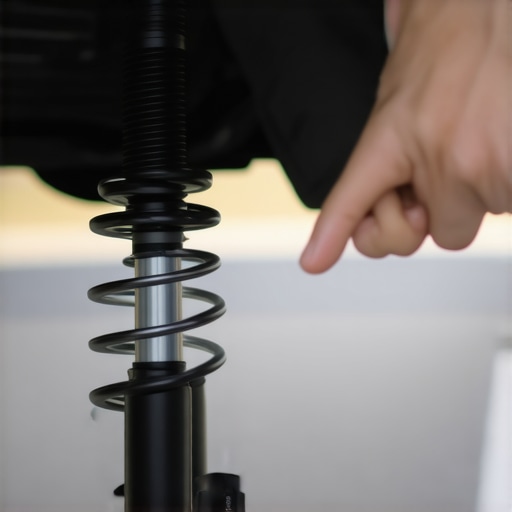
It was just another Saturday morning when I felt that unnerving jolt as I drove over a bump in the road. My stomach sank—was my suspension failing? That familiar rattling sound, the wobble in the steering—I’ve been there so many times, and each moment felt like a gamble with my safety and wallet. One day, I finally realized I couldn’t keep ignoring the signs of worn-out struts; I needed to know if I could identify them myself before the next rough patch or costly repair.
Why Recognizing Worn-Out Struts Matters More Than You Think
Your vehicle’s suspension isn’t a luxury—it’s the backbone of your safety and comfort. When struts go bad, they can cause uneven tire wear, poor handling, and even dangerous driving conditions. Yet, many car owners miss the early warning signs simply because they don’t know what to look for or assume a mechanic’s inspection is mandatory from the get-go. Knowing how to identify these issues yourself can save you time, money, and stress.
Have you ever wondered if that persistent bounciness or steering wobble is just a nuisance or a serious problem? You’re not alone. Early detection is key, and surprisingly, some telltale signs are simple to spot without fancy tools or a garage appointment.
But beware, it’s easy to make mistakes in diagnosis—I’ve done it myself early on. I once dismissed a slight clunking noise as a minor issue, only to learn it was a sign of failing struts. Underestimating these symptoms can lead to further suspension damage and more expensive repairs down the line. For instance, neglecting worn-out struts can cause your tires to wear unevenly, reducing your vehicle’s grip and making driving hazardous. Regularly checking for signs can be the difference between a minor tweak and a major overhaul.
Curious how to distinguish between normal wear and actual strut failure? You’re about to gain the knowledge to do just that, backed by real-world experience and tested tips. And if you’ve faced that dreaded bump in the road or felt your steering wander, stay tuned—you might find the answers you’ve been searching for right here.
For broader insights into vehicle maintenance, visit our guide on [auto repair tips](https://collisionrenew.com/the-ultimate-guide-to-auto-repair-keep-your-car-running-smoothly). Now, let’s start with the easiest and most telling signs to look for when assessing your suspension.
Perform a Visual Inspection to Spot Signs of Wear
Start by parking your car on a level surface, engaging the parking brake, and crawling under the vehicle. Look for oily or leaking shock absorbers, which indicate damaged or worn-out struts. Check for damaged or broken coil springs, as these can mimic strut failure symptoms. Use a flashlight to examine the entire suspension area, focusing on rubber bushings and mounts for cracks or deterioration. I once found a cracked rubber bushing after noticing a clunking noise during a drive, which led me to replace it before more severe damage occurred.
Test the Vehicle’s Responsiveness Through a Bounce Test
Find an open space and gently push down on the front and rear of your vehicle, then release. If the car bounces more than once, your shocks or struts are likely worn out. For example, I performed this test on my sedan and was surprised to see excessive bouncing, confirming my suspicions about the suspension’s condition. This simple test is like pressing down on a mattress to see if the springs are still firm—if it rebounds too much, support is compromised.
Assess Handling During Turns and Braking
Drive slowly on a safe stretch, then turn the steering wheel sharply left and right. Notice if the vehicle leans excessively or feels unstable, which can signal worn struts affecting stability. Also, during braking, if the car dips forward abruptly or sways side to side, it could be a sign of suspension issues. In my case, I experienced a longer stopping distance and noticeable nose-diving—clear signs to replace worn components. Think of your suspension as the foundation of a house; if it’s shaky, every step becomes uncertain.
Check for Uneven Tire Wear
Inspect your tires for uneven tread patterns, such as cupping or scalloping, which are classic signs of failing shocks or struts. Use a tire tread depth gauge or a simple penny test to observe irregularities. I once overlooked slight unevenness in tire tread, but after a few thousand miles, the appearance worsened, leading me to replace my struts and save my tires from premature wear. This step is like noticing the uneven soles of your shoes—an indicator that something in the support system needs attention.
Apply the Push Test on Each Wheel
For a more localized diagnosis, have a friend push down firmly on each wheel while you observe. A sudden rebound or excessive movement suggests worn suspension components. In my experience, doing this test on the front left wheel revealed a loose shock mount, which I tightened immediately to restore safety. Remember, this method mimics the bounce test but focuses on individual corners, helping pinpoint specific issues.
Utilize a Thrust Test to Detect Excessive Play
Firmly grasp the top of a wheel and push back and forth. If you notice excessive movement, your strut housing or mounting brackets might be compromised. I found that my vehicle’s excessive play was due to worn strut mounts, which I replaced to improve stability. This step is akin to testing a door hinge—if it wobbles, it needs fixing before the door becomes unusable.
Schedule a Professional Inspection for Confirmation
If your tests reveal potential issues, it’s wise to consult a mechanic for a thorough assessment. A professional can perform a pistonic pressure test and use specialized tools to measure shock absorber damping levels. I once thought I had minor wear but discovered severe damage during a professional inspection, saving me from unsafe driving conditions. Think of this as getting a second opinion from a doctor—you’ll get reassurance or discover hidden problems early.
By following these concrete steps, you can catch worn-out struts before they cause significant damage or safety hazards. Regular checks act as your vehicle’s health monitor, much like regular physicals keep humans healthy. Recognizing symptoms early ensures you maintain optimal handling and extend the life of your tires and suspension components.
When it comes to car maintenance, many automotive myths persist, leading owners to make costly mistakes. One common misconception is that a routine oil change is all you need to keep the engine healthy; in reality, neglecting transmission fluid or brake system checks can cause severe damage long before the engine issues arise. Another false belief is that premium fuel always offers better performance, but unless your vehicle specifically recommends it, you’re essentially paying extra for no tangible benefit. Contrary to popular belief, waiting for a complete breakdown before visiting a mechanic can lead to more expensive repairs—regular diagnostics can catch small issues early, saving you money and stress. An often-overlooked nuance is the importance of understanding your vehicle’s unique maintenance schedule; following generic timelines might miss critical alerts specific to your model. For instance, according to an automotive expert from Car and Driver, neglecting to inspect your transmission every 30,000 miles can cause clutches and gears to wear prematurely, leading to expensive replacements. Moreover, many drivers overlook the significance of proper brake fluid maintenance, which is vital for stopping power and safety. Failing to replace brake fluid as recommended can cause corrosion in brake lines, risking failure during critical moments. This is why knowledge about your car’s specific needs is crucial—a one-size-fits-all approach often falls short. Additionally, the trap of assuming that auto repair shops are always transparent is common; some may replace parts unnecessarily to boost revenue, especially if the vehicle isn’t thoroughly inspected. Therefore, educating yourself on what truly needs attention can prevent being taken advantage of. Visiting a reputable shop like Collision Renew can ensure genuine service without unnecessary extras. Remember, regular vehicle maintenance isn’t just about fixing problems but proactively preventing them—skipping routine checks might save money today but lead to bigger costs tomorrow. To dive deeper into maintaining optimal performance, consider reviewing our [comprehensive auto repair guides](https://collisionrenew.com/the-ultimate-guide-to-auto-repair-keep-your-car-running-smoothly). Now, are you confident that your knowledge about auto repairs is solid, or have misconceptions been holding you back? Let me know in the comments!Maintaining your vehicle’s health over the long term requires more than just basic fluid changes—you need the right tools and methods to stay ahead of potential issues. I’ve found that investing in quality diagnostic equipment and maintenance supplies has profoundly improved my ability to catch problems early and address them efficiently. One essential tool I swear by is an OBD-II scanner. Unlike generic diagnostics apps, a high-quality scanner like the BlueDriver provides detailed error codes and live data, allowing me to pinpoint issues without unnecessary trips to the mechanic. I personally use the Innova 3160g, appreciating its capability to read advanced manufacturer-specific codes, which gives me a deeper understanding of my vehicle’s condition. Additionally, a good set of brake caliper piston tools ensures I can perform brake service more precisely, especially when replacing brake pads or servicing calipers. Preventive maintenance is crucial; for that, I rely on a magnetic oil drain plug catcher to avoid debris entering the engine during oil changes. This small addition has saved me from potential oil galley blockages. For fluid checks, a clear, graduated syringe for brake and transmission fluid helps verify levels quickly and accurately. I predict that as vehicle electronics become more sophisticated, integrating scan tools with smartphone apps will become standard—enhancing real-time diagnostics and maintenance scheduling. If you want to extend your vehicle’s lifespan, mastering regular inspections with these tools is key. And for long-term reliability, I recommend regularly reviewing specialized guides like [Top Transmission Repair Tips](https://collisionrenew.com/top-transmission-repair-tips-for-long-term-vehicle-reliability), which emphasize proactive part replacements and fluid management. When it comes to maintaining critical systems over time, pay particular attention to your transmission. Using a diagnostic tool regularly can alert you to shifting issues before they become costly. One advanced tip I suggest trying is performing periodic live data tests with your scanner during different driving conditions—this reveals subtle anomalies that static error codes can miss. As technology advances, tools like these will only become more user-friendly and integral to DIY auto maintenance. So, pick the right diagnostic device, and keep a routine schedule of checks—you’re investing in your car’s long-term health. To deepen your knowledge, explore our comprehensive [auto repair insights](https://collisionrenew.com/the-ultimate-guide-to-auto-repair-keep-your-car-running-smoothly). Want to take your maintenance game to the next level? Try using your scan tool to monitor your vehicle’s real-time data during a test drive—it could reveal hidden issues and save you major headaches down the road.
Lessons Hidden in My Suspension Journey
One of the most surprising lessons I learned was that even subtle steering vibrations can be a sign of serious trouble, urging me to trust my instincts rather than dismissing minor symptoms. I realized that ignoring small signs like uneven tire wear or slight bounces during a drive often leads to costly, avoidable repairs, emphasizing the importance of proactive maintenance. Additionally, I found that a simple bounce test can save you significant time and money—literally pushing down on your car to gauge shock health—and that combining visual inspections with responsive driving tests offers a comprehensive understanding of your suspension system. Lastly, I discovered that regular use of a high-quality diagnostic scanner isn’t just for mechanics; it’s a crucial tool for any car owner committed to safety and longevity, turning complex troubleshooting into manageable DIY checks.