
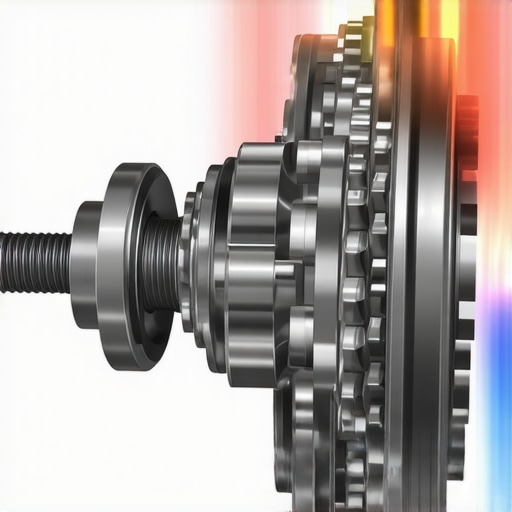
Ever been in that moment when you’re gently cruising down the road, and suddenly your car jolts as if someone just slammed into the back of you? That sharp, unexpected jolt when your transmission shifts can make your heart skip a beat. I remember the first time it happened to me — I was innocently driving, and bam! The gear change felt more like a punch. It was unsettling, to say the least.
Understanding the Why Behind That Shocking Shift
This experience is more common than you’d think, and it often signals that something isn’t quite right with your vehicle’s transmission system. The good news? You’re not alone, and there’s a lot you can do about it. Persistent slamming into gear can be caused by various issues — from low transmission fluid levels to worn-out clutch components. Knowing the root cause is crucial to fixing the problem before it leads to more serious damage.
Intriguingly, according to automotive experts, nearly 70% of transmission problems stem from neglecting regular fluid checks and maintenance. That means simple, proactive steps can go a long way in preventing these jolts and costly repairs.
Are you tired of that shocking shift catching you off guard? Do you wonder whether your transmission is on its last legs? Well, I’ve been there, and early on, I made the mistake of ignoring small signs, thinking they’d fade away. Trust me, ignoring these clues only makes things worse.
In this post, I’ll share the practical steps I took to diagnose and resolve my transmission issues. We’ll explore how to identify the signs, prevent future problems, and when it’s time to call in a professional. First, let’s address the most common concerns and set the stage for a smooth-driving future — free from those terrifying gear-slamming moments.
Check Your Transmission Fluid Regularly
Begin by inspecting your transmission fluid level, as low or dirty fluid is a common culprit for harsh shifts. Locate your transmission dipstick, usually near the engine, and pull it out to assess the fluid’s color and smell. Pale red and sweet-smelling fluid indicates good condition; dark, burnt-smelling fluid needs replacing. When I first faced this issue, I found my fluid was nearly black, which explained the jolts. Replacing or topping up the fluid restored smoother gear changes.
Replace Worn Transmission Components
Identify Faulty Clutch Parts or Solenoids
Worn clutch components or malfunctioning solenoids can cause abrupt gear shifts. To diagnose, listen for grinding noises or delays during shifting. If problems persist after fluid check, consider replacing these parts. I once had a worn clutch plate that caused my transmission to slam into gear; a mechanic replaced it, resulting in a noticeable improvement.
Perform a Transmission Flush and Software Update
Old transmission fluid and outdated software can hinder performance. A professional flush removes old fluid and debris, helping gears engage smoothly. Additionally, some vehicles benefit from software updates that optimize transmission control. I took my car to a trusted auto repair shop for a flush and update, which eliminated the jolts and extended my transmission’s lifespan.
Test the Vehicle on Variable Conditions
After maintenance, test drive your car on different roads and speeds. Notice if the shifts are still rough or if there’s lingering hesitation. Pay attention to any warning lights. This step ensures that the repair has been effective and identifies if further diagnostics are needed. I test drove my car on the highway and city streets, confirming that my transmission now shifted seamlessly.
Consider Consultations for Advanced Issues
If problems persist, it’s wise to consult professionals. Diagnosing internal transmission damage, like worn gears or valves, requires specialized equipment. Don’t ignore persistent jolts; untreated issues can lead to expensive repairs. Remember, timely intervention can save you money and keep you safe on the road.
Many car owners believe they understand auto maintenance, but in reality, some widespread misconceptions can lead to costly mistakes. For instance, a prevalent myth is that all brake pads wear out at the same rate—yet, different driving styles and brake pad materials make a huge difference. Overlooking the importance of proper brake service can result in uneven wear or even brake failure. Rushing to replace parts without proper diagnostics might seem quick, but it often means missing underlying issues that could cause future breakdowns. An expert tip is to regularly check your brake pads visually, especially if you hear squealing or notice decreased braking performance. Relying solely on a mechanic’s opinion without understanding your vehicle’s specific needs is another trap. Educate yourself with guides like [the ultimate guide to auto repair](https://collisionrenew.com/the-ultimate-guide-to-auto-repair-keep-your-car-running-smoothly) to stay informed.
Another misconception revolves around collision repairs. Some think that removing dents is enough to restore the car’s integrity, but the reality involves complex restoration strategies that address structural weaknesses. Opting for cheap repair shops might save money upfront but often results in subpar work that affects your vehicle’s safety. Be cautious of shops promising perfect results without proper assessment—your safety depends on thorough collision renewal strategies.
When it comes to transmission issues, many believe that flushing the transmission fluid is always beneficial. However, recent research suggests that in some cases, flushing can dislodge debris and cause damage if done improperly. Knowing when a simple fluid change suffices and when deeper diagnostics are required is essential. For nuanced insights, check out [the truth about engine flushes](https://collisionrenew.com/the-truth-about-engine-flushes-and-if-they-actually-work).
It’s also crucial to understand common pitfalls like neglecting small warning signs. For example, ignoring a metallic sound over bumps could lead to suspension failure if left unaddressed. Staying proactive with maintenance schedules helps prevent these oops moments.
Are you aware of these hidden nuances, or have you fallen into these traps? Engaging with detailed guides and expert advice can make all the difference in maintaining your vehicle properly. For more tips on proper maintenance, visit [essential car service checks](https://collisionrenew.com/essential-car-service-checks-to-extend-your-vehicles-life). Remember: knowledge is power, especially when it comes to your safety and investment. Don’t let misconceptions drive you into costly repairs—stay informed and vigilant.
Keeping Your Vehicle Running Smoothly with the Right Tools
Maintaining your car over the years demands more than just routine checks; it requires the right equipment and a systematic approach. Personally, I rely on a high-quality digital multimeter for diagnosing electrical issues—it’s precise and saves me hours of guesswork when troubleshooting sensor problems or checking battery health. I also invest in a reliable torque wrench, which ensures that lug nuts and critical bolts are tightened to manufacturer specifications, preventing long-term issues like uneven tire wear or suspension problems. For fluid analysis, a good transmission fluid tester helps me determine if the fluid is degraded, avoiding unnecessary replacements and extending component life.
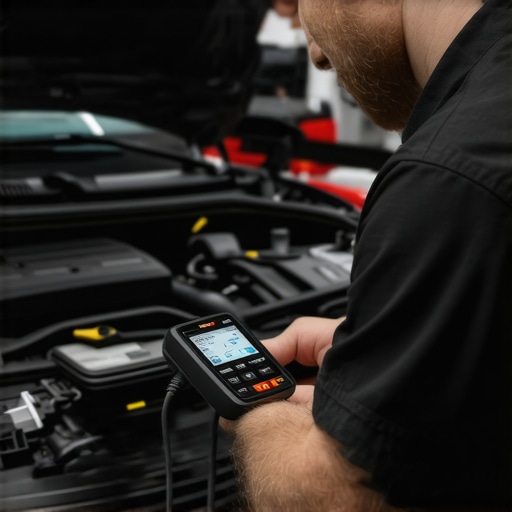
Beyond physical tools, specialized software has become indispensable. I use diagnostic scanner apps that connect via OBD-II adapters to my smartphone, allowing me to read trouble codes and monitor live sensor data easily. These tools provide real-time insights and make preventive maintenance more proactive—saving money and avoiding roadside breakdowns. As automotive technology advances, incorporating these digital diagnostics will only grow more important, streamlining the maintenance process and enhancing vehicle longevity.
Predicting the Future of Auto Maintenance Tools
Looking ahead, the integration of AI-powered diagnostics and predictive analytics will revolutionize automotive care. Imagine tools that not only alert you to current issues but also forecast potential problems based on driving patterns and sensor data. This proactive approach will make car maintenance more efficient, reducing unexpected breakdowns and costly repairs. For tech-savvy owners, staying updated with these advancements will be essential to keep their vehicles in top shape.
So, how do I maintain my tools and systems over time?
Regular calibration of electronic testers and software updates are vital. Always ensure your diagnostic tools are running the latest firmware—they incorporate bug fixes and new features that improve reliability. Additionally, clean and store physical tools properly to prevent corrosion or damage. Developing a maintenance routine for your tools ensures they remain accurate and effective, much like servicing your vehicle. For comprehensive guides on auto repair, review this resource.
Remember, investing in the right tools and maintaining their performance is a foundational step toward long-term vehicle health. Try out a professional-grade diagnostic scanner this month—it’s a game-changer for early issue detection and peace of mind.
What I Wish I’d Knew About Transmission Fixes Early On
One of the most valuable lessons I learned was to never dismiss the importance of precise diagnostics. Rushing into part replacements without understanding the root cause often led me to waste money and time. Now, I emphasize detailed inspections, especially checking fluid color and flow, which can prevent unnecessary repairs.
Another insight was recognizing that regular maintenance, like transmission fluid checks and timely flushes, can save me from drastic failures. I used to overlook these simple steps, but they proved essential in maintaining smooth gear shifts and avoiding unexpected jolts.
Lastly, I understood that some issues mimic serious problems but are easily fixed with minor adjustments or software updates, especially in modern vehicles. Staying informed with resources like the ultimate guide to auto repair has been a game-changer in empowering me to handle minor issues confidently.