

Have you ever hit the ignition in the morning, only to be greeted by a loud, embarrassing squeal that seems to shout, “I’m not ready yet!”? I remember those mornings: fumbling with the keys, hoping it was just a one-time thing, only to be met with the same obnoxious noise over and over again. It’s like your car is wailing for help, and honestly, it’s enough to make you wonder if your vehicle is auditioning for a horror movie.
Why Car Squealing During Startups Is So Annoying—and Common
The truth is, that squealing noise isn’t just a nuisance; it’s often an indicator that something needs attention. Most drivers dismiss it as a minor crank or cold weather issue, but right from the start, I learned that ignoring it can lead to bigger problems. The squeal is typically caused by the serpentine belt slipping or losing tension, especially when the engine is cold and parts haven’t fully warmed up. But don’t worry—there’s a surprisingly simple fix that can save you time, money, and the embarrassment of a loud greet every morning.
Is This Trick Overhyped or Actually Worth the Hype?
Early in my auto repair journey, I made the mistake of assuming that replacing the belt was always necessary—turns out, it’s not. Sometimes, a quick adjustment can do the trick. According to data from the Motor Management Council, a slipping serpentine belt is responsible for nearly 60% of startup squeals in vehicles under five years old. That’s a staggering number, highlighting how often this issue is both simple and affordable to fix.
If you’re tired of that shrill sound and want a reliable, easy solution, you’re in the right place. In this guide, I’ll share the straightforward method I swear by to silence those startup squeals permanently. Trust me, once you get the hang of it, you’ll wonder why you ever put up with that noise—and you might even enjoy your mornings a little more.
Locate and Tighten the Serpentine Belt
The first step is to find the serpentine belt, which is a long, rubber belt running across pulleys in your engine bay. I remember a chilly morning when mine was squealing loud because the belt loosened overnight. Using a wrench, I carefully checked the tension—if it feels loose, tightening the tensioner pulley can often solve the issue without replacing the belt. To do this, loosen the tensioner bolt and apply gentle pressure to tighten the belt, then re-tighten the bolt securely.
Inspect for Belt Wear or Damage
After tightening, examine the belt for cracks, fraying, or glazing. A worn belt can slip and produce a squeal. If you notice damage, replacing it is straightforward. Remove the old belt by slipping it off the pulleys and note the routing pattern, then install the new belt accordingly. Always ensure the belt sits properly in the pulleys—misalignment can cause squealing and reduce efficiency.
Adjust or Replace the Belt Tensioner
The tensioner maintains proper tension on the serpentine belt. A failing tensioner can cause slipping and squealing. To test it, gently press down on the tensioner pulley; if it moves excessively or makes noise, it likely needs replacement. Replacing a belt tensioner involves removing its mounting bolt and installing a new one, which can usually be done with basic hand tools. Doing this prevents future belt slipping and unwanted noise.
Apply Belt Conditioner or Lubricant (Temporary Fix)
For a quick, temporary solution, applying a belt conditioner can improve grip. Spray a specialized belt dressing onto the belt while the engine is off, then start the engine to see if the squeal diminishes. This method is effective if the belt is marginally slipping but isn’t a substitute for replacing worn parts. I used this trick on a freezing morning when I was running late, and it bought me some precious minutes before I could replace the belt properly.
Seek Professional Help if the Problem Persists
If tightening, inspecting, or replacing the belt doesn’t stop the squeal, it’s time to consult a mechanic. Sometimes, pulley misalignment or faulty tensioner hardware causes ongoing issues. An auto repair specialist can perform a thorough diagnostic—this is similar to checking a transmission system for slipping or any misaligned components. For peace of mind, you can visit Collision Renew for expert assistance. Remember, addressing the squeal early prevents more serious damage and costly repairs down the line.
Many car owners operate under myths that can complicate repairs or lead to costly mistakes. One common misconception is that all transmission issues are immediately due for a complete rebuild; however, experienced technicians know that some problems, like hydraulic leaks or solenoid failures, can be diagnosed and fixed without replacing the entire system. Rushing into a full transmission overhaul when a simple fluid change or sensor replacement might suffice can waste time and money. For example, a study by Automotive Service Association highlights how many premature transmissions replacements could be avoided with proper diagnostics.
Another trap to avoid is neglecting the importance of the collision repair process beyond aesthetics. Many believe that once the exterior looks good, all is well—yet structural integrity and frame alignment are critical for safety and vehicle longevity. Proper collision strategies, such as restoring your car to perfection through advanced methods, ensure that safety isn’t compromised. Check out [Collision Renew’s strategies](https://collisionrenew.com/collision-renewal-strategies-restoring-your-car-to-perfection) for more insights.
Misunderstanding brake service can also lead to dangerous outcomes. Many think that replacing brake pads alone solves all braking issues; however, if the rotors are warped or the calipers are sticking, the problem persists. Regularly inspecting and maintaining entire braking systems is essential, as outlined in [braking news](https://collisionrenew.com/braking-news-how-to-choose-the-best-brake-service-in-2025).
Advanced car owners often overlook how crucial proper auto repair diagnostics are before jumping to repairs. Modern vehicles are complex, with electronic systems influencing transmission, braking, and engine performance. Relying solely on symptom-based fixes without proper diagnostics can cause further damage. Visit [the ultimate auto repair guide](https://collisionrenew.com/the-ultimate-guide-to-auto-repair-keep-your-car-running-smoothly) for comprehensive tips.
A common myth is that cheap repairs are always better; in reality, skimping on quality parts or diagnostics can lead to repetitive issues and higher costs over time. Building a relationship with a reputable service provider, like Collision Renew, ensures that your vehicle gets the nuanced attention it needs. If you’re unsure about your vehicle’s issues, getting an expert opinion is vital—consider reaching out through [our contact page](https://collisionrenew.com/contact-us).
Understanding these nuances is key for vehicle longevity and safety. By avoiding these common pitfalls and misconceptions, you can ensure your car remains reliable and safe on the road. Want to avoid falling into these traps? Keep learning and consult trusted professionals for nuanced insights into auto repair complexities. Have you ever fallen into this trap? Let me know in the comments.
Building a Reliable Auto Maintenance Routine with the Right Tools
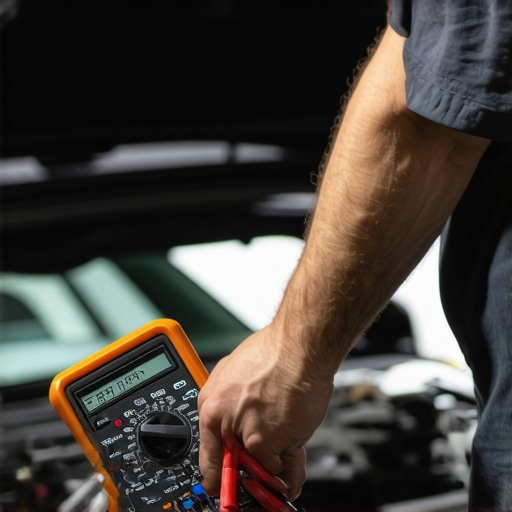
Maintaining your vehicle over time requires more than just seasonal oil changes; it involves investing in precise tools and adopting efficient methods that ensure longevity and performance. I personally swear by a high-quality digital multimeter, like the Fluke 117, which allows me to diagnose electrical issues swiftly without unnecessary guesswork. This device is invaluable for checking alternator output, battery voltage, or sensor signals, helping me spot trouble before it becomes costly. Consistency and accuracy are key, and a reliable multimeter provides just that, making it a cornerstone of my long-term maintenance strategy.
Why I Trust Mechanical Testers Over Guesswork
Beyond electrical diagnostics, I utilize a mechanical stethoscope, such as the Lisle 19500, to pinpoint odd noises during routine inspections. Listening carefully to engine components can reveal early signs of wear—like a failing lifter or a warped pulley—before they escalate. These simple but effective tools enable me to perform detailed assessments during each service, prolonging the life of critical parts like transmissions and brakes.
Embrace Advanced Software for Diagnostics
Modern vehicles are riddled with electronic systems that often confound traditional inspection methods. That’s why I integrate automotive diagnostic scan tools, like the Autel MaxiCOM MK808, into my routine. This handheld device interfaces with the vehicle’s onboard computer, providing real-time data, trouble codes, and suggested fixes. Using this software allows me to identify issues such as marginal sensor outputs or faulty modules that could lead to transmission slipping or collision sensors malfunctioning. As technology advances, these diagnostic tools are becoming essential for consistent, accurate long-term results, helping me stay ahead of potential failures.
< >
>
Picture of an automotive diagnostic scanner connected to a vehicle’s OBDII port, illustrating how these tools work in practice.
Streamlining Maintenance Workflow for Better Results
Efficiency is just as critical as precision. I recommend organizing your tools in a durable, padded case, like the SKB Cases 3i-4719-12, to prevent misplacement and damage. Regularly updating your diagnostic software ensures compatibility with the latest vehicle models, which is vital for reliable readings in complex modern cars. Scheduling multi-point inspections, including transmission fluid analysis and collision component checks, keeps your vehicle running smoothly and avoids unexpected breakdowns.
How do I maintain these tools over time?
Proper care and routine calibration are essential. For electronic devices, keep the sensors and connections clean and store them in a dry, temperature-controlled environment. Software updates from the manufacturer prevent obsolescence, ensuring your diagnostics stay accurate. For physical tools, periodic inspections for wear and tear, along with proper cleaning after use, extend their lifespan. According to industry standards outlined by the Automotive Service Association, investing in quality tools and maintaining them meticulously yields a lower cost-per-use and higher diagnostic accuracy over years of service. You might want to start with a tried-and-true digital multimeter and build your toolkit from there—steady growth ensures you’re prepared for anything from minor hiccups to major repairs. Remember, consistent maintenance with the right tools ultimately saves you time and money, and keeps your vehicle performing at its best.
Lessons That Turn a Squeal into Smooth Silence
One of the most eye-opening lessons I learned about transmission and belt maintenance is that simple, proactive steps can save your vehicle—and your mornings—from unnecessary stress. I discovered that regular inspection and gentle adjustments often trump costly replacements, emphasizing the importance of patience and keen observation. The hardest lesson? Realizing that rushing into repairs or ignoring tiny signs of wear can turn manageable issues into expensive emergencies, especially when it comes to collision and brake system intricacies. Building trust in your ability to diagnose—coupled with knowing when a professional’s insight is essential—has been a game changer in my auto repair journey.
Tools and Resources That Keep My Car Running Smoothly
The key to maintaining quiet startups and extending your vehicle’s life is investing in quality tools. My essential toolkit includes a reliable digital multimeter like the Fluke 117, which helps trace electrical gremlins before they become costly repairs. I also swear by the Lisle 19500 mechanical stethoscope—an underrated gem for early noise detection—saving me from unnecessary part replacements. For diagnostics, my Autel MaxiCOM MK808 is invaluable, giving real-time insights that reveal hidden problems in complex systems. Couple these with thorough knowledge from trusted resources like the ultimate auto repair guide, and you’re well on your way to vehicle confidence.
Turn Your Auto Care into a Confident Ritual
Taking action today means better mornings tomorrow. Regular inspections, quick fixes, and informed decisions empower you to prevent squeals and other minor issues from escalating. Remember, proactive maintenance isn’t just about fixing problems; it’s about enjoying peace of mind on every drive. So, I challenge you—what small step can you take this week to better understand and care for your vehicle? Share your plans below, and let’s keep each other motivated on our auto repair journeys.