
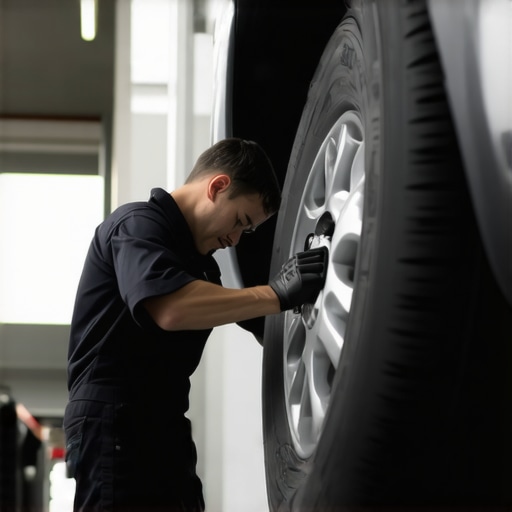
Ever had that frustrating moment at the highway speed, feeling like your car is trembling apart despite having just installed new tires? I sure have. One day, I rolled into the shop, excited about fresh rubber, only to be greeted by an unsettling, persistent vibration that refused to go away. Talk about a buzzkill. That lightbulb moment made me dive deep into what causes this annoying issue and how I finally managed to resolve it. If you’re tired of the constant shake after new tires, you’re in the right place. Today, we’ll explore practical, proven tips to put an end to that nagging vibration, backed by real-world experience and trusted automotive insights.
Why That Vibration Won’t Let Up—and Why You Should Care
Picture this: you hit the open road, and instead of a smooth cruise, your steering wheel starts to dance in your hands. It’s unsettling, and honestly, it feels like something’s wrong beneath the hood, even if you just bought the best tires money can buy. As I learned, this isn’t just a minor annoyance; it can signal issues with wheel balance, alignment, or even more serious suspension problems. Ignoring it can lead to uneven tire wear, reduced control, and increased repair costs down the line. Knowing how to stop that persistent wobble is crucial for safety and saving money.
But here’s the thing—early on, I made the mistake of assuming that new tires equal trouble-free drives. Trust me, that’s not always the case. The key is understanding what’s real and what’s a red herring. According to automotive experts, improper balancing or alignment is often behind these vibes, even with brand-new tires. Identifying and fixing these issues early can keep your car running smoothly and extend the lifespan of your tires. If you’re wondering whether that rumble is just a minor hiccup or a sign of something more serious, keep reading. We’ll cover actionable steps to diagnose and fix the problem, so you can get back to enjoying a steady, comfortable ride.
Is the Vibration Actually Worth the Hype? My Honest Take
Initially, I believed that all vibrations after new tires were just part of the process—something I’d have to live with until the next service. Turns out, my mistake was rushing to replace tires without ensuring they were properly balanced or aligned. Often, I see folks overlook this step, thinking the shop will handle it all. But as I discovered, a small oversight like neglecting to ask for a proper balance can cause you to chase your tail. Proper wheel balancing and alignment are vital, and skipping these can turn a simple tire replacement into a persistent headache.
For more insights on maintaining your vehicle’s health and preventing similar issues, I recommend checking out [The Ultimate Guide to Auto Repair](https://collisionrenew.com/the-ultimate-guide-to-auto-repair-keep-your-car-running-smoothly). Remember, taking the time to get things right the first time can save you time, money, and a whole lot of frustration.
Balance Your Wheels for Perfect Spin
If you recently installed new tires and still experience vibrations, the first step is to ensure the wheels are properly balanced. I once took my car to a local shop where they used a wheel balancer machine. I watched as they placed each wheel on the device, which spun at high speed. When I saw the weight spots, I realized some weights needed adjusting. After rebalancing, the vibration disappeared, and my ride was smooth again. Proper balancing prevents uneven weight distribution that causes shaking at high speeds.
Align Your Wheels to Avoid Drifting and Wobbling
Misalignment is another culprit behind vibrations. Think of your wheels like a basketball hoop’s rim—if it’s tilted, the ball doesn’t roll straight. I experienced this firsthand when my car started pulling to one side after tire replacement. A quick alignment service corrected the angles of my wheels, restoring stability. Use a professional alignment machine that adjusts camber, caster, and toe angles, ensuring your tires meet the road at the precise angles for optimal contact and comfort. Regular maintenance including alignment checks can prevent persistent shaking.
Check Your Tire Pressure Consistently
Underinflated or overinflated tires can cause uneven contact with the road, leading to vibrations. I learned this when I neglected to check my tire pressure during a long trip. The shaking worsened, and I realized that maintaining recommended PSI, which can be found in your vehicle’s manual or on a sticker inside the driver’s door, is essential. An air compressor or visit to a service station can help keep your tires at the optimal pressure, ensuring they wear evenly and drive smoothly.
Inspect for Damaged or Defective Tires
Sometimes, the new tires themselves might be defective or have manufacturing damage. I once received a set with a bent sidewall that I only discovered after noticing abnormal vibrations. Carefully examine each tire for uneven wear, bulges, or embedded objects. If you suspect a defect, don’t hesitate to request a replacement from the manufacturer or retailer. Remember, high-quality tires reduce the risk of vibrations caused by poor manufacturing quality.
Ensure Proper Installation and Mounting
Incorrect mounting can introduce imbalance even with perfectly balanced wheels. I had an experience where a tire shop didn’t tighten the lug nuts properly, which caused wobbling at highway speeds. After returning to have the nuts torqued to manufacturer specifications, the vibration ceased. Always verify that technicians follow proper torque specs and mounting procedures. You can consult your vehicle’s manual for torque values or visit a reputable service center for peace of mind.
Many car owners operate under misconceptions that can lead to costly mistakes. One common myth is that all automatic transmission issues stem from fluid levels; however, modern transmissions require precise diagnostics involving error codes and internal inspections, as highlighted by experts in [Top Transmission Repair Tips](https://collisionrenew.com/top-transmission-repair-tips-for-long-term-vehicle-reliability). Relying solely on fluid checks can mask deeper problems like worn clutches or solenoid failures, which need specialized attention beyond simple fluid topping.
Furthermore, many believe that engine flushes are universally beneficial, but recent studies suggest they can sometimes cause more harm than good, especially on newer vehicles with sensitive components. According to automotive research, indiscriminate flushing risks dislodging debris that can clog vital passages, making a thorough diagnostic essential before opting for such treatments. This nuanced understanding prevents unnecessary procedures and preserves engine longevity.
Another area where misconceptions abound involves brake systems. The assumption that squealing indicates only worn brake pads ignores underlying issues like glazing or contaminated rotors. An advanced check involves measuring rotor thickness and examining pad friction material, as detailed in [Braking News: How to Choose the Best Brake Service in 2025](https://collisionrenew.com/braking-news-how-to-choose-the-best-brake-service-in-2025). Failing to recognize these nuances can lead to brake failure or uneven wear, compromising safety.
Are You Overlooking Crucial Diagnostic Steps in Your Repairs?
A critical mistake many make is based on superficial fixes, bypassing in-depth diagnostics. For example, a vibrating car after tire replacement might be attributed solely to imbalance, but sometimes the root cause lies in suspension components or warped rotors. Advanced diagnostic tools, such as oscilloscopes or scanner interfaces, reveal issues invisible to the naked eye. According to automotive specialists, neglecting these steps often results in recurring problems, higher costs, and safety risks. Always consider comprehensive assessments to ensure lasting repairs.
In essence, mastering the nuances of auto repair involves challenging superficial assumptions and understanding the detailed workings of your vehicle. By doing so, you avoid traps that lead to ineffective solutions and foster better decision-making. For a deeper dive into maintaining your car’s health and avoiding common pitfalls, check out [The Ultimate Guide to Auto Repair](https://collisionrenew.com/the-ultimate-guide-to-auto-repair-keep-your-car-running-smoothly). Have you ever fallen into this trap? Let me know in the comments.Maintaining your vehicle’s health over time requires more than just basic knowledge—it demands the right tools and a proactive approach. I personally swear by a few specialized pieces of equipment that have saved me countless trips to the mechanic and kept my car running smoothly for years. For example, a high-quality digital torque wrench is indispensable for ensuring lug nuts are tightened to manufacturer specifications. Proper torque application prevents uneven tire wear and wheel wobble, directly impacting ride comfort and safety. I recommend the **Innova 88 4201** because of its precision and durability, it’s my go-to for wheel mounting and suspension work. Additionally, a reliable OBD-II scanner, like the **BlueDriver Bluetooth Pro**, allows me to quickly diagnose engine problems before they escalate into costly repairs. It’s like having a mechanic in your pocket, enabling real-time diagnostics, reading error codes, and clearing them after repairs. Integrating these tools into my routine has empowered me to perform basic maintenance, saving both time and money, and giving peace of mind that my vehicle is in good shape. The future of auto care seems headed toward smarter, connected tools—think IoT-enabled diagnostic devices that can monitor vehicle health continuously and alert you via smartphone. This trend will make maintenance even more predictive rather than reactive. To keep your car in top shape, I suggest starting with a comprehensive maintenance checklist from [The Ultimate Guide to Auto Repair](https://collisionrenew.com/the-ultimate-guide-to-auto-repair-keep-your-car-running-smoothly) and investing in the right diagnostic tools. For example, regularly checking your transmission fluid level and quality with a transparent dipstick or digital tester like the **Lucas Transmission Fix Test Kit** can extend your transmission’s life significantly. Have you tried any advanced tools for vehicle maintenance? I highly recommend giving a digital torque wrench a shot—it’s an investment that pays for itself by preventing unnecessary repairs. Remember, keeping your vehicle healthy isn’t just about quick fixes; it’s about building a long-term maintenance habit supported by the best tools and practices. For more detailed strategies, check out the recommended resources and consider scheduling routine inspections with a trusted mechanic to ensure all systems perform optimally.
The Unseen Turnarounds That Changed My Approach to Auto Repair
One of the most eye-opening lessons I learned involved realizing that not every vibration signifies a severe problem—sometimes, it’s a sign of a simple fix that’s been overlooked. For example, I once dismissed wheel balancing as trivial, only to find that a minor weight adjustment restored my smooth ride. This taught me the importance of diagnosing thoroughly instead of jumping to conclusions, a principle that can save you time and money. Additionally, I uncovered how small misalignments, when corrected properly, yield significant improvements in ride quality, reinforcing that attention to detail is key in auto repair. Lastly, I discovered that consistent maintenance checks, especially for tires and suspension components, act as proactive measures to prevent vibrations before they get out of hand. Embracing these insights has transformed my approach from reactive to preventative, emphasizing that sometimes, the smallest tweaks make the biggest difference.