
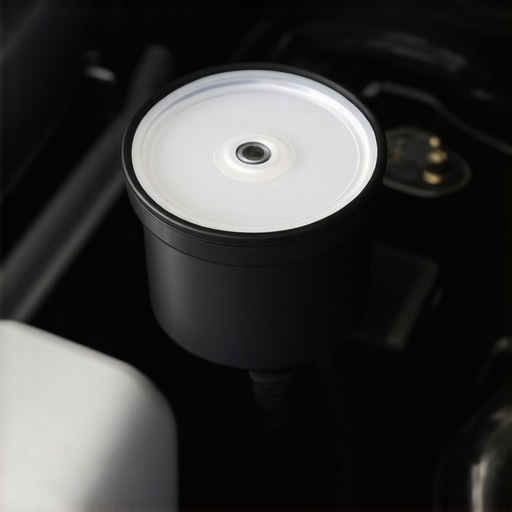
It happened quietly, creeping up during a typical drive—suddenly, my engine sputtered, hesitated, and then died as I was nearing a busy intersection. The panic was real. I had ignored that stubborn fuel pump whine for weeks, dismissing it as normal wear. Little did I know, a seemingly minor fuel filter clog was behind my near-disaster. That moment was a lightbulb, illuminating the hidden danger lurking in my own garage: driving with a plugged fuel filter isn’t just a minor inconvenience—it’s a ticking time bomb for your engine.
Why Ignoring a Clogged Fuel Filter Can Destroy Your Car
Fuel filters are tiny but mighty protectors of your engine. They keep dirt, rust, and debris from entering sensitive components. Over time, they get clogged, restricting fuel flow—a silent problem that’s easy to overlook until your car starts acting up. The tricky part? Many owners don’t realize their fuel filter is plugged until serious damage occurs, often manifesting as sluggish acceleration, engine misfires, or even complete failure.
Personally, I learned this lesson the hard way. Early on, I thought a slight roughness was just normal aging. I delayed replacing the filter, thinking it was no big deal. But that mistake nearly stranded me—and thinking back, it was a costly oversight. According to automotive experts, a restricted fuel filter can cause the fuel pump to work harder, risking early failure and sometimes damaging the fuel pump itself. This emphasizes a critical point: neglect can lead to much more than just poor performance; it can put your engine on the fast track to expensive repairs.
For a comprehensive understanding, check out our guide on [the ultimate auto repair strategies to keep your vehicle running smoothly](https://collisionrenew.com/the-ultimate-guide-to-auto-repair-keep-your-car-running-smoothly). It outlines essential maintenance routine checks that could save you money and trouble.
Are you frustrated because your car feels sluggish but isn’t sure why? Or perhaps you’ve faced that sneaky hesitation on a busy day? You’re not alone. Recognizing early signs and knowing when to act can make all the difference.
Is Replacing a Fuel Filter Really Worth the Hassle?
I remember my initial hesitation—cost, time, the inconvenience. But neglecting it nearly cost me a major breakdown. My early mistake was assuming that fuel filters last forever or that ignoring minor symptoms wouldn’t escalate. Learning from that, I now know that timely replacement can prevent engine damage and keep your car reliable. For more tips on maintaining your vehicle, visit our page on [essential car service checks to extend your car’s lifespan](https://collisionrenew.com/essential-car-service-checks-to-extend-your-vehicles-life). Don’t let small issues snowball into major expenses—stay proactive, and your wallet will thank you.
Prepare Your Workspace and Gather Tools
Start by parking your vehicle on a flat surface, engaging the parking brake, and disconnecting the negative battery cable to prevent electrical issues. Gather necessary tools like screwdrivers, pliers, a socket set, and new fuel filter. Wearing gloves and safety glasses is essential to protect yourself from fuel splashes. I remember once working under the car with tiny tools slipping—stopping to gather everything beforehand saved me hours of frustration.
Relieve Fuel System Pressure
Relieving fuel pressure prevents fuel from spraying when disconnecting lines. Locate the fuel pump relay or fuse, start the engine, and let it run until it stalls. Then turn off the ignition. This process minimizes the risk of fuel leaks. I once skipped this step and ended up with a soaked shirt, making the job messier and more dangerous.
Identify and Access the Fuel Filter
Find the fuel filter—it’s usually along the fuel line either under the vehicle or in the engine bay. Consult your vehicle manual if unsure. Using proper lighting and, if needed, a creeper or jack stands, reach the filter safely. In my case, I had to crawl under the car, and having a portable work light made all the difference—no more straining my eyes or risking slipping.
Remove the Old Fuel Filter Carefully
Before disconnecting, note the flow direction marked on the filter. Use pliers to loosen clamps or fittings holding the filter. Carefully disconnect the fuel lines, as residual fuel might spill. Keep a rag handy to catch any leaks. I once hurried and didn’t secure the lines properly; fuel dripped onto my face, reminding me to be patient and methodical.
Handle Fuel Safely and Prevent Spills
Work in a well-ventilated area and keep a fire extinguisher nearby. Pour any spilled fuel into a gas container and dispose of it responsibly. Remember, fuel is highly flammable and corrosive; never work near open flames or sparks. Taking safety seriously avoids accidents—trust me, it’s worth the extra caution.
Install the New Fuel Filter Correctly
Compare the new filter with the old one to confirm compatibility. Install it in the correct flow direction, as indicated by the arrow on the filter. Connect the fuel lines securely, ensuring clamps are tight to prevent leaks. Use the same fittings unless new ones are supplied. I once reversed the flow, causing engine sputtering—double-checking the markings saved me that trouble.
Restore Fuel System Pressure and Test
Reinstall the fuel pump relay or fuse. Turn the ignition to the Many vehicle owners fall prey to misconceptions about auto repair that can lead to costly mistakes. The most widespread myth is that routine maintenance is always unnecessary unless something breaks. In truth, proactive service, like regular brake inspections and transmission checks, can prevent major failures and save money in the long run. For example, neglecting small issues with your brake system can escalate into dangerous failures; see how choosing the right brake service can make a difference. Another misconception is that all transmission repairs are equal—many assume ‘cheap’ repairs suffice, but experts emphasize the importance of genuine parts and precise calibration for longevity. An advanced mistake many overlook is ignoring the subtle signs of fluid contamination or wear in your engine or transmission, which can cause sudden breakdowns. Studies from the Society of Automotive Engineers highlight that early detection of transmission fluid issues extends vehicle life significantly.
What Do Experts Know About Auto Repair That You Might Miss?
Let’s talk about the ‘oops’ factor—small errors like using generic oil when your car requires specific formulations can cause long-term damage. For instance, improper fluid selection can lead to increased friction, overheating, and component wear. The key is understanding that maintenance is less about quick fixes and more about understanding your vehicle’s unique needs—consult your owner’s manual, or better yet, trusted professionals who specialize in your car model. Remember, a car isn’t just machinery; it’s a complex system that benefits from expert nuance. You might think that all auto repairs are straightforward, but the reality is that many repairs require meticulous attention to avoid future problems. Think about the way vibrations in your brake pedal indicate deeper issues that need precision diagnosis. Never underestimate the importance of a detailed, expert approach. Moreover, being aware of the subtle signs of wear—like unusual noises or minor misalignments—can help you catch issues before they escalate, a principle supported by automotive research on early warning indicators. Trust me, understanding these nuances can transform a simple service visit into a long-term investment in your vehicle’s health. Want to optimize your car’s performance and longevity? Check out our ultimate auto repair guide for expert tips. Have you ever fallen into this trap? Let me know in the comments.Maintaining your vehicle effectively over time demands the right tools and a disciplined approach. I personally swear by a high-quality diagnostic scanner, like the Autel MaxiCOM, because it provides comprehensive engine and transmission readings, allowing me to catch small issues before they escalate. This proactive monitoring aligns with the future trend of integrated vehicle diagnostics, where connected devices and IoT technology will make auto maintenance even more intuitive. How do I keep my auto repair efforts sustainable? I focus on detailed, regularly scheduled inspections based on the manufacturer’s guidelines, which you can learn more about in our guide on auto repair strategies. Another essential is a reliable set of hand tools—specifically, a torque wrench for proper assembly, ensuring every bolt is secured to factory specifications, reducing the risk of future failures. I also use an infrared thermometer to verify engine component temperatures during repairs, which prevents overheating or under-therming parts. To streamline my workflow, I’ve adopted service management software like ShopBoss, which tracks maintenance schedules and parts inventories, eliminating guesswork and avoiding forgotten services. As cars grow increasingly complex, understanding and utilizing these tools is key to achieving long-term results. For instance, knowledge of advanced brake diagnostics empowers me to diagnose subtle issues without unnecessary guesswork. I strongly recommend trying out a diagnostic scanner or a digital inspection camera—these tools aren’t just for pros anymore; they’re game-changers for any dedicated car owner. Looking ahead, I believe vehicle diagnostics will become fully integrated with AI, offering predictive alerts that prevent breakdowns before they happen. To stay ahead, investing in these proven tools and adopting a disciplined maintenance routine is essential. Want to dive deeper? Check out essential service checks for long-term vehicle health and keep your car running smoothly for years to come.
The Hardest Lesson I Learned About Auto Repair
One of the most valuable insights I gained was the importance of paying attention to even the smallest signs of wear. Ignoring that fuel pump whine nearly cost me a costly engine overhaul. It taught me that proactive maintenance—like replacing a clogged fuel filter before it causes damage—can save time and money in the long run. Never underestimate the power of early intervention; small issues today can lead to big expenses tomorrow.
Tools That Keep My Car Running Smoothly
Over the years, I’ve come to rely on essential tools such as a quality diagnostic scanner, which helps me spot potential issues early, and a torque wrench to ensure bolts are properly tightened. These tools empower me to perform effective maintenance and prevent major failures. Trusting reliable equipment means fewer surprises and longer-lasting repairs—invest in your toolkit and your vehicle will thank you.
Embracing a Future of Smarter Auto Care
Looking ahead, I believe that integrated diagnostics and IoT devices will make auto maintenance even more intuitive. Staying ahead with modern tools and knowledge not only enhances vehicle longevity but also builds confidence on the road. Continuous learning about automotive technology is the key to mastering your car’s care, turning routine checks into a proactive safeguard rather than reactive fixes.
My Final Words for Car Owners
If you want your vehicle to serve you reliably, pay close attention to the signs your car gives you and don’t shy away from regular maintenance. The effort you put into preventative auto care today will pay off with smoother drives and fewer unexpected breakdowns. Remember, your car is a trusted partner—treat it with the care it deserves. Ready to take control of your auto maintenance? Share your experiences or questions below; I’d love to hear how you keep your car in top shape!