
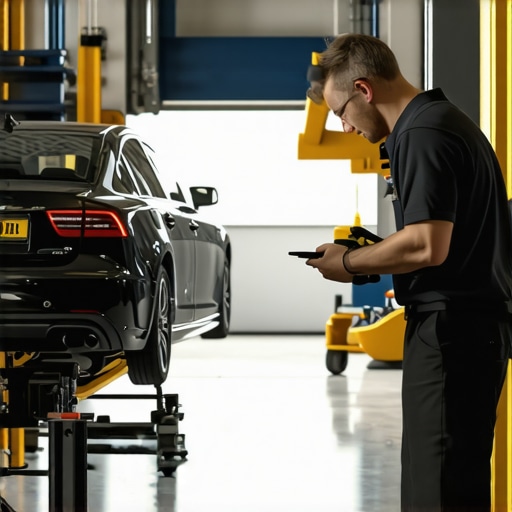
Ever had that heart-stopping moment where your brakes squeal loudly just when you need them most? Or maybe your transmission hesitates, making city driving feel unpredictable? That lightbulb moment hit me hard a couple of years ago when I almost lost control on a slick highway because my car’s maintenance was neglected. It made me realize how crucial proper upkeep of brakes and transmissions is—especially with the unpredictable road conditions and increased traffic in 2024. If you’ve faced similar scares or just want peace of mind, you’re in the right place. Today, I’ll share proven strategies that can dramatically improve your vehicle’s safety and longevity, saving you from costly repairs and dangerous breakdowns.
Why Staying Ahead with Maintenance Matters More Than Ever
In 2024, the roads are busier, and vehicle technology is more advanced, yet many drivers still overlook essential maintenance routines. Skipping regular brake and transmission checks isn’t just a bad habit; it’s a gamble with your safety. According to a recent study, proper maintenance can reduce the risk of accidents caused by brake failure or transmission issues by up to 70%. That’s a staggering number, especially when you consider how simple it is to stay ahead of potential problems. I learned this the hard way when I delayed a transmission service, only to find myself stranded on a busy highway. The repair costs and the stress were a wake-up call. That’s why I now advocate for a proactive approach—one that emphasizes routine inspections and timely services. If you’re wondering how to implement this in your own driving routine, I’ll guide you through the key steps and share some expert tips along the way. For a comprehensive overview, check out this guide on [expert auto repair and transmission maintenance tips in 2024](https://collisionrenew.com/expert-auto-repair-transmission-maintenance-tips-in-2024).
Is Regular Maintenance Really Worth the Effort and Cost?
It’s natural to question whether all these maintenance routines are necessary, especially when your car seems to run fine. I made this mistake early on—thinking I could skip an oil change or delay a brake check because it wasn’t urgent. But neglecting routine service often leads to bigger problems down the line, like warped rotors or transmission slip. These issues aren’t just inconvenient; they could be downright dangerous. The good news is, with the right strategies, you can prevent most of these problems before they start. Regular inspections, fluid changes, and timely repairs are your best bets. Want to avoid costly breakdowns and keep your vehicle running smoothly? Dive into detailed tips on [top brake and transmission tips for safer driving in 2024](https://collisionrenew.com/top-brake-transmission-tips-for-safer-driving-in-2024-collisionrenew-2). Let’s make sure your car is ready for whatever the road throws at you.
Start with a Thorough Inspection of Your Vehicle
Think of your car’s braking system and transmission like the foundation of a house. If the foundation is weak, everything else is at risk. I remember a time when I took my car for a routine check and discovered uneven brake pad wear. This simple inspection saved me from a potential brake failure on a busy highway. Begin by visually checking brake pads, rotors, and fluid levels. For the transmission, look for fluid leaks and check the transmission fluid’s color and smell. If it’s dark or smells burnt, it’s time for a flush. Regular inspections catch issues early, much like a doctor catching a cold before it turns into the flu. For expert guidance, visit this resource to learn more about routine checks.
Prioritize Fluid Changes and Replacements
Fluid is to your brakes and transmission what oil is to your engine—crucial for smooth operation. I once delayed a brake fluid change, thinking it was unnecessary, only to experience a spongy brake pedal during a sudden stop. Replacing brake fluid every 2 years or 24,000 miles prevents moisture buildup that can lead to brake failure. Similarly, changing transmission fluid every 30,000 to 60,000 miles keeps your transmission shifting smoothly. Think of it like changing the oil in your car—neglecting it can cause long-term damage. Use high-quality fluids recommended by your vehicle manufacturer. For detailed procedures, see this guide.
Implement a Routine Maintenance Schedule
Consistency is your best friend here. Set reminders for scheduled services—think of it as setting a calendar appointment with your car’s health. I use a simple calendar alert every six months for brake pad checks and transmission service. This habit prevents small problems from snowballing into costly repairs. Keep a maintenance log and track parts replaced, fluid changes, and inspections. Over time, this record can help identify patterns or recurring issues. For a comprehensive schedule tailored to your vehicle, check this resource.
Learn to Recognize Warning Signs
Early detection saves lives. Listen for squeals or grinding sounds when braking; these indicate worn brake pads. Notice if your transmission hesitates or shifts roughly—these are signs of impending trouble. I once ignored a slight delay in my transmission shifting, which escalated into a complete failure during a city drive. Address these signs immediately by consulting a professional. Quick action can prevent accidents and expensive repairs. For detailed symptom checklists, visit this page.
Use Quality Parts and Professional Services
Skimping on parts or DIY repairs can backfire. Always choose OEM parts or high-quality equivalents. When I replaced my brake pads myself, I used subpar parts, leading to uneven wear and noise. Later, I had to redo the job professionally. Professional services ensure correct installation and safety. Regularly scheduled professional inspections are a wise investment in your safety. Find trusted mechanics through this directory.
Stay Informed and Adapt to New Technologies
Vehicle technology keeps evolving. Hybrid and electric cars have different maintenance needs. In 2024, advanced diagnostics can quickly identify issues. I upgraded to a hybrid last year and learned to use the car’s onboard diagnostics to monitor brake wear and fluid levels. Staying informed about your vehicle’s technology ensures you’re proactive, not reactive. Follow trusted automotive blogs and updates from manufacturers to keep your maintenance routine relevant. For expert insights, visit this resource.
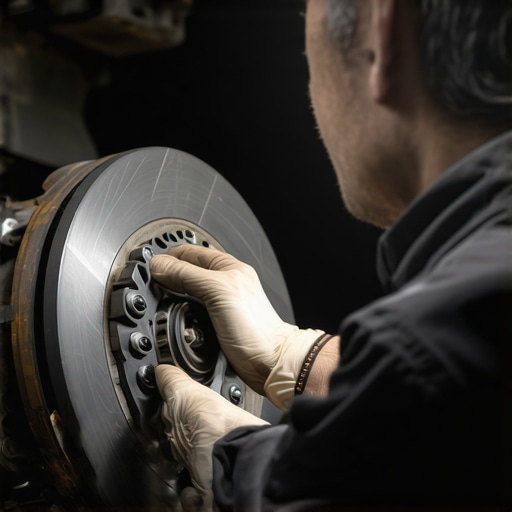
Many drivers operate under misconceptions that can lead to costly mistakes, especially when it comes to maintaining their brakes and transmission systems. Let’s dig deeper into some of these myths and reveal the hidden nuances that could save you money and safety.
Why Thinking You Can Skip Routine Checks Is a Dangerous Trap
One of the most widespread myths is that if your car drives fine, you don’t need to worry about maintenance. However, vehicle systems like brakes and transmissions often show signs of trouble only when they are on the verge of failure. This complacency can turn a minor issue into a major safety risk or expensive repair. Regular inspections, such as those discussed in this expert guide, are essential for catching problems early before they escalate.
Common Misbelief: Transmissions Don’t Need Fluid Changes Often
Many believe that transmission fluid lasts forever or only needs changing when a problem occurs. In reality, neglecting fluid changes can cause transmission slipping, overheating, or even total failure. Expert sources recommend changing transmission fluid every 30,000 to 60,000 miles to maintain optimal performance, as supported by a recent study from automotive engineers. Failing to do so is a costly oversight that many drivers regret. For detailed advice, check this resource.
Why Overlooking Brake System Nuances Can Be a Fatal Mistake
Most drivers know to replace brake pads when they squeal, but few understand the importance of inspecting rotors, calipers, and brake fluid. A common mistake is assuming that a quick pad replacement solves all braking issues. In truth, uneven rotor wear or contaminated brake fluid can compromise stopping power even after new pads are installed. Advanced diagnostics can detect these subtleties, as discussed in this article. Missing these details can lead to dangerous brake failure, especially on wet or icy roads.
How Can Advanced Diagnostics Enhance Your Maintenance Routine?
For the sophisticated driver, understanding onboard diagnostics and sensor data is vital. Modern vehicles come equipped with systems that monitor brake wear and transmission health in real time. Interpreting these signals can prevent breakdowns before they happen. Experts emphasize that proactive diagnostics are more effective than reactive repairs, especially as vehicle technology becomes more complex. For insights into leveraging these tools, visit this resource.
Have you ever fallen into this trap? Let me know in the comments. Remember, proactive maintenance is the key to safe, smooth driving—don’t wait until it’s too late!
Investing in the Right Equipment for Long-Term Maintenance
Keeping your brakes and transmission in top shape requires more than just knowledge; it demands the right tools. Personally, I rely on a high-quality digital multimeter like the Fluke 117 to check electrical components related to sensors and actuators, ensuring everything functions correctly. For fluid checks, a simple brake fluid tester such as the Motive Power Brake Fluid Tester helps me quickly determine if fluid quality meets specifications, preventing costly repairs. When performing more involved tasks, like replacing brake pads or transmission filters, I prefer a professional-grade set of socket wrenches and a torque wrench from brands like GearWrench, which provide precision and durability. These tools have become indispensable in my garage, saving time and ensuring safety. As vehicle technology advances, expect diagnostic tools like OBD-II scanners that connect to your smartphone to become even smarter, providing real-time alerts for issues related to brakes and transmissions. In the future, AI-powered diagnostic systems will likely offer predictive maintenance insights, allowing you to address problems before they manifest. For now, integrating reliable, professional-grade tools into your routine is the best way to keep your car running smoothly.
How do I maintain my repair tools over time?
To ensure your tools stay effective, always clean and store them properly after each use. Regularly calibrate digital multimeters and check the accuracy of your torque wrench to maintain precision. Investing in a quality tool organizer prevents damage and makes your maintenance routine more efficient. Keep spare batteries for digital devices and replace worn-out parts promptly. These small steps extend the lifespan of your equipment and ensure consistent performance. As I’ve learned from automotive experts, well-maintained tools are critical for safety and accuracy, especially when dealing with vital systems like brakes and transmissions. Developing this habit not only saves money but also boosts your confidence in performing repairs or inspections yourself. Remember, the key to long-term success with tools is regular maintenance and proper care, so set a schedule for checking and servicing your equipment—your vehicle will thank you.
My Favorite Software for Diagnosing Brake and Transmission Issues
One of the most powerful additions to my toolkit is an advanced OBD-II scanner like the BlueDriver Pro. This device pairs with my smartphone via Bluetooth and provides detailed error codes and live data for both brakes and transmissions. I use it to monitor sensor outputs, fluid temperatures, and system readiness, which helps me identify potential problems early. The software’s user-friendly interface makes complex diagnostics straightforward, even for a DIY enthusiast. As vehicle electronics become more sophisticated, so do diagnostic tools. Trend predictions suggest that future systems will utilize AI to predict failures based on historical data, much like predictive health apps for humans. This will enable proactive maintenance, reducing downtime and repair costs. For now, I recommend investing in a reliable scanner and familiarizing yourself with its software—an invaluable asset for maintaining your vehicle’s safety-critical systems.
Where should you start with diagnostic software?
If you’re new to diagnostic tools, begin by choosing a device compatible with your vehicle’s make and model. Then, spend time learning how to interpret error codes and live data streams. Many software providers offer tutorials and community forums where you can exchange tips. Incorporating diagnostic software into your routine helps you stay ahead of issues like brake sensor failures or transmission slipping, especially as cars incorporate more electronic systems. Regularly checking your vehicle’s health with these tools can save you hundreds in repairs and ensure peace of mind on every drive. Take the step today—integrate a quality diagnostic scanner into your maintenance arsenal and experience firsthand how technology can elevate your vehicle care.
The Hardest Lesson I Learned About Vehicle Maintenance
One of the most eye-opening experiences I had was realizing how overlooked maintenance can jeopardize safety. I once ignored a subtle squeal during braking, thinking it was nothing serious. That small warning sign could have prevented a major accident. This taught me that paying close attention to even minor irregularities is essential for safe driving.
How Regular Checks Save You Big Bucks and Stress
Scheduling routine inspections might seem tedious, but it’s a small effort for huge peace of mind. I started using reminders and kept a detailed maintenance log. This habit caught early signs of wear and tear, saving me hundreds in costly repairs and avoiding dangerous breakdowns. Trust me, a little effort now pays off later.
Why I Trust These Tools and Resources
My go-to toolkit includes a high-quality OBD-II scanner like the BlueDriver Pro, which provides instant diagnostics for brakes and transmission issues. For fluids, I rely on a Motive Power Brake Fluid Tester to ensure everything is in top shape. These tools give me confidence that I’m proactive rather than reactive, and I highly recommend them for any vehicle owner committed to safety. For comprehensive guidance, check out expert tips on vehicle maintenance.
Take Action Now for a Safer 2024
Don’t wait for warning signs to become emergencies. Your vehicle’s brakes and transmission are vital for your safety and should be maintained with care and attention. Embrace routine checks, use the right tools, and stay informed about new technologies. Your future self will thank you for making these smart choices today.
I really resonated with the emphasis on routine maintenance in this post. A few years back, I ignored a minor squeal from my brakes, thinking it was nothing urgent—and ended up with warped rotors that cost me nearly $1,200 to repair. The importance of regular inspections and fluid changes cannot be overstated, especially with the increasing complexity of modern cars. I’ve since adopted a strict maintenance schedule, including using professional-grade tools and checking the onboard diagnostics regularly. What’s been interesting for me is how vehicles now provide real-time data that can PREVENT costly repairs—it’s like having a health monitor for your car. For those new to this, I’d suggest starting with a good OBD-II scanner like the BlueDriver; it’s a game-changer for early issue detection. Has anyone else here found that investing in proper diagnostic tools has saved them money and stress? Would love to hear your experiences with pro-active vehicle care.
This post really hits home for me, especially the part about routine inspections and fluid changes. A few months ago, I ignored a faint squeal from my brakes, thinking it was nothing. Turns out, the pads were almost worn through, and I saved myself from a potential safety issue only because I caught it early. The importance of device tools like the OBD-II scanner can’t be overstated—they really empower us to stay ahead of problems. I’ve invested in some quality diagnostic equipment, and it’s been a game-changer, especially for someone like me who likes to do basic maintenance myself. Has anyone here experienced a situation where early diagnostics prevented a costly repair or major safety concern? I’d love to hear some success stories or tips on how best to interpret that diagnostic data for ongoing vehicle health monitoring.