
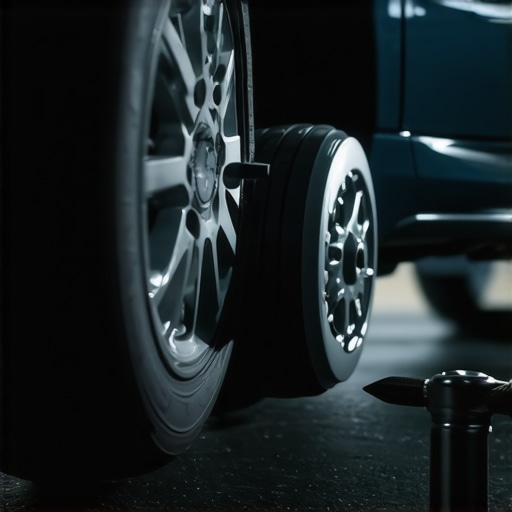
One morning, as I was rushing to work, my brakes squealed louder than usual, and I felt a strange hesitation when shifting gears. That moment, I realized how easily neglecting basic maintenance could turn a simple drive into a dangerous situation. It hit me hard—if I didn’t stay proactive about my car’s brake and transmission health, I was risking more than just a repair bill; I was risking my safety and that of my loved ones.
Why Proper Maintenance Is More Critical Than Ever
In today’s fast-paced world, many drivers overlook routine checks until something goes wrong. But the truth is, neglecting your vehicle’s brake and transmission systems can lead to costly repairs, breakdowns, or worse—accidents. With safer roads being a top priority for 2024, understanding and implementing a comprehensive maintenance plan isn’t just smart; it’s essential. Reliable brakes and smooth transmission operation are the backbone of safe driving, especially as traffic congestion and unpredictable road conditions increase.
Over the years, I’ve learned that a little effort goes a long way. Early on, I made a mistake by ignoring those subtle signs of wear—like a soft brake pedal or delayed gear shifts—that could have been caught with regular inspections. That oversight nearly led to a costly emergency repair. Experts agree that preventive maintenance can save you hundreds, if not thousands, in the long run. For example, routine brake fluid changes and transmission checks can significantly extend your vehicle’s lifespan and ensure optimal performance. Curious about the best strategies? Check out top strategies for safe driving in 2024.
Is the Hype About Maintenance Really Worth It?
You might be skeptical—”Is all this maintenance really necessary?” I get it. I used to think I could stretch the intervals, save a few bucks, and still be safe. But I learned the hard way that skipping routine checks can lead to unexpected failures. Modern vehicles are sophisticated, and a small oversight can turn into a big problem. Regularly inspecting your brakes for uneven wear or listening for unusual noises can prevent accidents. Similarly, ensuring your transmission fluid is clean and at the right level guarantees smooth gear shifts and avoids costly repairs. Want to avoid my mistake? Visit effective brake and transmission services for expert tips.
So, if you’ve ever ignored that tiny squeal or felt a slight delay in shifting, ask yourself—are you willing to risk a breakdown? Or would you rather invest a little now to keep your ride safe and reliable? The upcoming sections will walk you through proven maintenance routines, expert advice, and simple checks that make a real difference. Because at the end of the day, safe roads start with a well-maintained car—and you.
.
Replace Brake Fluid Regularly for Reliable Stops
When I first started checking my brake fluid every six months, I immediately noticed a difference in stopping power. Think of brake fluid like the oil in your engine — it needs to be clean to work effectively. To do this, locate your vehicle’s brake fluid reservoir under the hood, remove the cap, and check the fluid level. If it’s below the recommended level or looks dark and dirty, it’s time for a flush. Drain the old fluid and refill with fresh, recommended brake fluid. For detailed instructions, visit best maintenance tricks.
Inspect Brake Pads and Rotors for Uneven Wear
Next, I visually inspected my brake pads and rotors after noticing a slight vibration during braking. Remove the wheel to access these components. Check the thickness of the brake pads — they should be at least 1/4 inch thick. If they’re worn down or uneven, replace them promptly. For rotors, look for scoring, cracks, or warping. If you spot any irregularities, consider machining or replacing the rotors. Regular inspection prevents sudden failure and ensures safety on busy roads. For expert guidance, see top strategies for safer driving.
Check Transmission Fluid Levels and Condition
In my experience, transmission issues often start subtly — delayed shifts or slipping gears. To prevent this, locate your transmission fluid dipstick, pull it out, and wipe it clean. Dip it back in and check the level; it should be between the ‘Full’ and ‘Low’ marks. If the fluid is dark or has a burnt smell, it’s time for a change. Drain the old fluid, replace the filter if needed, and refill with manufacturer-approved transmission fluid. Regular checks like this can save you from costly repairs later. For more detailed steps, visit top maintenance strategies.
Test Drive After Maintenance to Confirm Safety
After completing these checks and repairs, I always take my car for a test drive. Pay attention to how the brakes feel — they should be firm and responsive. Shift through all gears smoothly without hesitation. If anything feels off, revisit your inspection points or consult a professional. This final step ensures your vehicle is in optimal condition for the road ahead. Remember, a well-maintained car isn’t just about avoiding breakdowns; it’s about protecting yourself and others. For additional tips, see ultimate maintenance success tips.
While routine maintenance is crucial for vehicle safety, many drivers fall prey to misconceptions that can compromise their car’s performance and safety. Let’s dig deeper into some of the most common myths and reveal the hidden nuances that experts know. Understanding these details can help you avoid costly mistakes and ensure your vehicle remains reliable on the road.
Is It Really Necessary to Change Brake Fluid Every Year
Contrary to popular belief, changing your brake fluid annually isn’t always required—especially if you drive conservatively and live in a low-humidity environment. Modern brake fluids are formulated to last longer, often up to two or three years. However, neglecting fluid changes when they are due can lead to moisture buildup, which causes corrosion and reduces braking effectiveness. The key is to follow your vehicle manufacturer’s recommendations and consider your driving habits. Routine inspections can help identify if your brake fluid has absorbed too much moisture. For reliable advice, check out effective brake and transmission services.
Skipping Transmission Fluid Changes Won’t Hurt
This is a dangerous misconception. Many assume transmission fluid is a long-lasting component, but it degrades over time, especially under heavy use or in extreme temperatures. Old or contaminated fluid can cause delayed shifts, slipping gears, or even complete transmission failure. Regular checks and fluid changes—typically every 30,000 to 60,000 miles—are essential for maintaining smooth operation. Don’t wait until you notice symptoms; proactive maintenance can save you from costly repairs. For detailed strategies, visit top maintenance strategies.
Advanced Question: How Do I Know When My Brake Pads Are Worn Out Without Visual Inspection?
Great question—experienced drivers often rely on subtle cues rather than visual checks. Unusual squealing noises, a vibrating brake pedal, or increased stopping distances are telltale signs of worn brake pads. Some modern vehicles are equipped with sensors that alert you when pads are nearing replacement. For those who prefer a more proactive approach, regular professional inspections can identify uneven wear or thinning pads before they compromise safety. Remember, relying solely on visual inspection isn’t enough; listening for noise and feeling for vibrations are equally important. For a comprehensive guide on brake maintenance, explore expert brake services.
Have you ever fallen into this trap of believing maintenance isn’t urgent? Let me know in the comments. Staying informed and proactive is the best way to keep your vehicle safe and reliable. Because in the end, understanding the nuances of maintenance makes all the difference on the road.
Keeping your vehicle in top shape requires more than just good intentions; it demands the right tools and methods to ensure longevity and safety. Over the years, I’ve refined my approach by investing in specific equipment that streamlines maintenance tasks and guarantees accurate results. In this article, I’ll share the tools I recommend for maintaining your brakes and transmission systems effectively, along with insights into how they can make a real difference in your long-term car care.
Invest in a Quality OBD-II Scanner
One of the most valuable devices I use regularly is a reliable OBD-II scanner. This handheld gadget connects to your car’s diagnostic port and provides instant insights into engine codes, transmission issues, and other critical systems. I personally prefer models like the BlueDriver because of its comprehensive data, user-friendly interface, and compatibility with my smartphone. It allows me to identify potential problems early, saving time and money. As vehicle technology advances, I predict that these scanners will become even more sophisticated, integrating AI to suggest precise fixes in real time. To get started, check out trusted options like BlueDriver or FIXD.
Tool Up with a Digital Multimeter
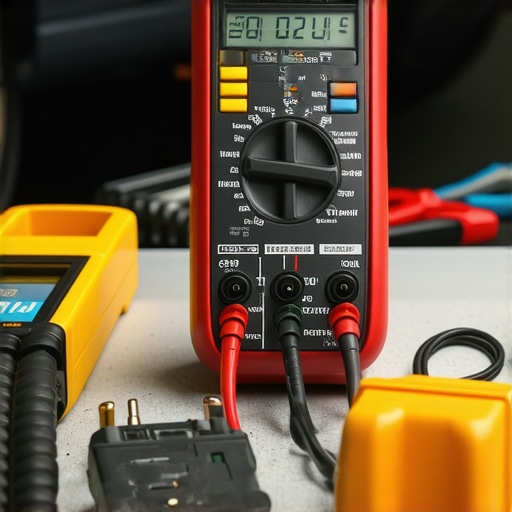
A high-quality digital multimeter is essential for diagnosing electrical components related to brakes and transmission sensors. I use mine to check voltage levels and test continuity in wiring harnesses. This ensures that sensors like ABS or transmission position sensors are functioning correctly. I’ve found that a multimeter with auto-range capabilities simplifies testing and reduces errors. Proper electrical diagnostics can prevent misdiagnosis and unnecessary replacements. As cars incorporate more electronics, having this tool becomes indispensable for effective maintenance.
Use a Precision Brake Caliper Tool for Accurate Measurements
When inspecting brake pads and rotors, precision is key. I rely on a digital caliper to measure pad thickness and rotor surface flatness. This tool helps me determine whether components are within manufacturer specs or need replacement. It’s a small investment that pays off by preventing premature wear or unexpected failures. Future trends suggest that digital calipers with Bluetooth connectivity and data logging might become standard, making maintenance records more accurate and accessible.
Automate Monitoring with Maintenance Apps
Beyond physical tools, I incorporate maintenance tracking apps like Car Scanner or AUTOsist. These apps remind me of upcoming service intervals for brake fluid changes or transmission fluid flushes based on mileage or time. They also store diagnostic data from my OBD-II scanner, creating a comprehensive maintenance history. As digital health records for vehicles become more common, leveraging such apps will be vital for long-term care and resale value.
How do I maintain tools over time?
Properly maintaining your tools ensures their longevity and accuracy. I always clean my digital calipers and multimeter after use, store them in padded cases to prevent damage, and calibrate them annually or as recommended. For electronic devices like OBD-II scanners, firmware updates are essential to keep them compatible with new vehicle models. Regular tool maintenance prevents inaccurate diagnostics, saving you from costly mistakes. Remember, investing in high-quality tools is only part of the equation; consistent upkeep maximizes their lifespan and effectiveness.
Adopting these tools and practices not only simplifies routine maintenance but also enhances your ability to catch issues early. As automotive technology evolves, staying equipped with the right gear will be crucial for safe, reliable driving. Don’t hesitate to try out one of these recommended tools, like a digital multimeter or maintenance app, to see immediate benefits in your vehicle’s performance. For more expert advice on car maintenance, visit top strategies for safe driving in 2024.
Ever experienced that sudden squeal during braking or felt a strange hesitation while shifting gears? These subtle signs often go unnoticed until they turn into costly repairs or, worse, safety hazards. Taking proactive steps now can ensure your vehicle remains reliable and safe on the roads of 2024. Regularly inspecting and maintaining your brakes and transmission is not just maintenance—it’s a commitment to your safety and peace of mind.
Lessons That Changed My Approach to Car Care
- Ignoring small signs can lead to big dangers. I once dismissed a faint squeal, only to face a sudden brake failure. Now, I prioritize early detection over cost savings.
- Preventive maintenance saves money and lives. Regular brake fluid changes and transmission checks have kept my car running smoothly and safely for years.
- Investing in the right tools makes a difference. Using a quality OBD-II scanner and digital calipers prevents guesswork and ensures accurate diagnostics.
- Knowledge is power. Understanding common myths about car maintenance helps me avoid unnecessary repairs and ensures I follow expert advice.
- Safety starts with awareness. Listening for unusual noises and feeling vibrations are simple steps that can prevent accidents and breakdowns.
Tools That Elevate My Car Care Routine
- BlueDriver OBD-II Scanner: Trusted for its comprehensive diagnostics and smartphone compatibility, it helps me catch issues early.
- Digital Multimeter: Essential for electrical diagnostics, ensuring sensors and wiring are in top shape.
- Digital Caliper: Accurate measurements of brake pads and rotors prevent premature wear and unexpected failures.
- Maintenance Apps like AUTOsist: Keep track of service intervals and diagnostic data for long-term vehicle health.
Take Action Today and Drive Safely in 2024
Your vehicle’s safety depends on your vigilance and commitment to proper maintenance. Don’t wait for warning signs—regular checks and using the right tools can make all the difference. Remember, a well-maintained car is a safe car. For more expert tips, explore top maintenance strategies for safe driving in 2024. Now, it’s your turn: Have you ever ignored a small sign that turned into a major problem? Share your experience below and let’s learn together!
Reading this post really hit home for me. I used to ignore those subtle signs like a soft brake pedal or slight delay when shifting, thinking I could just keep going until the next check-up. But after experiencing a near-miss because of brake squeal that I dismissed earlier, I now realize how crucial proactive maintenance is, especially with the increasing complexity of modern vehicles. I’ve started using a digital caliper and a decent OBD-II scanner to keep tabs on my brake pads and transmission health—such small tools make a surprisingly big difference. Has anyone else found that investing in diagnostic tools actually helps catch issues early before they become costly repairs? I’d love to hear about your experiences or recommendations for beginner-friendly, reliable equipment.
This post really underscores the importance of staying on top of regular vehicle maintenance, especially as modern cars become more sophisticated. I completely agree that tools like OBD-II scanners and digital calipers are game-changers for DIY enthusiasts. I’ve been using a similar setup for the past couple of years, and it’s helped me catch transmission and brake issues early, saving me a lot of money and headaches. What I’ve noticed is that proactive monitoring often reveals minor problems before they escalate into safety hazards, which provides peace of mind. However, I wonder how many drivers are aware of the specific maintenance intervals recommended by their vehicle manufacturers? Sometimes, I think the biggest challenge is simply staying informed and consistent. Do others find regular professional inspections more effective, or do you prefer relying on these diagnostic tools? It’d be interesting to hear different approaches that keep vehicles safe and in top condition.
This post really emphasizes something I’ve learned the hard way—early detection is key when it comes to brake and transmission issues. I remember ignoring that slight vibrate during braking, thinking it was just a surface problem, only to have my brake rotor crack unexpectedly. Using tools like a digital caliper and an OBD-II scanner has truly changed how I approach vehicle maintenance, making it easier to catch problems before they get serious. I especially appreciate how proactive measures like fluid checks and listening for odd noises can prevent dangerous situations. Has anyone experimented with scheduled professional inspections every few months, or do you mainly rely on DIY diagnostics? I’d be curious about others’ routines—sometimes a second opinion from a mechanic can catch things we might miss. Overall, staying vigilant and equipped with the right tools really boosts safety during daily commutes. Do you think vehicle manufacturers will recommend more advanced maintenance tech in the future?