
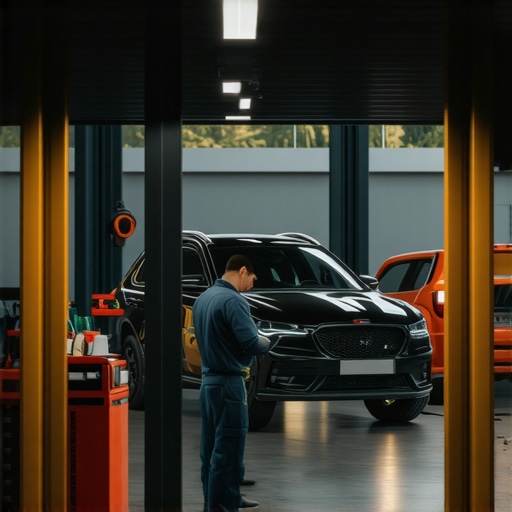
Ever had that sinking feeling after a minor bump, wondering if your car’s going to hold up or if you’re heading for a costly repair? I’ve been there. One time, I ignored a small squeak in my brakes, thinking it was just dust. Turns out, I was one oil change away from a much bigger problem that could have compromised my safety. That lightbulb moment made me realize how crucial proper auto maintenance is — especially with the new challenges 2024 brings to car safety.
Why Staying Ahead with Auto Repair Matters More Than Ever
In 2024, the roads are busier, and cars are more complex than ever. With advances in technology, neglecting routine maintenance can lead to serious safety risks — from brake failures to transmission issues. The good news? Staying proactive with expert tips can save you money and keep you safe. I’ve learned that regular check-ups, especially on critical components like brakes and transmissions, aren’t just good practice — they’re essential. For some of the best strategies, I recommend visiting this resource for transmission tips that can boost your vehicle’s safety.
Is Auto Maintenance Still Worth the Effort in 2024?
Absolutely. Early in my car-owning days, I made the mistake of skipping oil changes and ignoring warning signs. That was a costly lesson. Now, I know that preventative measures, like timely brake service and transmission checks, are your best defense. They help prevent accidents and extend your car’s life. Did you know that poor brake maintenance can increase stopping distance by up to 30%? That’s a statistic I never want to ignore again. Regular maintenance not only keeps your car reliable but also ensures it meets the latest safety standards, which are more stringent than ever. To get started, check out this comprehensive guide for essential auto repair tips in 2024.
Inspect Critical Components Regularly
Start by checking the brakes, transmission, and suspension, since these are vital for safety. I remember one winter when I noticed my brake pedal felt spongy. Instead of ignoring it, I scheduled an inspection with a trusted technician. The result? A quick brake fluid flush and new pads, preventing a potential failure during an emergency stop. Use the transmission tips to guide your checks.
Follow a Maintenance Schedule
Create a personalized schedule based on your vehicle’s make and model. Think of it like a health routine: regular check-ups catch issues early. I once skipped my oil change, thinking it wasn’t urgent. A few thousand miles later, I faced rough idling and reduced fuel efficiency. After a quick oil change, my engine ran smoother, and I avoided a costly repair. Consult your owner’s manual or this guide for tailored schedules.
Prioritize Your Brake System
Brakes are your first line of defense. Regularly inspect brake pads and rotors for wear. I learned this the hard way when my brake pads were nearly gone, causing squealing and reduced stopping power. Replacing them early saved me from a dangerous situation. Use this maintenance strategy to stay ahead of brake issues.
Maintain Transmission Health
Transmission fluid degrades over time, especially with stop-and-go traffic common in 2024. I kept ignoring fluid changes until my transmission started slipping. A quick service with high-quality transmission fluid fixed the issue. For detailed procedures, check these tips. Regular transmission checks prevent costly rebuilds and ensure smooth gear shifts.
Check Tire Condition and Pressure
Proper tire maintenance is non-negotiable. I once drove on underinflated tires and experienced poor handling. After correcting the pressure, I noticed better fuel economy and stability. Inspect tires for uneven wear and replace when necessary. Use a good quality pressure gauge and follow the recommended PSI listed in your manual. This simple step greatly improves safety and efficiency.
Stay Informed About Your Vehicle’s Systems
Modern cars have complex electronic systems. Keep an eye on dashboard warning lights and address issues immediately. I once ignored a warning about low coolant, which led to overheating. A quick refill and system check saved my engine. Use this resource to understand common warning signs and how to respond.
Schedule Professional Inspections
While DIY checks are helpful, professional inspections catch hidden issues. At least once a year, have a mechanic perform a comprehensive system review. I learned that regular professional tune-ups extended my car’s lifespan and enhanced safety. Find trusted auto repair shops and ensure they follow the latest safety standards, especially with 2024’s evolving vehicle technology.
Many car owners operate under assumptions about auto maintenance that can lead to costly mistakes, especially as vehicle technology advances rapidly in 2024. Let’s dig deeper into some of the most prevalent myths and reveal the hidden nuances that can make or break your car’s safety and reliability.
Is Regular Maintenance Really Necessary for Modern Cars?
A widespread belief is that modern vehicles require less frequent maintenance due to advanced engineering. While it’s true that newer cars have longer intervals for certain services, this does not mean you should skip routine checks altogether. In fact, neglecting regular inspections, especially of critical systems like the brakes and transmission, can cause issues that are far more expensive to repair later. Many drivers overlook the importance of early detection. For instance, ignoring subtle signs like brake squeal or transmission slipping often results in breakdowns that could have been prevented with a proactive approach. For detailed guidance, explore this expert resource.
Common Myths About Brake Maintenance
A typical misconception is that brake pads last forever or only need replacement after squealing. However, brake components wear gradually and often silently. Relying solely on noise as an indicator can be dangerous. Modern brake systems also include sensors that send warning signals, but many drivers ignore dashboard lights, thinking they are trivial. The reality is, regular inspection and timely replacement of brake pads and rotors are essential for safety. Skipping these checks increases stopping distances significantly, sometimes by up to 30%, which can be the difference between avoiding an accident and a tragedy. To stay ahead, review these maintenance strategies.
Understanding the Nuances of Transmission Care
Many assume that transmission fluid changes are only necessary if there’s a problem. This is a dangerous misconception. Transmission fluid degrades over time, especially with stop-and-go traffic common in 2024, leading to slipping or gear-shifting issues. A recent study highlights that proper transmission maintenance reduces the risk of costly rebuilds. The key is regular checks and timely fluid replacement, ideally with high-quality fluids. Neglecting this can cause your transmission to fail prematurely, costing thousands in repairs. For expert tips, visit this guide.
Are Visual Inspections Enough for Safety?
No, surface-level inspections can be deceiving. Many car owners think that a quick look at tire tread or brake pads is enough. However, some issues are internal or hidden, such as worn brake calipers or transmission leaks. Advanced diagnostics and professional inspections are vital, especially as vehicles become more electronically complex. Ignoring dashboard warning lights or neglecting scheduled check-ups can lead to dangerous failures. Regular, comprehensive inspections by trusted professionals ensure your vehicle remains safe and reliable. Learn more about effective inspection routines here.
Have you ever fallen into this trap? Let me know in the comments. Staying informed and proactive about your auto maintenance can save lives and money in the long run. Remember, the small details often matter most when it comes to safety on the road.
Keep It Running with the Right Tools
Maintaining your vehicle over the long term requires more than just knowledge; it demands the right equipment. I personally rely on a high-quality digital multimeter because it allows me to troubleshoot electrical issues quickly and accurately. For example, when my dashboard warning light blinked unexpectedly, a quick voltage test revealed a failing sensor, saving me from costly repairs. A reliable multimeter is an investment that pays off by helping you diagnose problems early and prevent breakdowns.
Additionally, a good set of socket wrenches and screwdrivers is essential. I prefer metric sets that include various sizes, ensuring I can handle everything from brake calipers to transmission panels. These tools are durable and designed for precision, making repairs safer and more efficient. Remember, quality tools last longer and provide more accurate results, reducing the risk of damaging parts during maintenance.
Embrace Digital Diagnostics
Modern cars are equipped with complex electronic systems that require specialized software for proper diagnostics. I recommend investing in an OBD-II scanner that supports live data and freeze-frame readings. This device connects to your vehicle’s port and provides real-time insights into engine performance, transmission health, and other critical systems. I use mine regularly, especially before long trips, to catch issues early. Advanced models like the BlueDriver or FIXD app offer detailed reports and troubleshooting tips, making them invaluable for DIY enthusiasts.
Predicting future trends, I believe vehicle diagnostics will become even more integrated with smartphone technology, allowing for remote monitoring and predictive maintenance. Staying ahead means embracing these tools now, which can extend your car’s lifespan and enhance safety.
How do I maintain my tools over time?
Proper maintenance of your diagnostic equipment and hand tools is crucial. Keep your multimeter’s probes clean and store your socket sets in a dry place to prevent rust. Regularly update any software associated with your OBD-II scanner to ensure compatibility with new vehicle models and firmware updates. These small steps ensure your tools remain reliable when you need them most, helping you save money and avoid unnecessary trips to the mechanic.
For detailed guidance on transmission and brake maintenance, check out this resource. Harnessing the right tools and techniques will keep your car in top shape well into 2024 and beyond. Don’t hesitate to try out a digital scanner on your next check-up — it’s a game-changer for proactive vehicle care.
Lessons the Road Taught Me That You Shouldn’t Overlook
- One of the biggest lessons I learned was the importance of listening to your car’s subtle signals. Small squeaks or warning lights aren’t just nuisances—they’re messengers warning you of bigger problems.
- Ignoring routine checks like brake inspections or transmission fluid changes might save time now, but it often leads to costly repairs or dangerous failures later. Prevention truly beats cure.
- Technology isn’t just making cars smarter—it’s also changing how we maintain them. Real-time diagnostics and professional inspections can catch issues that DIY checks might miss, keeping you safer on the road.
- My biggest lightbulb moment: staying proactive is the best way to extend your vehicle’s lifespan and ensure safety in an increasingly complex automotive landscape. Don’t wait for warning lights—regularly scheduled maintenance is your best defense.
Tools and Resources That Keep Me Ahead of the Curve
- High-quality OBD-II scanner: Supports live data and helps me diagnose issues early. I trust models like BlueDriver because they’re reliable and user-friendly.
- Digital multimeter: Essential for troubleshooting electrical problems quickly and accurately, saving me from unnecessary repairs.
- Trusted mechanic contacts: Building relationships with reputable auto repair shops ensures I get professional help when needed and stay updated on latest safety standards.
- Comprehensive auto repair guides: I often refer to this resource for tips tailored to 2024 vehicle technology, ensuring my maintenance routines are effective and current.
Your Next Step Toward Safer Driving Starts Now
Taking charge of your auto maintenance in 2024 isn’t just about saving money; it’s about safeguarding your journey and your loved ones. Use the tools, resources, and insights shared here to stay one step ahead. Remember, consistent care and a proactive attitude can turn your vehicle into a reliable partner for years to come. Don’t wait for trouble—start today and drive with confidence.
I completely agree with the importance of regular maintenance, especially with the complexities of 2024 vehicles. I’ve learned the hard way that ignoring small warning signs can lead to expensive repairs down the line. Like the article mentions, my recent experience with a squeaky brake turned out to be a worn pad that was almost gone. Catching it early saved me a lot of hassle and money. The part about using proper diagnostic tools really resonated with me—I’ve started using an OBD-II scanner before long trips, and it gives me peace of mind knowing I’ve checked my car’s vital signs. One thing I struggle with is sticking to a maintenance schedule, especially for older cars. Do others have tips for staying consistent with routine checks, or recommendations for affordable diagnostics that still offer detailed insights? Would love to hear how fellow car owners stay proactive in their auto care routines.
Reading through this post really hit home for me. Last year, I ignored a small vibration in my steering wheel, thinking it was just a wheel alignment issue. Turns out, the brake rotors were warped, and delaying the fix nearly led to more severe damage and safety concerns. Now I make it a point to perform regular checks on critical components like brakes, tires, and transmission fluids, especially with driving conditions changing in 2024. One challenge I face is maintaining a consistent schedule with busy work and family commitments. I’ve found that setting reminders on my phone and keeping a maintenance log helps me stay on track. Do others have effective ways for juggling routine auto care with a hectic schedule? Also, I’ve noticed that investing in a decent OBD-II scanner has made diagnostics much easier and more accurate, saving me trips to the mechanic. What affordable scanners do you all recommend for DIY diagnostics that support detailed data readings? Would love to hear your tips for staying ahead in vehicle maintenance while balancing daily life.
This post highlights some critical points about auto maintenance that often get overlooked, especially with the technological advancements in vehicles today. I remember a time when I ignored a minor vibration, thinking it was just a wheel alignment issue, but it turned out to be warped brake rotors, which could have caused serious safety hazards if left unchecked. Regular inspections of brakes, transmission, and tires have truly saved me from costly repairs and potential accidents. I’ve also started using a basic OBD-II scanner before long trips, and it’s been a real game-changer in catching issues early. The challenge I face is staying consistent with maintenance due to a busy schedule, but I’ve found setting reminders and keeping a detailed log helps a lot. For those juggling similar commitments, what strategies have you found effective for sticking to routine checks? Also, does anyone have recommendations for affordable, reliable scanners that work well for DIY diagnostics? Would love to hear your insights on simplifying vehicle maintenance without sacrificing safety.