
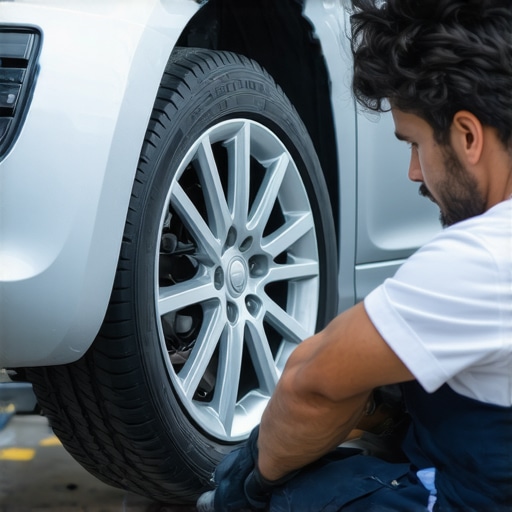
Have you ever experienced that terrifying moment when your brakes squeal just as you need them most, or your transmission hesitates on a busy highway? I sure have. It’s that sinking feeling — like your car might betray you at the worst possible time. One day, I realized that neglecting regular maintenance wasn’t just risking a breakdown; it was risking my safety and that of my loved ones. That lightbulb moment led me to dig deep into the world of best brake and transmission services for safer cars in 2024. And let me tell you, the difference it makes is astonishing.
Why Prioritize Brake and Transmission Care Right Now?
In 2024, vehicle safety isn’t just about airbags and seat belts. It’s about maintaining the critical systems that stop and move your car reliably. According to the Insurance Institute for Highway Safety, roughly 22% of all car crashes involve brake failure or transmission issues. That’s a staggering number, and it underscores why staying ahead of these problems is essential. Regular brake and transmission services are your best defense against sudden failures.
If you’ve ever ignored that noise under the hood or chalked up slipping gears to “just part of aging,” it’s time for a change. I made the mistake early on of waiting too long — which only led to more costly repairs down the road. Trust me, proactive maintenance isn’t just about saving money; it’s about peace of mind and safety on every drive.
So, what exactly should you be doing? How do you know if your brakes or transmission need urgent attention? That’s what we’ll uncover next. Stay tuned because mastering these maintenance tips can transform your driving experience and keep you safer in 2024.
Is the Hype About Brake and Transmission Services Just Marketing?
Honestly, I used to think all that talk about regular service was just a way for shops to sell more. I fell for a couple of quick fixes that didn’t last and ended up paying more later. The key is knowing the right steps and trusting reliable sources, like top maintenance tips. Early mistakes, like ignoring uneven brake pedal feel or strange noises, can lead to dangerous situations. Don’t make my mistake—be proactive instead. Ready to learn what really works? Let’s dive into the best practices for your brakes and transmission that will keep your car—and you—safe this year and beyond.
Get Your Hands Dirty with Routine Inspections
Start by checking your brake pads and rotors regularly. I remember one time, I noticed a slight squeal during my daily drive. Instead of ignoring it, I scheduled an inspection. The mechanic found uneven brake pad wear, which could have led to brake failure. Regular visual checks and listening for unusual noises help prevent costly repairs and ensure safety. For comprehensive guidance, visit expert brake and transmission tips.
Learn How to Test Transmission Fluid Levels
Low or dirty transmission fluid is a silent killer. To check yours, follow your vehicle’s manual instructions. Usually, this involves parking on a level surface, warming up the engine, and pulling out the dipstick. The fluid should be pinkish and free of debris. I once neglected this step, which caused my transmission to hesitate. A quick top-up and fluid change restored smooth shifting. Don’t forget: effective transmission maintenance tips can extend your vehicle’s life.
Know When to Seek Professional Help
While DIY checks are valuable, some issues require expert intervention. If you notice a soft brake pedal, strange noises, or slipping gears, don’t delay. I once ignored a grinding noise, thinking it was minor. The problem worsened, leading to a costly repair. Regularly schedule professional inspections and follow their advice. For trusted service providers, explore top auto repair tips.
Prioritize Your Safety with Scheduled Maintenance
Set reminders for your vehicle’s maintenance schedule. Think of it like a health check-up: preventative care saves you stress and money later. Keep a maintenance log, and don’t skip those routine fluid changes and brake inspections. I learned this the hard way when I missed my routine brake check; the resulting repairs could have been avoided. Find out more about optimal car care at ultimate auto repair guide.
Use Quality Parts and Professional Services
When it’s time for repairs, insist on high-quality parts. I recall replacing my brake pads with cheap alternatives, which wore out quickly. It’s a false economy. Invest in reputable brands and certified technicians. Reliable service providers like expert brake and transmission services ensure your safety and vehicle longevity.
Many car owners fall into misconceptions about what it truly takes to maintain brakes and transmissions effectively. While routine checks are essential, there are nuanced mistakes that even seasoned drivers often overlook, leading to costly repairs and compromised safety. Let’s dig deeper into these hidden traps and clarify what most people get wrong about best brake and transmission services for safer cars in 2024.
Why Do So Many Misunderstand Brake and Transmission Wear?
A prevalent myth is that brake pads and transmission fluid can last indefinitely with minimal attention. In reality, wear and tear are ongoing processes, influenced by driving habits, environmental conditions, and quality of parts. Relying on visual cues alone, like a worn pad or slight hesitation, can be deceptive. For instance, some drivers assume a squeal means immediate replacement, but it might just be a minor issue that can be addressed during routine service. Conversely, ignoring subtle signs like uneven brake pedal feel or delayed shifting can escalate into serious failures. According to automotive experts, proactive diagnostics and early intervention are key to avoiding dangerous breakdowns, which is why regular inspections from trusted professionals are indispensable.
Common Mistakes That Lead to Overlooked Problems
One frequent error is neglecting to confirm transmission fluid quality and levels. Many drivers wait until symptoms appear—like slipping gears or grinding noises—before checking. But by then, damage has often occurred. An effective strategy is to perform regular fluid checks and replacements, especially in older vehicles or those subjected to heavy use. Another mistake is trusting cheap parts or service providers that cut corners, which can accelerate deterioration. Prioritizing quality replacements and certified technicians guarantees better longevity and safety.
How Can Advanced Knowledge Improve Your Maintenance Routine?
For the more experienced car owner, understanding the nuanced differences in brake and transmission systems can make a significant impact. For example, recognizing that the type of transmission fluid varies between manufacturers helps in selecting the right product, preventing premature wear. Additionally, knowing the signs of early corrosion or contamination can save you from unexpected breakdowns. While common advice is helpful, refining your approach with insights from industry experts—like those found in top maintenance tips for 2024—ensures you’re ahead of the curve.
Have you ever fallen into this trap? Let me know in the comments.
Maintaining your vehicle’s brake and transmission systems over time requires more than just routine inspections; it demands the right tools and a strategic approach to ensure longevity and safety. In my experience, using specialized equipment can make all the difference in diagnosing and addressing issues before they become costly repairs. One tool I highly recommend is a high-quality digital transmission fluid tester. This device provides real-time insights into fluid condition, helping me determine whether a fluid change is necessary without guesswork. Accurate diagnostics with such tools allow for targeted maintenance, extending the life of critical components.
Another indispensable piece of equipment is a brake caliper compression tool. When replacing brake pads, this tool ensures even pressure application, preventing uneven wear and ensuring optimal braking performance. I personally prefer a versatile, adjustable caliper tool that fits various models, saving time and effort during repairs. Pairing this with a reliable expert advice on brake and transmission care helps me stay proactive and precise in my maintenance routines.
In addition to hardware, software plays a crucial role. I utilize a OBD-II scanner that connects easily to my vehicle’s diagnostic port. Modern scanners can read and clear error codes, monitor real-time sensor data, and even perform system tests. My favorite model offers detailed reports, which I review regularly to catch subtle signs of wear or malfunction early. This technology is rapidly evolving, and I predict that future devices will incorporate AI-driven diagnostics, providing even smarter maintenance suggestions based on driving habits and vehicle history.
To keep everything running smoothly, I also rely on a maintenance log app on my smartphone. Tracking fluid changes, brake pad replacements, and inspection dates helps me stay organized and ensures I don’t miss critical service intervals. This habit is especially vital as vehicles age, where timely interventions can prevent major failures.
So, how do I maintain these systems over the long haul? Consistent use of diagnostic tools, regular inspections, and timely fluid changes are key. I recommend scheduling professional checkups at least once a year or after every 10,000 miles, whichever comes first. This approach not only keeps your vehicle safer but also preserves its resale value and reduces unexpected breakdowns.
Don’t forget to always choose high-quality parts and trusted technicians when repairs are needed. Investing in reputable brands and skilled professionals ensures that your maintenance efforts yield lasting results. As automotive technology continues to advance, staying informed about the latest tools and techniques will empower you to keep your car in top shape for years to come. I encourage you to try out a diagnostic scanner or a transmission fluid tester—these small investments can save you hundreds in future repairs and give you peace of mind on every drive.
Remember, proactive maintenance isn’t just about fixing problems as they arise; it’s about *preventing* them from happening in the first place. Keep your systems healthy, and your vehicle will serve you reliably for miles ahead.
Throughout my years of driving, I’ve learned that neglecting critical vehicle systems like brakes and transmissions can lead to unexpected failures and dangerous situations. The key lesson I’ve uncovered is that proactive, informed maintenance not only saves money but is essential for safety, especially as cars become more sophisticated in 2024. Regular inspections, quality parts, and professional help are your best allies in avoiding costly breakdowns and ensuring peace of mind on every trip.
The Hardest Lesson I Learned About Brake and Transmission Care
- Early signs matter: Ignoring squeals, soft pedals, or hesitant shifting often results in emergency repairs. Addressing issues early with expert advice can prevent accidents and extend your vehicle’s life.
- Quality over cheap fixes: I once replaced my brake pads with cheap alternatives, only to face quick wear and higher costs later. Trusting reputable brands and certified technicians pays off long-term.
- Tools can transform maintenance: Using diagnostic tools like an OBD-II scanner or a transmission fluid tester has empowered me to catch problems early, saving time and money. I highly recommend investing in these gadgets for any car owner serious about safety.
- Regular professional checkups: Even with DIY checks, professional inspections are irreplaceable. They identify hidden issues that could escalate into major failures, especially in older or high-mileage vehicles.
- Stay organized and proactive: Keeping a maintenance log and scheduling routine service reminds me to stay ahead of wear and tear, avoiding last-minute emergencies and ensuring consistent safety standards.
My Essential Toolkit for Car Safety in 2024
- Expert brake and transmission tips – Trusted advice that guides my maintenance routines and helps me avoid common pitfalls.
- Auto repair guides – Comprehensive resources that keep me informed about the latest in vehicle safety and repair techniques.
- Top auto repair services – Reliable professionals who understand the nuances of modern brake and transmission systems.
- Service tips for safer driving – Practical advice to keep my car running smoothly and safely through 2024 and beyond.
Your Turn to Elevate Your Car Safety
Taking control of your vehicle’s health with informed, proactive maintenance can truly transform your driving experience. Don’t wait for warning signs to become emergencies—start today by checking your brakes and transmission, using the right tools, and trusting expert advice. Your safety on the road depends on it. Remember, in 2024, the best drivers are those who stay ahead of the curve and care for their cars like a trusted partner.
What’s the first step you plan to take toward better brake and transmission care? Share your thoughts below—I’d love to hear your plans or experiences!