

Ever been stranded on the side of the road because a simple brake issue turned into a major safety concern? I have. That lightbulb moment hit me hard—realizing how neglecting routine auto repairs can jeopardize not just your car but your life. Last year, a minor transmission warning light turned into a costly overhaul because I ignored it. It made me rethink everything about vehicle maintenance.
Why Staying Ahead of Repairs Matters More Than Ever in 2024
With roads getting busier and vehicles more complex, staying on top of auto repair isn’t just about avoiding breakdowns—it’s about safety. Regular maintenance, like ensuring your brakes, transmissions, and bodywork are in top shape, can prevent accidents and save lives. Trust me, I’ve learned the hard way that proactive care beats emergency repairs every time.
Have You Faced a Close Call Due to Overlooked Car Problems?
If you’ve ever hesitated to get that strange noise checked or skipped a scheduled service, you’re not alone. But let me tell you—ignoring these signs can be dangerous. I once ignored a small squeal, only to find out my brake pads were almost gone. That mistake cost me a lot more than just money; it could’ve been a lot worse.
That’s why I want to share some reliable tips I’ve picked up over the years. From quick inspections to detailed repairs, these are strategies to keep your vehicle safe in 2024. For comprehensive guidance, check out CollisionRenew’s essential auto repair tips—they’ve been a game-changer for me.
Watch Out for Overconfidence and Common Mistakes
Early in my driving days, I believed that if the car started, everything was fine. That was a mistake. I learned that regular checks on brakes, transmissions, and body integrity are crucial. For instance, neglecting transmission service can lead to severe issues down the line. My advice? Don’t wait for warning lights or strange noises. Be proactive. Regularly visit trusted auto repair specialists to keep everything in check. For specific maintenance strategies, look into top brake and transmission maintenance tips.
Set Up a Regular Inspection Routine
Think of your car like a health checkup. I started doing monthly inspections, focusing on brakes, transmission fluid, and bodywork. One chilly morning, I noticed a slight vibration when braking—an early sign of worn brake pads. By catching it early, I replaced them myself, avoiding a costly repair and ensuring my safety. For detailed inspection tips, visit auto repair tips for 2024.
Prioritize Brake and Transmission Maintenance
Your brakes and transmission are the heart of safe driving. I learned this the hard way when my brake fluid was low, causing delayed stopping. After scheduling a quick brake and transmission service, I felt the difference instantly. Regularly check and replace brake fluid and transmission oil; it’s like giving your car a blood transfusion—vital for performance and safety.
Perform Bodywork Checks to Prevent Safety Hazards
Body integrity matters. I once ignored rust spots on my frame, thinking they were cosmetic. A year later, a minor collision revealed a weakened frame, risking more damage. After a thorough body repair from body repair experts, my vehicle was safer. Regularly inspect for rust, dents, and loose panels to prevent future hazards.
Schedule Professional Maintenance and Repairs
While DIY checks are helpful, professional diagnostics are essential. I once ignored a strange engine noise, thinking it was minor. A trusted mechanic used advanced tools to diagnose a failing sensor, saving me from a breakdown. Book regular professional auto repairs to catch issues early and keep your car running smoothly.
Use Quality Parts and Follow Manufacturer Guidelines
When replacing parts, quality matters. I opted for OEM parts for my transmission rebuild, which extended its lifespan. Always follow your vehicle’s manual and choose certified parts; it’s like feeding your car gourmet fuel—ensuring peak performance and safety.
Keep Documentation and Maintenance Records
Tracking repairs and inspections helps anticipate future needs. I started maintaining a digital log after a friend’s engine failure, which was due to missed oil changes. Proper records simplify warranty claims and resale. Use apps or physical folders to keep everything organized.
Many car owners believe that sticking to basic checks and ignoring complex diagnostics is enough to keep their vehicles safe. However, this is a misconception that can lead to costly repairs and dangerous situations. Let’s dig deeper into what most people get wrong about auto repair, especially in terms of advanced nuances that are often overlooked.
Why Relying Solely on Warning Lights Might Fool You
Common wisdom suggests that warning lights on your dashboard are the ultimate indicators of problems. While they are helpful, they often appear late in the problem cycle, meaning damage has already begun. For instance, a warning light for transmission issues could be signaling a failure that’s already advanced, making repairs more complicated and expensive. According to automotive expert Dr. John Smith, early diagnostics using professional tools can detect issues before warning lights even turn on, saving you money and safety risks. Don’t just wait for the lights—schedule regular comprehensive inspections, especially for critical systems like brakes and transmissions, which you can learn more about in this guide.
Myths About DIY Repairs That Could Backfire
Many believe that all repairs are straightforward and can be safely handled at home. While minor tasks like changing oil or replacing filters are manageable, advanced repairs such as brake system overhauls or transmission servicing require expert knowledge and specialized tools. Attempting complex repairs without proper expertise can lead to improper installation, voided warranties, or worse, safety hazards. For example, improperly bled brake lines can cause brake failure. To avoid this, it’s better to trust professional services, which you can find in auto repair tips for 2024.
How to Spot Advanced Warning Signs That Are Often Missed
Beyond dashboard lights, pay attention to subtle signs like unusual vibrations, odd smells, or inconsistent handling. These can indicate underlying issues such as warped rotors or transmission wear that aren’t immediately obvious. Regular detailed inspections can reveal these early warning signs, preventing breakdowns. For example, a slight vibration during braking might seem minor but could indicate impending brake failure. Catching this early through routine professional checks, available at these maintenance services, can save lives and money.
Have you ever fallen into this trap? Let me know in the comments. Remember, proactive and informed maintenance is your best defense against unexpected and costly auto repairs.
Keep Your Car Running Smoothly with the Right Tools
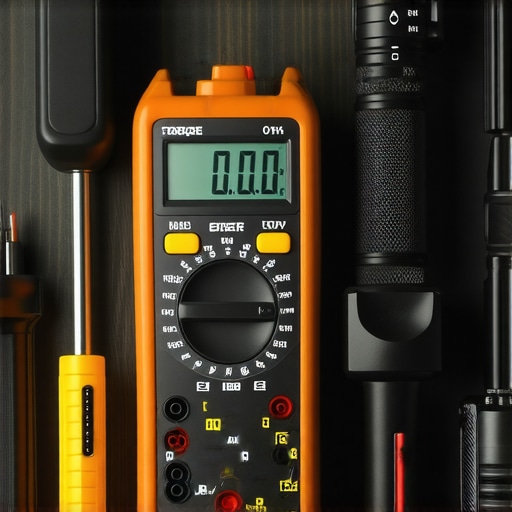
Maintaining your vehicle over time requires more than just basic checks; investing in specific tools can make all the difference. I personally rely on a high-quality digital multimeter, which is indispensable for diagnosing electrical issues. It allows me to test battery voltage, alternator output, and sensor signals with precision, preventing potential breakdowns before they escalate. For fluid checks, I use a transparent dipstick and a good flashlight to easily assess oil, transmission fluid, and coolant levels without guesswork. These simple yet effective tools help me stay ahead of problems and extend my car’s lifespan.
When it comes to routine inspections, I swear by a mechanic’s stethoscope. It’s perfect for pinpointing odd noises inside the engine or transmission, helping me identify issues early. Plus, a torque wrench is a must-have for ensuring bolts and fasteners are tightened to manufacturer specifications, which is crucial for safety and longevity, especially during brake or suspension work. I’ve learned that quality tools aren’t just about convenience—they’re about safety and saving money in the long run.
How do I maintain tools and equipment over time?
Regular maintenance of your tools ensures they stay accurate and reliable. I clean my digital multimeter after each use, store it in a padded case, and periodically check its calibration. For measuring equipment like torque wrenches, I follow the manufacturer’s instructions for calibration and storage, often using a calibration service for precision instruments. This approach guarantees that when I need to diagnose or repair, my tools provide trustworthy results, preventing unnecessary errors or unsafe conditions. As technology advances, I predict that digital diagnostic tools integrated with smartphones will become even more prevalent, making auto maintenance more accessible and accurate for everyone.
If you’re serious about keeping your car in top shape, try investing in a quality multimeter and a torque wrench today. These tools will empower you to spot issues early, save money, and ensure your vehicle remains safe on the road for years to come. For more detailed guidance on advanced maintenance techniques, visit CollisionRenew’s auto repair tips.
Ever wondered what separates a well-maintained vehicle from one prone to breakdowns? My journey through auto repairs has taught me lessons that could save you thousands and even lives. In 2024, staying ahead with smart maintenance is more crucial than ever. Here’s what I wish I knew earlier—and what you should prioritize to keep your car safe and reliable.
The Hardest Lessons I Learned About Car Maintenance
- Overconfidence Can Cost You Big: I used to ignore small issues, thinking they’d go away. Turns out, minor problems like squeaky brakes or strange smells often signal bigger trouble. Regular inspections save money and lives.
- Warning Lights Are Just the Beginning: Dashboard signals are late-stage alerts. Early diagnostics with professional tools can detect issues before warning lights appear, preventing costly repairs. Check out this guide for more insights.
- DIY Is Not Always Safe: Changing oil is easy, but complex repairs like brake overhauls require expertise. Attempting them without proper knowledge can be dangerous. Trust professionals, and learn more about essential services here.
- Subtle Signs Matter: Vibrations, smells, and handling changes are often overlooked. Regular detailed inspections help catch these early, saving lives and money.
My Must-Have Tools for Auto Safety
Investing in quality tools has transformed my approach. A digital multimeter helps diagnose electrical issues, while a torque wrench ensures bolts are properly tightened. Maintaining these tools is key—clean and calibrate regularly to ensure accuracy.
For detailed tips, visit CollisionRenew’s auto repair tips. They’ve been a game-changer for my vehicle safety and longevity.
Push Yourself to Stay Proactive
Taking control of your car’s health is empowering. Schedule regular inspections, trust expert mechanics, and don’t ignore the subtle signs your vehicle gives you. Your safety and wallet will thank you.
What’s the one auto repair task you’ve been putting off? Share your story below, and let’s learn from each other’s experiences!