

Ever had that sinking feeling when your car suddenly sputters or, worse, refuses to start right before a big trip? I remember one winter morning, my own vehicle decided to throw a tantrum just as I was about to leave for work. That frustrating moment made me realize how crucial it is to stay ahead of potential car troubles, especially when safety is on the line. If you’ve ever faced similar frustrations, you’re not alone. Many drivers overlook simple yet vital maintenance steps until it’s too late.
Why 2024 is the Year to Prioritize Your Car’s Health
With the roads becoming busier and the weather more unpredictable, ensuring your vehicle is safe and reliable is more important than ever. The good news? A few proactive auto repair and collision renewal tips can make all the difference. Regular maintenance isn’t just about avoiding breakdowns; it’s about protecting yourself and your loved ones. As a fellow car enthusiast, I can tell you that small, consistent checks save a lot of headaches down the road. In fact, neglecting routine upkeep can lead to accidents or costly repairs, which no one wants to deal with.
Have you ever ignored a warning light or skipped an oil change? That mistake can snowball into bigger issues—trust me, I’ve been there. Early on, I ignored a minor squeal from my brakes, thinking it was nothing. Turns out, that was a sign of wear that could have been easily fixed with a quick service. Now, I always stay on top of my vehicle’s needs, and I recommend you do the same. For a comprehensive guide on what to check, I suggest visiting this detailed auto repair guide.
But what exactly should you focus on? Well, that’s what we’re about to explore. From brakes to transmission, these tips are designed to keep your ride safe, smooth, and ready for anything 2024 throws at us. Ready to take control of your vehicle’s safety? Let’s dive into the most important steps you can take today.
Check Your Brake System Regularly
One of the most critical components for your safety is the brakes. I once ignored a slight squeal during a routine check, assuming it was harmless. However, that squeal was a warning sign of brake pad wear. When I finally replaced my brakes using top brake services, I experienced a much smoother and safer ride. To ensure your brakes are always ready, inspect brake pads, rotors, and fluid levels every 10,000 miles. Don’t wait for a warning light—proactive checks save lives.
Maintain Transmission Health
Your transmission acts like the heart of your vehicle’s drivetrain, transferring power smoothly. I once neglected transmission fluid changes, and that led to rough shifting and eventual costly repairs. After consulting expert transmission tips, I now schedule fluid replacements every 30,000 miles. Keep an eye out for slipping gears, delayed engagement, or strange noises. Proper maintenance ensures your transmission runs silently and safely, especially on unpredictable 2024 roads.
Prioritize Tire Safety and Alignment
Nothing is more unsettling than a sudden blowout or uneven tire wear. I learned this firsthand when my tires started to wear unevenly after a quick alignment I overlooked. Regularly check tire pressure, tread depth, and alignment—these are simple yet powerful steps. Use a pressure gauge monthly and schedule alignments at least once a year. Properly maintained tires improve fuel efficiency and handling, keeping you safer in any weather.
Ensure Lights and Signals Are Bright
Visibility is everything. I once missed a crucial turn because my signal lights were dim. After replacing my bulbs and cleaning lenses, I noticed a significant difference in visibility. Regularly inspect all lights—including headlights, brake lights, and turn signals. Replacing bulbs promptly and cleaning lenses maintains clear signaling. This small effort ensures other drivers see you clearly, especially in foggy or rainy conditions common in 2024.
Inspect and Replace Worn Wipers
Clear visibility during rain or snow is vital. I ignored my wipers until they streaked across the windshield during a rainstorm. That was a risky move. I now replace wiper blades at least once a year and keep an eye out for streaking or squeaking. Good wipers improve your vision and reaction time, vital for safe driving on busy roads.
Regular Fluid Checks and Replacements
Fluids like oil, coolant, and power steering fluid are the lifeblood of your car. I once skipped an oil change, which led to engine knocking. After switching to a routine schedule using auto care tips, my engine runs smoother. Check fluid levels monthly and replace them as per manufacturer guidelines. Clean fluids prevent overheating, corrosion, and mechanical failure.
Schedule Professional Inspections
While DIY checks are helpful, professional inspections catch issues you might miss. I make it a point to visit my mechanic twice a year for a thorough check. Professionals can diagnose hidden problems, ensuring your vehicle meets safety standards. Trust their expertise, especially with complex systems like suspension and exhaust, which are critical for 2024 driving conditions.
Many drivers operate under assumptions about car maintenance that are simply not true, and these misconceptions can lead to costly repairs or even safety hazards. Let’s dig deeper into some of the most prevalent myths and explore the hidden nuances that can make a real difference in your vehicle’s longevity and safety.
Is It Really Okay to Skip Routine Checks If Your Car Seems Fine?
A common misconception is that if your car isn’t showing warning signs, you can ignore scheduled maintenance. However, many issues develop gradually and are not immediately noticeable. For example, neglecting regular fluid checks and replacements can cause components to wear prematurely, leading to expensive repairs down the line. Routine inspections catch problems early, often before they affect safety or performance.
Myth: Newer Cars Don’t Need Maintenance
Some believe that modern vehicles are maintenance-free because of advanced technology and longer-lasting parts. While modern cars are indeed more durable, they still require diligent upkeep. Critical systems such as the transmission and brakes benefit from regular professional inspections. Overlooking these can result in hidden failures that are more costly than routine checks.
Advanced Mistake to Avoid: Overlooking the Importance of Proper Tire Alignment
Many drivers assume that as long as their tires are inflated correctly, they’re fine. But proper alignment and rotation are equally vital. Misalignment causes uneven tire wear and can impair handling, especially in adverse weather conditions typical of 2024. Regularly scheduling alignments prevents subtle issues from becoming dangerous problems.
Have you ever fallen into this trap? Let me know in the comments. Staying informed about these hidden nuances helps you keep your vehicle safer and more reliable in the long run. Remember, proactive maintenance is always more affordable and safer than reactive repairs.
How Do I Keep My Car Running Smoothly Over Time?
Maintaining your vehicle’s optimal performance requires more than just basic knowledge; it involves investing in the right tools and understanding their proper use. Personally, I rely on a few key pieces of equipment that have transformed how I approach car maintenance, ensuring safety and efficiency every step of the way.
Invest in a Quality OBD-II Scanner
An OBD-II scanner is indispensable for diagnosing potential issues early. I recommend the BlueDriver scanner because of its comprehensive diagnostics and user-friendly app interface. It connects seamlessly to your smartphone, allowing you to pinpoint problems like engine misfires or sensor malfunctions quickly. Regularly scanning your vehicle helps catch problems before they escalate, saving you money and downtime. As automotive technology advances, future tools will likely integrate more AI-driven diagnostics, making maintenance even more proactive.
Use a Reliable Tire Pressure Gauge
Proper tire inflation is critical for safety and fuel efficiency. I personally prefer the Digital Tire Pressure Gauge by AstroAI because of its precision and ease of reading. Checking tire pressure monthly and adjusting to manufacturer-recommended PSI can prevent uneven wear and blowouts. Investing in a quality gauge is a simple step that pays off in the long run, especially as tire technology evolves with run-flat and smart tires.
Maintain a Portable Jump Starter
Dead batteries can leave you stranded at the worst moment. I carry the NOCO Boost Plus GB40 jump starter because of its compact size and reliable power. It not only jump-starts my car but also charges devices via USB. This tool is a must-have for long-term peace of mind, especially with increasingly complex electrical systems in modern vehicles. As vehicles become more electrified, tools that can support hybrid and electric cars will become essential.
Keep a Set of Basic Hand Tools
Having a toolkit with wrenches, screwdrivers, and pliers is fundamental. I keep a Crescent Mechanics Tool Set in my trunk, which has saved me on multiple occasions. These tools allow for quick fixes like replacing light bulbs or tightening loose parts. As car designs become more sophisticated, investing in specialized tools for electronic components and sensors will be the next step in DIY maintenance.
Leverage Software for Scheduled Maintenance
Beyond hardware tools, software applications like auto care apps help track service intervals and diagnostics. I use these apps to remind me of oil changes, fluid replacements, and inspections, ensuring I never miss critical maintenance windows. In the future, AI-powered apps will analyze driving habits and vehicle data to suggest personalized maintenance plans, further simplifying long-term care.
To maximize your vehicle’s longevity, start by investing in a high-quality OBD-II scanner and keep a well-stocked toolkit. Regularly checking tire pressure and having a portable jump starter can prevent many roadside emergencies. Keep your software updated and utilize auto care apps to stay on top of scheduled maintenance. These tools not only save money but also enhance safety, making every drive in 2024 more secure. Try integrating one or two of these tools into your routine today—you’ll notice the difference immediately.
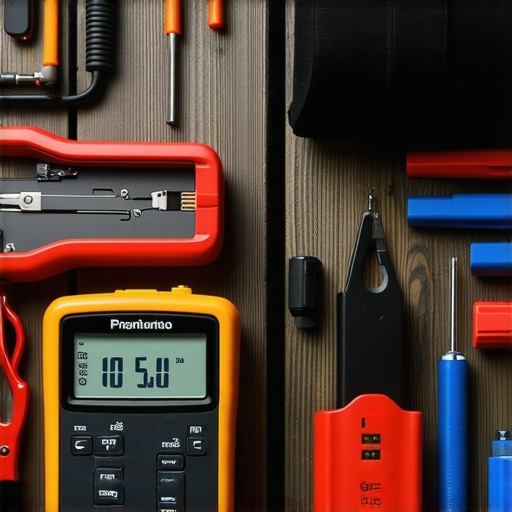
Ever faced a sudden breakdown just when you needed your vehicle the most? I’ve been there, and it taught me that proactive maintenance isn’t just a good idea—it’s essential. As we navigate the roads of 2024, understanding the lesser-known lessons about car care can save you money, time, and stress. Here are some insights I wish I had known earlier, plus practical tips to keep your vehicle in top shape all year long.
The Hardest Lesson I Learned About Car Maintenance
One of the biggest realizations I had was that ignoring seemingly minor issues, like a faint squeal or a dim light, often leads to bigger problems. For example, neglecting brake warning signs nearly resulted in a costly repair, but catching it early with regular brake checks could have prevented that. The lesson? Trust your instincts and stay ahead of potential failures before they escalate.
Three Myths About Car Safety That Held Me Back
First, I believed that new cars didn’t need maintenance—wrong! Modern vehicles are more durable but still require routine checks, especially for critical systems like transmission and brakes. Second, I thought if my car felt fine, it was safe—turns out, many issues develop gradually and aren’t immediately noticeable. Third, I assumed proper tire pressure alone was enough—alignment and rotation are just as vital for safety and tire longevity. Busting these myths has transformed how I care for my vehicle, and I encourage you to question assumptions too.
What Experts Won’t Tell You About Maintaining Your Vehicle
While DIY checks are helpful, I learned that professional inspections can uncover hidden issues that DIY might miss. Visiting your mechanic twice a year for a thorough inspection ensures your vehicle meets safety standards and performs optimally. Additionally, investing in tools like a high-quality OBD-II scanner and a portable jump starter can make all the difference during emergencies. These investments in your auto-care toolkit pay off in peace of mind and long-term savings.
Keep Your Car Running Smoothly in 2024 and Beyond
To truly maximize your vehicle’s lifespan, focus on strategic maintenance. Regularly check fluid levels, tire pressure, and brake conditions. Use a reliable transmission service schedule, and don’t skip recommended oil changes. Remember, the little things add up—each proactive step keeps your car safer and more reliable on unpredictable roads. By staying informed and equipped, you’re not just maintaining a vehicle; you’re safeguarding your journeys in 2024 and years to come.
My Essential Toolkit for Car Maintenance in 2024
I trust a handful of tools for my routine checks. A high-quality auto care app helps me track service intervals, while my tire pressure gauge and portable jump starter are always in my trunk. Combining these with regular professional inspections creates a comprehensive safety net. Investing in these essentials keeps me confident behind the wheel—something I recommend for every driver aiming for peace of mind in 2024.
Your Turn to Take Control of Car Safety
Now that you know the hidden lessons and must-have tools, it’s your turn to act. Start integrating these maintenance habits into your routine today. Your vehicle’s longevity and your safety depend on it. Remember, proactive care isn’t just about avoiding repairs; it’s about creating safe, reliable journeys every time you hit the road. Ready to make 2024 your safest driving year yet?
Have you ever overlooked a small warning sign that turned into a major issue? Share your story below—I’d love to hear how you turned things around and what you learned along the way.