
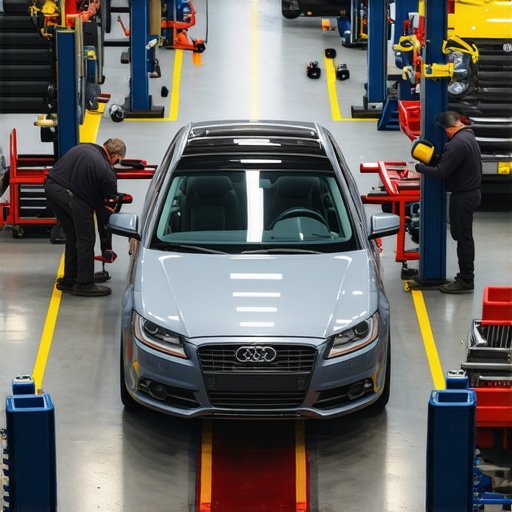
Ever found yourself braking at the last second, heart pounding, wondering if your car will respond fast enough? That’s a lightbulb moment many drivers face—realizing that overlooked maintenance can turn a minor stop into a potential accident. I’ve been there, and let me tell you, the difference between a safe stop and a mishap often comes down to knowing the right strategies for brake and car maintenance. Today, I want to share what I’ve learned over years of tinkering and driving—so you don’t have to make the same mistakes. We’ll cover simple, effective steps to keep your vehicle in top shape, ensuring your safety on the road in 2024 and beyond.
Why Staying Ahead with Brake & Car Maintenance Matters More Than Ever in 2024
In 2024, car safety isn’t just about having airbags or a good seatbelt. It’s about proactive maintenance—especially when it comes to your brakes and overall vehicle health. The roads are busier, distractions are everywhere, and vehicles are more complex than ever. According to the National Highway Traffic Safety Administration, nearly 25% of crashes involve brake failure or issues with vehicle control. That’s a staggering statistic, and it highlights just how critical regular check-ups and proper maintenance are. If you’re like me, waiting until you hear squeals or feel a pedal change is too late. Prevention is always better than cure, especially when lives are on the line.
So, what’s the secret? How do you make sure your brakes and car are ready to respond flawlessly whenever needed? That’s what we’ll explore. From simple DIY checks to knowing when to trust the pros, I’ll help you develop a maintenance mindset that keeps your vehicle safe and reliable. If you’ve ever felt the panic of a car pulling to one side or the hesitation during braking, you’ll know why this is worth paying attention to now. Let’s get into the practical steps that can save you from disaster and make your driving experience smoother and safer.
Is Regular Brake Maintenance Really Worth the Hype?
Early in my driving years, I ignored small brake squeals, thinking they were just annoying noises. Turns out, that was a mistake. That squeal was a sign of worn brake pads—a problem that, if left unchecked, could have led to brake failure. Trust me, I learned the hard way. Now, I make it a point to follow expert advice on brake health. Regularly inspecting brake pads, rotors, and fluid levels isn’t just a chore; it’s a life-saving habit. For comprehensive insights, check out this ultimate brake service guide. Taking small steps regularly can prevent costly repairs and, more importantly, ensure you’re always ready to stop safely when it counts most.
End of the opening section. The stage is set for us to dive into actionable tips that will keep your vehicle in peak condition for 2024 and beyond, so you can drive with confidence and peace of mind.
Check Your Brake Pads Regularly
Think of your brake pads like the shoes you wear—wear them out, and your performance drops. I remember a time when I ignored a slight squeal during a drive. It turned out to be worn brake pads, which I replaced myself after watching a quick tutorial. That simple step saved me from a costly repair and a potential accident. Remove the wheel, inspect the pads for thickness—if they’re less than a quarter-inch, it’s time to replace them. For detailed guidance, visit this brake service guide. Regular inspection ensures your brakes respond instantly when needed.
Maintain Brake Fluid Levels
Brake fluid acts like the oil for your engine—crucial for smooth operation. I once noticed a spongy brake pedal, which was a sign of low brake fluid. Checking levels is simple: open the hood, find the brake fluid reservoir, and ensure it’s between the minimum and maximum marks. If it’s low, top it off with the recommended fluid type. However, if the fluid is dark or contaminated, it’s best to flush and replace it—an expert job to avoid air bubbles that can impair braking. Remember, fresh brake fluid maintains consistent pressure and prevents brake failure.
Inspect Rotors for Warping
Rotors are the backbone of your braking system, and warping can cause vibrations or pulsations. I once felt a shimmy in the steering wheel when braking—an obvious sign of warped rotors. To check, remove the wheel (if you’re comfortable doing so), and visually inspect the rotors for grooves or uneven surfaces. You can also spin the rotor to listen for irregular sounds. If warped, replace or resurface the rotors at a trusted shop. This step is vital because warped rotors can significantly reduce stopping power, especially in emergency situations.
Schedule Professional Brake Checks
While DIY inspections are helpful, professional brake service ensures everything functions flawlessly. I schedule a full brake check every 12,000 miles or once a year, whichever comes first. Professionals can assess everything from brake pads and rotors to calipers and fluid condition, catching issues before they become dangerous. For comprehensive insights on maintenance schedules and services, see this auto repair tips for 2024. Trusting experts can often spot problems I might overlook, giving me peace of mind on the road.
Keep Tires in Good Shape
Good tires are part of your safety net. Worn or under-inflated tires increase stopping distances and reduce handling. I check tire pressure monthly using a reliable gauge—think of it like keeping the right amount of air in a balloon for optimal performance. Also, examine tread depth; if it’s below 2/32 inch, it’s time for new tires. Properly maintained tires improve braking efficiency and vehicle control, especially in wet or slippery conditions. Regular rotation and alignment also prolong tire life and ensure even wear.
Stay Informed and Prepared
The road is unpredictable, and vehicle maintenance is your best defense. Keep a maintenance log, and don’t wait for warning signs to act. Remember, proactive care can prevent accidents and costly repairs. For detailed, step-by-step advice, explore this comprehensive car service guide. Staying ahead with your vehicle’s health isn’t just smart—it’s essential for safe driving in 2024 and beyond.
Many drivers operate under misconceptions that can lead to overlooked issues or costly repairs. Let’s dig deeper into some of the most common myths surrounding brake and vehicle maintenance, and why trusting expert insights can make a real difference. One widespread belief is that if your brakes aren’t squealing, they’re fine. However, silent wear is a trap that can catch even cautious drivers off guard. Brake pads can be worn down to the metal without any noise, increasing the risk of rotor damage and brake failure. Regular inspections, especially if you notice changes in braking performance, are essential. For a comprehensive understanding, check out this ultimate brake service guide.
Another misconception is that brake fluid doesn’t need frequent attention. Many believe that topping it off once in a while suffices. In reality, brake fluid absorbs moisture over time, which can lead to corrosion and reduced braking performance. Experts recommend changing brake fluid every 2-3 years, even if the levels seem fine. This simple maintenance step can prevent dangerous situations and prolong your braking system’s life.
A common mistake is neglecting rotors, with many assuming they’re only replaced when visibly warped. But, micro-warping can occur without obvious signs, causing vibrations and decreasing stopping power. Advanced inspection techniques, such as measuring rotor runout, are crucial for catching these issues early. Trusting a professional to evaluate rotor condition regularly can save you from emergency replacements.
Now, for those of you curious about the sophisticated side of vehicle maintenance, consider this question: How does understanding the material composition of brake components influence maintenance choices? Different materials, like cast iron or ceramic composites, have unique wear properties and heat tolerances. Knowing these details helps in selecting the right replacement parts and maintenance schedules. According to an expert from the auto repair industry, tailored maintenance based on material science can significantly improve safety and cost-efficiency.
Finally, the biggest trap to avoid is assuming that maintenance can be skipped or delayed. In today’s complex vehicles, neglecting even minor issues can lead to major safety risks. Staying informed and proactive—by scheduling regular check-ups and trusting experienced technicians—ensures your vehicle remains safe and reliable. Have you ever fallen into this trap? Let me know in the comments! Proper maintenance isn’t just about avoiding repairs; it’s about protecting yourself and everyone on the road.
Why I Trust My Diagnostic Scanner for Quick Checks
One of my go-to tools is a reliable automotive diagnostic scanner. I personally use the BlueDriver Bluetooth Pro Scanner because it pairs seamlessly with my smartphone and provides real-time data on engine health, ABS, and even transmission issues. This device allows me to read and clear error codes on the spot, saving time and money. Regular scans help me catch problems early, especially with complex systems like brakes and transmissions, before they escalate into costly repairs. As vehicle technology advances, integrating a quality scanner into your maintenance routine becomes increasingly vital. For a comprehensive overview, check out this auto repair guide. I recommend trying out a scanner like this next time your check engine light flickers—it can be a game-changer.
Using a Digital Tire Pressure Gauge for Consistent Safety
Maintaining proper tire pressure is crucial for safe braking and handling. I rely on a digital tire pressure gauge, such as the Accutire MS-4021, because of its accuracy and ease of use. I check tire pressure monthly, especially before long drives, to ensure optimal contact with the road. Properly inflated tires reduce braking distances and uneven wear, which can compromise safety. Digital gauges provide precise readings, unlike analog ones that can be less reliable. This simple tool helps me maintain consistent tire health over time, ensuring my vehicle performs at its best. For detailed tire care tips, visit this auto care guide. I suggest investing in a quality gauge—it’s an inexpensive step that pays off in safety and longevity.
Why Regular Fluids and Lube Checks Are Non-Negotiable
Keeping fluids topped up and clean is essential, and I use a combination of visual checks and a high-quality fluid tester like the Stant 12270. This tool allows me to quickly assess the condition of brake fluid, transmission fluid, and engine oil. For example, dark, contaminated brake fluid indicates it’s time for a flush, which I schedule with a trusted mechanic. Regular fluid maintenance prevents corrosion, maintains proper pressure, and ensures systems like brakes and transmission work smoothly. Over time, I expect fluid properties to change, especially with exposure to heat and moisture. Using a reliable tester helps me stay proactive. For detailed maintenance schedules, I refer to this auto service guide. Make it a habit to test your fluids regularly—your vehicle’s long-term health depends on it.
Advanced Method: Resurfacing Rotors for Longevity
When my brake rotors develop micro-warping, I turn to professional resurfacing rather than replacement. I use a high-precision lathe at a certified shop, which restores the rotor’s surface to a smooth, even state. This process extends rotor life and ensures consistent braking performance. I only opt for resurfacing when the rotors are within manufacturer thickness limits; otherwise, replacement is necessary. Resurfacing is an eco-friendly, cost-effective solution that keeps my braking system in top shape. If you’re interested in this approach, check out this brake service tips. For long-term maintenance, I plan to learn how to measure rotor runout myself with a dial indicator—this trend toward DIY precision is expected to grow as tools become more affordable.
How do I maintain my tools over time?
To keep my maintenance tools in peak condition, I regularly calibrate my diagnostic scanner and check the accuracy of my tire pressure gauge. I store my tools in a clean, dry toolbox and follow manufacturer recommendations for replacement or calibration. For electronic devices, I update firmware periodically to ensure compatibility with the latest vehicle systems. Maintaining your tools properly not only extends their lifespan but also guarantees precise diagnostics, which is critical for safety. As vehicle technology continues evolving, I foresee a future where smart, connected tools will automatically self-calibrate and sync with vehicle software—making maintenance even more efficient. So, I recommend trying out a reliable diagnostic scanner today and establishing a routine for checking your essential equipment. It’s an investment in your vehicle’s safety and your peace of mind.
What I Wish I Knew About Brake Maintenance Before It Was Too Late
One of the most valuable lessons I learned was to never ignore even minor brake squeals. That seemingly small noise was my car’s way of signaling worn brake pads, and ignoring it could have led to costly repairs or dangerous brake failure. Another insight was the importance of regularly changing brake fluid, as moisture buildup can cause corrosion and reduce braking effectiveness. Trust me, staying proactive with these small checks saved me from emergencies and kept my vehicle reliable. Lastly, I realized that warped rotors are more common than I thought, and early detection through professional inspections can prevent sudden vibrations during braking and enhance safety. These lessons taught me that consistent maintenance isn’t just about saving money—it’s about protecting lives, including your own.
My Top Tools and Resources for Car Safety
My go-to diagnostic scanner is the BlueDriver Bluetooth Pro Scanner. It provides real-time engine data and error codes, making early problem detection straightforward and affordable. For tire maintenance, I rely on the Accutire MS-4021 digital tire pressure gauge, which ensures precise readings and helps maintain optimal handling. To keep fluids in check, I use the Stant 12270 fluid tester, which quickly indicates whether brake, transmission, or engine oil fluids are contaminated or need replacement. For comprehensive guidance, I frequently consult the auto repair and brake maintenance guides. These tools and resources have become essential in my routine, helping me stay ahead of potential issues and drive confidently.
Take Action Now and Drive Smarter in 2024
Your safety depends on the proactive maintenance of your brakes and vehicle. Don’t wait for warning signs—schedule regular inspections, use reliable diagnostic tools, and stay informed about your car’s health. Every small step you take today can prevent accidents tomorrow. Remember, the road is unpredictable, but your vehicle’s readiness shouldn’t be. Make a commitment to your safety and enjoy peace of mind on every trip in 2024. Are you ready to take control of your vehicle’s maintenance and become a safer driver? Let me know below!
,
This post really highlights the importance of proactive brake maintenance. I used to ignore small squeals, thinking they weren’t a big deal, but I learned the hard way when my brakes failed unexpectedly during a stop. Regular checks for brake pad thickness and rotor condition are something I now prioritize, especially since I drive in a busy city where quick stops are common. I also agree with the point about brake fluid—it’s often overlooked, but moisture buildup can be incredibly damaging over time. Plus, I’ve recently started using a digital tire pressure gauge to ensure my tires are always at the optimal PSI, which improves braking and handling. How often do others here schedule professional brake inspections? I’d love to hear your tips on balancing DIY checks with professional service—looking to keep my car in top shape for 2024 and beyond!
I’ve definitely learned the hard way how vital consistent brake maintenance is. A few months ago, I ignored a mild squeal, thinking it was just normal wear. Well, it turned out my brake pads were almost metal-to-metal, which could have been disastrous if I’d delayed further. Regular inspections, especially checking pad thickness and rotor condition, seem simple but are so crucial. I also make it a point to have a professional check my braking system at least once a year, even if I do DIY checks monthly. I’ve found that combining these approaches gives me peace of mind without breaking the bank. From your experience, what’s the ideal frequency for professional brake evaluations? Do you think DIY is enough if I stay vigilant, or should I rely on the pros more often for peace of mind? Would love to hear others’ routines for brake care in different driving conditions.
I agree wholeheartedly with this post’s emphasis on proactive brake maintenance. Personally, I’ve experienced that nerve-wracking moment of heavy braking and wondered if my car would respond in time, especially during wet conditions. Regularly inspecting brake pads and rotors has made a noticeable difference in my vehicle’s responsiveness. One thing I’ve found helpful is setting a schedule for professional brake checks every 12,000 miles, in addition to my monthly DIY inspections. Also, I always keep a portable digital tire gauge in my glove compartment because properly inflated tires greatly affect braking distance and vehicle control. What’s everyone’s take on balancing DIY maintenance with professional inspections? Do you notice a big difference after having your brakes checked by pros? I’d love to hear some tips on how often others schedule these comprehensive checks to stay at the safe edge in 2024.