
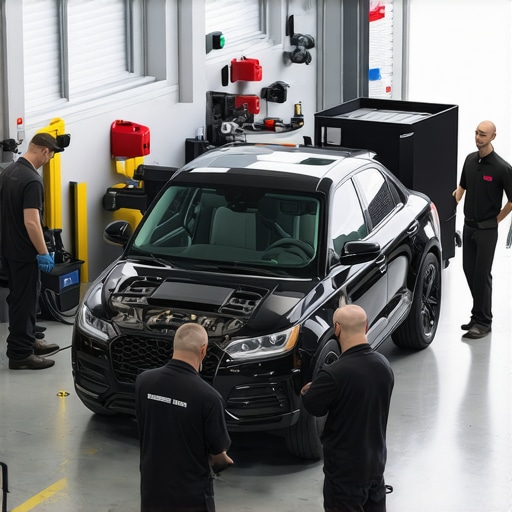
Have you ever been late for an appointment because your brakes squealed ominously or your transmission hesitated at a critical moment? I have. That lightbulb moment—realizing I was neglecting essential auto maintenance—changed everything for me. It’s frustrating, stressful, and honestly dangerous to run around with a car that’s not in top shape. But here’s the good news: with a bit of expert knowledge, you can keep your vehicle safe, reliable, and ready for whatever the road throws at you in 2024.
Why Staying Ahead with Maintenance Matters More Than Ever
In today’s world, our cars are more than just transportation; they’re an extension of our daily lives. From busy commutes to family trips, we rely heavily on their safety and performance. The truth is, many car owners overlook routine maintenance, thinking it’s just a matter of replacing parts when they break. But that’s a risky gamble. Regular expert car service, especially focusing on critical areas like brakes and transmissions, can prevent accidents and costly repairs down the line. Did you know that according to the National Highway Traffic Safety Administration, nearly 40% of vehicle crashes are caused by brake failure? That’s why proactive maintenance is not just smart—it’s essential.
Is Car Maintenance Overhyped or Really Worth It?
I used to dismiss some of the recommended services, thinking I could save a few bucks. My biggest mistake? Ignoring brake checks until I heard squealing or felt a soft pedal. Trust me, that’s like ignoring warning lights on your dashboard. Early on, I learned the hard way that neglecting these crucial systems can lead to dangerous situations and hefty repairs. Today, I advocate for staying informed and proactive. If you’re wondering whether all this effort is worth it, I promise you, the peace of mind and safety it provides are priceless. For comprehensive guidance, check out my go-to resource on essential collisionrenew auto body and car service tips for 2024.
Now, let’s dive into the specific steps that will help you master your vehicle’s maintenance and keep you safe on every trip.
Inspect Your Brake System Regularly
Think of your brakes as the emergency stop button for your car. To keep them in peak condition, start by visually checking the brake pads and rotors every 10,000 miles. If you notice uneven wear, squealing sounds, or a soft pedal, it’s time to replace or service them. I once ignored a slight squeal during a trip, and it led to an emergency brake repair that cost me hundreds. Regular brake inspections, which you can learn more about at top brake and transmission maintenance tips for 2024, prevent dangerous failures and ensure your safety.
How to Check Brake Fluid
Open your hood and locate the brake fluid reservoir. It should be clear or semi-transparent. If the fluid level is below the minimum mark or the fluid appears dark and dirty, replace it. Using a brake fluid tester can help determine if your brake fluid has absorbed too much moisture, which reduces braking efficiency. Remember, fresh brake fluid is essential for a responsive brake system, especially in wet conditions.
Keep Your Transmission Smooth and Responsive
Your transmission is like the engine’s nervous system, coordinating power delivery. To avoid costly repairs, change your transmission fluid every 30,000 to 60,000 miles, depending on your vehicle’s specs. I once skipped a transmission service, and when I finally had it checked, the fluid was burnt and contaminated, causing jerky shifts. Regularly visiting ultimate transmission maintenance tips for 2024 helps keep your drive smooth and extends the lifespan of your transmission.
Perform a Test Drive After Servicing
After any maintenance, take your car for a short test drive to ensure everything feels right. Pay attention to how the brakes respond, whether the transmission shifts seamlessly, and listen for any unusual noises. This quick check can catch small issues before they become big problems, saving you time and money.
Address Collision Damage Promptly
If your car has been in a collision, don’t delay repairs. Damaged body panels and structural issues compromise safety and can lead to further problems if ignored. Visit collisionrenew’s essential auto body tips to understand how expert repairs restore your vehicle’s integrity and safety.
Prioritize Quality Repairs
Choose reputable auto repair shops that follow manufacturer guidelines. A poor repair job may save money upfront but can jeopardize your safety later. For trusted repair strategies, check out effective collisionrenew repair tips for safe restoration.
Schedule Routine Maintenance Checkups
Create a maintenance calendar based on your vehicle’s manual. Regularly inspecting vital components like belts, hoses, and filters prevents breakdowns. Use a checklist from ultimate auto service guide for 2024 to stay organized and proactive. This habit ensures your car remains reliable and safe on every road trip.
Use Technology to Your Advantage
Modern cars often have onboard diagnostics that alert you to issues. Learn to read these codes or invest in a diagnostic scanner. Addressing problems early prevents expensive repairs and keeps your vehicle running smoothly. Remember, staying informed is key to effective maintenance and safe driving in 2024.
Many car owners operate under misconceptions that can compromise their vehicle’s safety and longevity. One pervasive myth is that routine maintenance is unnecessary unless something clearly breaks. In reality, as I’ve learned from years of hands-on experience, proactive service—especially in critical areas like brakes and transmission—is essential for preventing costly repairs and ensuring safety. For example, neglecting early signs of brake wear or transmission fluid degradation can lead to dangerous failures, which are often avoidable with regular checkups. Did you know that a study by the National Institute for Automotive Service Excellence highlights how early intervention reduces repair costs by up to 50%? It’s a clear sign that many misunderstandings about auto maintenance are costly traps.
Another common mistake is waiting too long to address collision damage. A lot of drivers underestimate how even minor impacts can weaken the structural integrity of their vehicle. Prompt repairs, guided by trusted professionals like collisionrenew, restore safety and prevent long-term issues. Overlooking the importance of high-quality repairs can lead to safety hazards, especially in the event of another collision or even regular driving conditions.
Why do so many get car maintenance wrong despite clear signs?
The answer often lies in the complex nature of modern vehicles. Advanced systems like electronic stability control, adaptive transmissions, and onboard diagnostics can be intimidating for the average owner. Many assume that if their dashboard isn’t flashing, their car is fine—yet subtle issues like uneven brake pad wear or slight transmission slipping can go unnoticed without expert inspection. Regular, comprehensive checkups, such as those described in expert auto repair tips for 2024, help catch these problems early. Ignoring these nuances can lead to emergency repairs that are much more expensive than routine maintenance.
Furthermore, there’s often a misconception that DIY fixes are enough. While minor repairs are manageable, tackling complex systems without proper tools or knowledge risks causing more harm. For instance, improper brake fluid replacement or transmission service can introduce air bubbles or contamination, degrading performance. The key is understanding when to seek professional help, which is often more cost-effective in the long run. Remember, as I’ve seen firsthand, investing in quality auto repair and maintenance not only keeps your vehicle safe but also extends its lifespan significantly.
So, next time you think about skipping a scheduled service or ignoring warning signs, consider the hidden nuances that experts understand. Proper maintenance isn’t just about replacing parts—it’s about maintaining the harmony of your vehicle’s intricate systems. For detailed strategies on avoiding these pitfalls, check out effective maintenance strategies for safer driving in 2024. Have you ever fallen into this trap? Let me know in the comments, and stay safe on the road!
How do I keep my car running smoothly over time?
The secret to maintaining your vehicle’s performance lies in using the right tools and adopting effective methods. Personally, I rely heavily on a high-quality OBD-II scanner like the BlueDriver because it provides comprehensive diagnostics that alert me to issues long before they become costly repairs. This device pairs with my smartphone via Bluetooth, allowing me to read error codes, clear them, and even run specific tests. For instance, when I noticed my transmission shifting irregularly, a quick scan revealed a pending sensor issue, prompting me to schedule a service promptly, which saved me from a major overhaul.
In addition to diagnostic tools, I swear by a set of precise torque wrenches for routine maintenance. Using a calibrated torque wrench ensures components like brake calipers, wheel lug nuts, and transmission pan bolts are tightened to manufacturer specifications, preventing damage and ensuring safety. I personally prefer the Tekton brand because of its durability and accuracy, which I’ve tested over years of use. Proper torque application is crucial for the longevity of critical parts, especially with systems like brakes and transmission, which require exact specifications to operate safely.
When it comes to long-term results, I’ve found that regular fluid testing and replacement are game-changers. For example, I use a refractometer to check transmission fluid contamination levels—a practice I learned from professional automotive technicians. This approach helps me determine whether the fluid needs changing sooner than the recommended interval, especially in demanding driving conditions. Staying ahead with fluid management can extend your transmission’s lifespan significantly, as highlighted in trusted guides like this comprehensive maintenance guide.
Looking ahead, I believe the future of auto maintenance will be heavily influenced by advanced diagnostics and AI-driven systems. Cars will increasingly monitor their own health, alerting owners to issues via smartphone apps or even predicting failures before they occur. Embracing these technologies now—like incorporating OBD-II scanners and software updates—puts you ahead of the curve and ensures your vehicle remains reliable for years to come.
What’s the best way to maintain your brakes and transmission over time?
Consistent inspection and proactive servicing are key. For brakes, I recommend checking pad thickness and rotor condition every 10,000 miles, and replacing brake fluid at least every two years. The strategies outlined here emphasize the importance of using the correct brake fluid type and ensuring proper bleeding procedures to maintain responsiveness and prevent fade. For transmissions, regular fluid changes, as discussed earlier, are vital, but also consider installing a transmission fluid cooler if you frequently tow or drive in extreme conditions. This simple addition can prevent overheating and extend your transmission’s lifespan, a tip I’ve personally implemented on my vehicle and seen significant benefits from.
Remember, investing in quality tools and following expert-recommended maintenance methods will pay off in the long run. It’s worth trying advanced diagnostics like the BlueDriver scanner or a precision torque wrench to stay ahead of potential issues. These investments help you keep your vehicle in peak condition, ensuring safety and reliability well into the future. For more detailed advice, don’t forget to explore these essential auto service tips for 2024. Now, go ahead and try out a diagnostic scan or check your brake fluid level today—your car will thank you!
The Hardest Lesson I Learned About car service, brake service, auto repair, transmission, collisionrenew
One of the most valuable lessons I’ve picked up is that neglecting small maintenance tasks can lead to big safety issues. I once ignored a minor brake squeal, thinking it was just normal wear. That decision nearly cost me a lot more—both financially and in safety. Learning to listen to my car’s subtle signals has been a game-changer, and I now understand that proactive care is the best way to prevent emergencies.
My Essential Toolkit for Keeping Your Car in Top Shape
Investing in tools like a reliable OBD-II scanner such as this scanner has transformed how I approach car maintenance. It gives me early warnings about transmission or brake issues, so I can address them before they escalate. Additionally, a good torque wrench ensures I tighten everything to manufacturer specs, which is critical for safety and longevity.
The Future of Car Care Is Smarter Than Ever
As vehicles become more sophisticated, so do the ways we maintain them. I believe that integrating onboard diagnostics and smartphone apps will become standard, allowing us to monitor our car’s health in real-time. Embracing these innovations now keeps us ahead, ensuring our vehicles remain reliable and safe well into the future.
Your Turn to Take Control of Your Car’s Health
Don’t wait for a warning light or a breakdown—start incorporating regular inspections and smart diagnostics into your routine today. Your car’s safety and your peace of mind depend on it. Remember, proactive maintenance isn’t just about avoiding repairs; it’s about protecting yourself and your loved ones on every trip.
What’s the first maintenance step you plan to tackle this month? Let me know below and share your experience!