
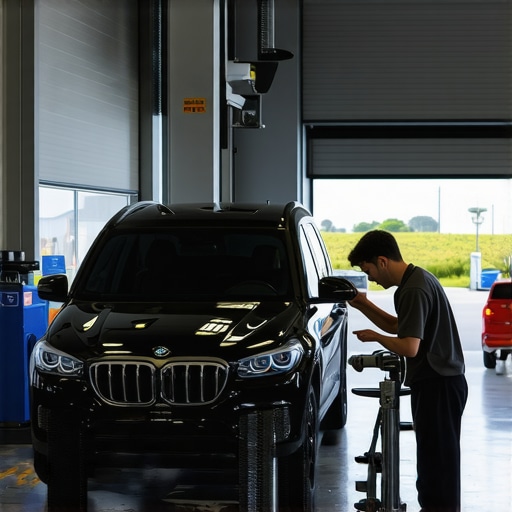
It was a chilly morning when I first realized my brakes weren’t responding like they used to. The panic that set in—heart pounding, hands trembling—was a wake-up call. I had ignored some subtle warning signs, thinking I could push a little longer before servicing my car. That mistake could have cost me dearly. Since that day, I’ve learned one thing for sure: staying proactive about auto maintenance isn’t just about avoiding inconvenient breakdowns; it’s about safeguarding your life and loved ones on the road. Today, I want to share with you the real deal on Ultimate Auto Repair Tips for Safer Vehicles in 2024. Because trust me, a little preventive care can make all the difference between a safe journey and a disaster.
Why Auto Maintenance Needs a Fresh Look in 2024
Every year, new safety standards, technological advancements, and vehicle innovations roll out. If you’re still relying on last decade’s tips, you’re actually putting yourself at risk. Did you know that according to the National Highway Traffic Safety Administration, proper brake and transmission maintenance can reduce accident risks by over 30%? That’s a staggering number, and it emphasizes how crucial it is to stay ahead of the game. I’ve seen firsthand how neglecting simple checks can turn a minor issue into a major safety hazard. That’s why I’m here—to help you avoid making the same costly mistakes I did early on, like ignoring the warning signs or skipping scheduled service appointments.
Is Regular Auto Maintenance Really Worth It?
Initially, I thought, “It’s just a small squeak. It’ll go away.” Turns out, that squeak was a red flag for a failing brake pad. If I had caught it early, I could’ve saved hundreds in repairs. The truth is, routine maintenance isn’t just about keeping your car running smoothly; it’s about ensuring your safety and the safety of others. And with 2024’s new vehicle tech, like advanced driver-assist systems, staying current on auto repair tips is more important than ever. For a comprehensive guide on what to check and when, you might want to look into the complete auto repair checklist for 2024.
If you’ve ever wondered whether that small warning light is a big deal, or if skipping a service appointment is really risky, keep reading. I’ll walk you through the most critical safety tips and how to implement them without breaking the bank. Because when it comes to your car—and your safety—cutting corners simply isn’t an option anymore. Ready to transform your auto care routine into a safety powerhouse? Let’s dive into the essential tips that will keep you safe on every mile of your journey in 2024.
Start with a Detailed Inspection
Before diving into repairs, perform a comprehensive visual check. Look for leaks, worn belts, cracked hoses, and tire condition. During my last inspection, I noticed a small crack in my brake fluid reservoir. Ignoring it could have led to brake failure. Regular visual checks are like a health scan for your car, catching issues early. Use this complete auto repair checklist for 2024 to guide your inspections.
Prioritize Brake System Checks
Brakes are your lifeline. Test brake responsiveness by gently pressing the pedal at a stop. If you feel sponginess or hear squeaks, it’s time for service. I learned this the hard way when my brake pads were almost gone, and I almost couldn’t stop in time. Replacing brake pads before they wear out completely prevents costly repairs and ensures safety. For detailed brake maintenance steps, consult the ultimate brake and transmission maintenance guide.
Check and Maintain Transmission Fluid
Transmission health affects how smoothly your car shifts gears. Check the fluid level with the engine warm and the car on a level surface. If the fluid is dark or smells burnt, it’s time for a change. I once ignored this, and my transmission started slipping mid-drive, leading to a costly repair. Regular fluid checks and changes using quality fluids can extend your transmission’s lifespan. Learn more about transmission tips at the top transmission auto repair tips.
Replace or Service Belts and Hoses
Rubber belts and hoses deteriorate over time. Inspect for cracks, frays, or leaks. During my last car service, a worn serpentine belt was about to snap, which could have caused engine overheating. Replacing worn belts and hoses prevents breakdowns and engine damage. Use a flashlight to examine these parts regularly and refer to your vehicle’s manual for replacement intervals.
Monitor Tire Condition and Pressure
Proper tire maintenance is vital. Check tire pressure monthly and ensure it matches the manufacturer’s recommended PSI. Also, inspect tread depth; if it’s below 2/32 inch, replace the tire. I once drove on under-inflated tires, which increased stopping distance and risked a blowout. Keep a portable air compressor in your trunk for quick fixes, and always look for uneven wear, which signals alignment issues. For detailed tire tips, see the auto body repair tips for 2024.
Ensure Lights and Electrical Systems Are Functional
Lights warn others of your presence and signal your intentions. Regularly test headlights, brake lights, and turn signals. During a recent night drive, I noticed my brake lights weren’t working because of a blown fuse. Fixing it was quick, but it could have led to accidents. Check wiring and replace bulbs as needed. This simple step keeps you visible and compliant with safety laws.
Keep Your Vehicle Clean and Rust-Free
Corrosion can weaken your car’s frame and important components. Regular washing, especially in winter, removes road salt that causes rust. I’ve seen cars with rusted-out undercarriages, risking structural failure. Applying rust-proofing spray and attending to paint chips can prolong your vehicle’s life. Visit the auto repair season tips for more guidance.
Schedule Professional Service Regularly
While DIY checks are essential, professional inspections catch what you might miss. Schedule a service appointment every 6-12 months, depending on your driving habits. A trained mechanic can perform detailed diagnostics, including computer system scans, ensuring your vehicle remains in peak condition. For expert advice, review the top auto repair tips for 2024.
Many car owners operate under assumptions that seem logical but are actually myths, especially when it comes to auto repair, brake service, and transmission maintenance
One prevalent misconception is that waiting for warning lights to appear before servicing your vehicle is sufficient. In reality, modern cars often have advanced sensors that can detect issues long before a warning light comes on. Regular proactive checks can catch problems early, saving you money and avoiding breakdowns. For example, neglecting subtle signs like uneven tire wear or minor fluid leaks can lead to major repairs down the line. Check out the comprehensive auto repair guide for 2024 for detailed maintenance schedules.
Is It Better to Delay Transmission Fluid Changes?
Many assume transmission fluid is a lifetime fill, but this is a dangerous misconception. Transmission fluid degrades over time, losing its lubricating and cooling properties, which can cause transmission failure. Waiting too long to change it can lead to costly repairs. Studies show that regular transmission fluid changes can extend the lifespan of your transmission significantly. For advanced tips on maintaining your transmission, see the top transmission auto repair tips.
Another trap is the belief that DIY auto repairs always save money. While some simple checks are easy, complex issues like brake system repairs or transmission work require professional expertise. Attempting repairs without proper knowledge can worsen the problem or compromise safety. For instance, improperly installed brake components can lead to brake failure. Always consult trusted guides and professionals; more information can be found in the ultimate brake and transmission maintenance guide.
Why Skipping Professional Inspections Is a Costly Mistake
Some car owners believe that regular professional inspections are an unnecessary expense. However, a qualified mechanic can detect hidden issues that DIY checks might miss. For example, micro-cracks in the suspension or early corrosion in the frame can be caught early, preventing safety hazards. Remember, professional service every 6-12 months is an investment in your safety and vehicle longevity. For expert advice on scheduling and what to look for, visit the top auto repair tips for 2024.
Have you ever fallen into this trap? Let me know in the comments. Being aware of these misconceptions can help you make smarter decisions and keep your vehicle safe for years to come.
How do I keep my auto repair skills sharp over time?
Staying ahead in auto maintenance requires the right tools and a strategic approach. I personally rely on a combination of high-quality diagnostic equipment and digital resources to ensure my vehicle stays in top shape. One indispensable tool I use is an OBD-II scanner, which allows me to quickly read and clear error codes. This device is essential for early detection of issues before they escalate, saving me money and preventing breakdowns. For example, I use the complete auto repair checklist for 2024 to guide my inspections and ensure I don’t miss critical maintenance points.
Beyond tools, software like repair manuals and vehicle-specific diagnostic apps help me understand complex systems like transmissions and brakes. I’ve found that investing in a good quality digital multimeter and a torque wrench has paid off, especially when working on delicate components. These tools allow me to perform precise measurements and apply the correct torque, which is crucial for long-term reliability.
Future trends in auto maintenance tools and methods
Looking ahead, I predict that AI-driven diagnostics and augmented reality (AR) will become standard in auto repair. These technologies will make troubleshooting more accurate and accessible, even for DIY enthusiasts. For instance, AR glasses could guide you step-by-step through brake pad replacement, reducing errors and improving safety. Staying updated with the latest tools and techniques is vital, and I recommend subscribing to industry updates and training courses to keep your skills current.
Try this advanced maintenance tip today
One tip I highly recommend is using a professional-grade ultrasonic cleaner for transmission parts. This not only ensures a thorough clean but also prolongs the life of critical components. Incorporate this into your routine, and you’ll notice smoother shifts and fewer transmission issues over time. For more detailed strategies, check out the top transmission auto repair tips.
By investing in the right tools and staying informed about emerging technologies, you’ll be better equipped to keep your vehicle running smoothly for years to come. Remember, consistent maintenance is the best way to prevent costly repairs and ensure safety on the road. Don’t hesitate—start upgrading your toolkit and knowledge base today for a safer, more reliable driving experience.
The Hardest Lesson I Learned About Car Service and Safety
One of my biggest realizations came after ignoring a small squeak in my brakes, which nearly led to a dangerous situation. It taught me that proactive maintenance isn’t just about saving money; it’s about protecting lives. Early in my auto repair journey, I underestimated the importance of regular checkups, thinking I could delay them without consequence. That mistake cost me time, money, and peace of mind. Now, I know that every warning sign, no matter how minor, is a crucial piece of your vehicle’s safety puzzle.
My Go-To Tools for Staying Ahead of Vehicle Troubles
Over the years, I’ve built a toolkit that helps me catch issues early. An OBD-II scanner is my best friend—allowing me to read error codes quickly and accurately. I also rely on reliable repair guides like the complete auto repair checklist for 2024 to keep my maintenance routine on track. These resources have saved me from unexpected breakdowns and costly repairs, making me feel more confident on the road.
Taking Action to Protect Your Loved Ones
The most vital lesson I want to share is this: don’t wait for warning lights or a breakdown to start taking auto maintenance seriously. Regular inspections, timely fluid changes, and attention to tire health can prevent accidents and extend your vehicle’s life. Remember, your car is an extension of your family’s safety. Investing a little time and effort now can ensure safer journeys tomorrow. For detailed, expert-approved tips, explore the top auto repair tips for 2024.
Where Your Auto Safety Knowledge Should Go Next
If you’re ready to elevate your auto care, start with a comprehensive inspection and focus on critical systems like brakes and transmission. Using quality tools and staying informed about emerging tech, such as AR diagnostics, will give you an edge. Remember, the key to safety isn’t just fixing problems as they arise, but preventing them from happening in the first place. For more advanced strategies, check out the top transmission auto repair tips and stay ahead of the curve.