
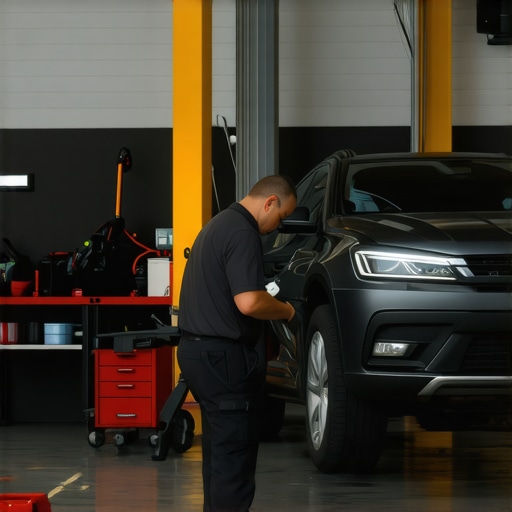
Ever been stranded in the middle of a busy road because your brakes suddenly squealed louder than a banshee or your transmission refused to shift? I remember the sinking feeling all too well—one moment everything was smooth sailing, and the next, I was frantically trying to figure out what went wrong. That lightbulb moment hit me hard: neglecting routine auto repair and collision strategies doesn’t just risk inconvenience; it jeopardizes safety and wallet health.
Why Staying Ahead of Auto Repairs Matters More Than Ever in 2024
Let’s face it—our cars are more than just machines; they’re our lifelines. As vehicles become more complex with advanced tech, ignoring essential auto repair tips can lead to costly breakdowns or accidents. According to a recent study by the National Highway Traffic Safety Administration, proper maintenance can reduce crash risks by up to 50%. That’s a staggering number, yet many drivers still delay critical repairs until it’s too late.
Early on, I made the mistake of dismissing those small squeaks and warning lights. Big mistake. Over time, neglect transformed minor issues into major repairs. Now, I swear by preventive measures and regular checkups—something I wish I had prioritized sooner. Want to avoid my pitfalls? Today, I’ll share proven collisionrenew strategies to help you keep your vehicle safe and reliable all year long.
Is Collisionrenew Really Worth the Hype?
I used to wonder if investing time and money into collisionrenew and auto repair tips was just hype. Honestly, I was skeptical—until I experienced a minor fender bender that could’ve been a disaster if I hadn’t followed some essential repair practices. I learned that focusing on collisionrenew and routine maintenance isn’t just about avoiding breakdowns; it’s about safeguarding your loved ones and your investment.
In fact, many early mistakes I made involved overlooking simple steps like checking brake pads or transmission fluid levels. These overlooked details can cause serious issues down the line, but with the right knowledge, you can prevent them. For comprehensive guidance, check out collisionrenew essential auto repair tips for 2024 that I personally swear by.
So, are you ready to learn how to keep your vehicle in top shape and avoid those dreaded breakdowns? Let’s dive into practical steps that will save you time, money, and headaches—starting today.
Perform Regular Brake and Transmission Checks
Start by scheduling a comprehensive inspection of your brake system and transmission. Think of your brakes as the emergency stop in your car’s safety toolkit; neglecting them is like ignoring the brakes of a roller coaster—dangerous and reckless. During my last visit, I learned that replacing worn brake pads early can prevent grinding sounds and avoid costly repairs. For expert tips, see essential brake and transmission tips for 2024.
Check Brake Pads and Fluid Monthly
Pull out a flashlight and inspect your brake pads—look for thickness; if they’re less than a quarter-inch, it’s time for replacement. Test your brake fluid by checking the reservoir; if it’s dark or low, flush and refill to maintain proper hydraulic pressure. This simple step saved me from a sudden brake failure last summer, giving me peace of mind on busy streets.
Schedule Transmission Fluid Changes
Transmission fluid is like the blood of your car—if it’s dirty or low, your transmission suffers. Follow your vehicle manufacturer’s recommendations for fluid change intervals; I usually do mine every 30,000 miles. During my last service, replacing old fluid with fresh helped my car shift smoother, avoiding jerks and potential transmission damage. For detailed guidance, visit auto repair tips for 2024.
Prioritize Collisionrenew for Body and Safety Repairs
When it comes to collisionrenew, quick action is key. Immediately after a minor bump, assess the damage—look for dents, scratches, or misaligned panels. If you notice anything unusual, don’t delay; professional repair can prevent rust and further deterioration. I once ignored a small dent, only to find rust forming months later, which complicated repairs and increased costs. To avoid this, check collisionrenew repair strategies.
Document Damage Immediately
Take photos of the damage and gather all relevant details—this simplifies insurance claims and repair scheduling. Remember, timely documentation can be the difference between a quick fix and a lengthy, expensive process.
Stay on Top of Routine Maintenance
Maintenance isn’t just about fixing problems; it’s about preventing them. Create a maintenance schedule that includes oil changes, tire rotations, and fluid checks at least every 5,000 miles. When I followed a strict schedule, my vehicle ran efficiently and avoided unexpected breakdowns. Use trusted guides like auto repair tips for 2024 to stay informed.
Keep Tires Properly Inflated
Under-inflated tires wear out faster and reduce fuel efficiency, while over-inflated tires can cause a rough ride. Use a reliable pressure gauge and check tires monthly. Properly inflated tires improve safety and prolong tire life—saving you money and stress.
Leverage Technology for Better Maintenance
Modern cars come with onboard diagnostics—use them! Regularly scan for error codes with an OBD-II scanner, which can alert you to issues before they escalate. I once caught a minor sensor malfunction early, preventing a costly repair and a potential breakdown. For more advanced tips, check auto repair season tips for 2024.

Many drivers operate under misconceptions that can lead to costly mistakes. One prevalent myth is that waiting for warning lights to turn on is sufficient before addressing auto repairs. In reality, modern vehicles often display subtle indicators that, if ignored, can escalate into severe damage. Regular checkups are essential to catch these issues early, preventing expensive repairs and ensuring safety. For example, some believe brake pads only need replacement when they squeal loudly, but by then, they might be dangerously worn, risking brake failure. Staying proactive with routine auto repair tips can save significant money and inconvenience.
Why do many drivers overlook the importance of transmission fluid changes?
There’s a misconception that transmission fluid lasts forever. However, as auto industry experts emphasize, neglecting fluid changes can lead to slipping gears, overheating, and eventual transmission failure. Studies show that timely transmission maintenance can extend the lifespan of your vehicle by years. Many assume that their transmission remains unaffected by fluid quality, but dirty or degraded fluid causes increased wear and tear. Don’t fall into this trap—regular transmission fluid changes are a small investment for long-term performance.
Another common oversight is the assumption that collisionrenew repairs are only necessary after major accidents. In fact, minor body damages can hide rust or structural issues that worsen over time. Immediate attention to small dents or scratches can prevent larger, more expensive repairs later. This is why understanding the nuances of collisionrenew strategies is crucial for maintaining vehicle integrity.
What is the biggest mistake most people make when scheduling car services?
Many drivers delay routine maintenance because they think it’s unnecessary or too costly. However, this approach often results in higher expenses down the road. Skipping oil changes, tire rotations, or brake inspections can cause uneven wear, reduced fuel efficiency, and unsafe driving conditions. Experts recommend adhering to a scheduled maintenance plan tailored to your vehicle’s needs. Remember, timely service isn’t just about avoiding breakdowns—it’s about optimizing safety and longevity.
Have you ever fallen into this trap? Let me know in the comments. Staying informed about the real nuances of auto care can make all the difference in your driving experience and vehicle lifespan.
Keeping your vehicle running smoothly over the years requires more than just periodic checkups; it demands the right tools and a strategic approach. I’ve personally found that investing in quality equipment and mastering specific methods can significantly extend your car’s lifespan and safety. Today, I’ll share the tools I recommend and how they help me maintain my vehicle’s health, especially when it comes to brake, transmission, and collisionrenew tasks.
Why a Reliable OBD-II Scanner Is a Must-Have
My go-to tool for early diagnostics is a high-quality OBD-II scanner. Unlike generic code readers, I prefer models that connect via Bluetooth and come with detailed app interfaces. This setup allows me to monitor error codes, freeze frames, and real-time sensor data directly from my smartphone. Using this, I catch issues like minor sensor malfunctions before they escalate—saving me hundreds in repairs. As vehicle technology advances, I predict that these scanners will become more integrated with AI diagnostics, providing even more precise maintenance alerts. To get started, check out models recommended in auto repair tips for 2024.
Specialized Jack and Safety Equipment for DIY Repairs
For any physical repairs, I rely on a sturdy hydraulic jack with a wide base and quality jack stands. This ensures stability when I inspect or replace brake pads or work on transmission components. I also keep a digital torque wrench to tighten bolts precisely—important for safety-critical parts. My experience shows that investing in professional-grade tools pays off in both safety and durability of repairs. As vehicles evolve, tools with digital readouts and auto-calibration features are becoming more common, making DIY work safer and more accurate. Learn more about essential repair tools in collisionrenew repair strategies.
How do I maintain these tools over time?
Proper maintenance of your tools is crucial for long-term reliability. I regularly calibrate my torque wrench, keep my jack and stands clean and lubricated, and store my diagnostic scanner in a protective case. For electronic tools, updating firmware and software ensures compatibility with the latest vehicle models. This routine care prevents unexpected failures and keeps your tools ready when you need them most. As maintenance tools become more sophisticated, I expect software updates and cloud-based diagnostics to become standard, streamlining upkeep and repair processes. To stay ahead, review auto repair maintenance tips for 2024.
If you’re serious about long-term vehicle health, I recommend trying an advanced diagnostic tool like the BlueDriver Bluetooth Pro scanner, which offers detailed reports and repair estimates. Combining this with quality physical tools like a torque wrench and jack set will make your maintenance routine more effective and safer. Remember, the key isn’t just having the right tools but also knowing how to use and care for them. Start integrating these practices today to ensure your car stays reliable for years to come.
The Hardest Lesson I Learned About Car Service, Brake Service, Auto Repair, Transmission, CollisionRenew
- Ignoring small warning signs like squeaky brakes or fluctuating transmission shifts can lead to major breakdowns. My biggest mistake was delaying routine checks, which cost me hundreds in repairs later. Now, I wish I had learned the importance of early intervention.
- Trusting myths about auto repair, such as the belief that transmission fluid never needs changing, almost ruined my transmission. I realized that regular maintenance is crucial, and following expert advice can extend your vehicle’s lifespan significantly.
- Professional collisionRenew repairs are essential even for minor dents. I once neglected a small scratch, only to find rust months later, which made repairs more complicated and costly. Quick action saves money and preserves safety.
- Using modern diagnostic tools like an OBD-II scanner changed how I approach vehicle health. Catching issues early with tech saves time and money, and I now incorporate routine scans into my maintenance routine.
- Investing in quality tools and learning how to use them properly makes DIY repairs safer and more effective. From torque wrenches to hydraulic jacks, the right equipment can empower you to maintain your vehicle confidently.
My Essential Toolkit for Car Maintenance and CollisionRenew
- High-quality OBD-II scanner: I trust models like BlueDriver for detailed diagnostics. They provide real-time data and help me catch problems early, preventing costly repairs. Check out recommended models in auto repair tips for 2024.
- Sturdy hydraulic jack and stands: Essential for safely performing physical repairs. My experience shows that investing in professional-grade tools ensures safety and durability during repairs. Learn more about key tools in collisionrenew repair strategies.
- Digital torque wrench: Precision tightening is critical, especially for safety-critical parts. Proper calibration and care make my repairs last longer and keep my vehicle safe.
- Maintenance software or apps: Staying organized with reminders for oil changes, tire rotations, and fluid checks helps me stay proactive. Reliable scheduling prevents unexpected breakdowns.
Don’t Be Afraid to Start Taking Control of Your Car’s Future
Every vehicle owner has the power to extend their car’s life and enhance safety by applying these lessons learned. Embrace the tools, trust the expert advice, and act promptly on repairs. Your car will thank you, and you’ll enjoy safer, smoother rides for years to come. Now, it’s your turn—what auto maintenance tip changed the way you care for your vehicle? Share below!
Reading this post really resonated with me, especially the idea of proactive maintenance rather than reactive repairs. A few years ago, I learned the hard way that ignoring small squeaks or warning lights can lead to costly fixes down the line. Now, I make it a point to keep up with regular checks, especially of the transmission and brakes. I’ve also started using an OBD-II scanner, which has been a game-changer for catching issues early. It’s astonishing how much you can prevent with just a little routine care. Has anyone here experienced a situation where a simple check saved their vehicle from a major breakdown? I’d love to hear your stories and tips on staying ahead of auto repair needs, especially in today’s tech-heavy cars. Your insights could really help others avoid the pitfalls of neglecting small warning signs.