
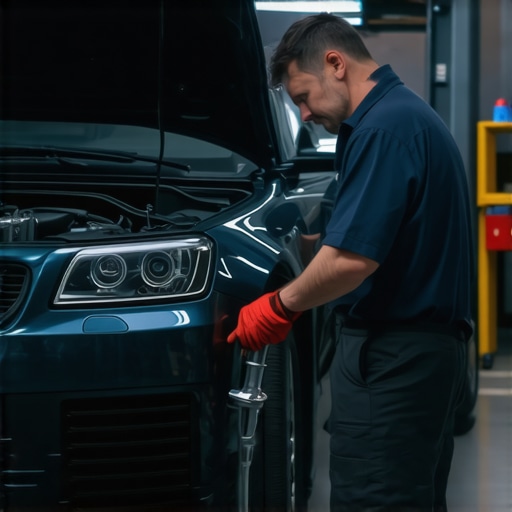
Ever had that sinking feeling when your car jerks unexpectedly or takes longer to stop than usual? That moment of panic when you realize your brakes aren’t responding smoothly, or your transmission feels sluggish? I’ve been there—trust me, it’s a wake-up call. One that made me realize how crucial proper maintenance of brakes and transmission really is for safe driving. It’s easy to ignore that squeal or rough shift until it’s almost too late. But here’s the truth: proactive care can save lives, and in 2024, staying ahead of issues is more important than ever.
Why Staying on Top of Brake and Transmission Care Matters
Our cars are complex machines, and their safety depends on many factors. But few things can undermine safety as quickly as worn brakes or a neglectful transmission. According to the National Highway Traffic Safety Administration, approximately 22% of vehicle crashes involve brake failure, highlighting just how vital these systems are for safe driving. Yet, many drivers overlook routine maintenance, thinking a quick check-up is enough. I used to be guilty of this—waiting until something felt off. That was my mistake. When I finally learned to pay close attention and follow effective maintenance strategies, my car’s safety and performance improved dramatically.
Have you faced that sudden brake squeal or transmission slip? If so, you’re not alone.
What I didn’t realize earlier was that neglecting small issues only leads to bigger, more costly problems down the line. Regular inspections and timely repairs aren’t just about avoiding breakdowns—they’re about protecting yourself and your loved ones. If you want to avoid costly auto repairs later, it’s worth understanding exactly what needs your attention. For a comprehensive approach, check out effective brake & transmission services that keep your vehicle in top shape. Starting with the right maintenance routines can make all the difference in how your car performs and how safe you feel on the road.
Now, let’s dive into practical tips that will help you maintain your brakes and transmission effectively—so you can enjoy safer, smoother driving well into 2024 and beyond.
Perform Regular Visual Inspections to Catch Problems Early
Start by visually inspecting your brakes and transmission components every 3,000 to 5,000 miles. Look for signs of wear such as uneven brake pad thickness or fluid leaks around the transmission. I remember one time noticing a small puddle of reddish fluid beneath my car during a routine check, which turned out to be transmission fluid. Catching this early saved me from a costly repair. Use a flashlight to peer into brake calipers and check the brake pads for thinning. For the transmission, inspect the fluid level and color through the dipstick—dark, foul-smelling fluid indicates it’s time for a change. Regular visual checks are like a health screening for your vehicle, helping you identify issues before they escalate.
When it comes to maintaining your vehicle, many drivers operate under misconceptions that can lead to costly repairs or safety risks. Let’s dig deeper into some of the most common myths about car service, brake maintenance, auto repair, and transmission care, and uncover the truths that will help you make smarter decisions.
Myth: All Brake Pads Wear Out at the Same Rate
Many believe that brake pads need replacing after a certain mileage, but in reality, wear rates vary depending on driving habits, brake quality, and even climate. Aggressive braking or frequent stop-and-go traffic can accelerate pad wear significantly, while gentle braking can extend their lifespan. Regular visual inspections can help catch uneven or excessive wear early, preventing dangerous situations and costly repairs.
Myth: Transmission Fluid Change Is Only Needed When Problems Arise
This misconception can be dangerous. Many drivers believe transmission fluid is a lifetime fill, but transmission experts recommend periodic fluid changes to maintain optimal performance. Old, contaminated fluid can cause slipping, overheating, or even transmission failure. For advanced insights, check out top tips for transmission care. Proactive maintenance ensures smoother shifts and extends your transmission’s lifespan.
Why Many Think Auto Repairs Are Always Costly
It’s a common myth that auto repairs are inherently expensive, leading some to delay necessary service. The truth is, regular maintenance can prevent major breakdowns. Small issues like minor leaks or worn belts are easy to fix if caught early. Investing in routine auto repair checkups saves money in the long run and keeps your vehicle safer.
What Advanced Car Care Questions Should You Ask?
Are you aware of how modern diagnostics can identify issues before symptoms appear? Advanced diagnostic tools can detect subtle transmission or brake problems that aren’t visible during routine checks. For example, some systems monitor brake pad wear sensors or transmission fluid quality in real-time, alerting you before a failure occurs. Staying informed about these technologies can be a game-changer in your maintenance routine. Learn more about expert diagnostic services for peace of mind.
Remember, challenge common myths and stay proactive. Regular, informed maintenance is the key to safer, more reliable driving. Have you ever fallen into this trap? Let me know in the comments!
Keeping your vehicle in peak condition isn’t just about quick fixes; it’s about investing in the right tools and techniques that ensure long-term reliability. As automotive technology advances, so do the methods for maintaining and repairing cars, especially when it comes to critical systems like brakes and transmissions. In this post, I’ll share the specific equipment and strategies I personally rely on to keep my car running smoothly and safely for years to come.
Invest in Diagnostic Tools for Accurate Troubleshooting
One of the most invaluable tools I use regularly is a high-quality OBD-II scanner. This device allows me to access real-time data from the vehicle’s computer, helping me identify issues before they escalate. I prefer models like the Autel MaxiCOM because of their comprehensive software, which covers everything from engine diagnostics to transmission fault codes. Using an OBD-II scanner not only saves money but also enhances safety, as it enables me to catch problems early, such as transmission fluid temperature anomalies or brake system alerts. For those serious about maintenance, investing in a diagnostic tool is a game-changer. Check out expert diagnostic services to see how professional-grade tools can assist in vehicle health monitoring.
Use Precision Measuring Instruments for Wear Assessment
When inspecting brake pads or transmission components, I rely on digital calipers and micrometers. These tools allow me to measure thickness and tolerances accurately, ensuring that I replace parts only when necessary. For example, a digital caliper helps me verify brake pad wear to the manufacturer’s specifications, preventing uneven or premature wear. Maintaining precise measurements over time ensures that I don’t replace parts too early or too late, which can compromise safety and performance. Regular use of these instruments keeps my maintenance on point and prevents unnecessary expenses.
Adopt Software for Maintenance Scheduling and Record-Keeping
Modern auto repair isn’t just about hardware; software solutions like Carfax or a dedicated vehicle maintenance app help me track service intervals and keep detailed records. I set reminders based on my vehicle’s manufacturer recommendations—typically every 20,000 to 30,000 miles for transmission fluid changes or brake inspections. This proactive approach ensures I don’t forget important services, which can be easily overlooked during busy schedules. As technology evolves, predictive maintenance software will become even smarter, analyzing vehicle data to forecast issues before they happen. I recommend starting with simple apps and gradually integrating more advanced tools, especially if you’re aiming for long-term reliability.
Plan for Future Trends in Auto Maintenance
Looking ahead, I believe the integration of AI-driven diagnostics and smart sensors will revolutionize how we maintain our cars. Vehicles will increasingly monitor their own systems and send alerts proactively, reducing unexpected breakdowns. Investing in adaptable, future-proof tools now will pay dividends later. For example, securing a diagnostic device compatible with emerging vehicle systems ensures you’re prepared for the next wave of automotive tech.
How do I maintain my car over time
The key is consistency and using the right tools at each stage of maintenance. Regularly schedule inspections with reliable diagnostic equipment, measure critical components with precision instruments, and leverage software to stay organized. Trying out these strategies can significantly extend your vehicle’s lifespan and safety. Don’t forget to review effective maintenance strategies for detailed guidance. Take the initiative today by investing in a quality OBD-II scanner—your car will thank you for it!
Reflecting on my journey with vehicle maintenance, I’ve uncovered some invaluable lessons that transformed how I approach brake and transmission care. One of the hardest lessons I learned was that ignoring the small signs—like a faint squeal or a delayed shift—can lead to major, costly repairs and safety risks. That realization pushed me to prioritize regular inspections and to trust expert advice over myths. For example, I once believed that transmission fluid was a lifetime fill, only to discover that routine changes could prevent overheating and failure. These insights have empowered me to stay proactive, saving money and ensuring safety on every drive.
Another key lesson was understanding that not all brake pads wear out at the same rate. Aggressive driving or stop-and-go traffic can accelerate wear, but gentle braking can extend their lifespan significantly. Using tools like digital calipers to measure pad thickness helped me replace parts only when necessary, avoiding premature or delayed replacements. This approach has kept my brakes reliable and my vehicle safe, proving that informed maintenance pays off.
Finally, I realized that leveraging modern diagnostic tools, such as an OBD-II scanner, provides a clear window into my car’s health. These devices detect issues before symptoms appear, enabling me to schedule repairs proactively. Combining technology with regular visual inspections creates a comprehensive safety net, and I highly recommend investing in these tools. They’re a game-changer for anyone serious about vehicle safety and longevity.
Tools and Resources That Keep Me Ahead of the Curve
The cornerstone of my maintenance routine is a quality OBD-II scanner, like the Autel MaxiCOM. It offers real-time diagnostics that help me catch issues early, from transmission faults to brake system alerts. For precise wear assessment, I use digital calipers, ensuring parts are replaced only when needed, which saves money and maintains safety. I also rely on maintenance scheduling software, such as Carfax or dedicated apps, to track service intervals and set reminders. These tools help me stay organized and proactive, especially with upcoming transmission fluid changes or brake inspections.
Looking toward the future, I believe that AI-driven diagnostics and smart sensors will revolutionize auto maintenance. Vehicles will increasingly monitor their own systems and alert us to problems before they happen, making roadside breakdowns a thing of the past. Investing in adaptable tools now prepares us for these advancements, ensuring our vehicles remain safe and reliable as technology evolves.
Your Next Step Toward Safer Driving
Taking control of your vehicle’s safety through proactive brake and transmission care is empowering and essential. The more you learn and apply these strategies, the safer your journey becomes. Remember, small investments in diagnostics and regular inspections can save you thousands and, more importantly, lives. So, why wait? Start your maintenance routine today and enjoy peace of mind on every road trip.
Have you ever delayed a repair that turned into a costly fix? Share your experience below—I’d love to hear your story!
,