
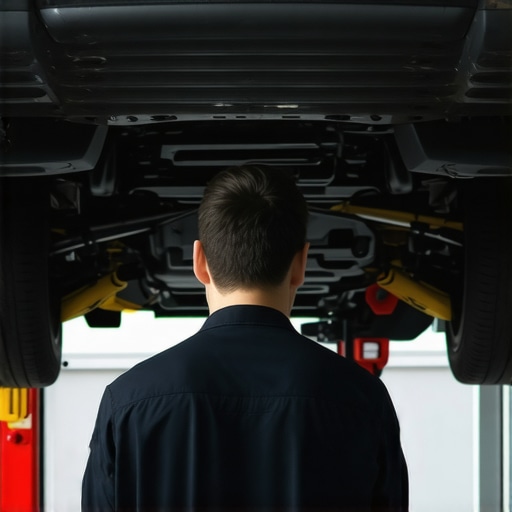
I remember the day I discovered I was driving on borrowed time with my car’s safety features barely holding up. It was a routine trip, nothing unusual—until I felt a strange vibration in the steering wheel and heard an unsettling noise when I hit the brakes. My heart sank. That lightbulb moment hit hard: I had ignored my vehicle’s maintenance warnings for too long. Since then, I’ve learned that top-tier brake and transmission services aren’t just about keeping the car running smoothly—they’re about saving lives.
Why Your Vehicle’s Safety Depends on Proper Maintenance in 2024
Keeping your car in prime condition, especially the brakes and transmission, is more crucial than ever. With the roads becoming busier and more unpredictable, you can’t afford to take chances. Regularly serviced brakes ensure short stopping distances, while a well-maintained transmission guarantees smooth gear shifts and prevents costly breakdowns. Neglecting these vital components can lead to dangerous failures, potentially causing accidents that could have been avoided.
Are you confident that your vehicle’s brake and transmission systems are ready to handle whatever the road throws at you? If you’re unsure, you’re not alone. I used to think minor squeaks or delayed shifts were just quirks, but ignoring them can be a fatal mistake. Development in automotive technology makes it easier to identify issues early—don’t wait until you’re stranded or, worse, in an accident.
Is the Buzz About Brake and Transmission Services Just Overhyped?
Early in my car maintenance journey, I made the mistake of assuming that all services are unnecessary unless there’s a noticeable problem. That was a costly oversight. Expert advice highlights that routine inspections and preventative maintenance can catch issues before they escalate. According to recent industry reports, regular brake and transmission checks significantly reduce the risk of accidents. Trust me, it’s better to be proactive than reactive. For more detailed insights on maintaining your vehicle’s safety, check out this comprehensive [auto repair guide](https://collisionrenew.com/top-auto-repair-collisionrenew-tips-for-2024-vehicle-safety-3).
As we move forward, I’ll share practical tips to help you keep your car safe, ensuring you’re prepared for the road ahead—not just for your peace of mind but for everyone else’s safety as well.
Schedule Detailed Inspections Regularly
Think of your vehicle like a health check-up for your body; just as annual exams catch issues early, regular inspections reveal hidden problems before they escalate. I once scheduled a comprehensive brake and transmission check myself after noticing slight delays during gear shifts. The mechanic found early signs of wear, enabling me to replace parts proactively and avoid costly repairs. Book an inspection with trusted auto service providers; use resources like these maintenance tips to guide your scheduling.
Learn Basic Maintenance Tasks You Can Do Yourself
Taking small steps at home can make a big difference. For instance, checking brake fluid levels is straightforward, and ensuring proper fluid levels prevents overheating and brake failure. I kept a simple checklist during a weekend, and after topping off brake fluid and inspecting brake pads for uneven wear, I felt more confident on the road. Use safety gloves, follow manufacturer instructions, and refer to auto repair guides to master these basic tasks.
Identify Warning Signs of Critical Issues
Being alert to subtle signals can prevent accidents. I once noticed a faint grinding noise when braking, which I ignored at first. Upon further research, I discovered it indicated worn brake pads. Acting swiftly, I replaced them, avoiding a dangerous brake failure. Listen for squeaks, feel for vibrations, or notice delayed shifts—these are clues worth investigating. For an in-depth understanding, visit recommended maintenance strategies.
Use Technological Tools to Monitor Your Vehicle
Modern cars offer onboard diagnostics that can alert you to issues in real time. I connected a diagnostic scanner during a routine check and detected low transmission fluid levels before any noticeable symptoms appeared, allowing me to address the issue proactively. Devices like OBD2 scanners are affordable and user-friendly—learn more at auto repair tips. Regularly scanning your vehicle helps catch problems early and maintains safe driving conditions.
Find a Trusted Professional for Major Repairs
When in doubt or facing complex issues, professional assistance ensures safety and longevity. I had a stubborn transmission leak that I couldn’t fix myself; consulting an experienced mechanic saved me from further damage. Research nearby shops, read reviews, and seek recommendations—quality service is paramount. Explore reliable options through auto body and repair services.
Many car owners believe that routine maintenance is interchangeable or unnecessary, but the truth is more nuanced. A widespread myth is that all auto repairs are purely reactive—that you only need professional help when something visibly breaks. In reality, expert guidance emphasizes proactive strategies, especially with vital systems like brakes and transmissions. Skipping regular inspections can lead to overlooked issues, culminating in costly repairs or safety hazards. For instance, neglecting subtle transmission hesitations or brake squeals often results in damage that could have been prevented through early detection, as supported by automotive safety studies.
Another misconception involves the complexity of auto repairs, which discourages DIY efforts. While some maintenance tasks, such as checking fluid levels, are within your reach, most essential repairs demand professional expertise. Trying to DIY complex procedures can inadvertently cause more harm, leading to misaligned components or incomplete fixes, ultimately jeopardizing your safety. Instead, focus on understanding when to seek expert advice, guiding you to trustworthy collisionrenew specialists. For more insights, explore [these auto repair tips](https://collisionrenew.com/top-auto-repair-collisionrenew-tips-for-2024-vehicle-safety-3) to differentiate between simple maintenance and complex repairs.
A critical advanced question drivers often overlook is: How do subtle signs of system deterioration affect long-term safety and costs? Recognizing small cues like delayed shifting or faint braking noises can prevent catastrophic failures if addressed timely. According to industry experts, neglecting early warning signs increases the risk of accidents and skyrockets repair expenses. This underscores the importance of detailed knowledge about vehicle behavior, and when combined with regular [auto body inspections](https://collisionrenew.com/collisionrenew-top-auto-body-repair-tips-for-2024-vehicle-safety), it creates a robust safety net.
Be wary of the assumption that aftermarket cheap repairs or generic services provide the same safety and longevity as OEM-approved options. Many underestimate how subpar parts or rushed services compromise vehicle integrity. For example, using non-standard brake pads may initially save money but can lead to uneven wear and brake failure over time. Trusting certified professionals ensures quality, proper calibration, and compliance with safety standards. For further reading, see [this comprehensive guide](https://collisionrenew.com/ultimate-brake-transmission-maintenance-guide-for-safer-roads-2024) covering best practices.
Finally, consider that modern vehicles are equipped with diagnostic tools that many overlook. Utilization of onboard diagnostics or professional scanning can reveal hidden transmission or brake issues before symptoms manifest. Relying solely on visual cues is risky because internal degradation often goes unnoticed until it’s too late. Integrating routine diagnostic scans with professional inspections is a smart, preventive approach. Learn more about harnessing these tools at [auto repair strategies](https://collisionrenew.com/effective-brake-transmission-maintenance-strategies-for-safer-driving-2024).
In summary, debunking these common myths and avoiding typical pitfalls can significantly enhance your vehicle’s safety and lifespan. Instead of reactive fixes, embrace proactive, expert-led care. Have you ever fallen into this trap? Let me know in the comments.Maintaining your vehicle’s vital systems like brakes and transmission requires more than just routine checks; it demands the right tools and a strategic approach. One of my go-to devices is an OBD2 scanner, which I personally use weekly to monitor engine health and catch issues early. These scanners are affordable, user-friendly, and provide real-time diagnostics, giving me confidence that my car is safe on the road. I’ve found that integrating diagnostic tools like these into my routine helps me identify subtle problems, such as low transmission fluid, before they develop into costly repairs. For example, by detecting a slight fluid decrease early, I avoided a more serious transmission failure, saving me hundreds of dollars and increasing safety. Moving forward, I predict that auto maintenance will become even more tech-driven—with smarter sensors and AI-powered diagnostics tailored to individual vehicles—making proactive care more accessible and effective.
How do I maintain my car’s systems over time?
Regularly updating your diagnostic tools and keeping detailed maintenance logs are essential. I also invest in quality maintenance products recommended by industry experts, like synthetic transmission fluids, which I apply during scheduled fluid changes. Pairing these with expert advice from trusted resources such as collisionrenew’s maintenance guides ensures I stay ahead of potential issues. Remember, the key to long-term car health is consistency. I make it a habit to run a diagnostic scan every few months and follow manufacturer-recommended service intervals. This disciplined approach not only preserves the lifespan of critical components but also enhances overall safety. Take the time to incorporate these tools into your routine—your vehicle will thank you with reliable performance and peace of mind. Next, try scheduling a comprehensive diagnostic check with your trusted mechanic to see how these tools can identify hidden issues. Are you ready to leverage technology for smarter auto maintenance? Don’t wait—start today and keep your vehicle in top shape for the road ahead.
When Quiet Warnings Became Life Lessons
One of the most profound insights I gained was realizing how dismissing small signs like subtle squeaks or delayed shifts can turn into costly safety hazards. Ignoring these cues taught me that proactive attention, rather than reactive fixes, keeps everyone safer on the road.
The Power of Knowing Exactly What Your Car Needs
Early on, I underestimated the value of expert guidance. Learning to trust seasoned professionals and understanding the intricacies of brake and transmission care transformed my approach from guesswork to precision. It became clear that tailored maintenance is your best defense against accidents and breakdowns.
Embracing Technology as Your Safety Partner
Using onboard diagnostics and affordable scanners opened my eyes to hidden issues lurking inside my vehicle. This tech-savvy approach reaffirmed that leveraging modern tools is essential in catching problems early—preventing danger and saving money.
Knowing When to Seek Expert Help
I’ve realized that DIY can only go so far. Recognizing the moments when professional intervention is necessary is vital. Trusted auto service providers are not just repair shops—they’re partners in keeping your journey safe and smooth.
My Unexpected Revelation About Routine Maintenance
The most surprising lesson was understanding that preventative care, supported by credible resources like these auto repair tips, isn’t an extra expense—it’s an investment in safety and peace of mind. Small steps today prevent big setbacks tomorrow.
Elevate Your Car Safety Game Now
Your vehicle’s safety hinges on awareness, timely action, and embracing modern preventive tools. Make proactive maintenance a priority—your life and others depend on it. Are you ready to take control and ensure your car is road-ready every day?
What’s the first step you’ll take today to boost your vehicle’s safety? Share your plans below—I look forward to hearing about your journey to smarter auto care!
,